Project Report
| Oct 22, 2026
Nurturing conditions necessary: Human Capital
By George Obua | Project Leader
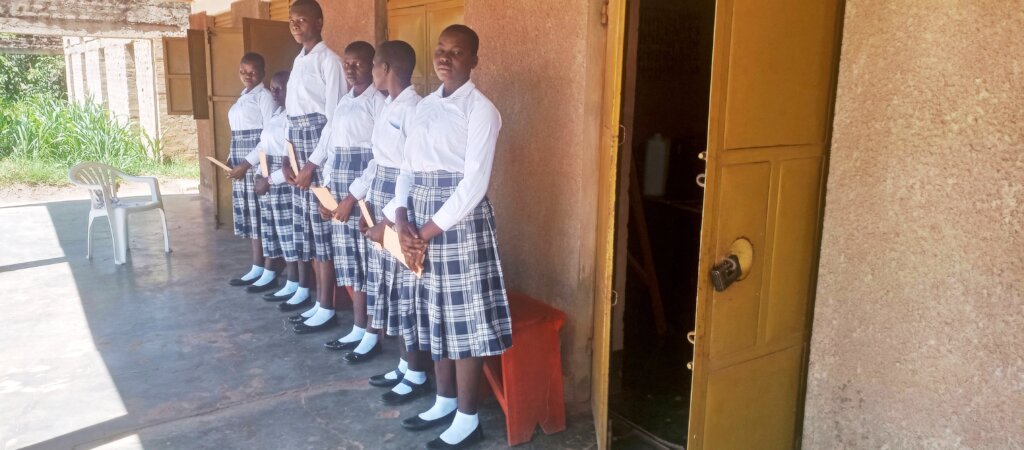
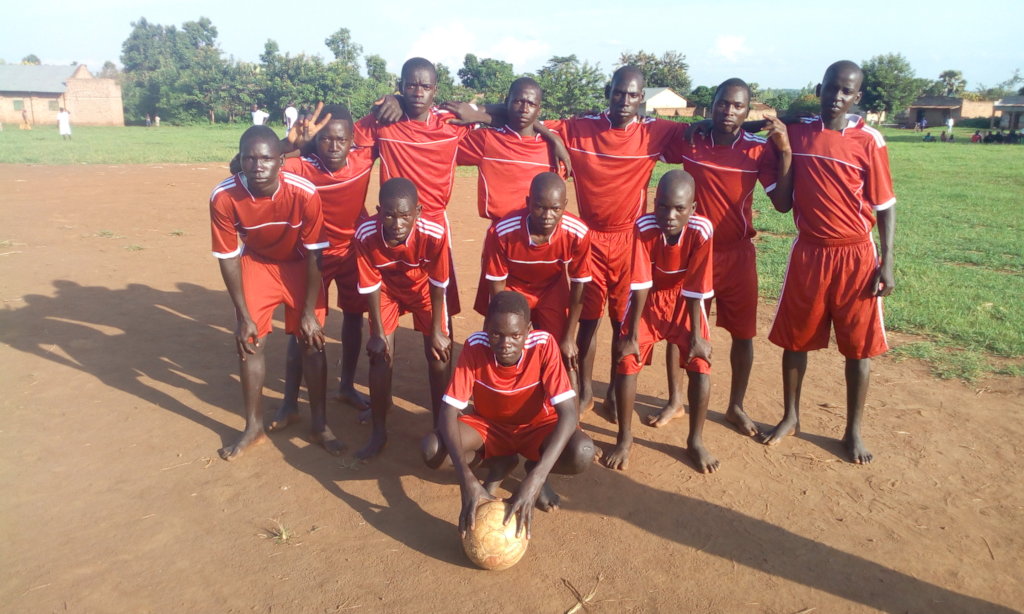
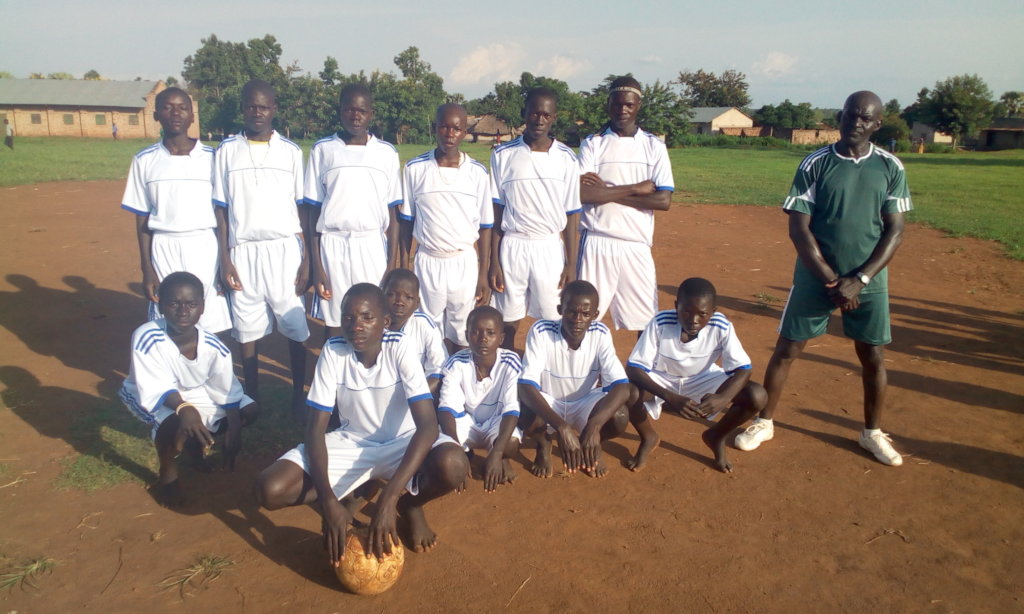
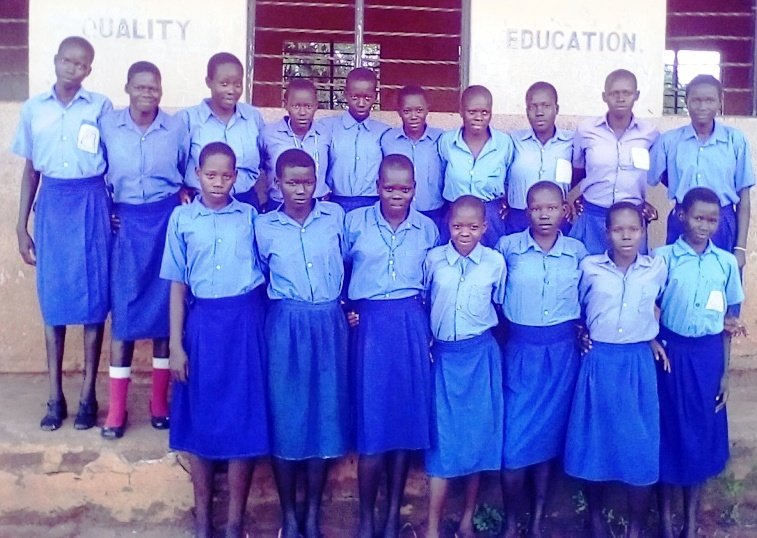
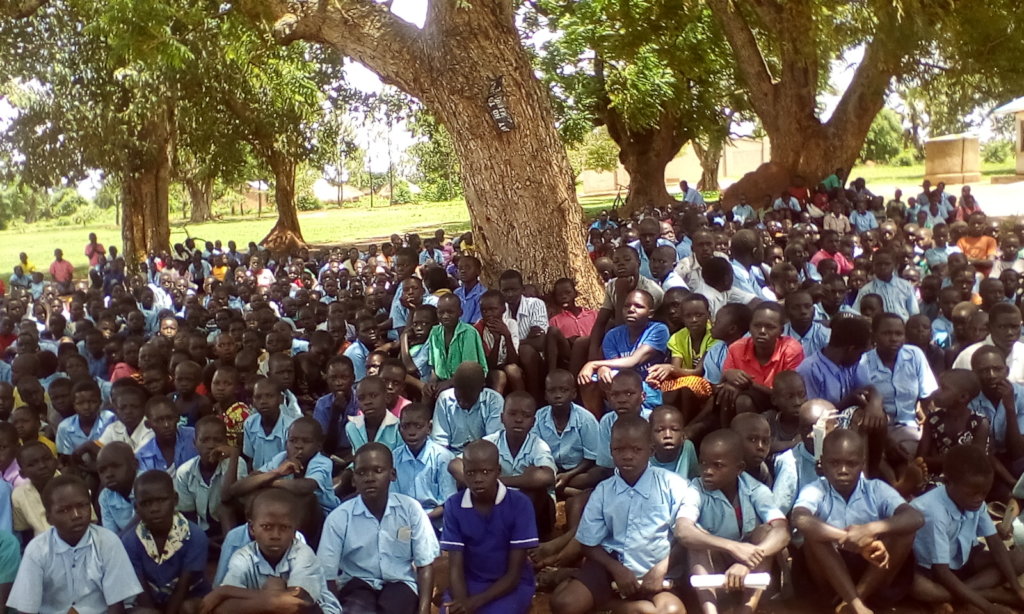
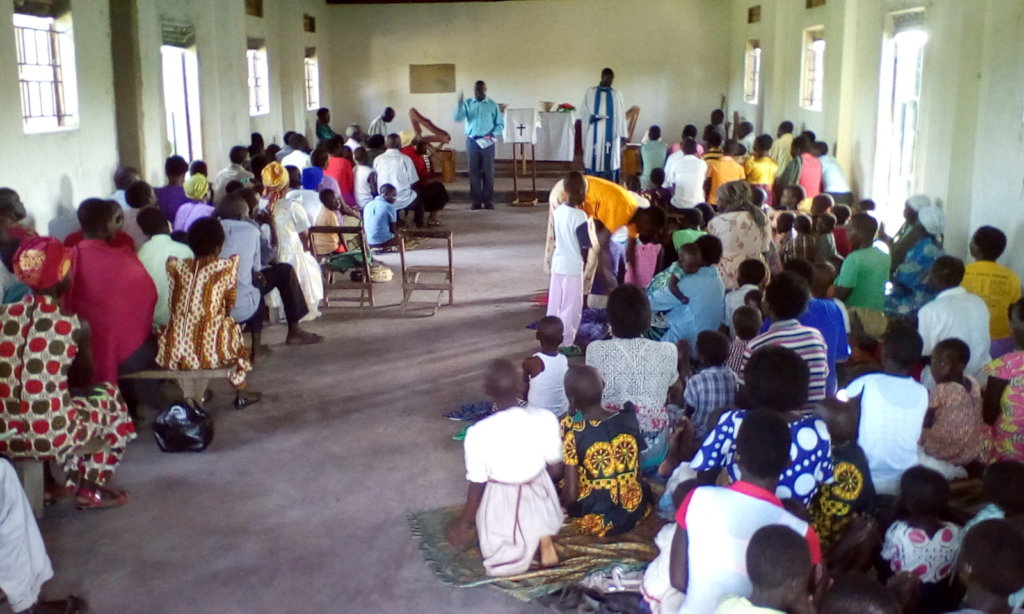
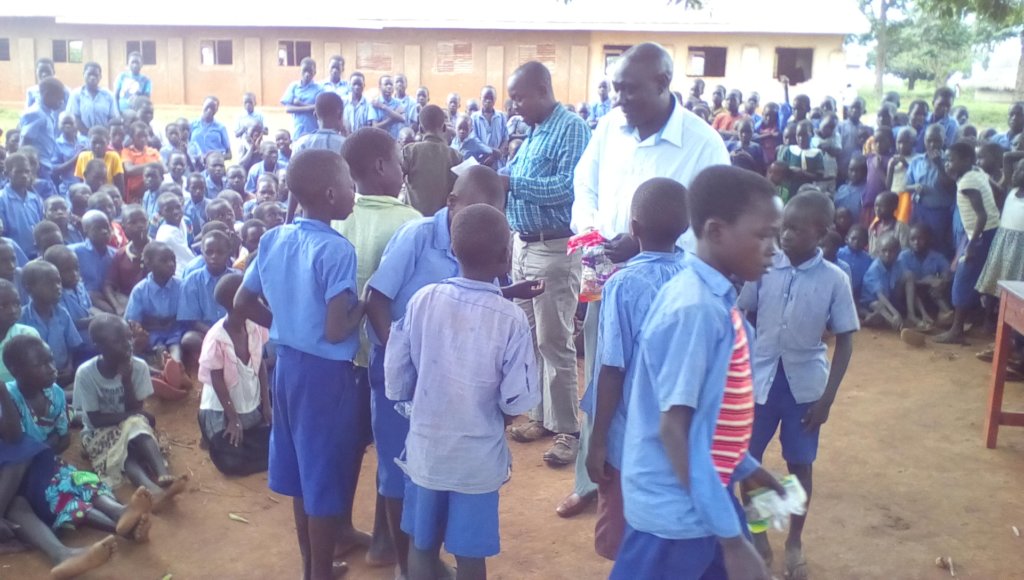
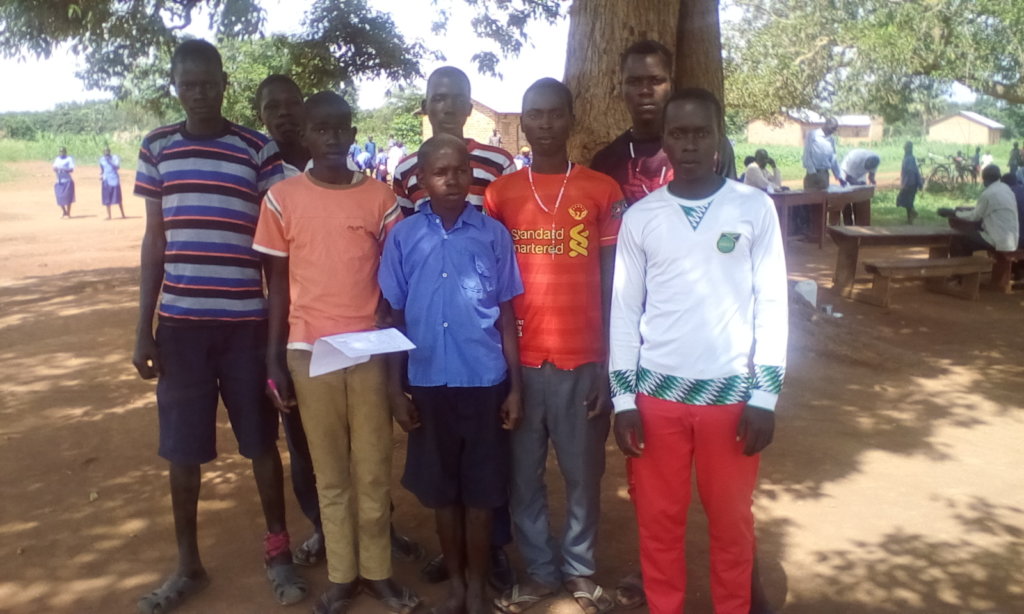
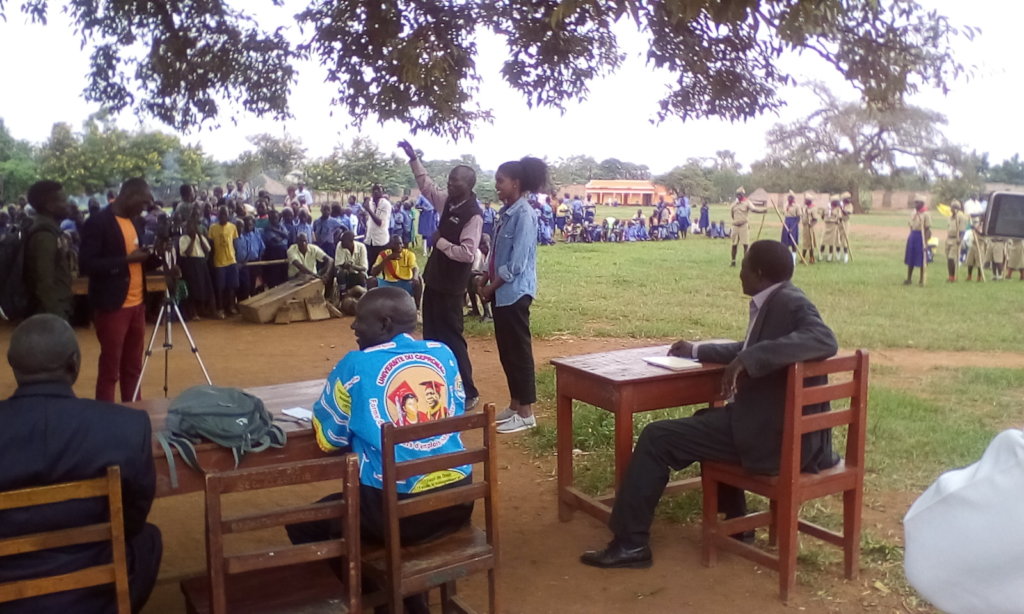
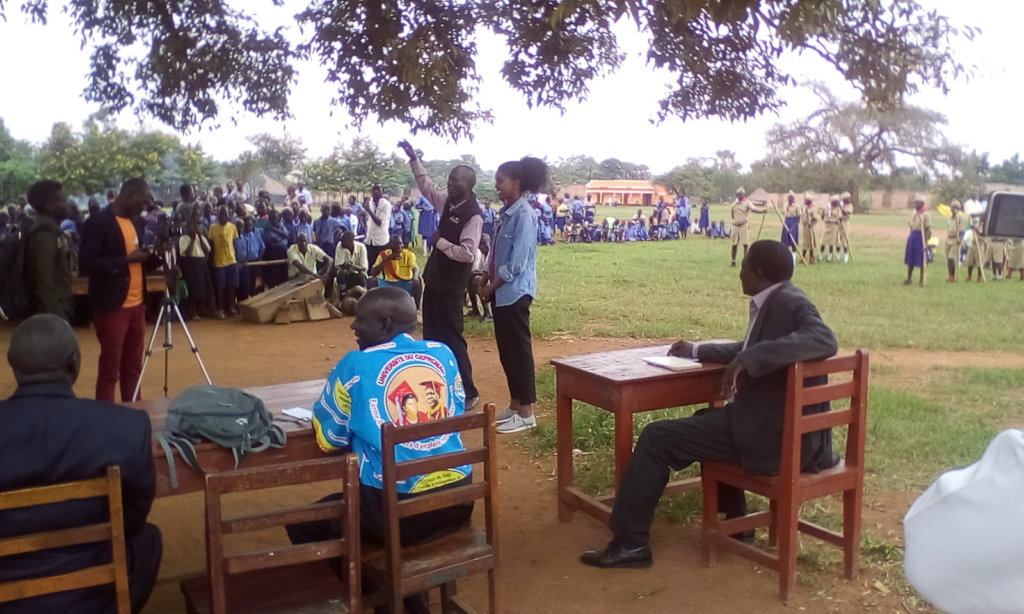
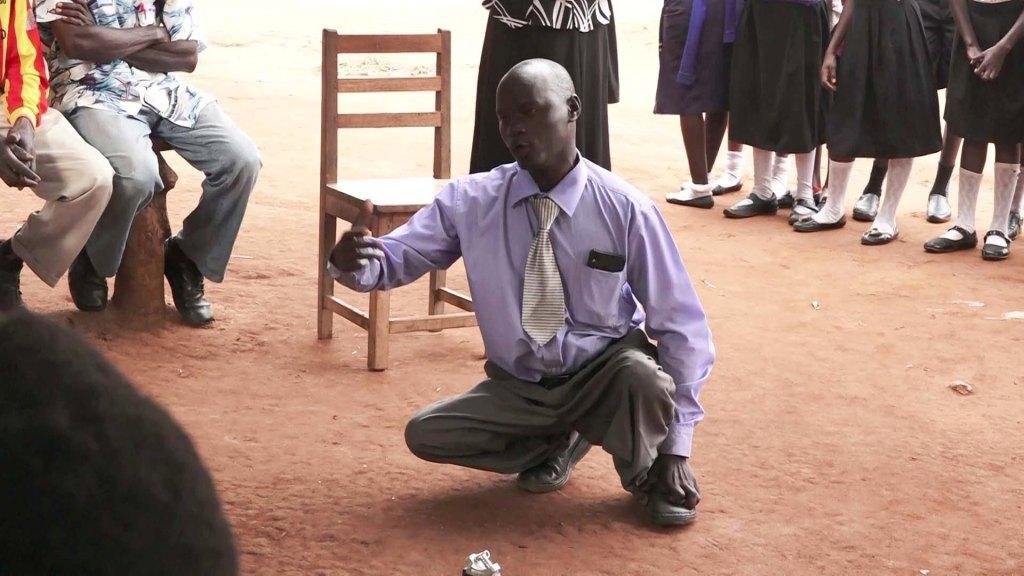
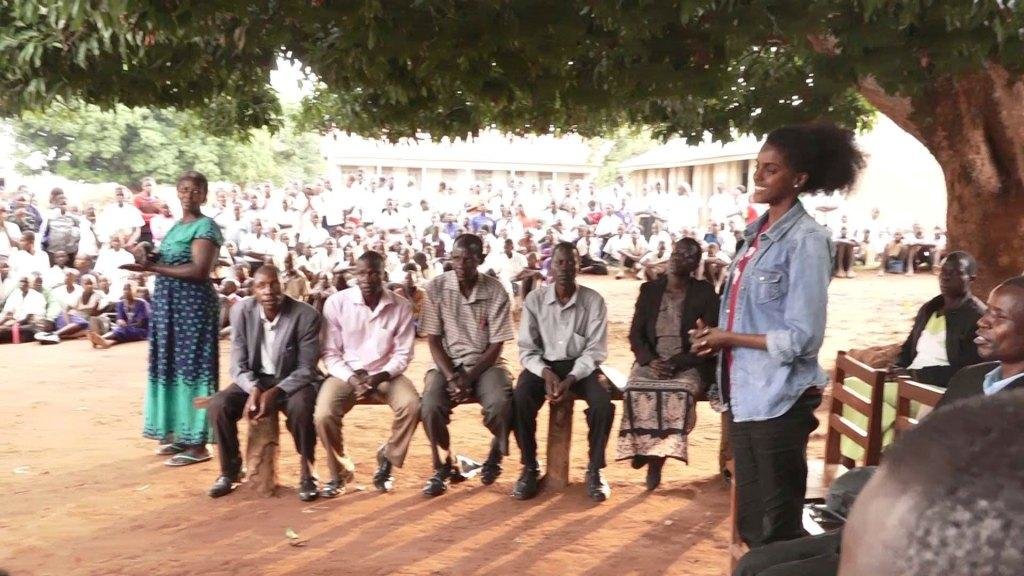
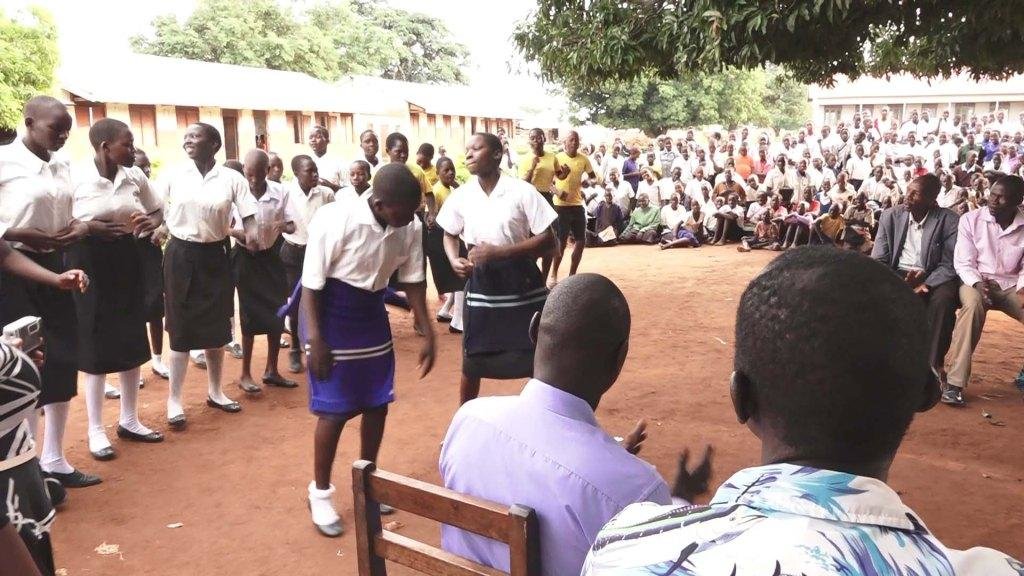
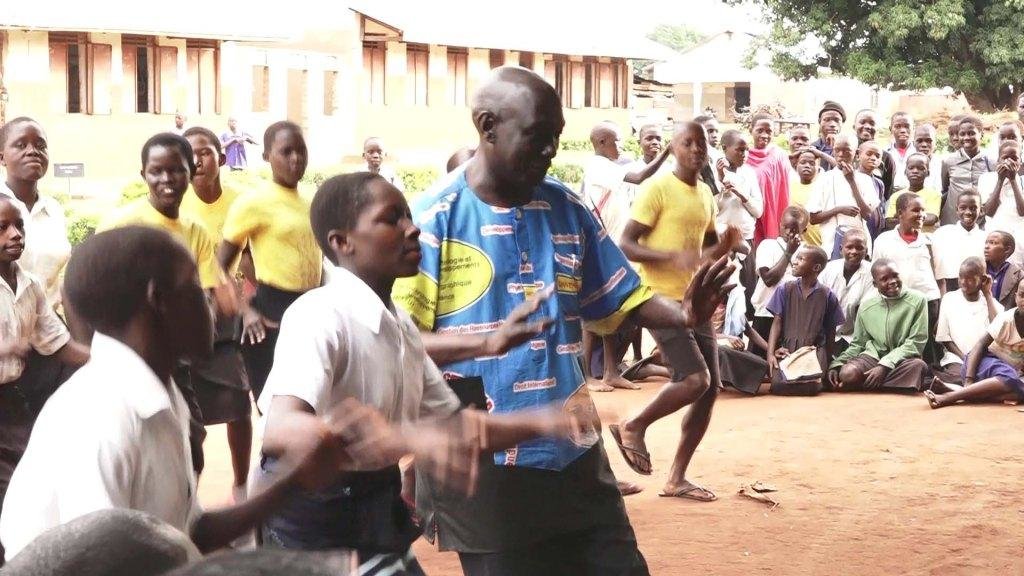
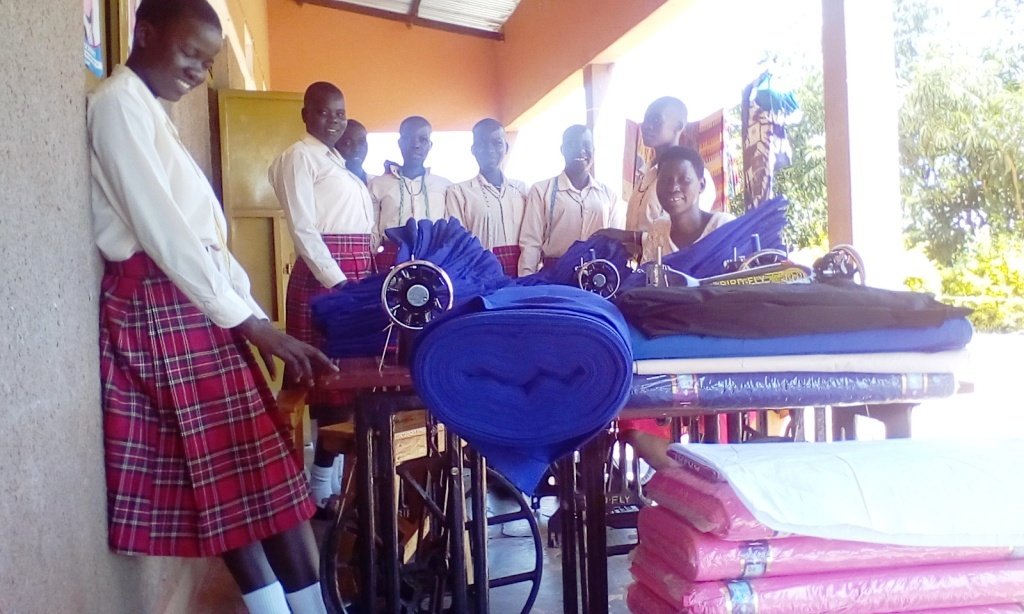
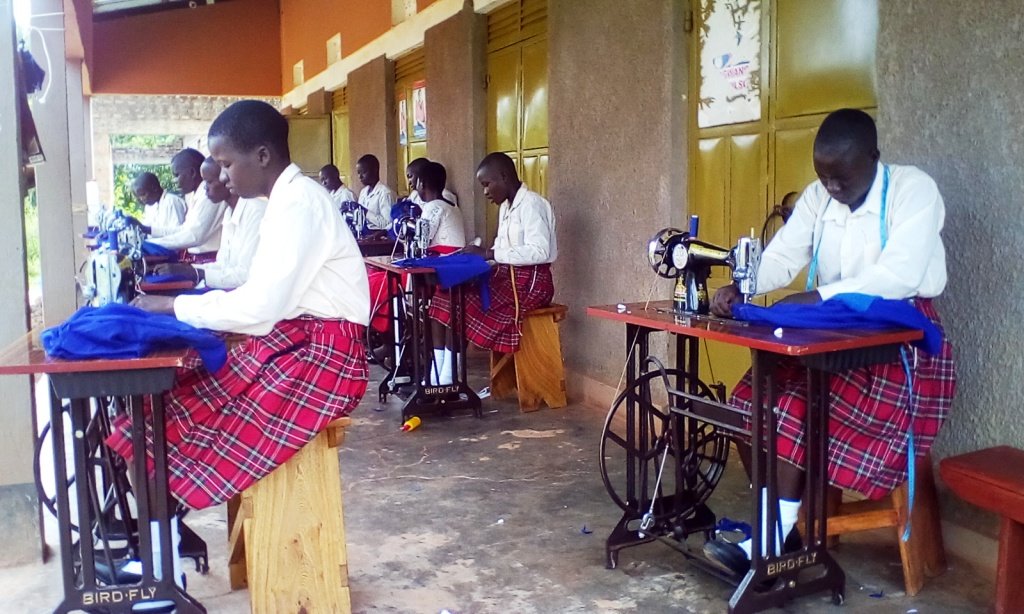
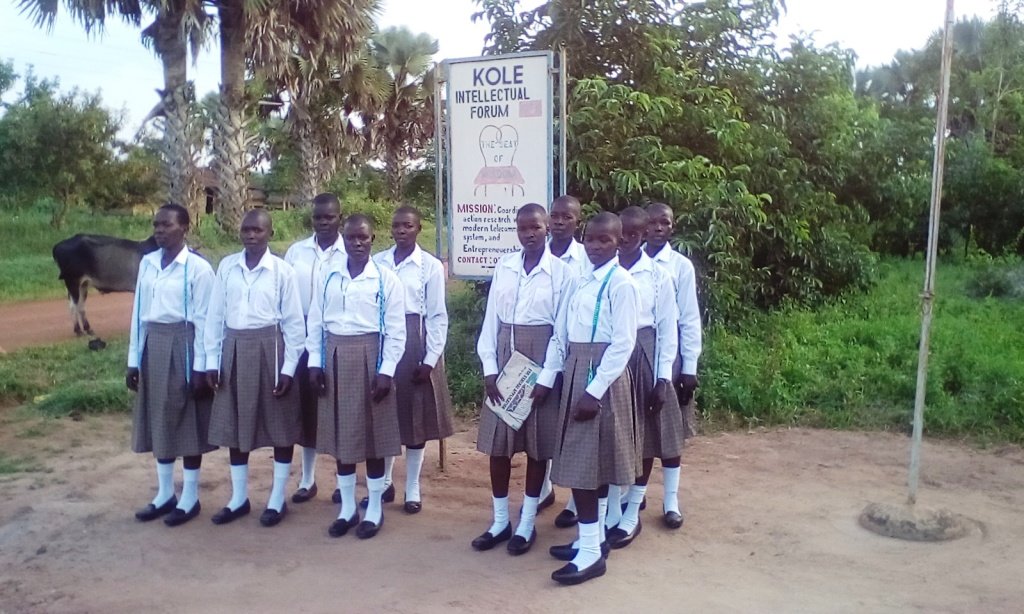
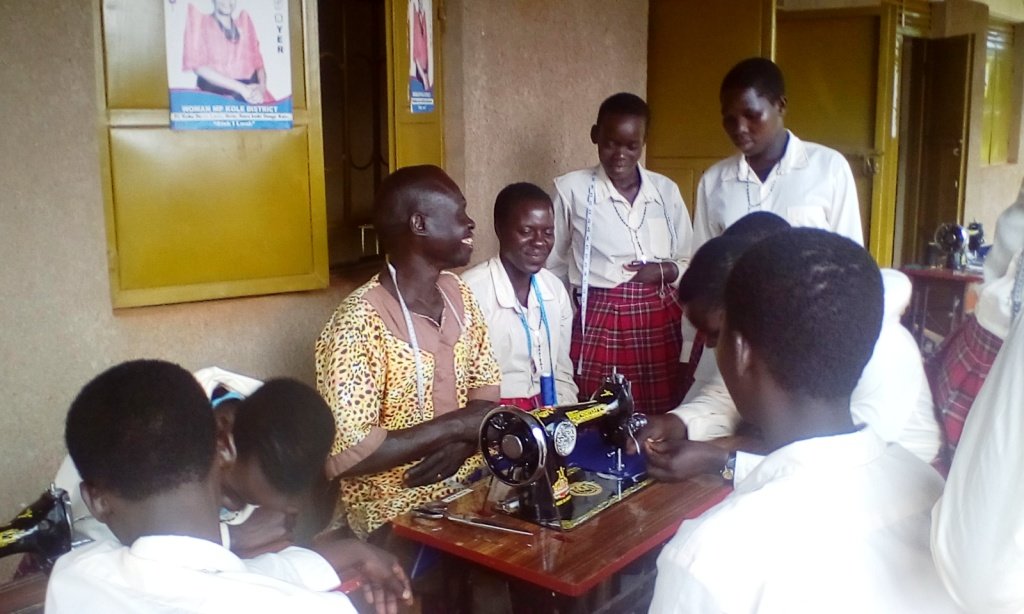
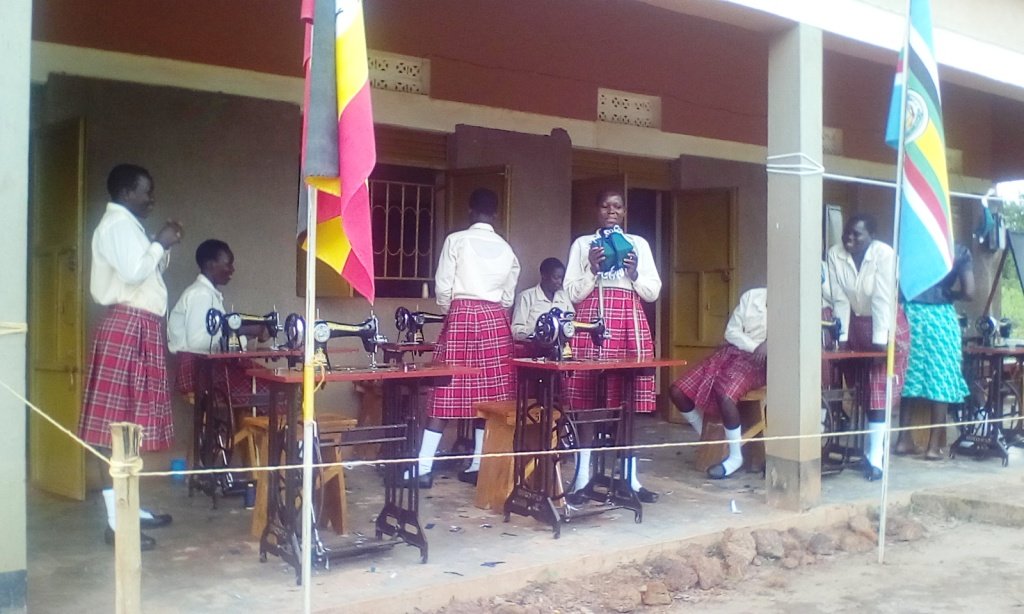
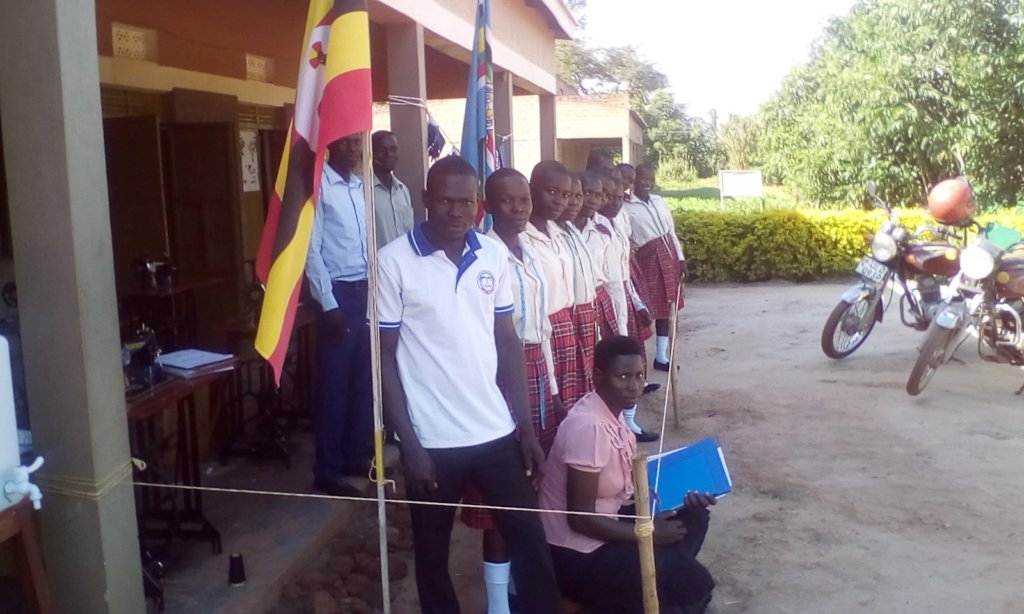
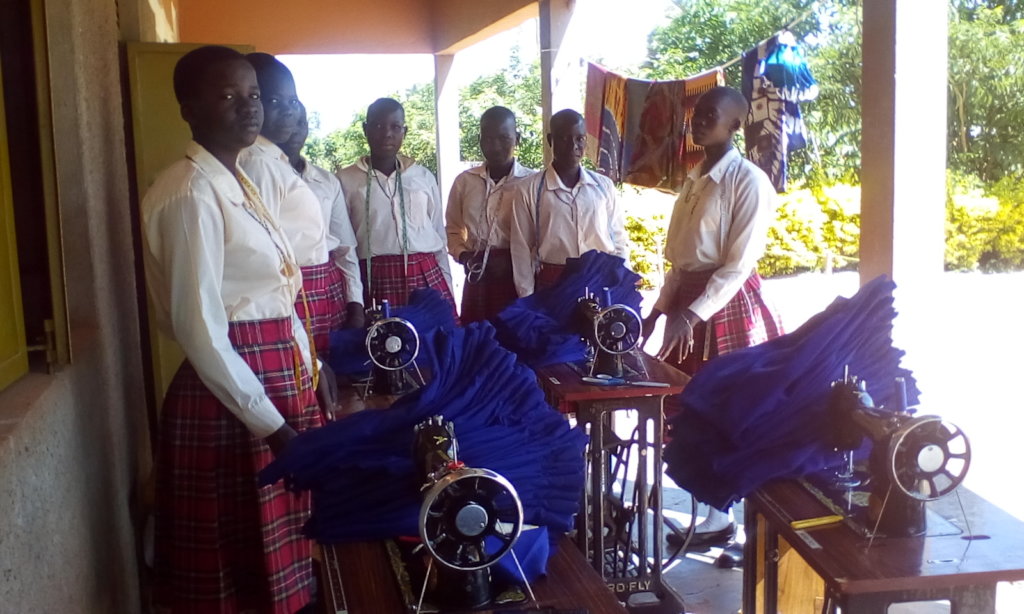
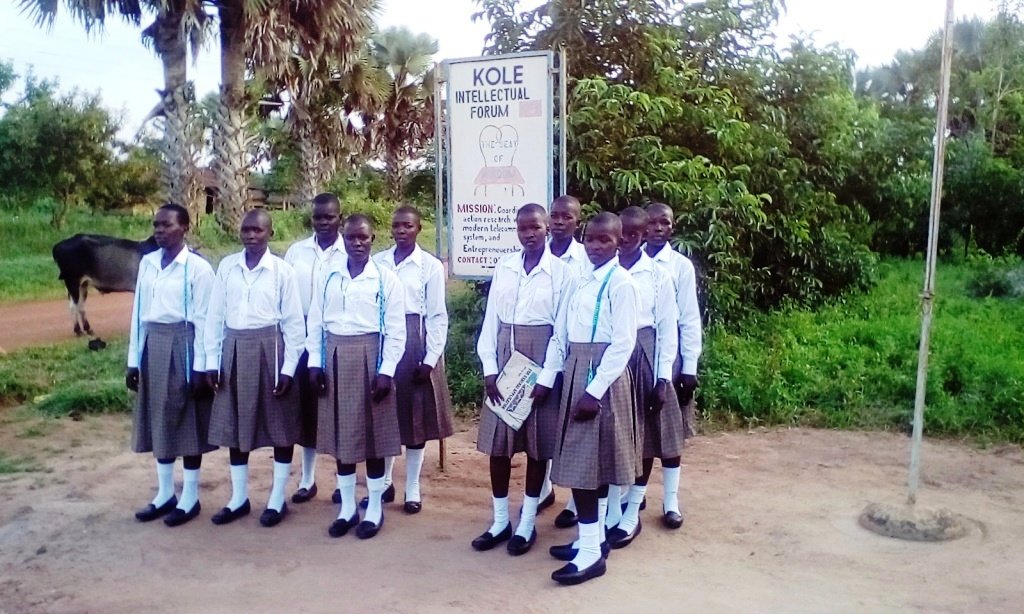
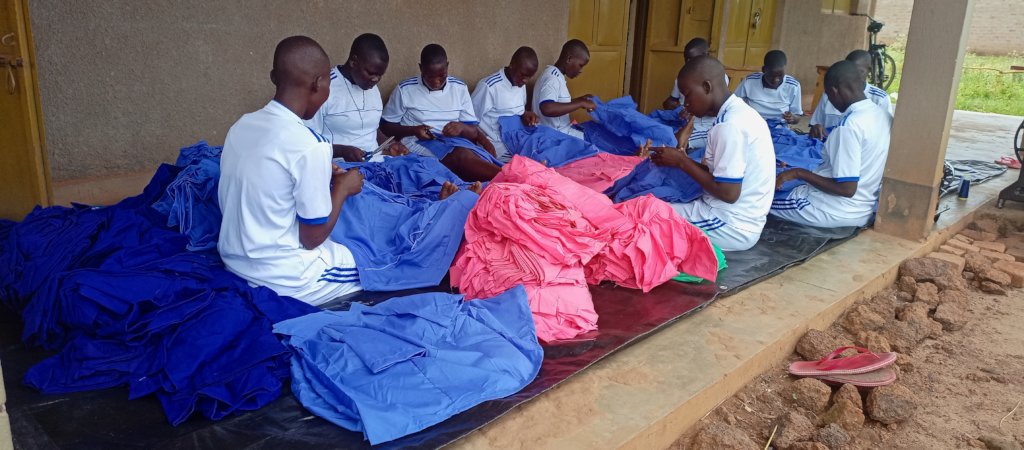
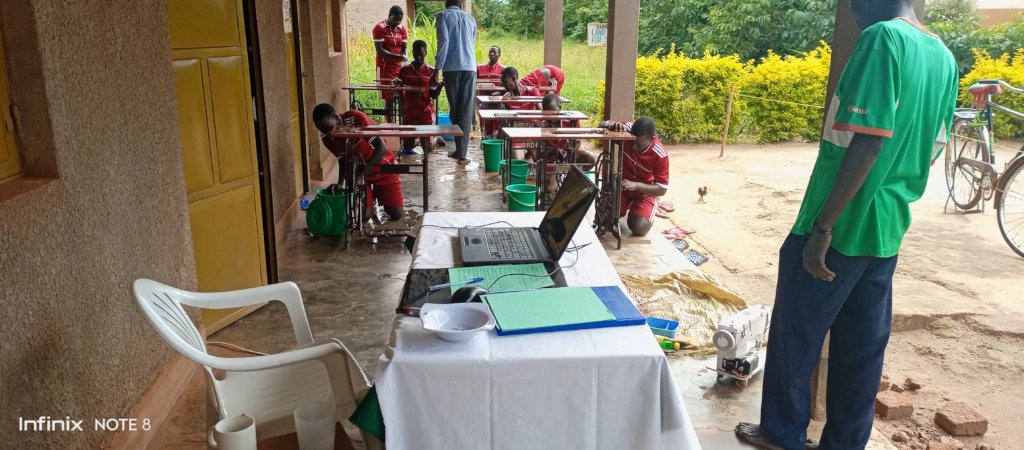
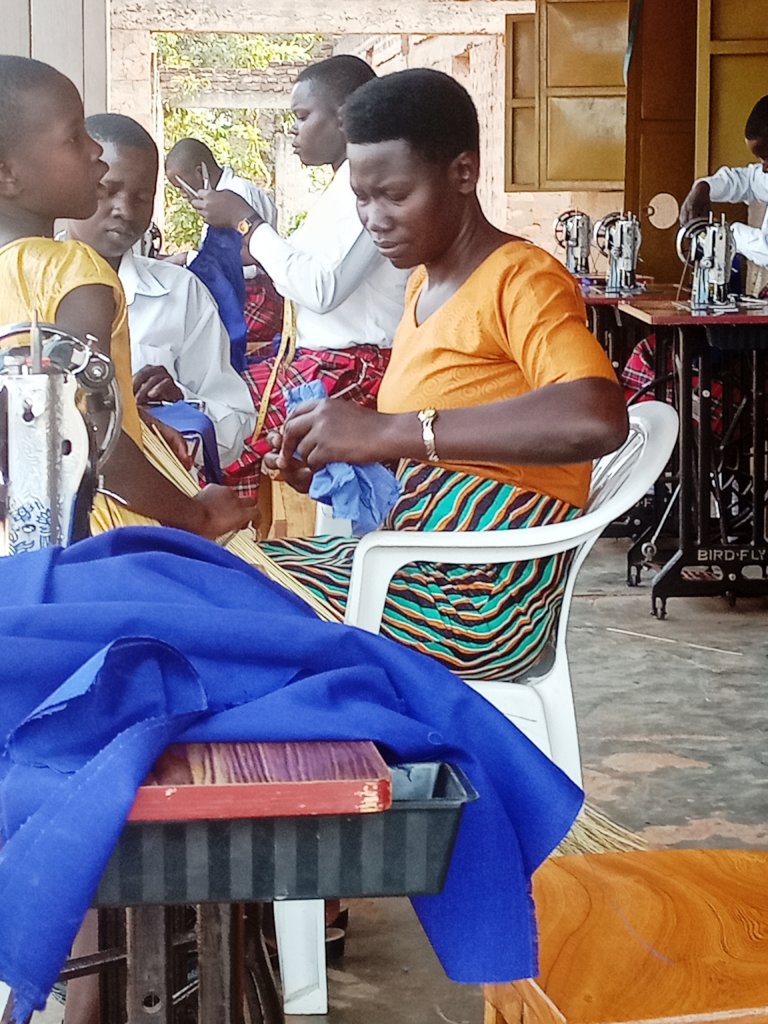
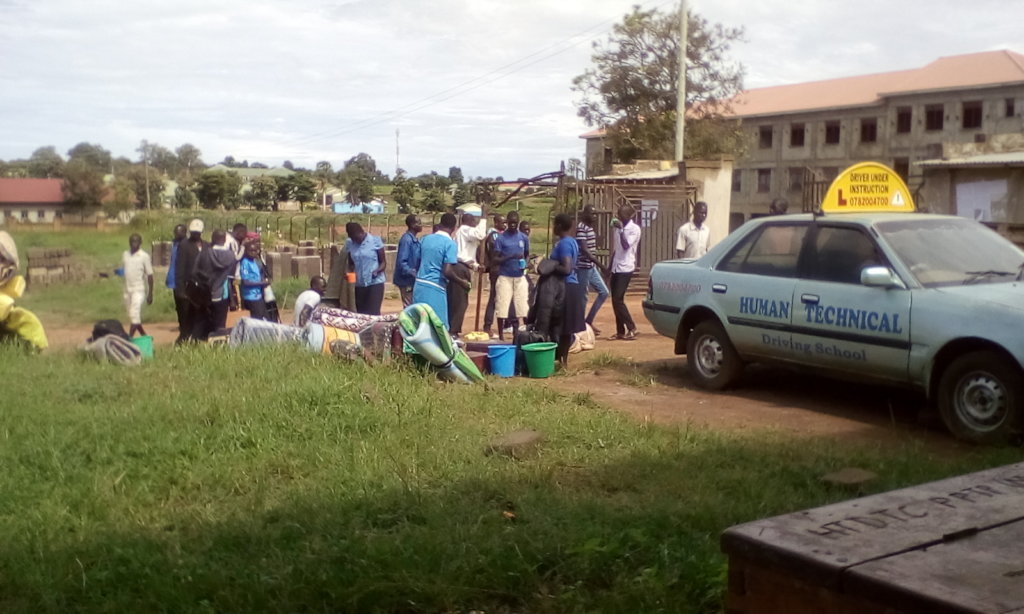
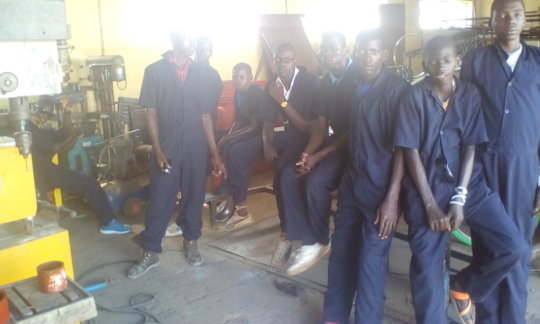
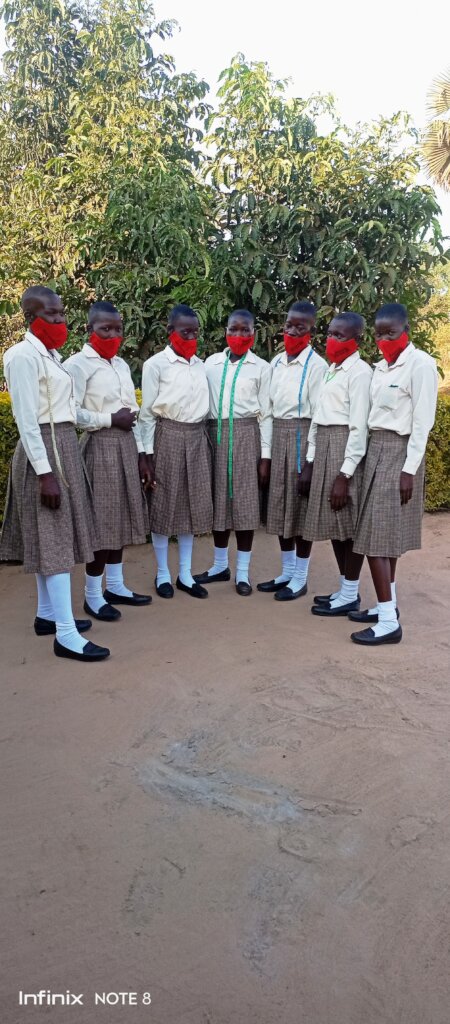
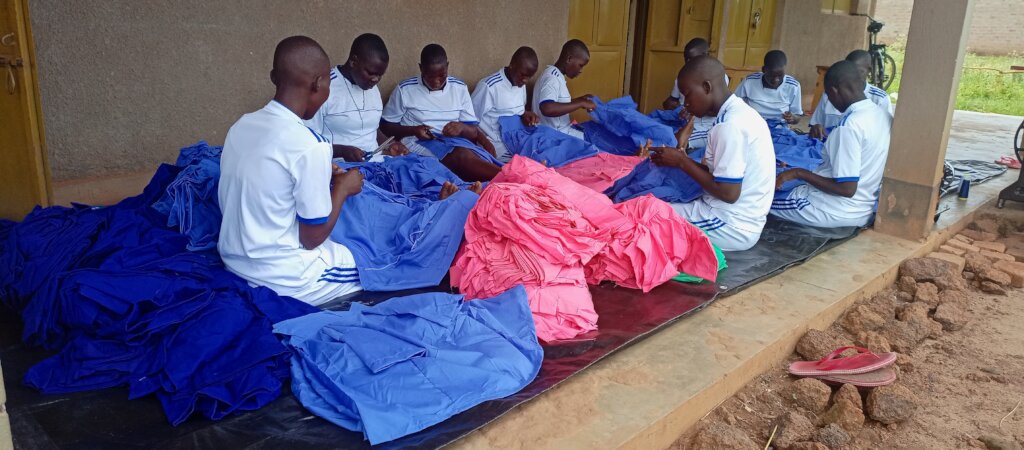
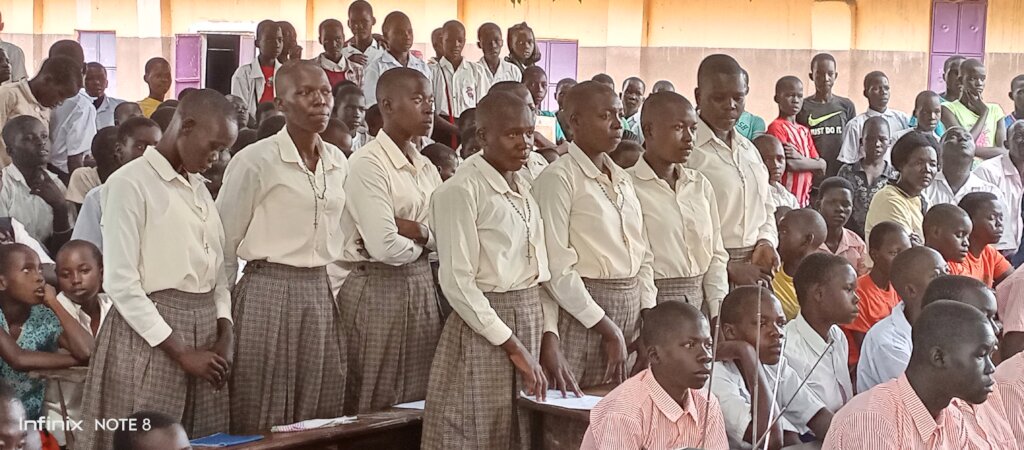
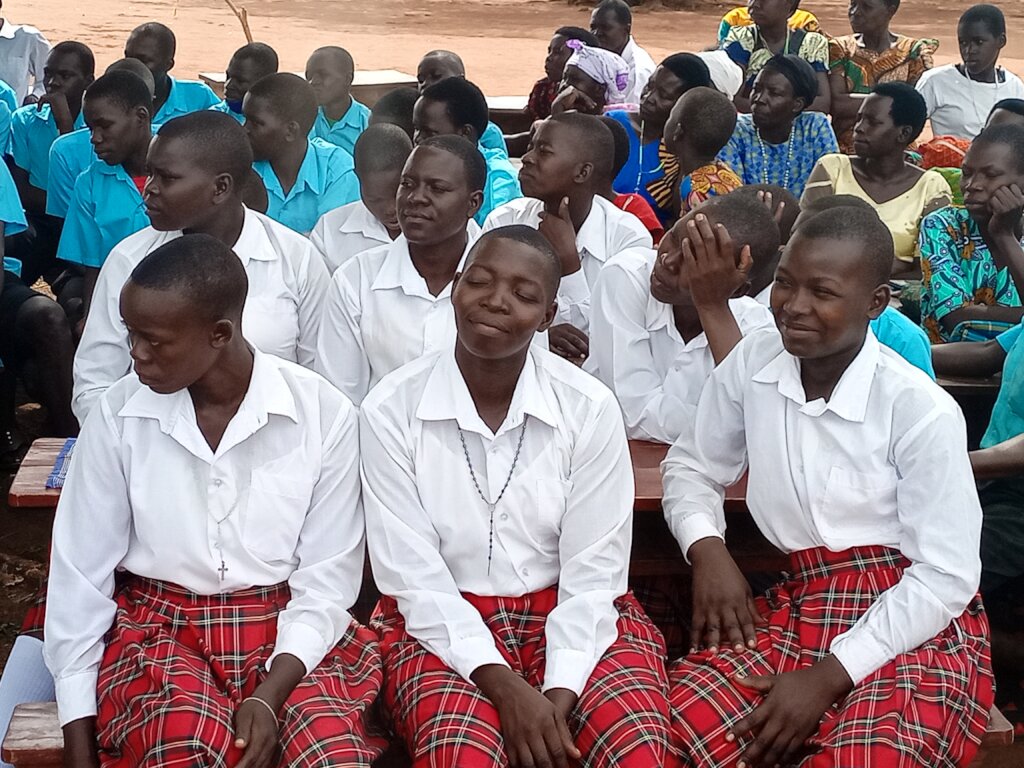
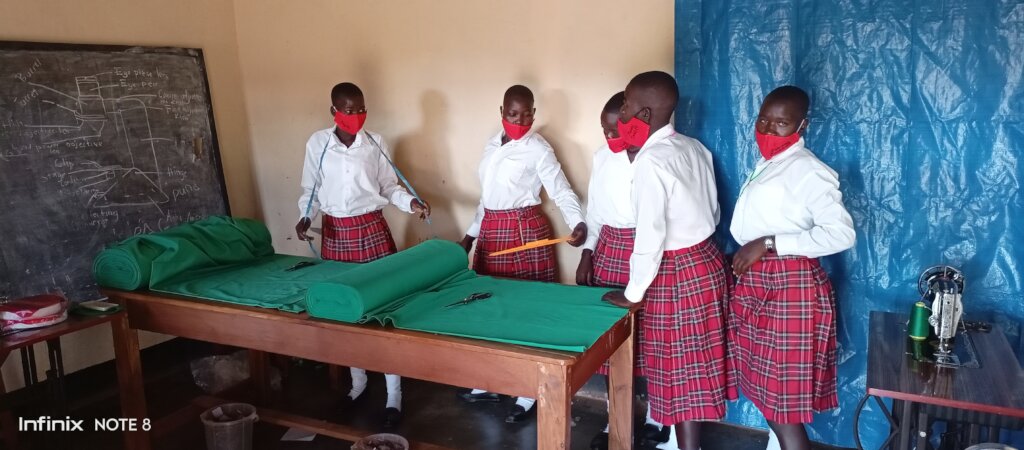
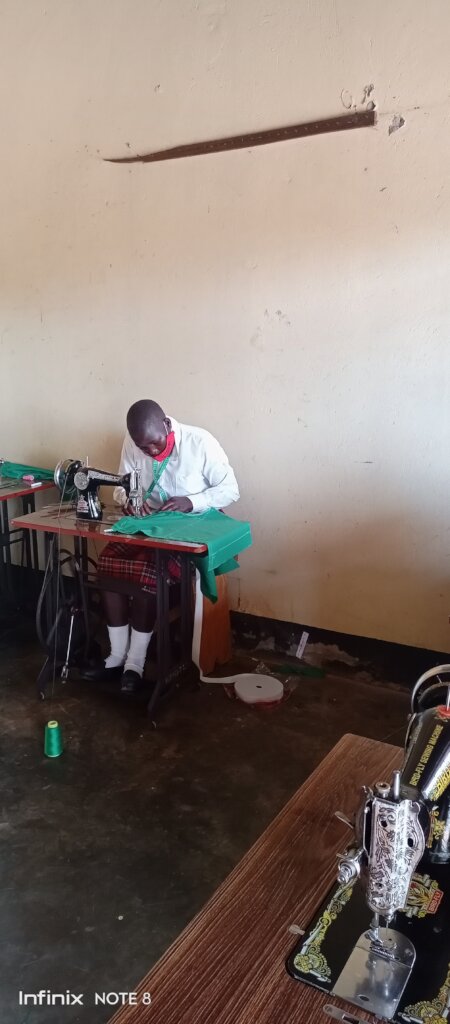
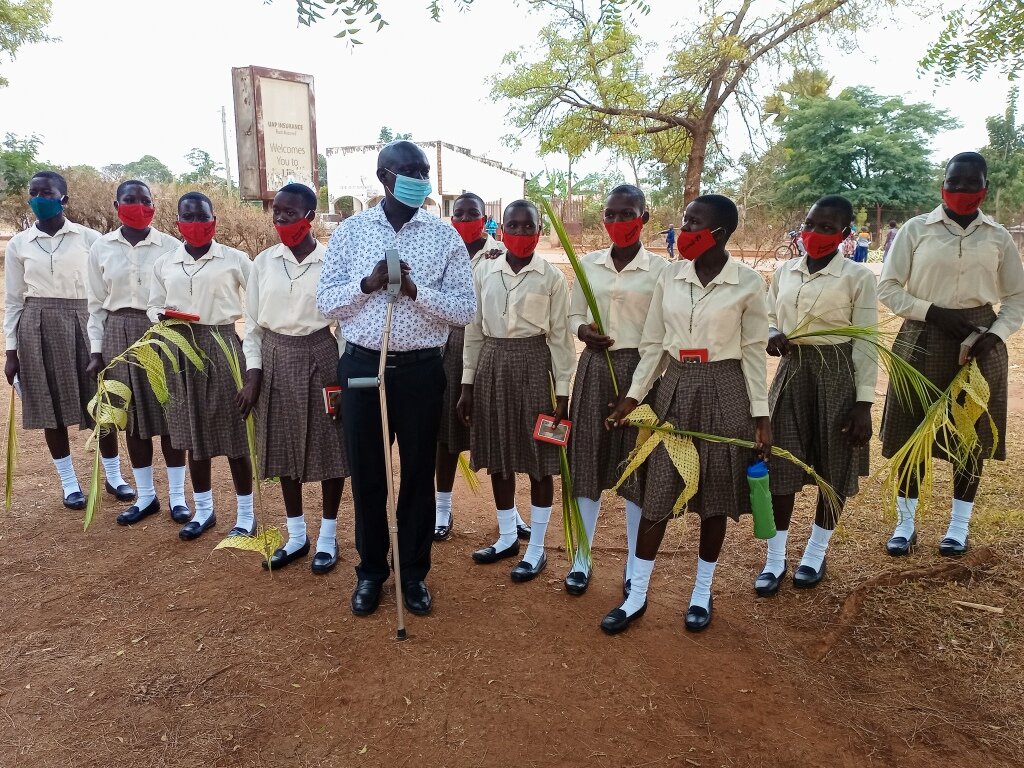
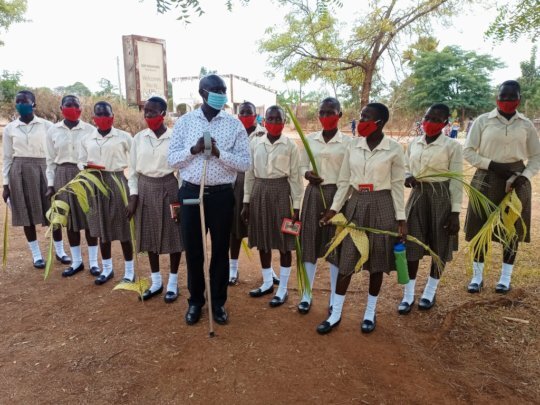
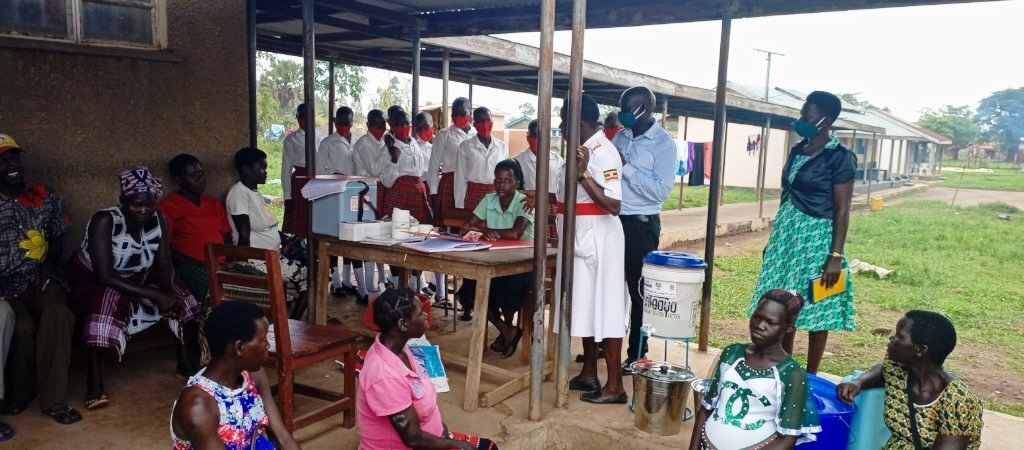
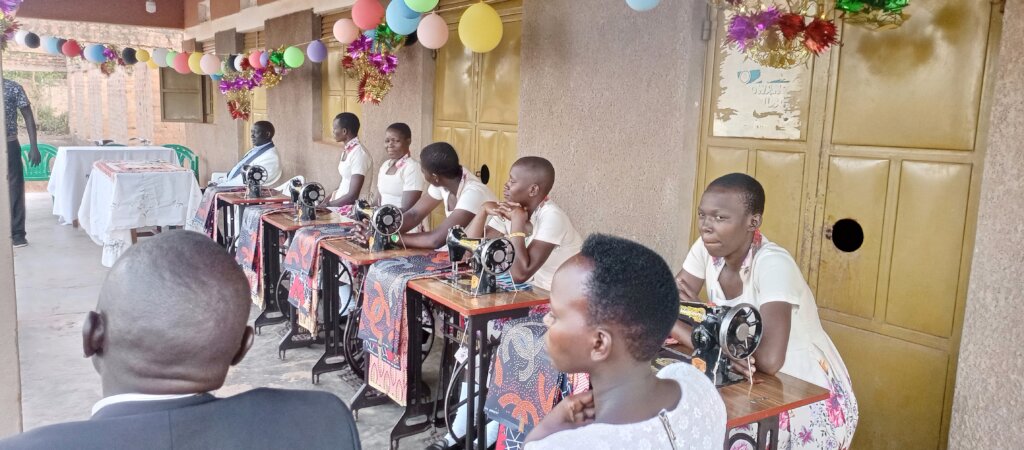
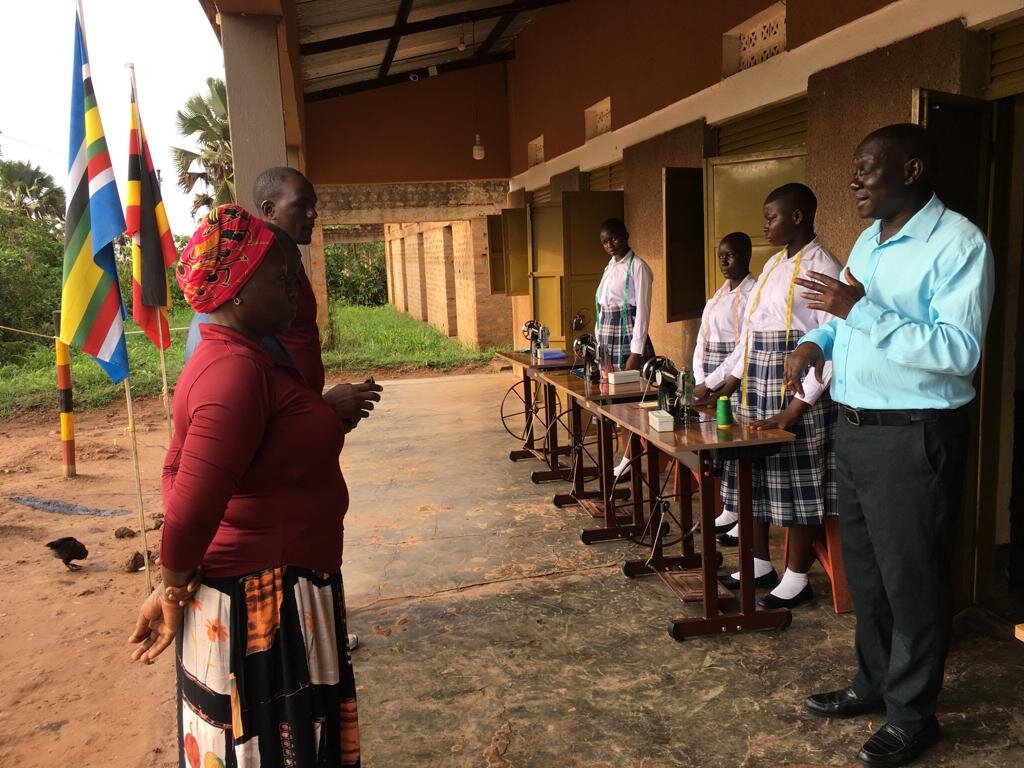
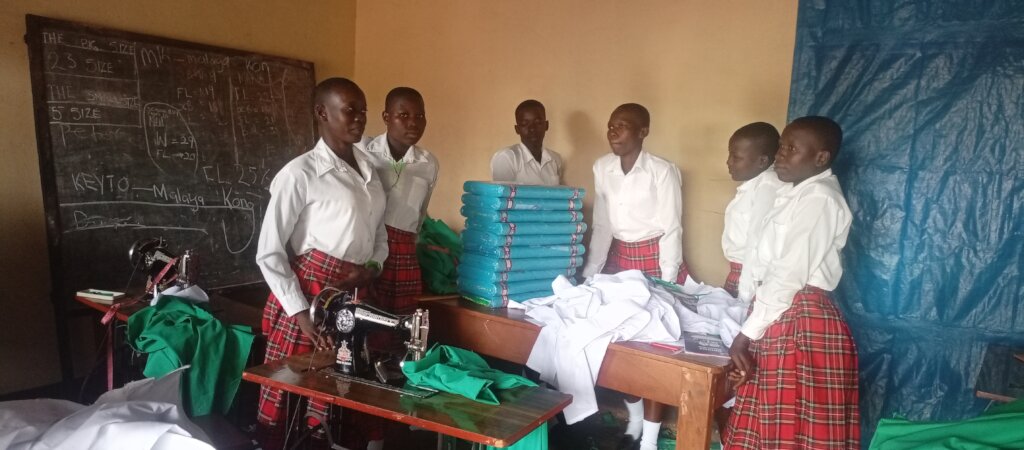
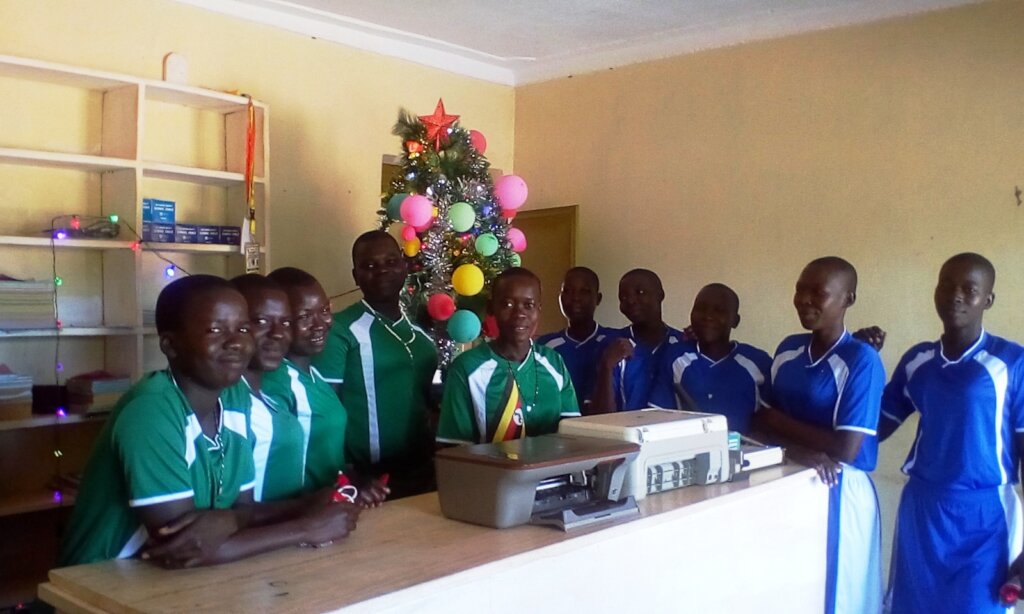
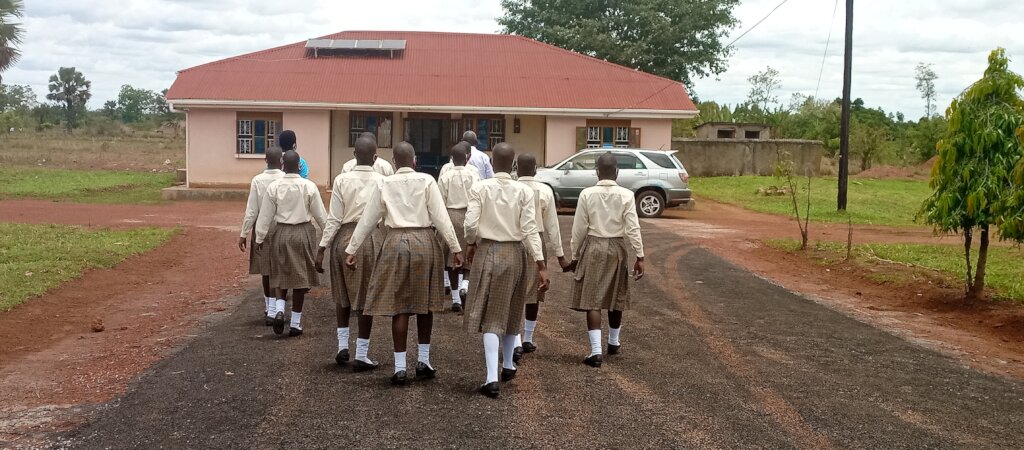
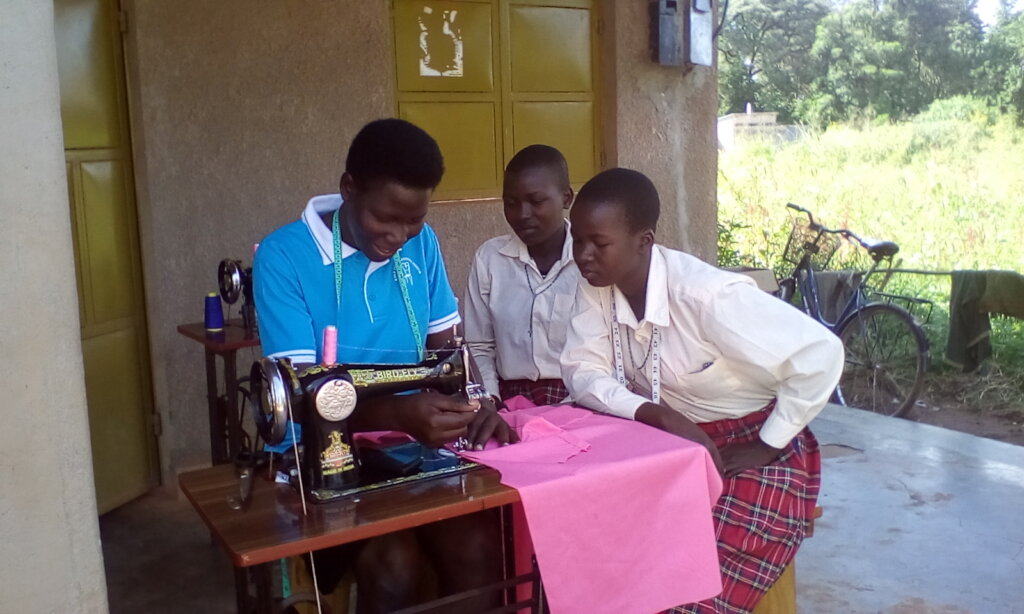
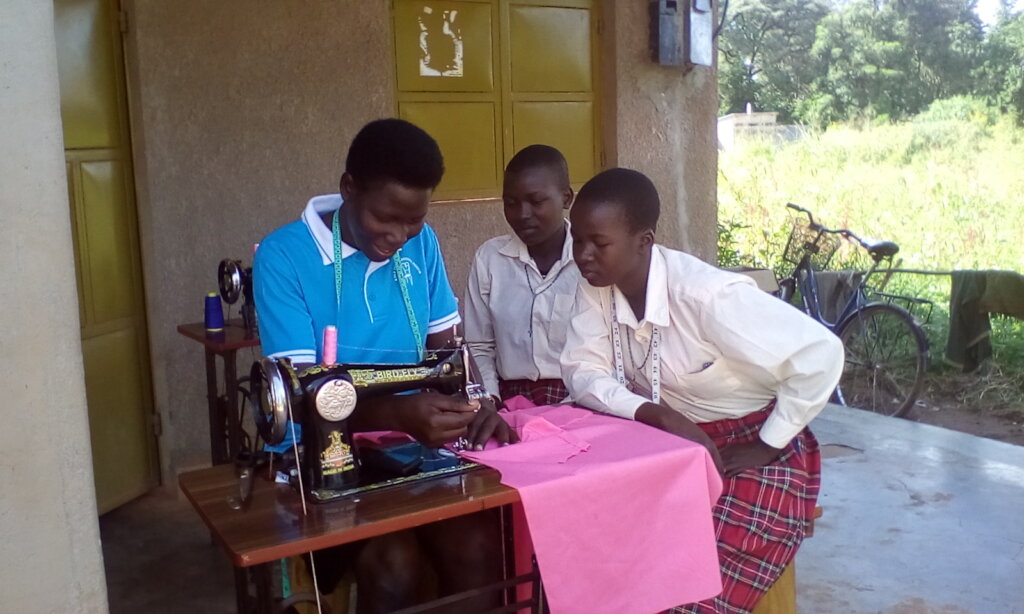
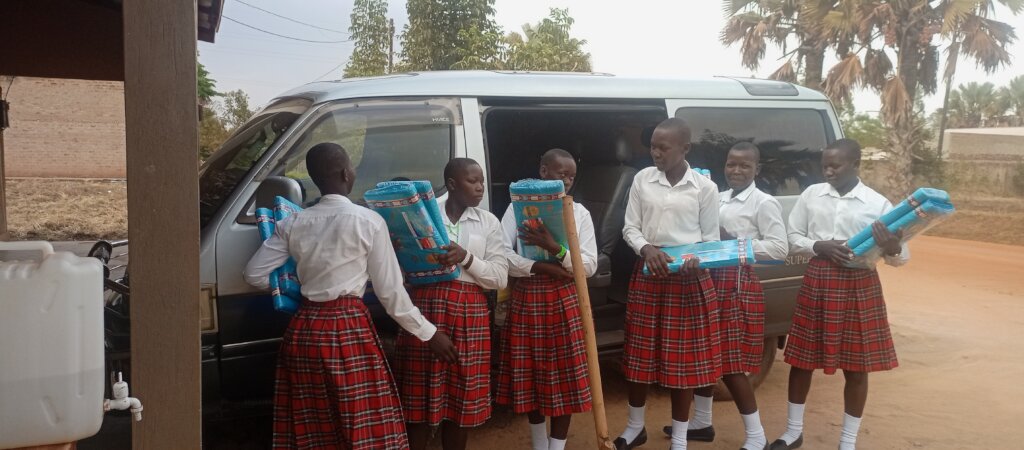
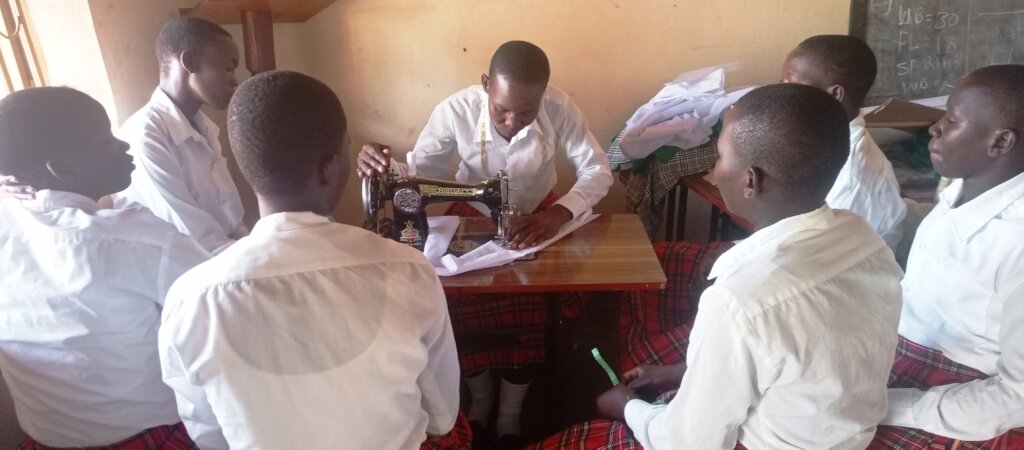
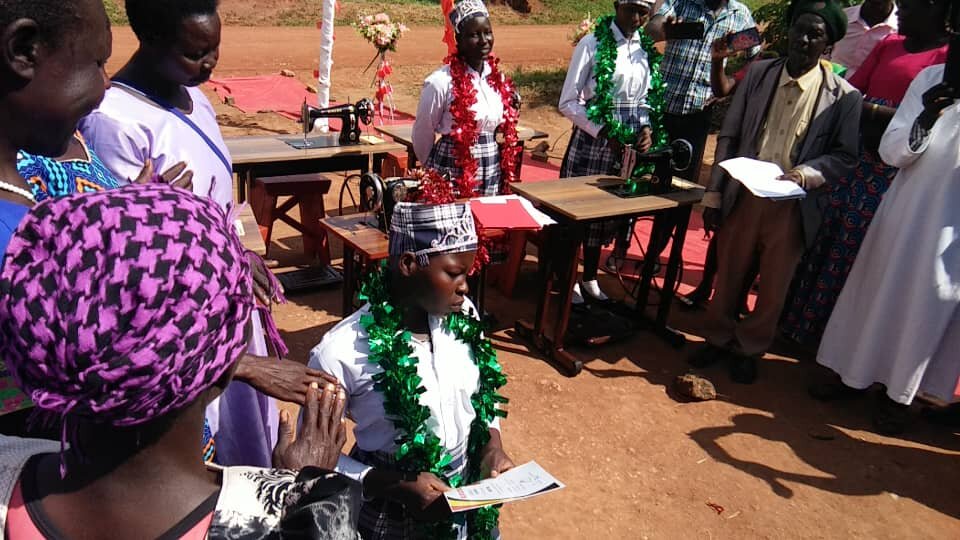
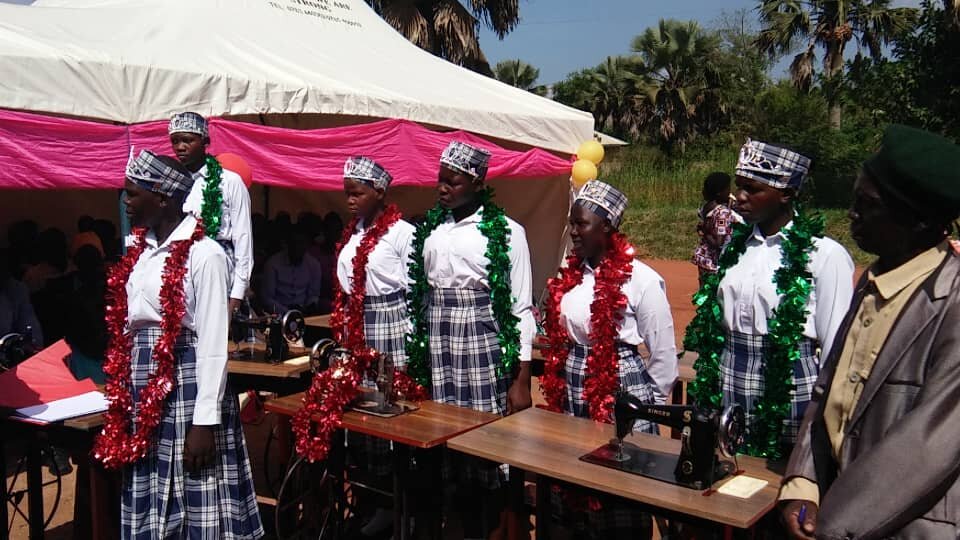
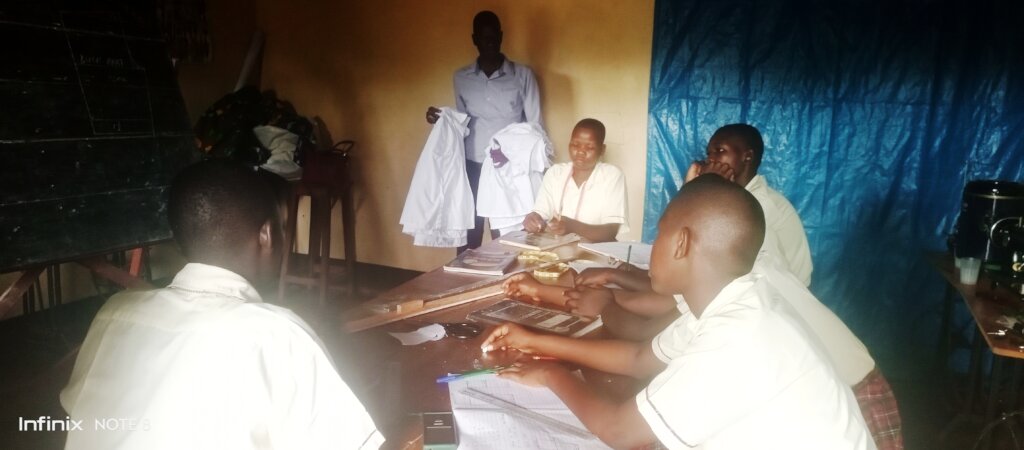
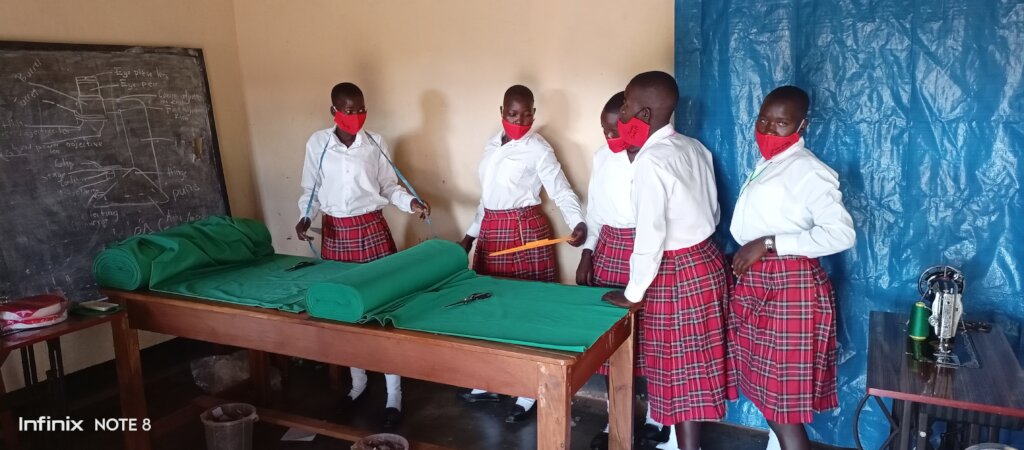
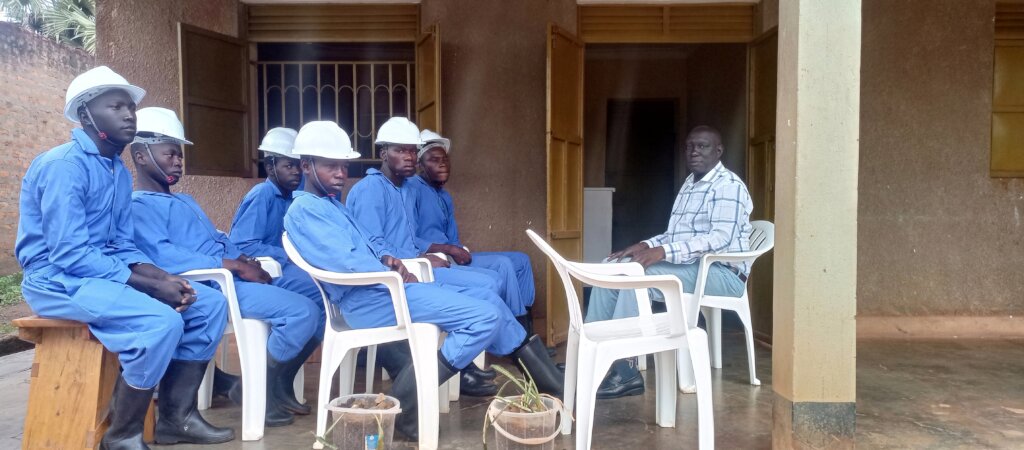
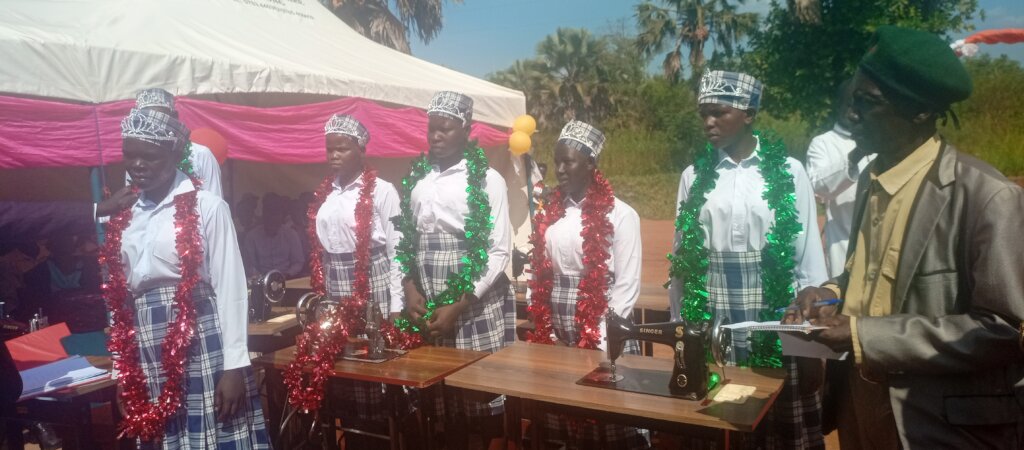
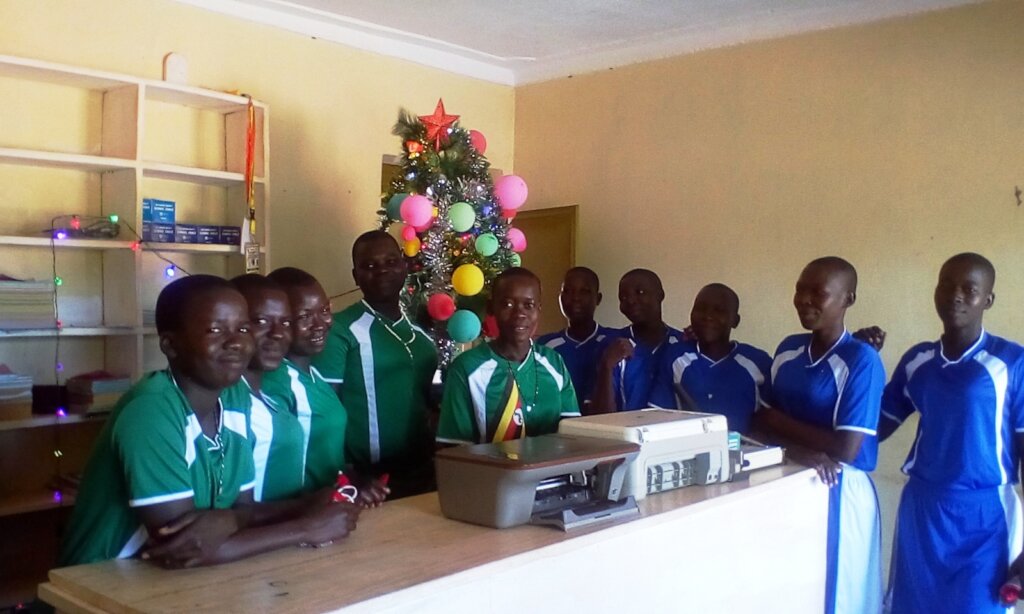
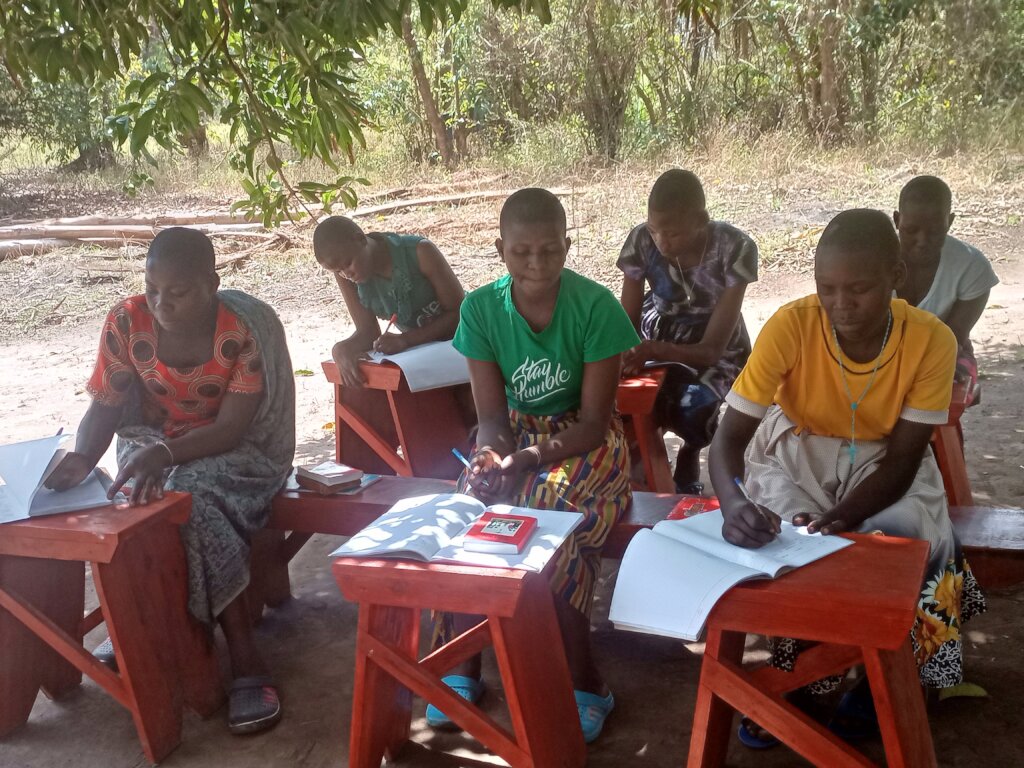
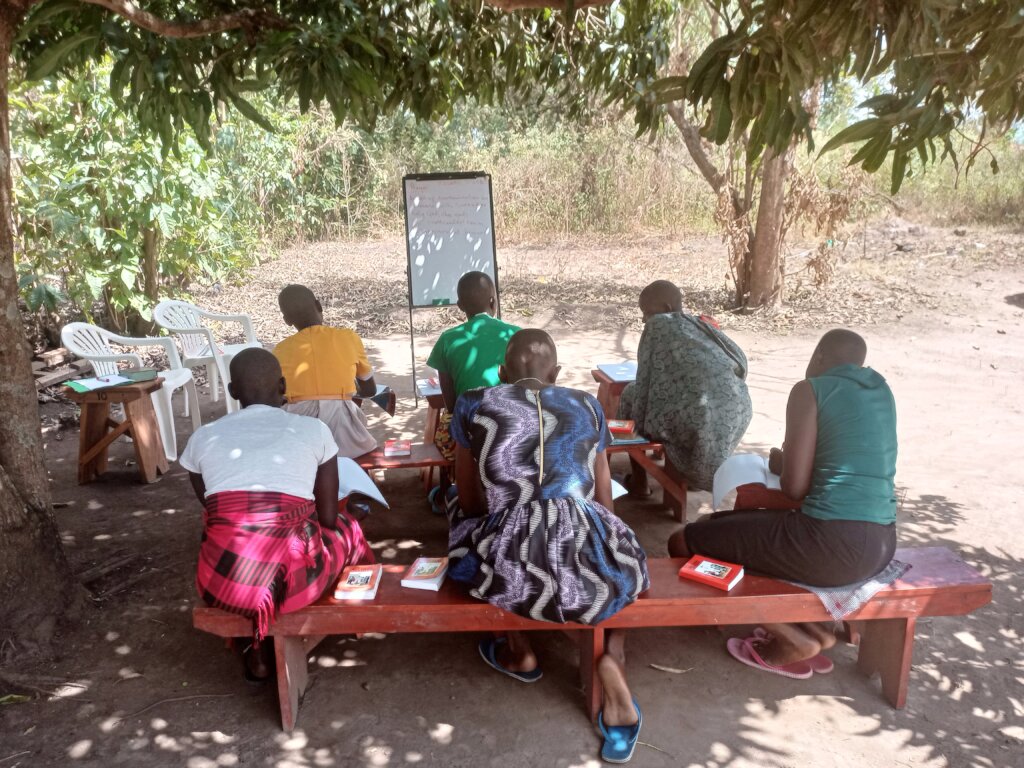
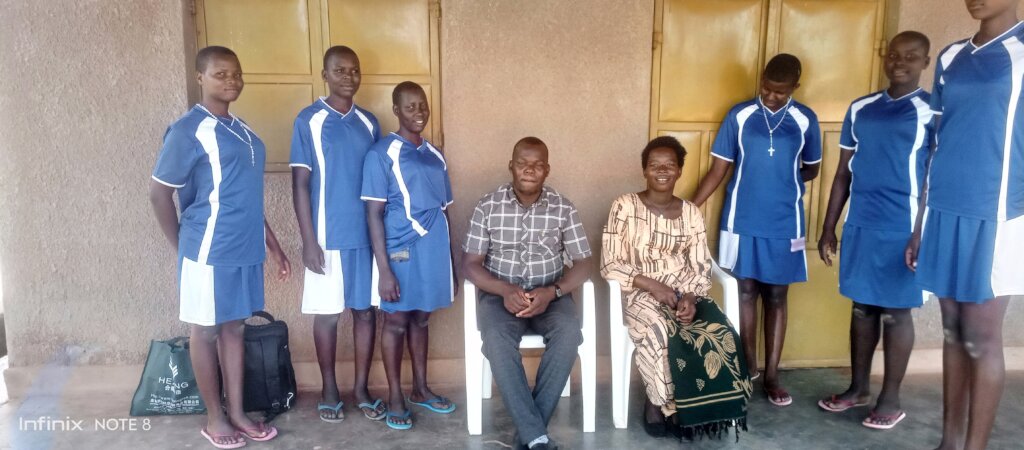
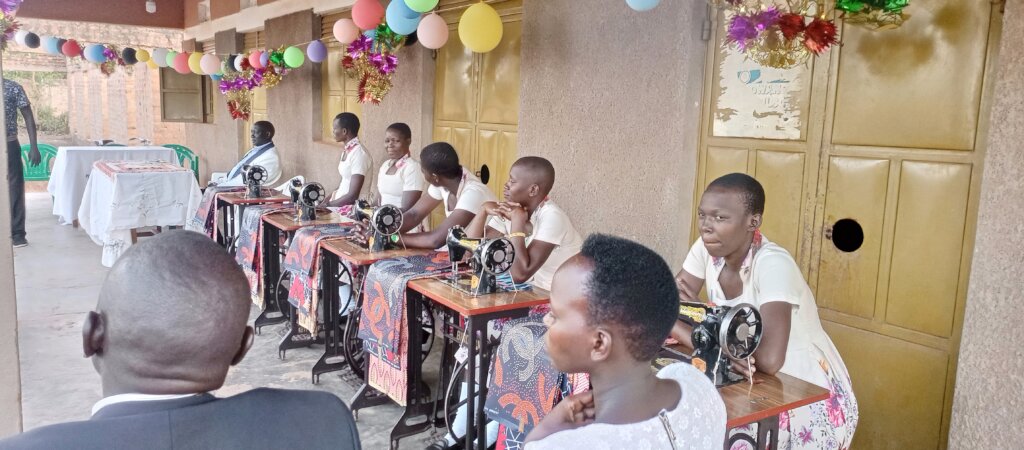
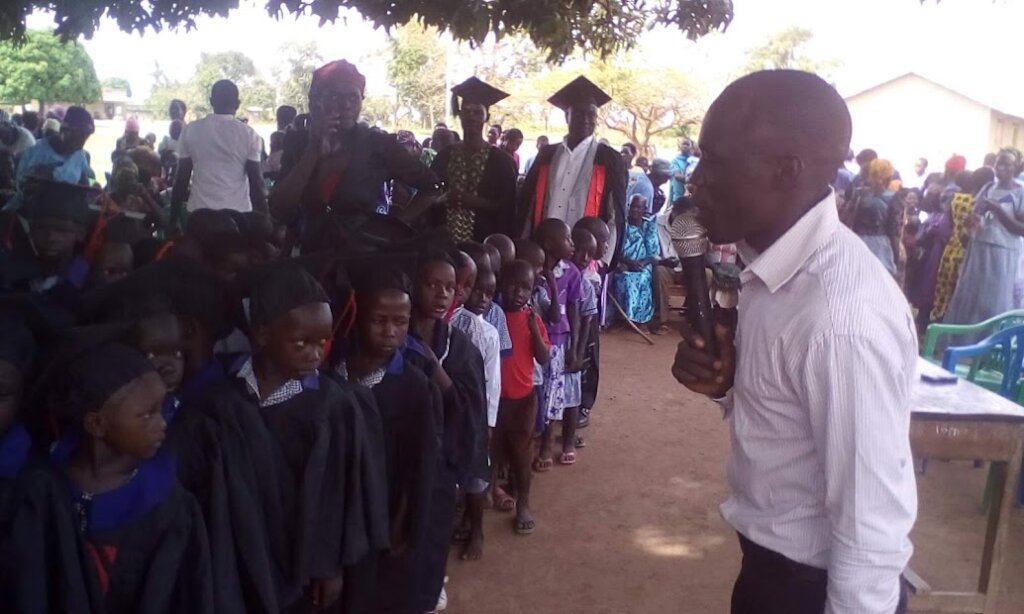
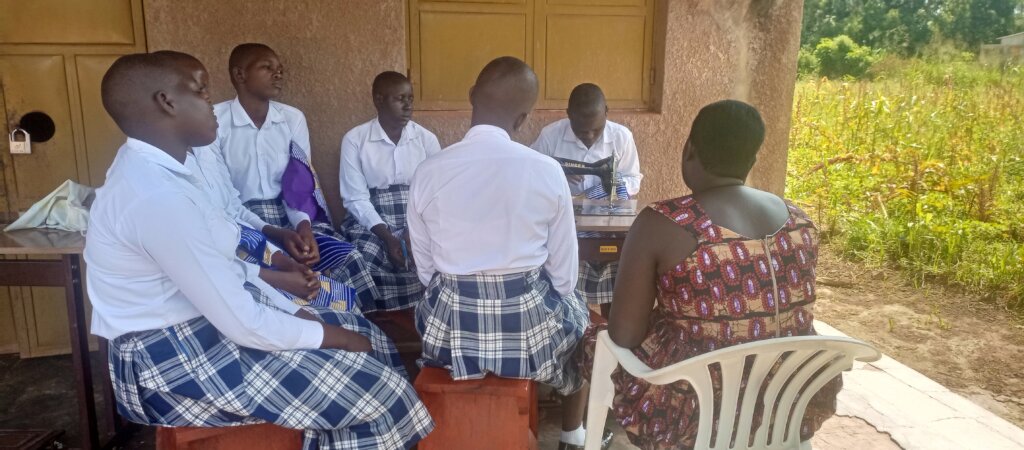
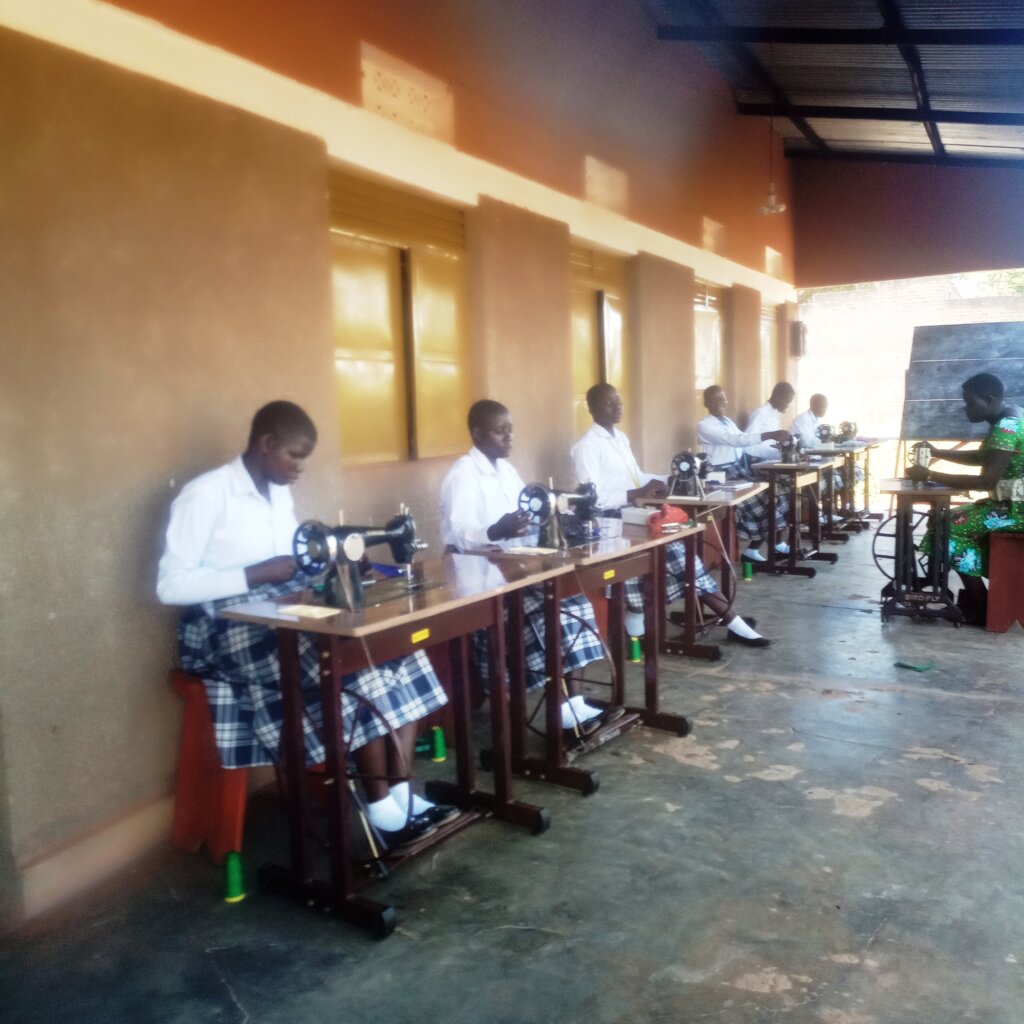
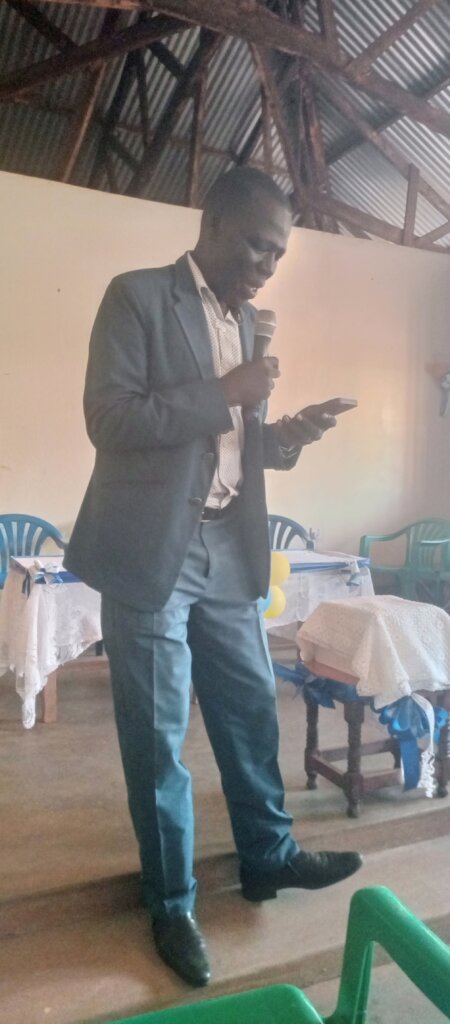
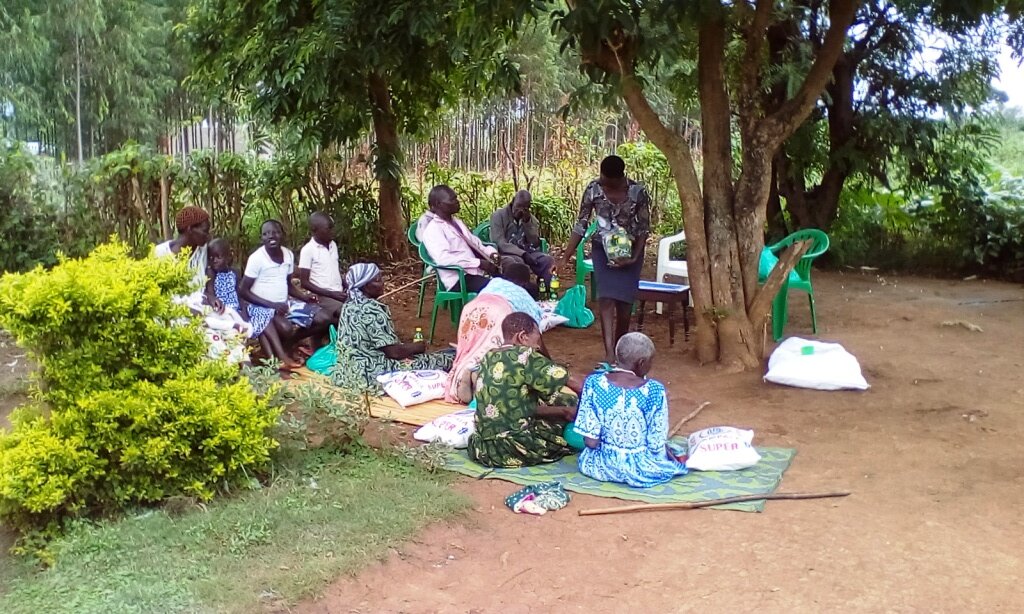
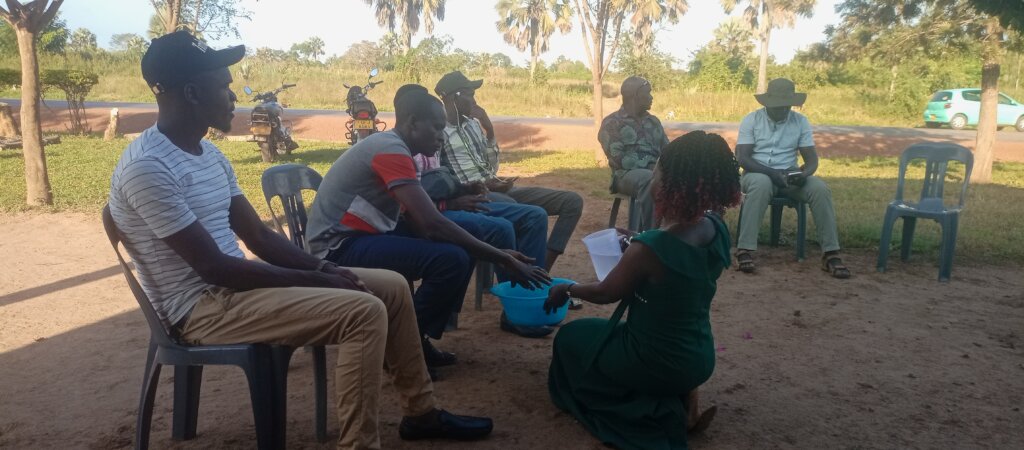
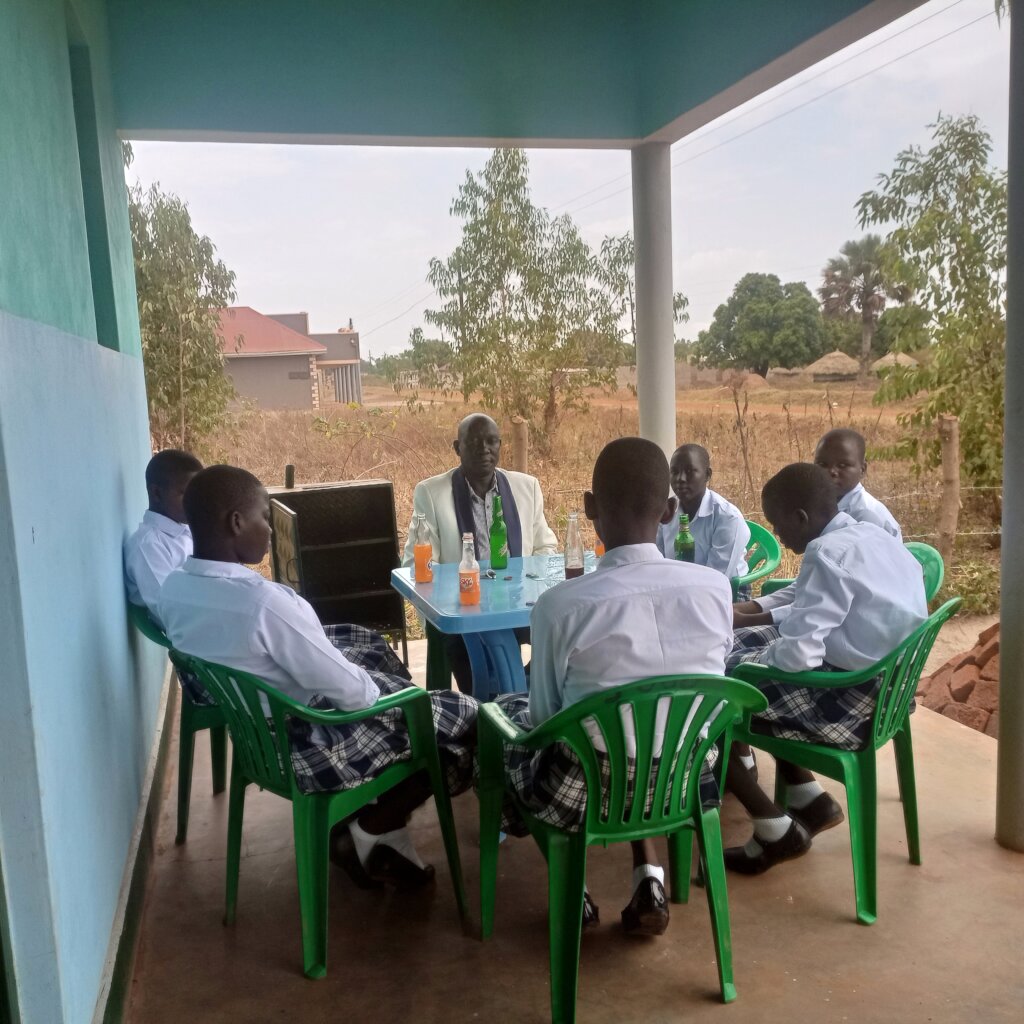
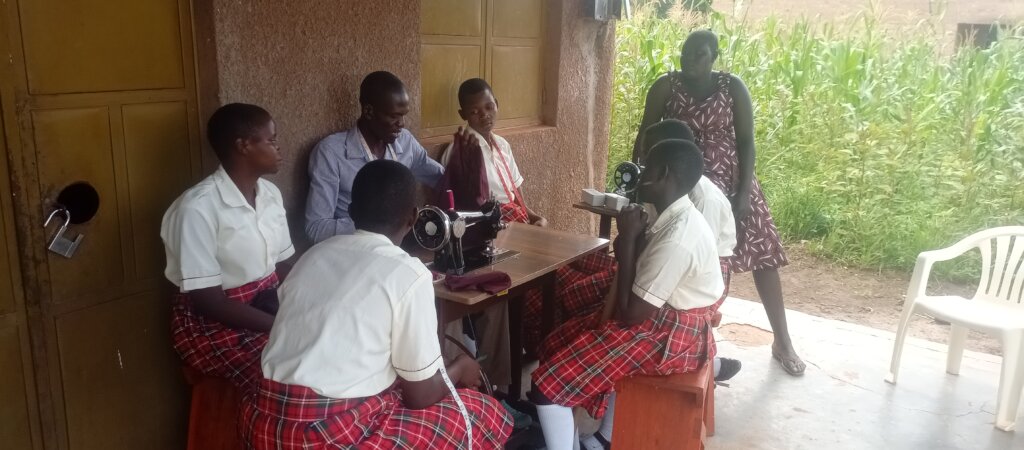
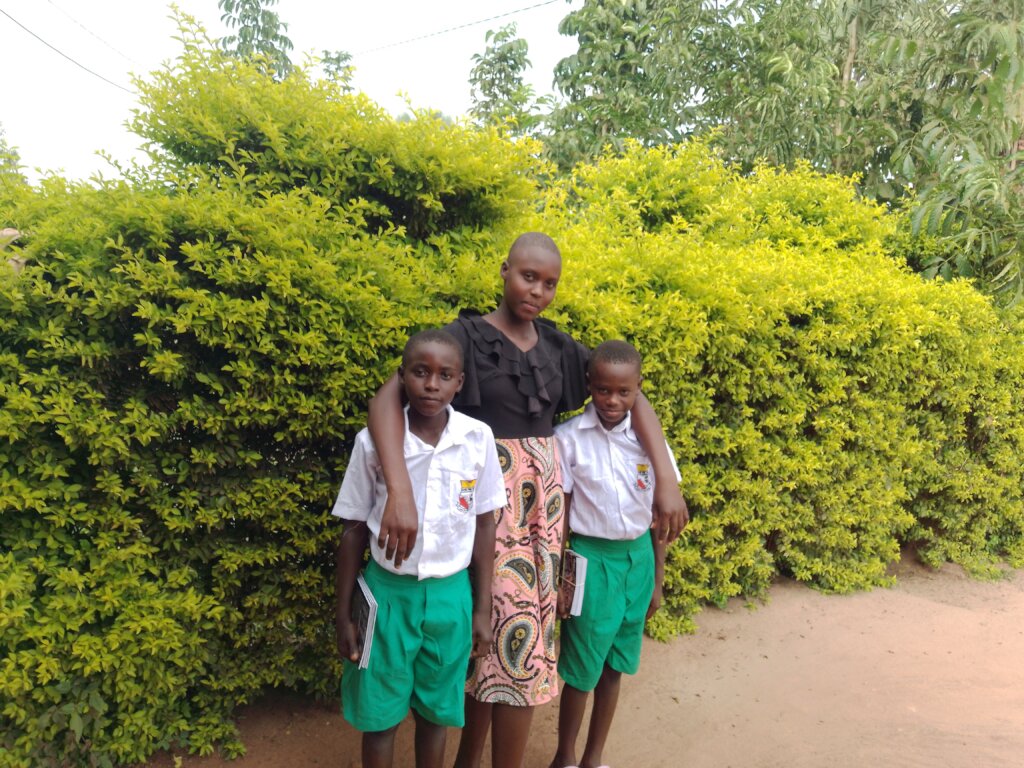
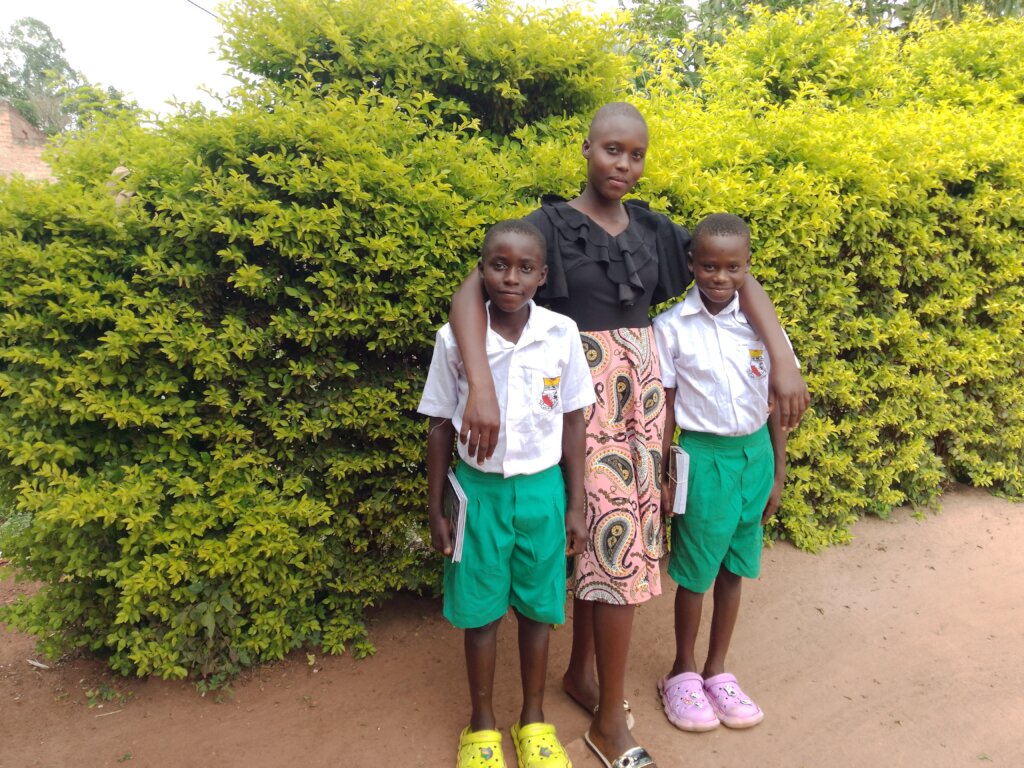
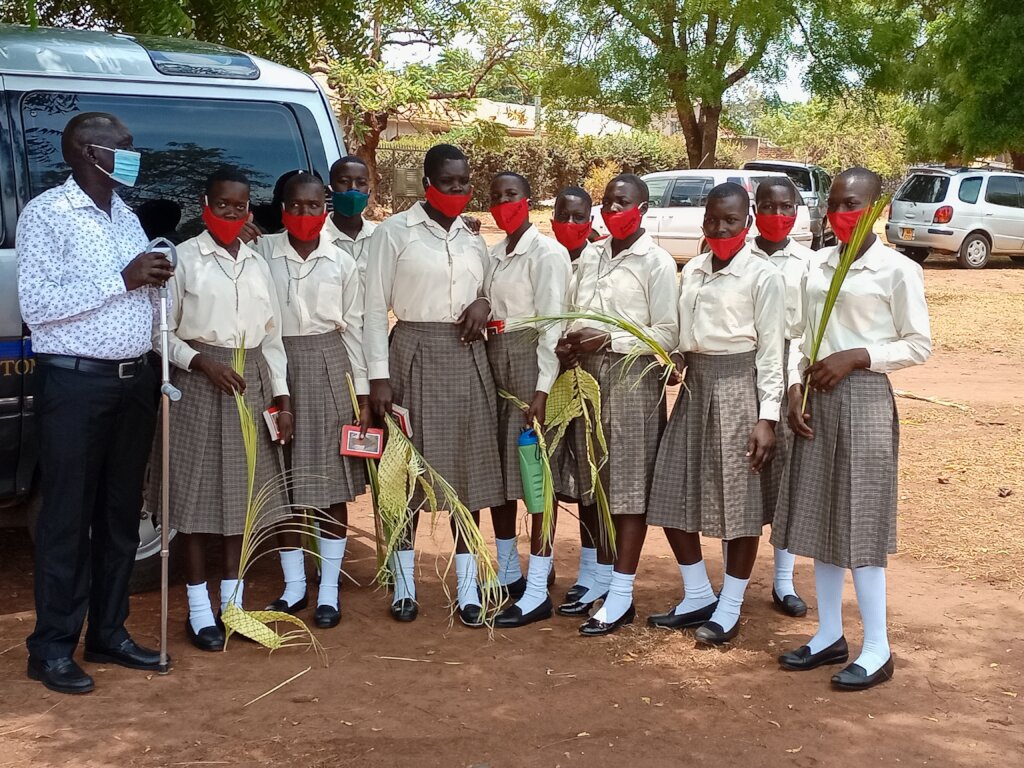
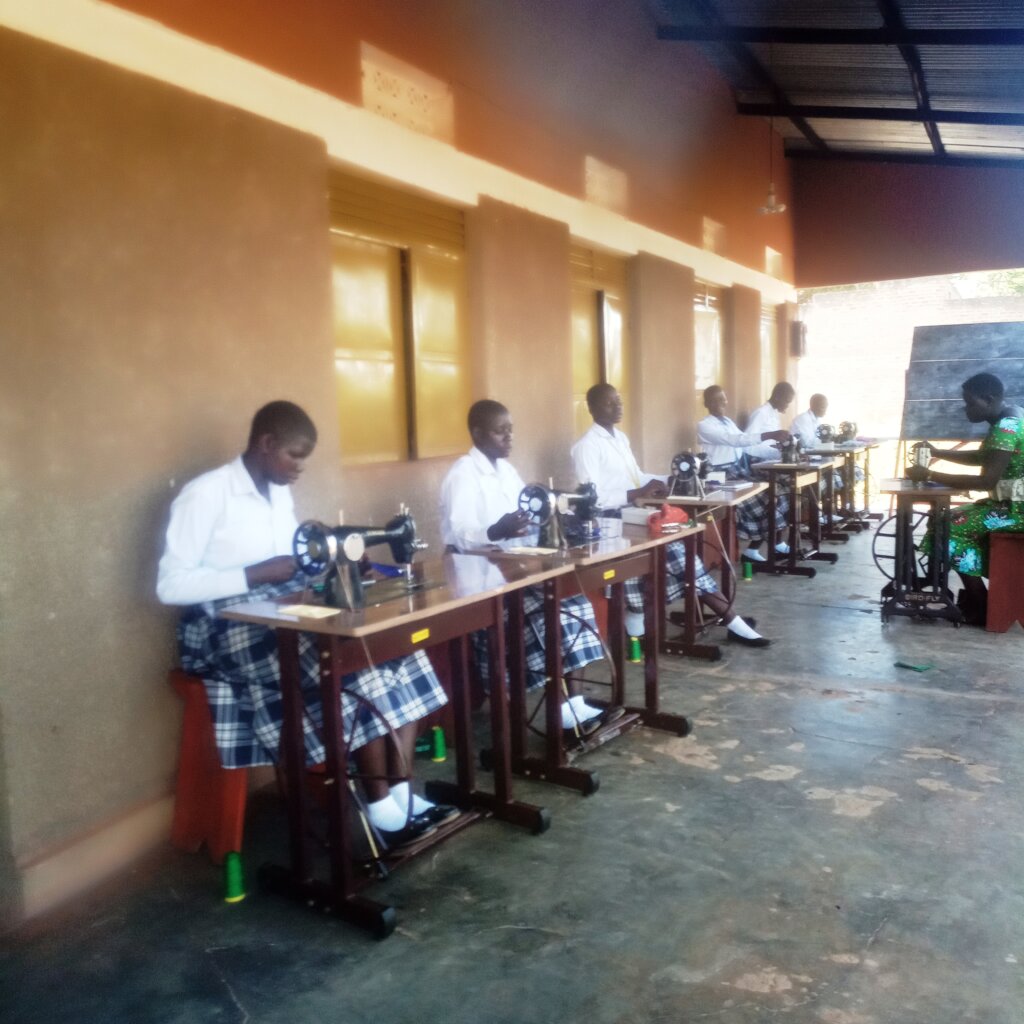
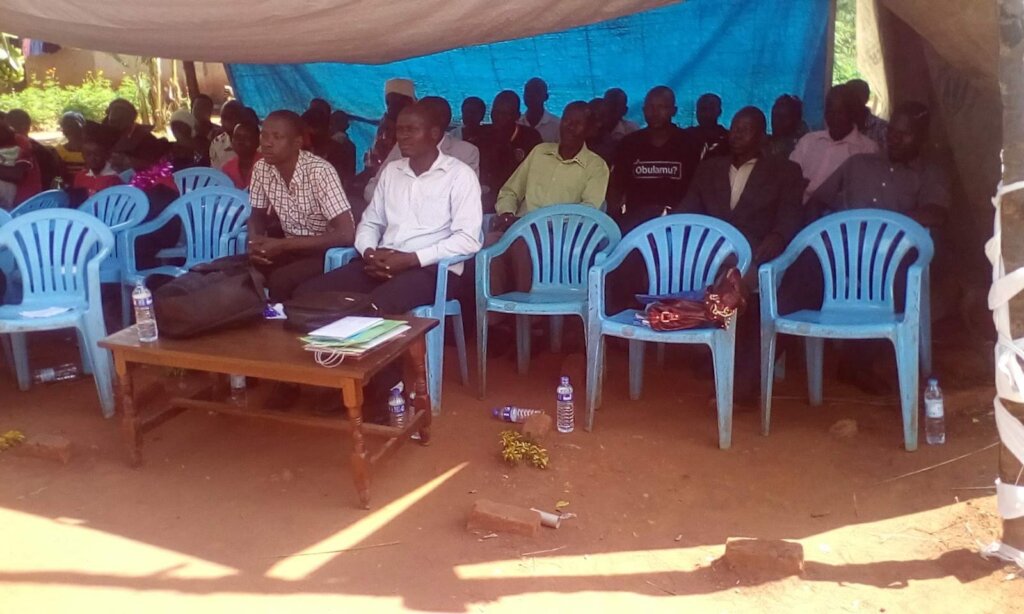
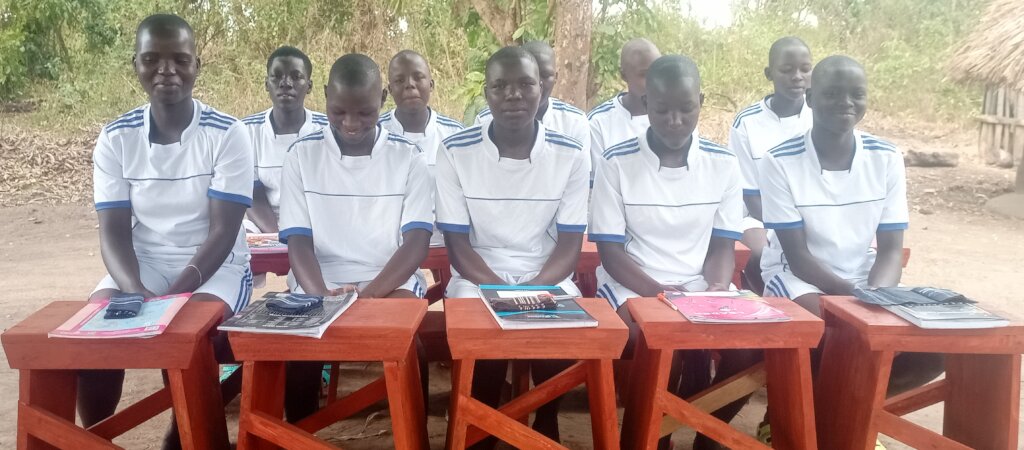
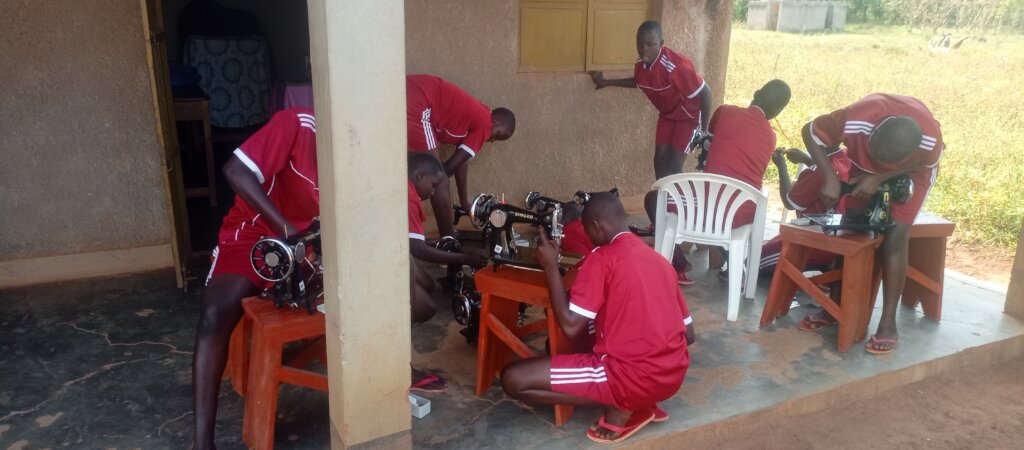
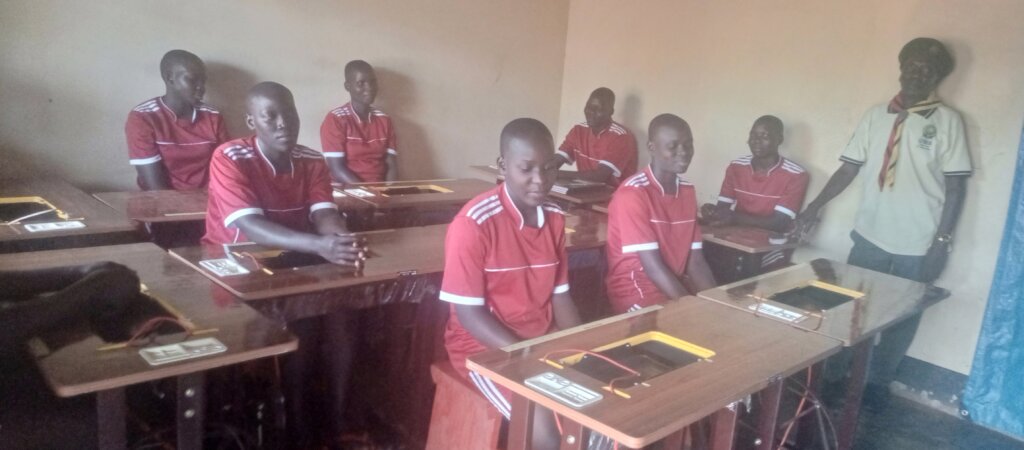
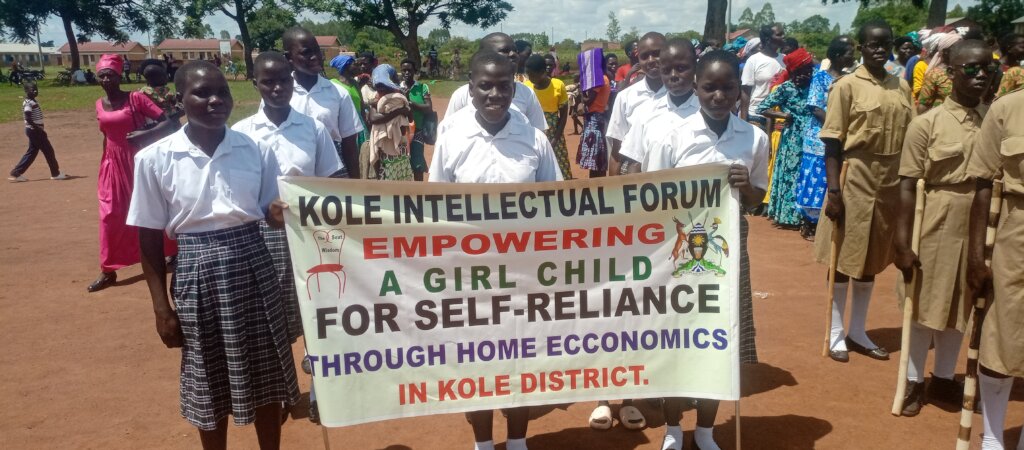
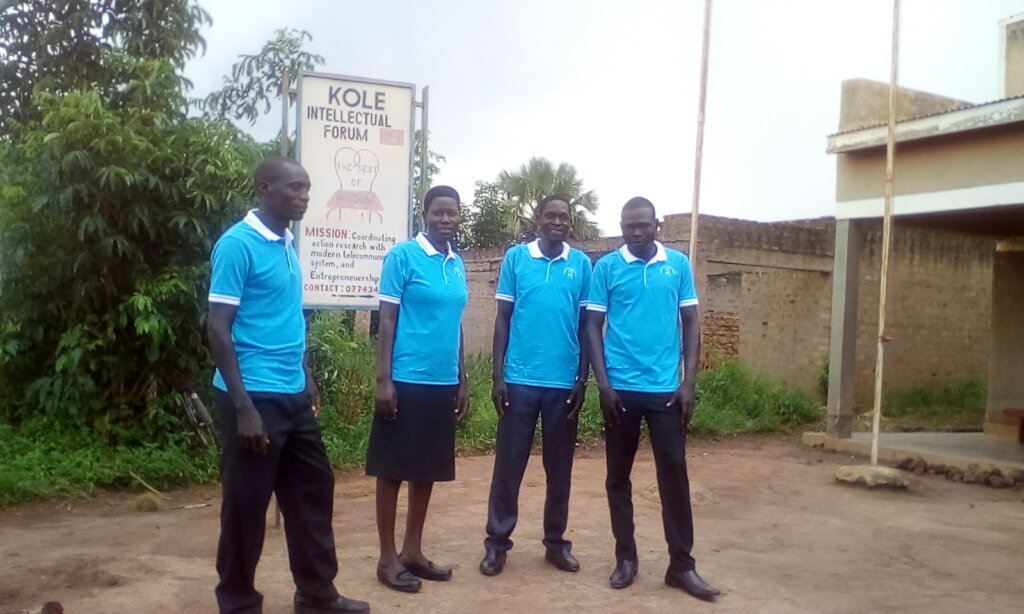
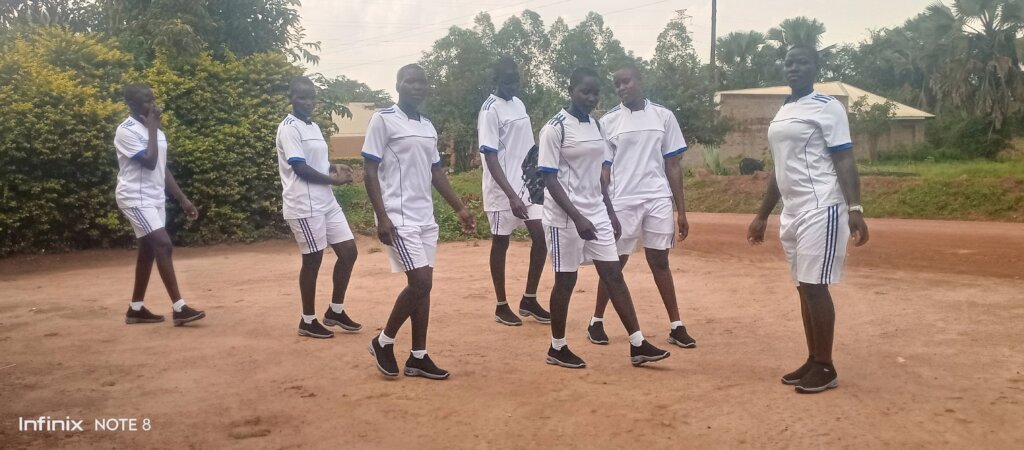
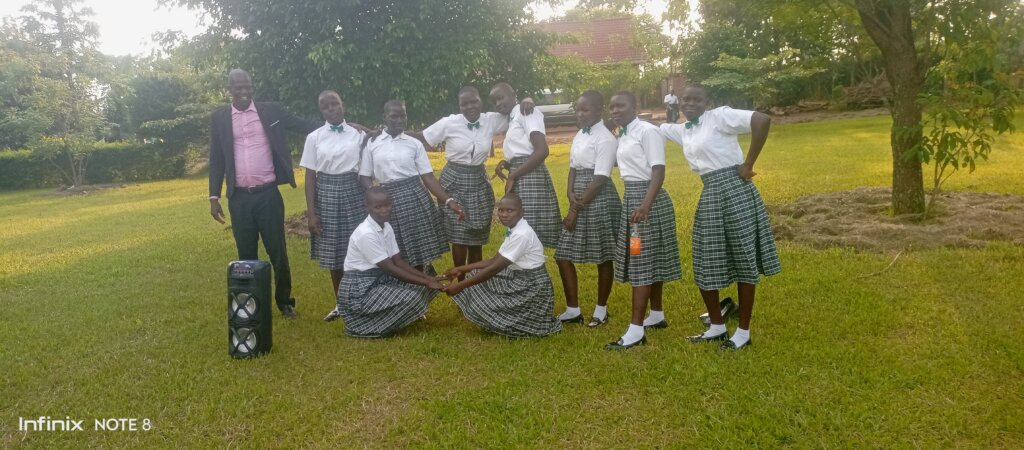
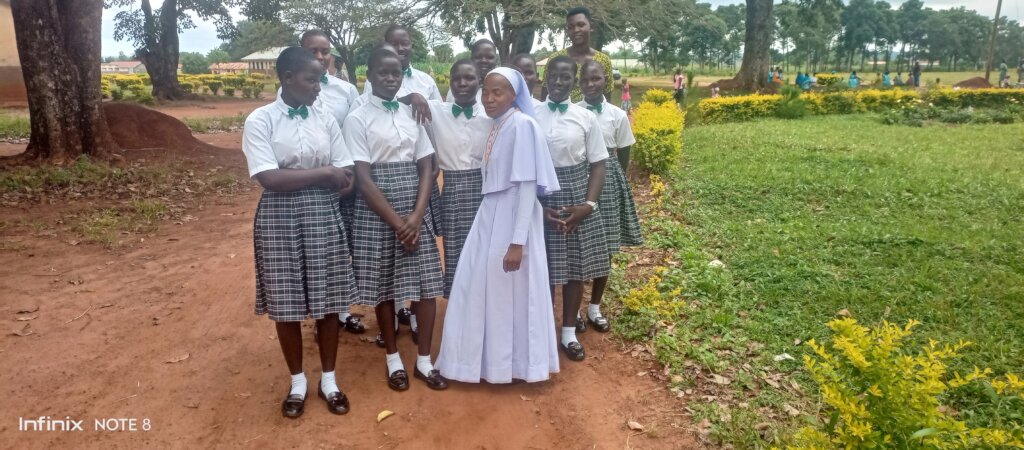
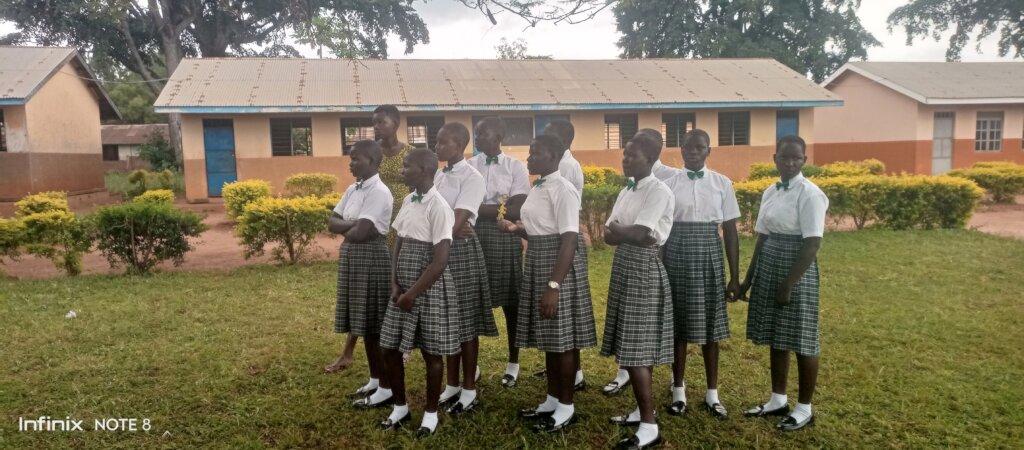
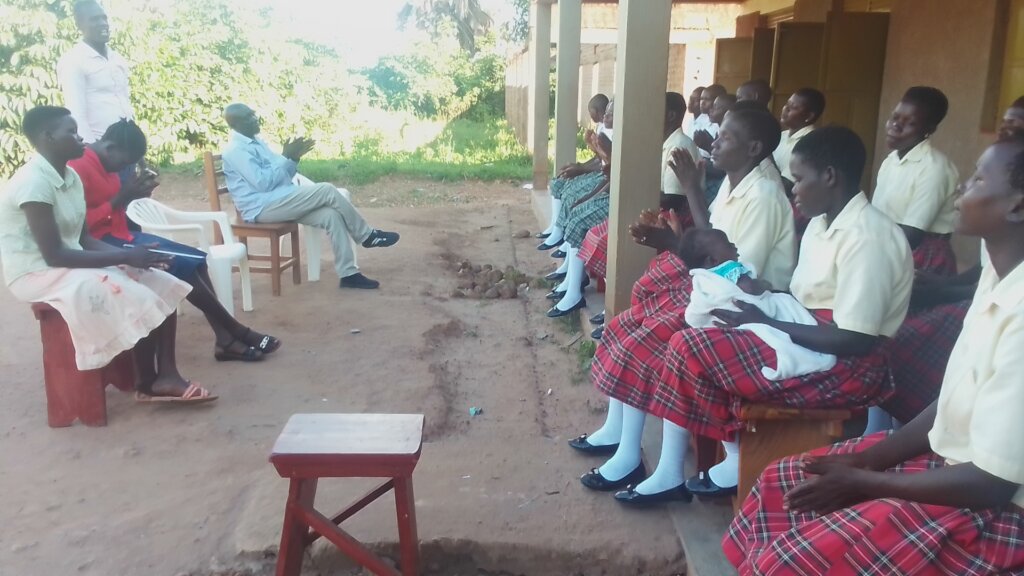
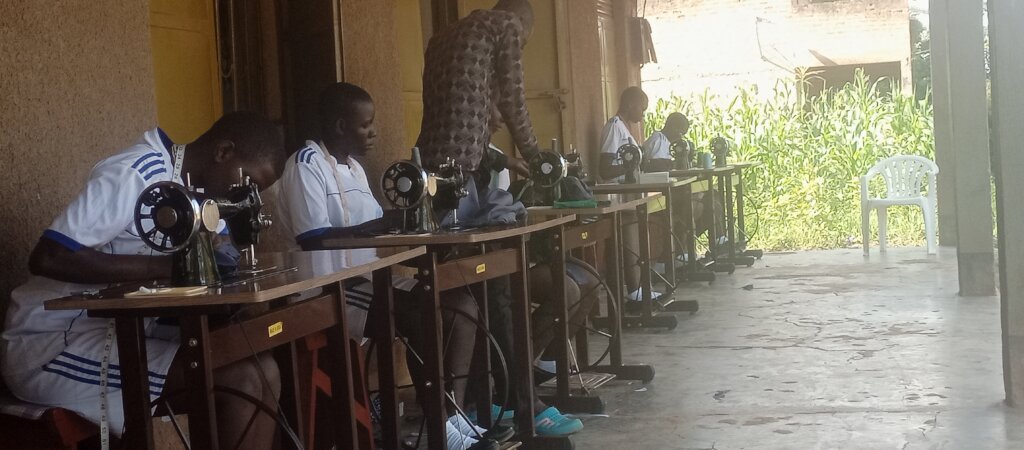
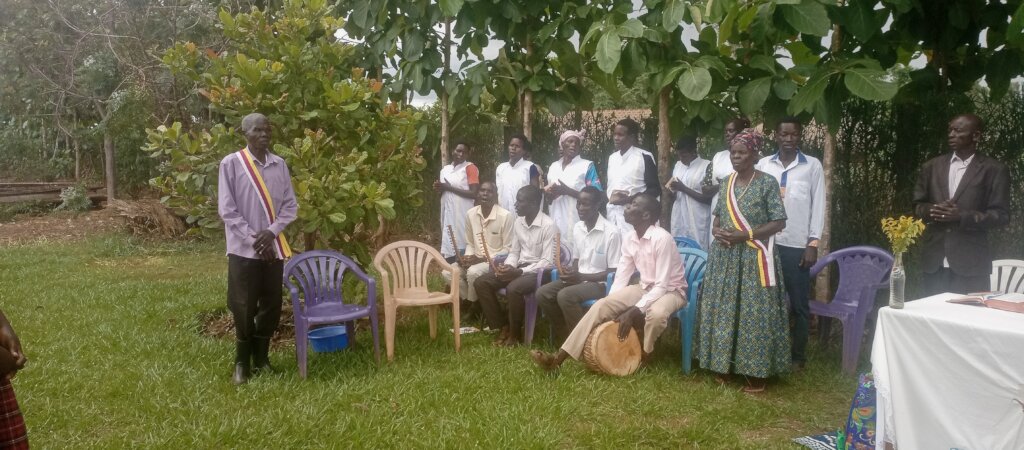
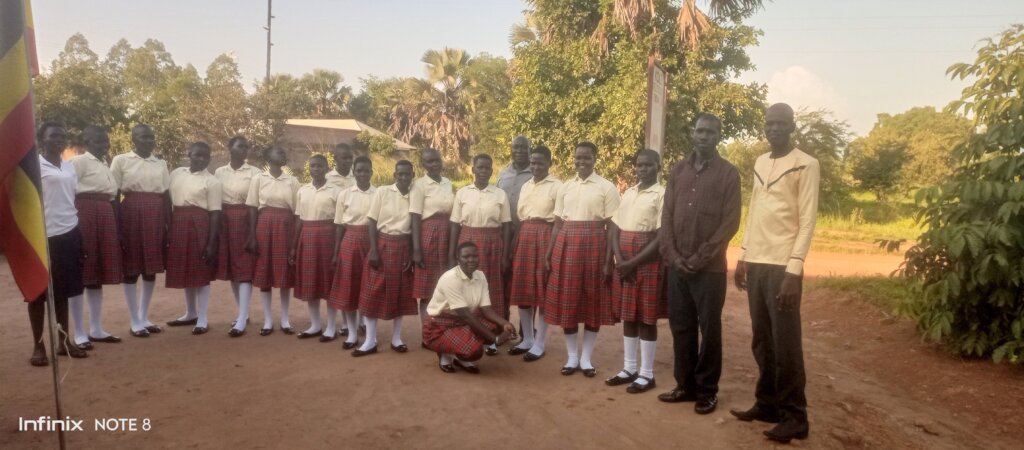
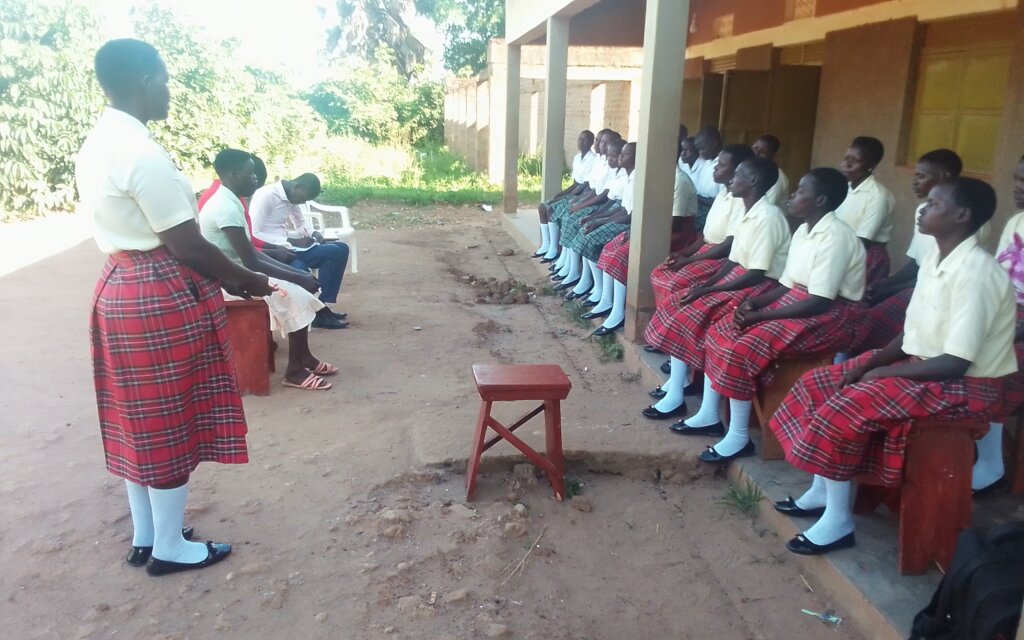
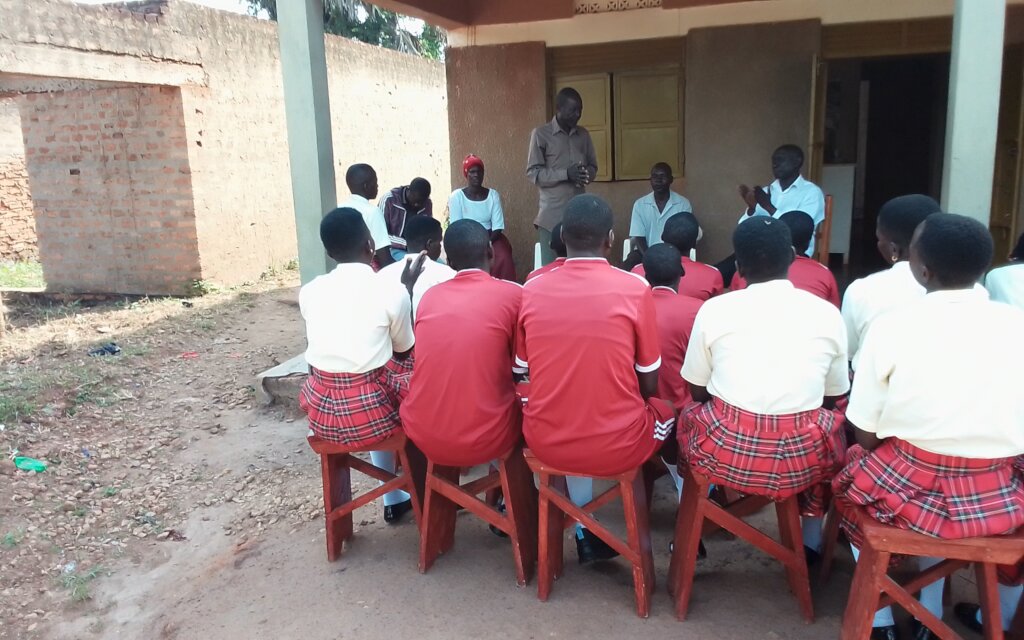
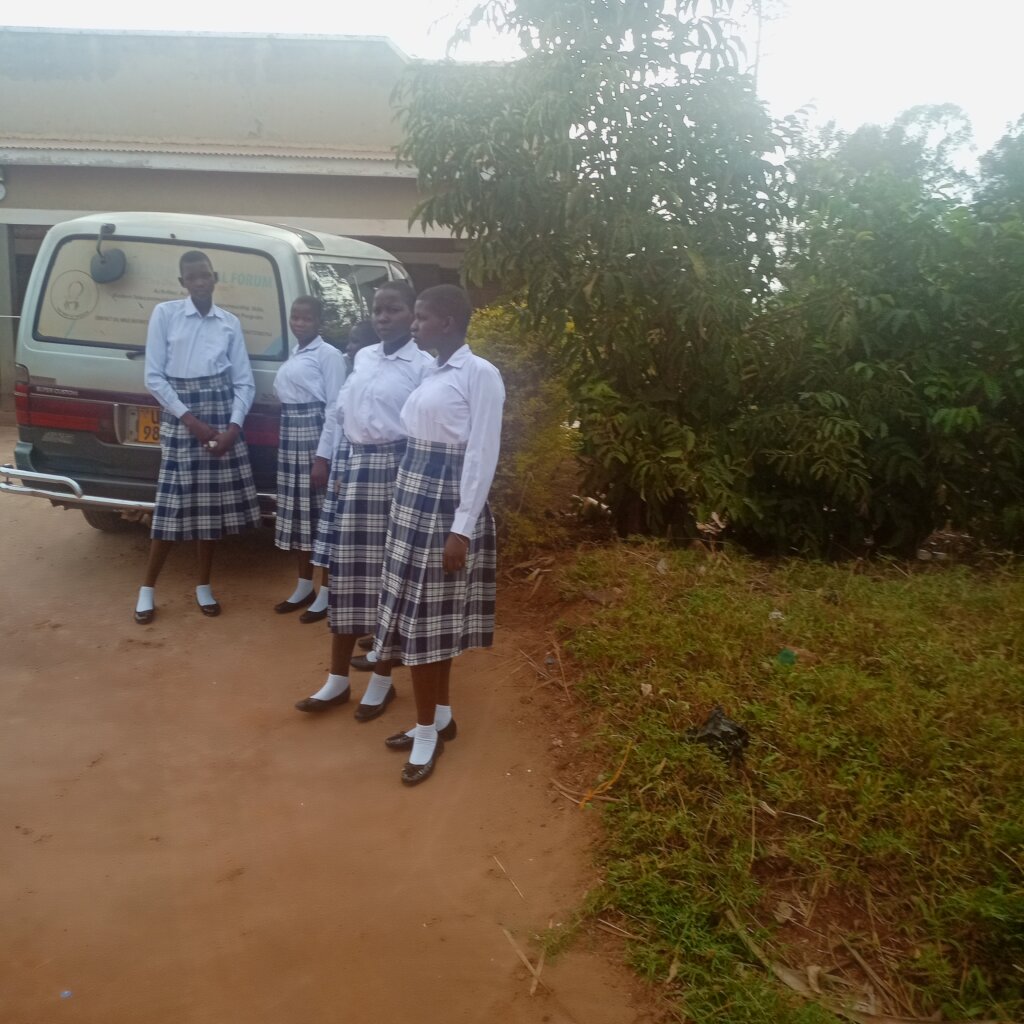
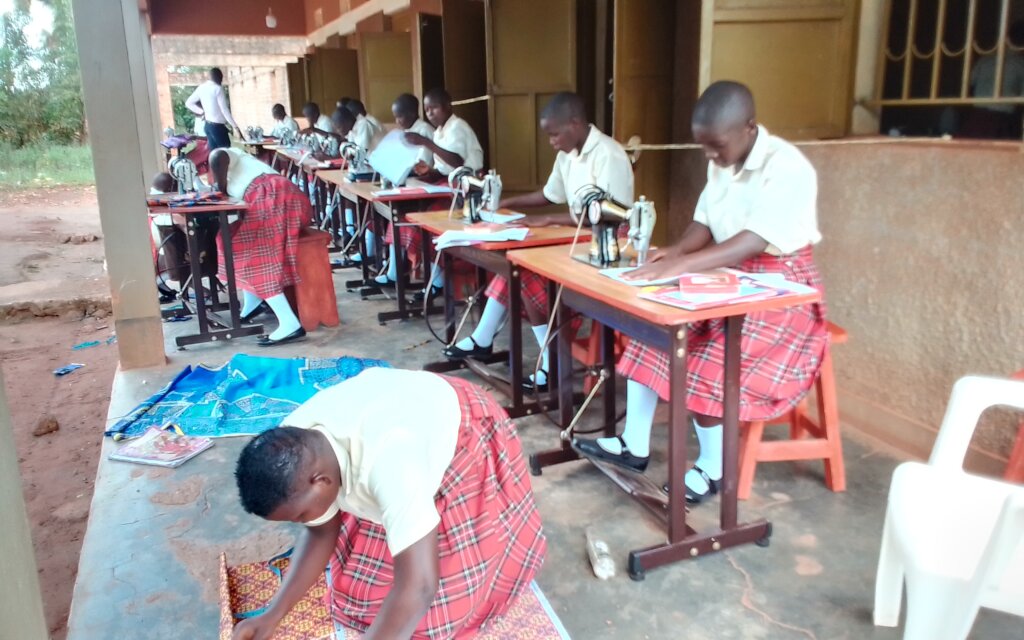
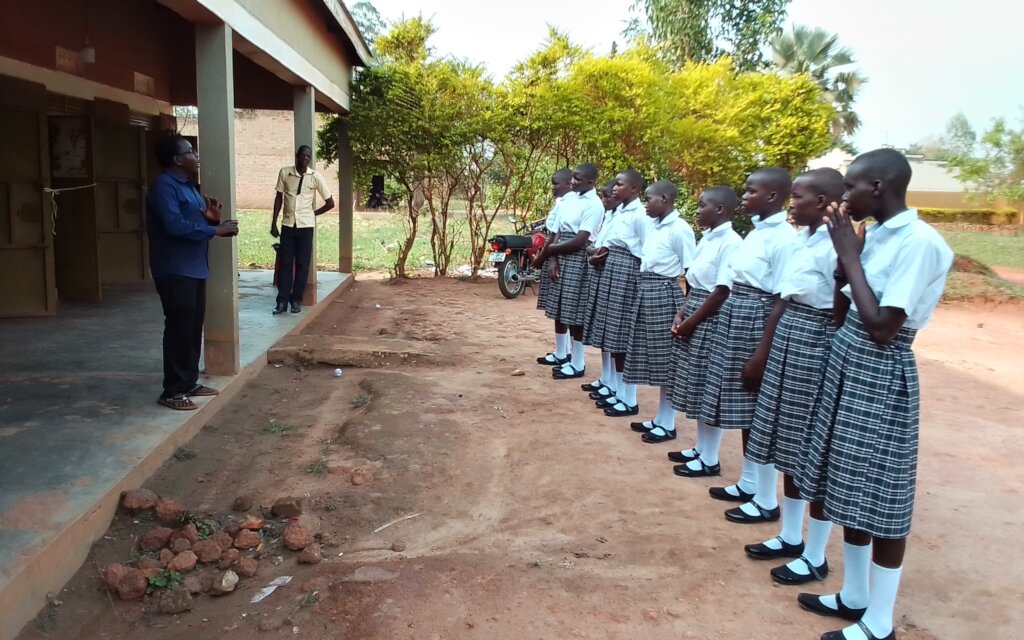
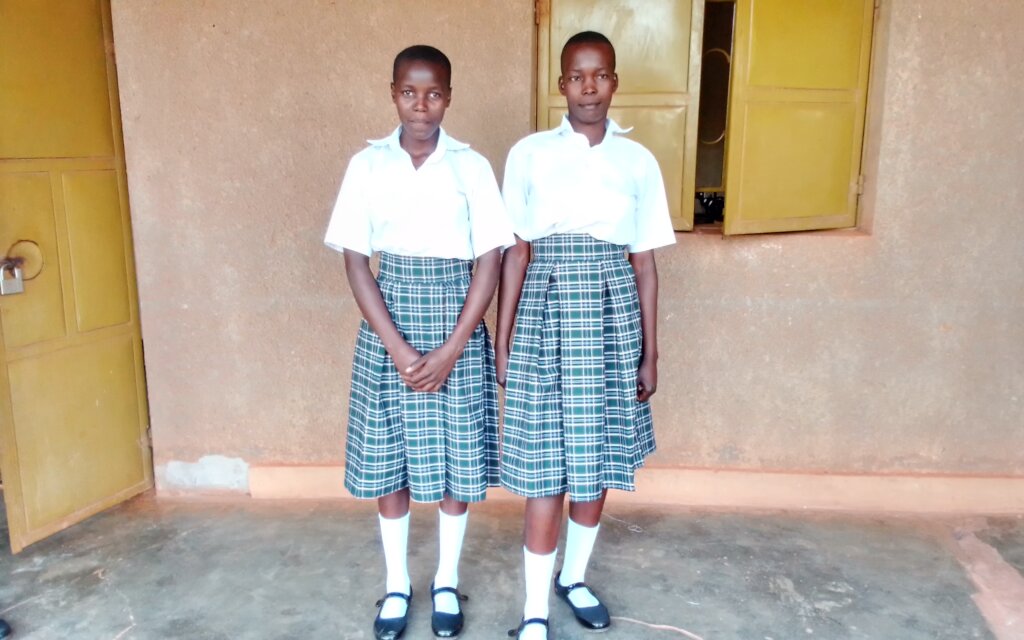
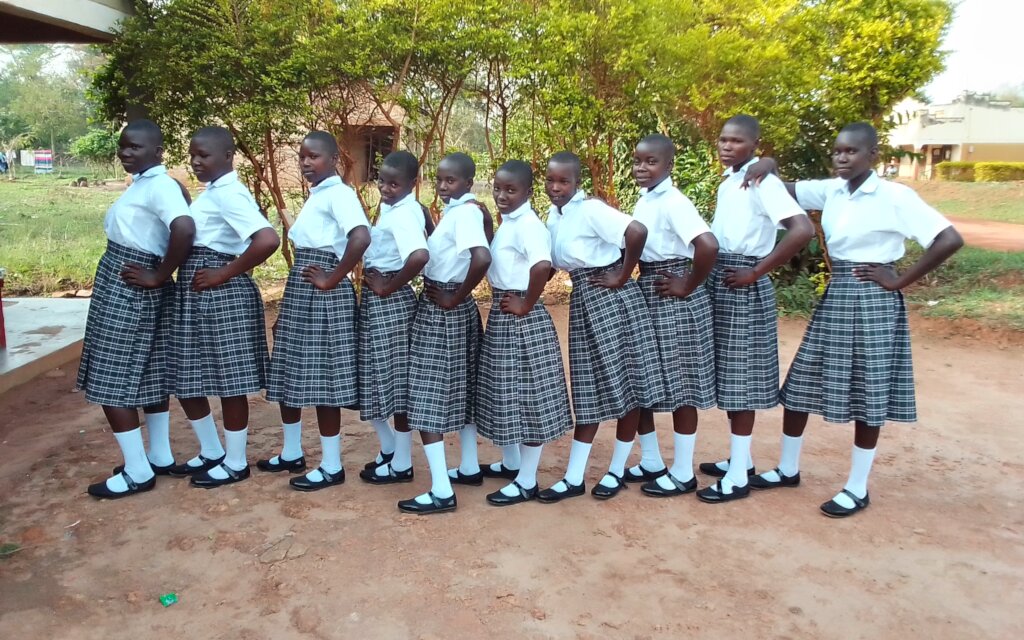
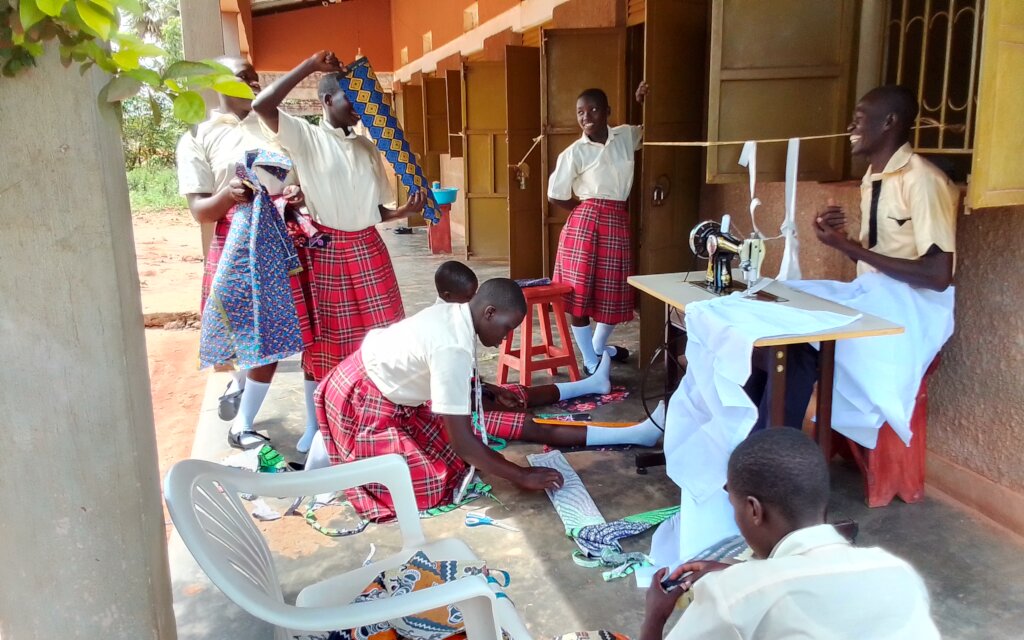
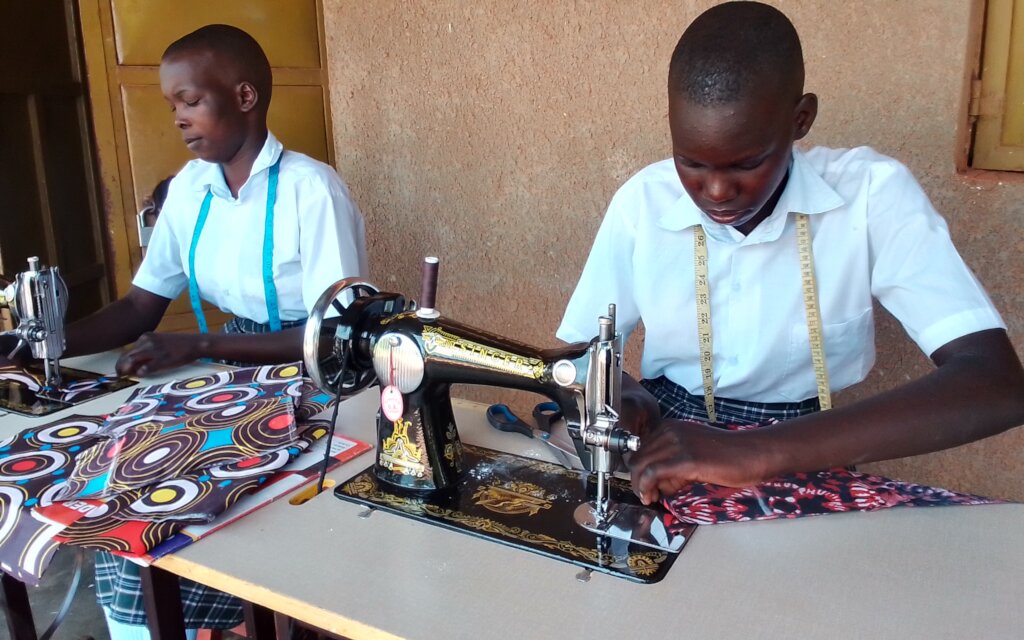
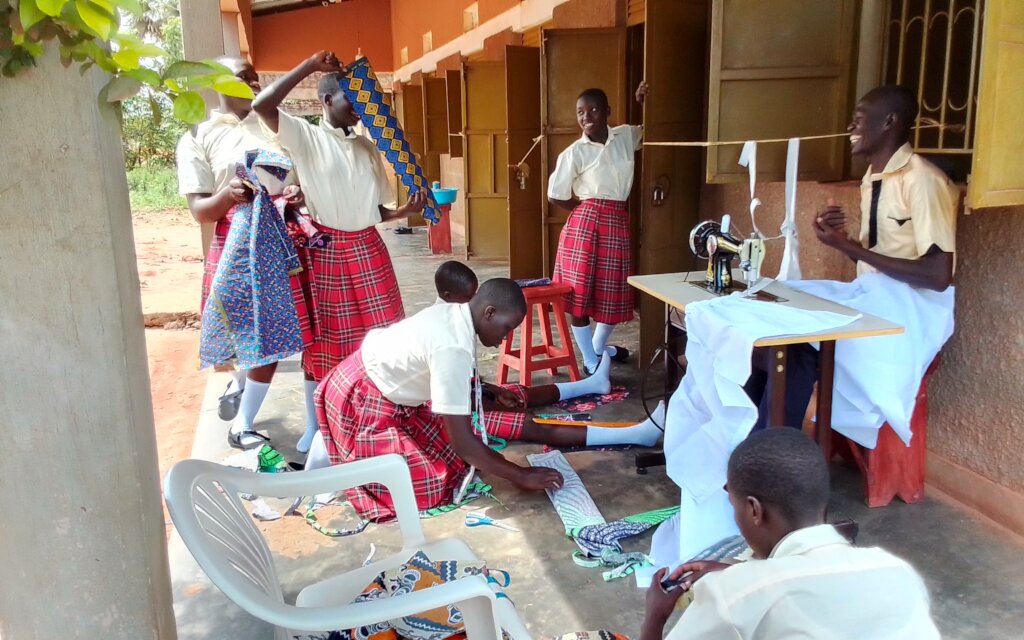
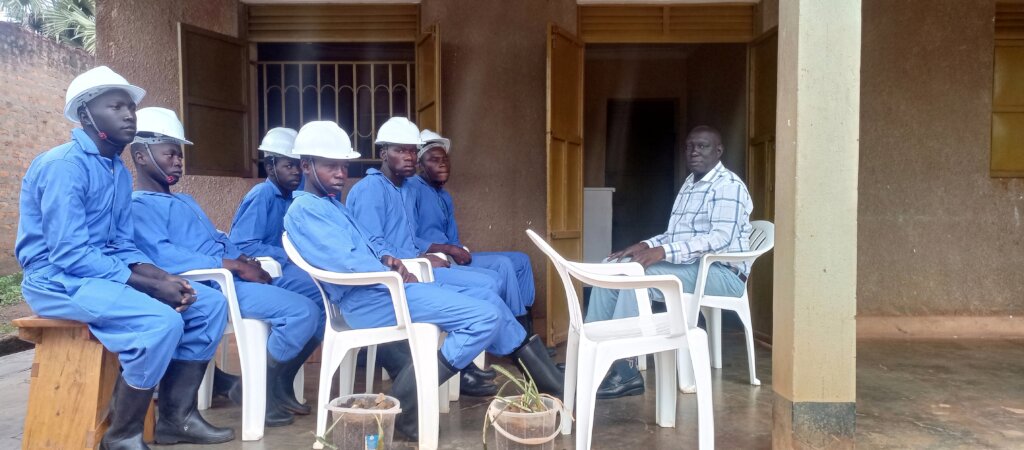
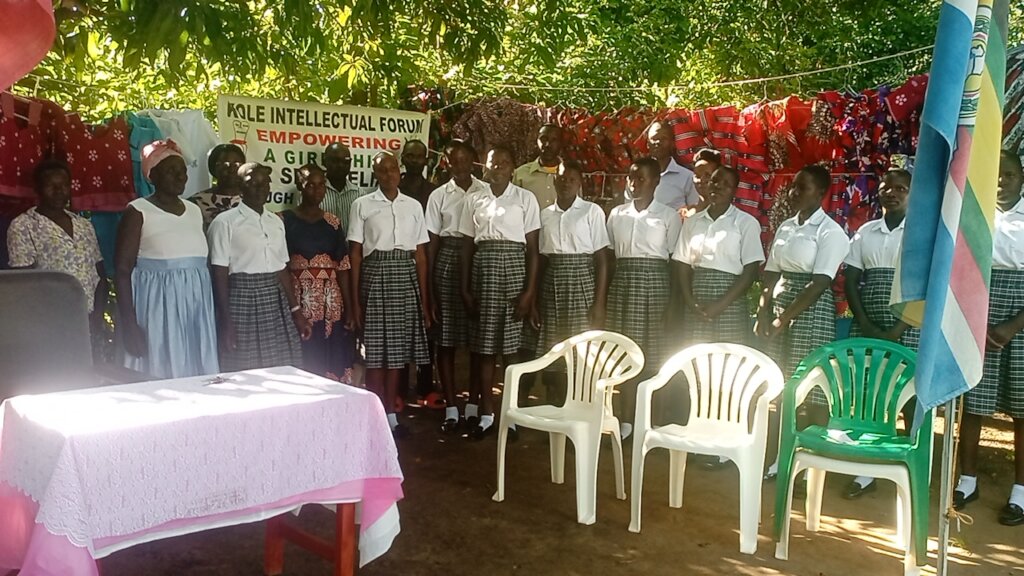
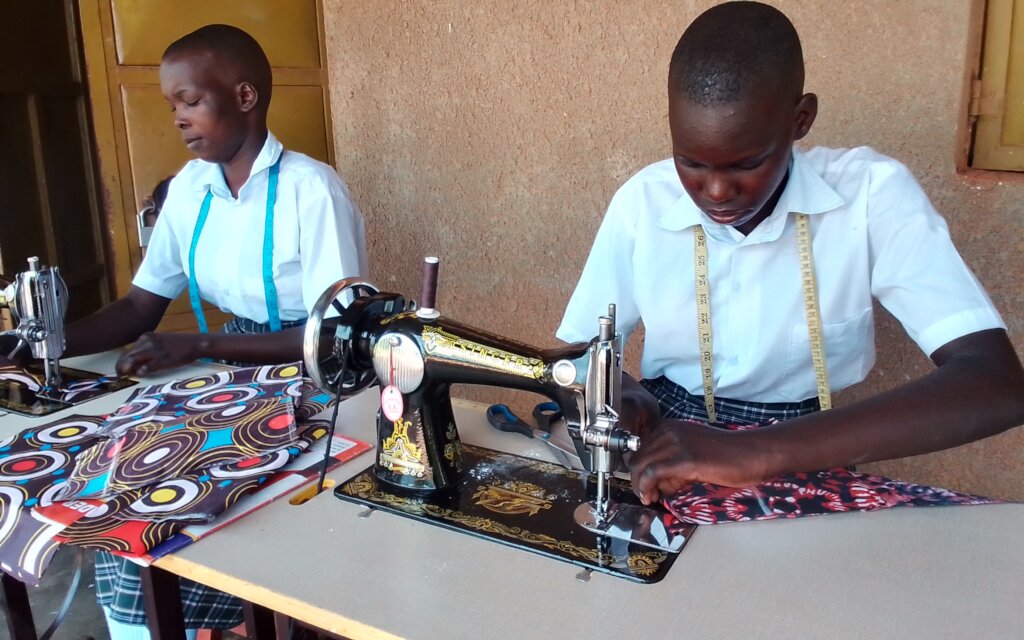
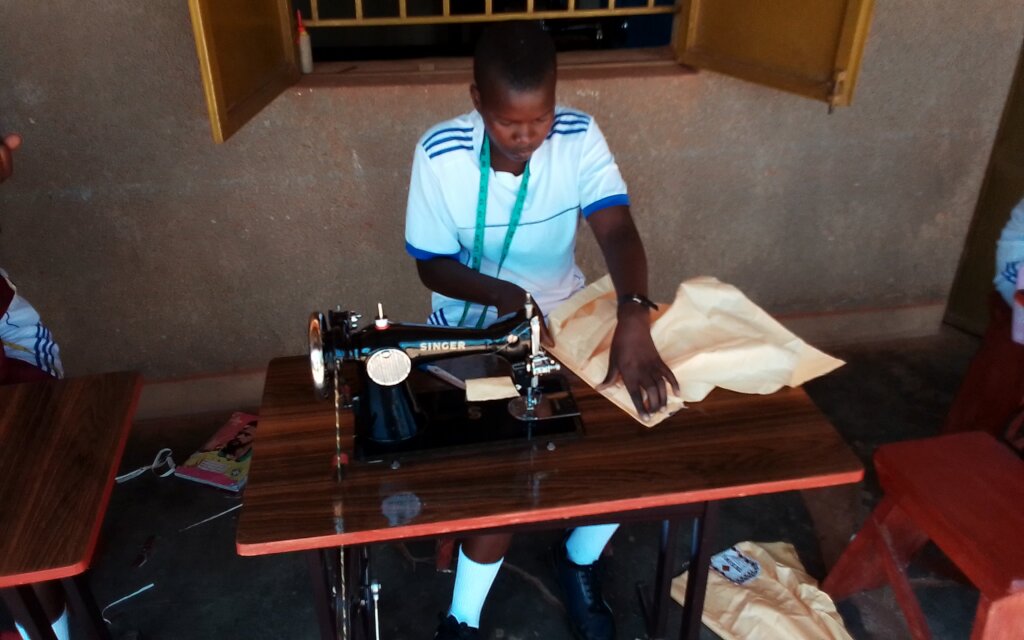
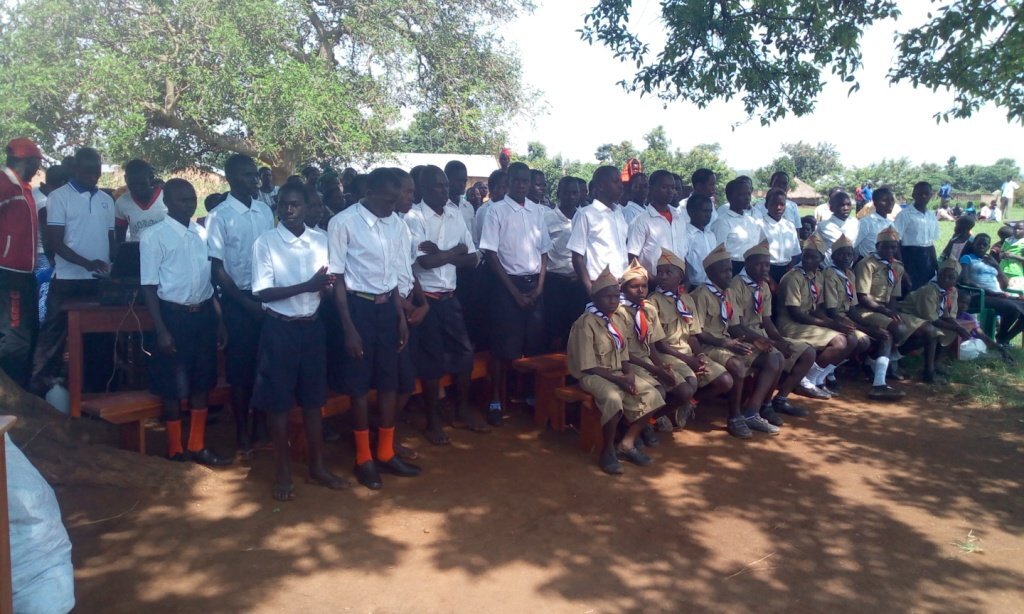
Just as a seed requires the right environment to grow into a strong tree, children need a supportive and stimulating environment to reach their full potential; a task that Kole Intellectual Forum is dealing with in their areas of jurisdiction in Kole District. Of course, is a situation that involves providing a range of nurturing conditions to their young beneficiaries within their projects.
The task is circumnavigated around the following areas:
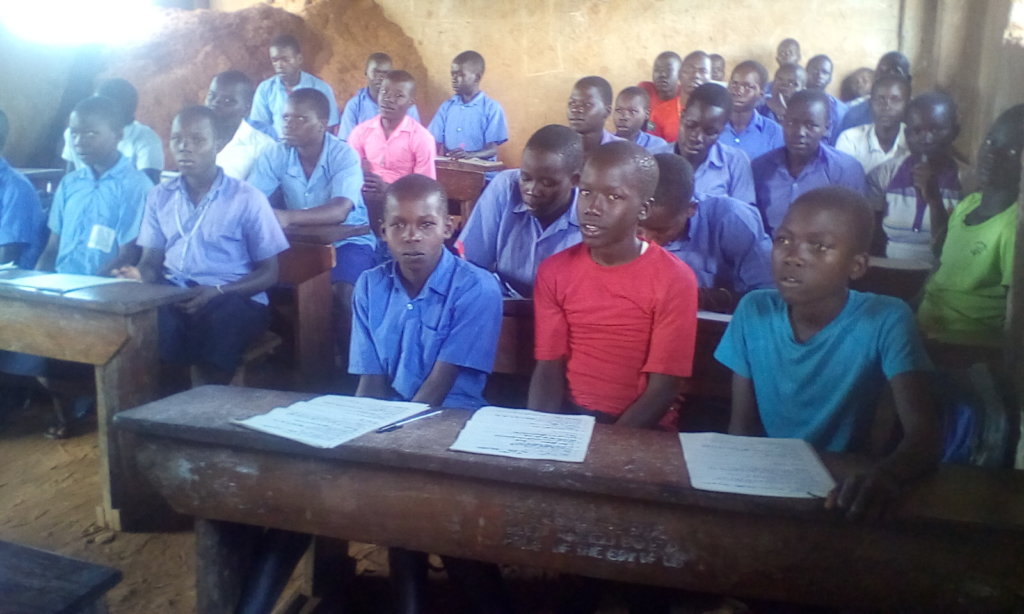
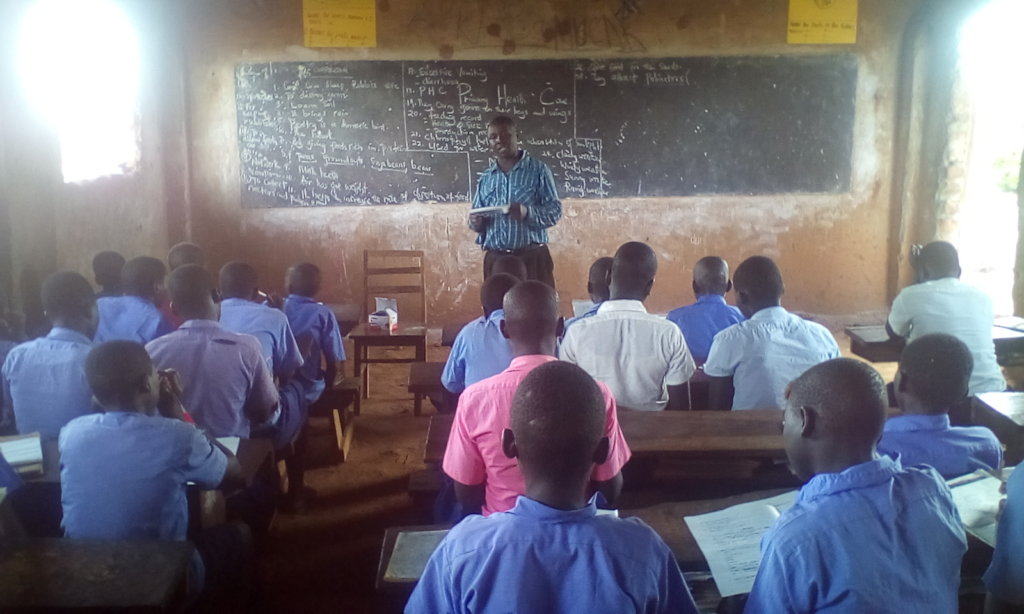
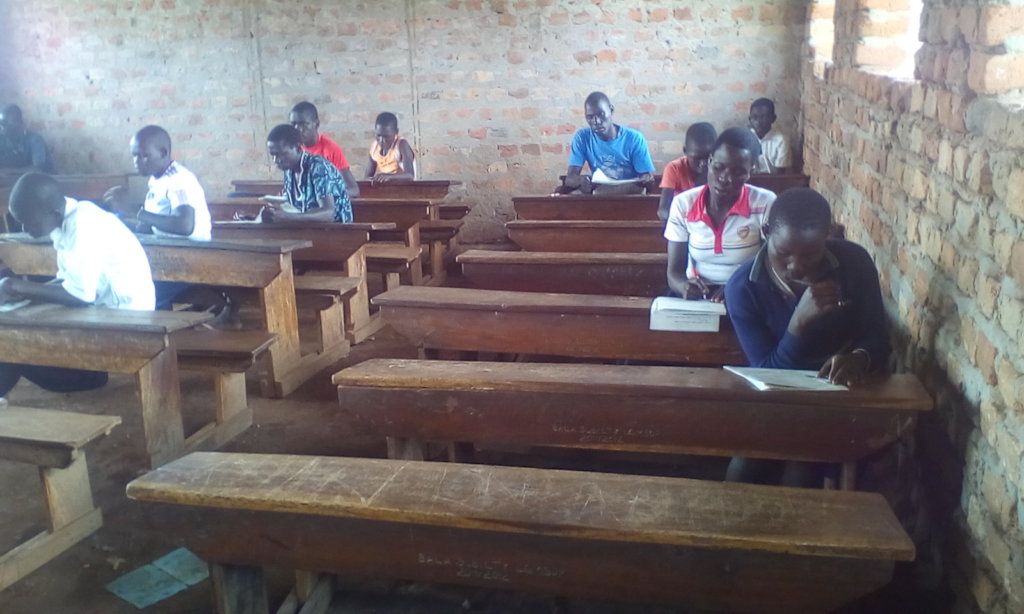
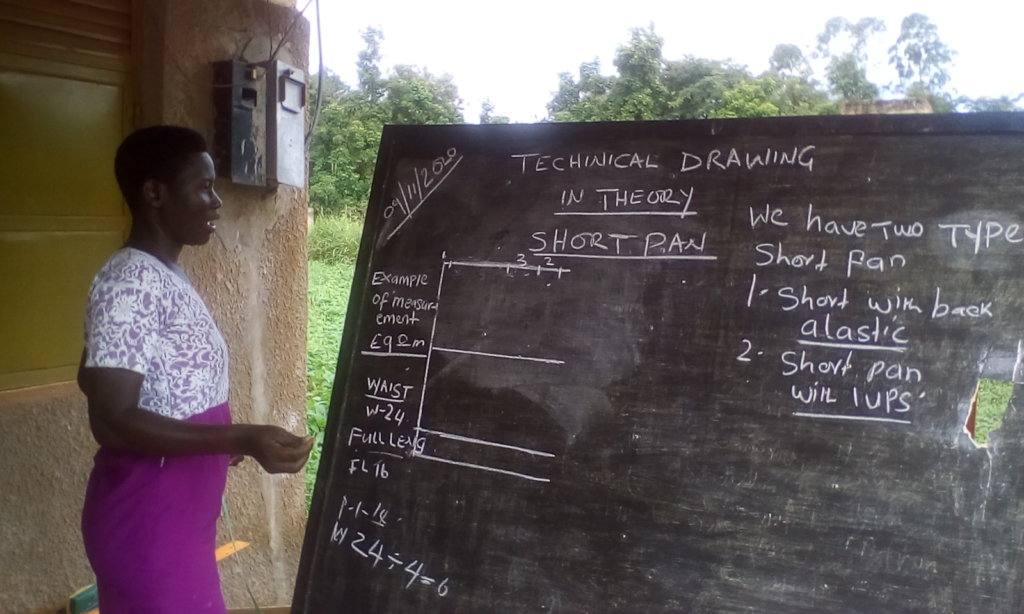
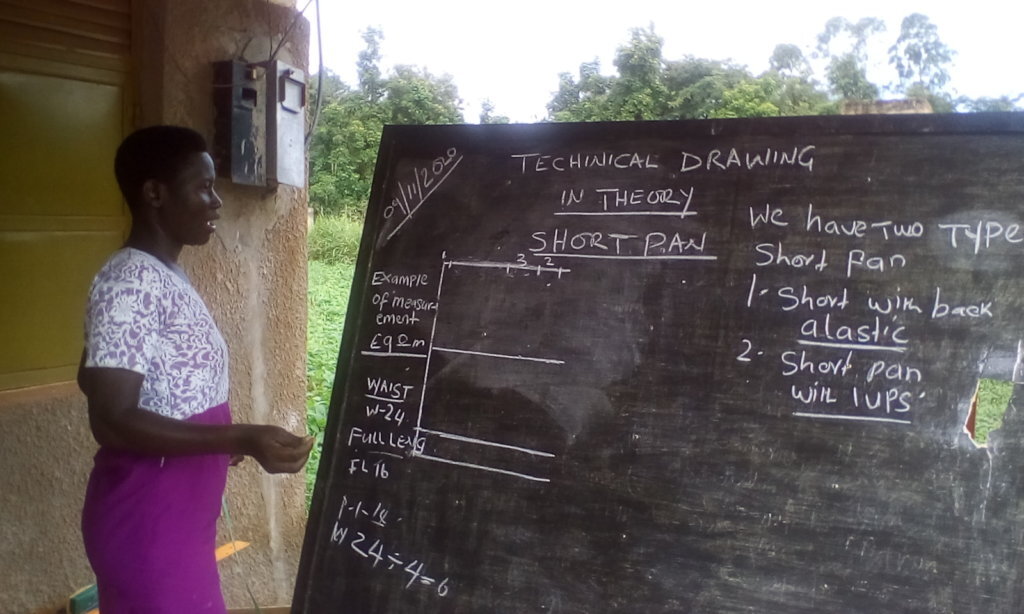
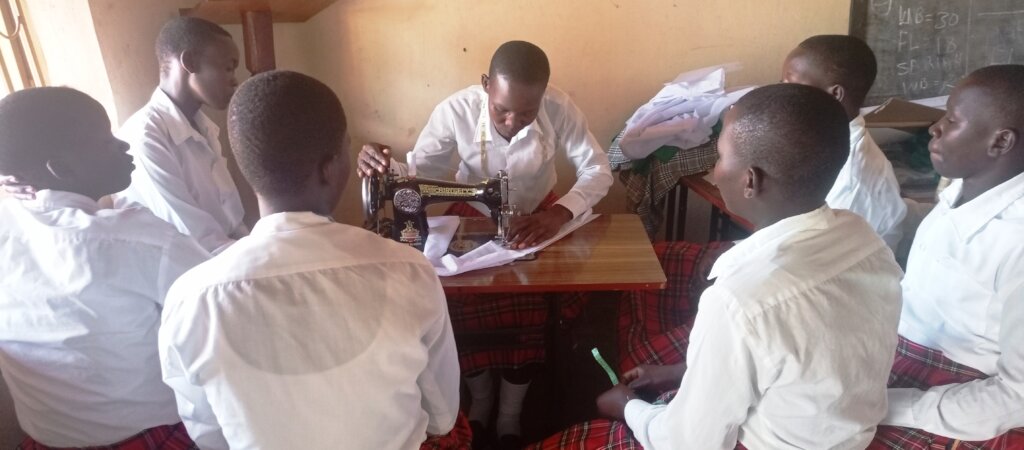
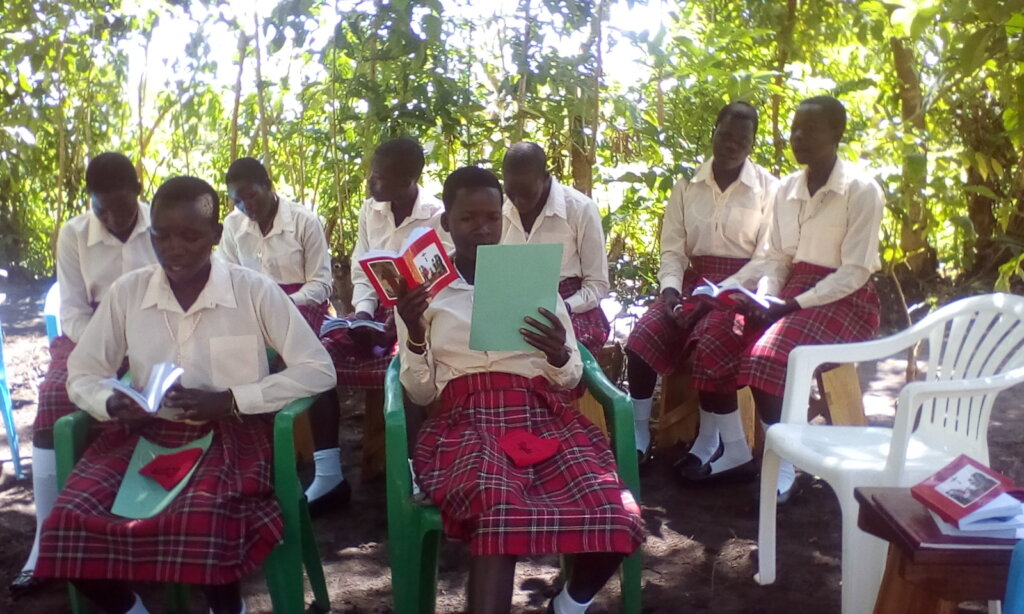
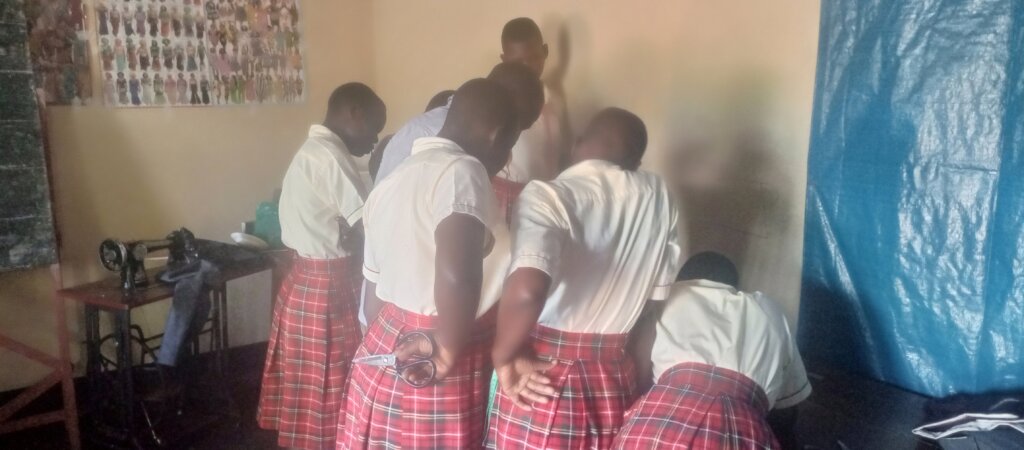
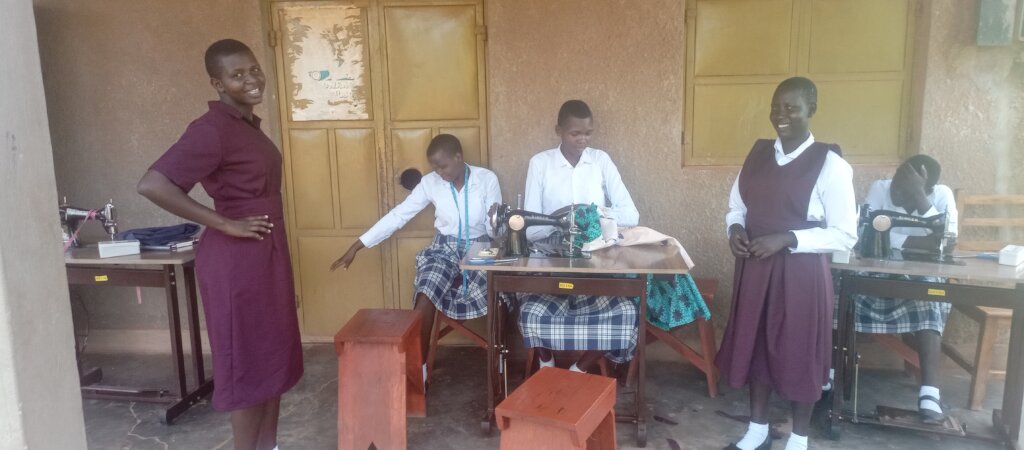
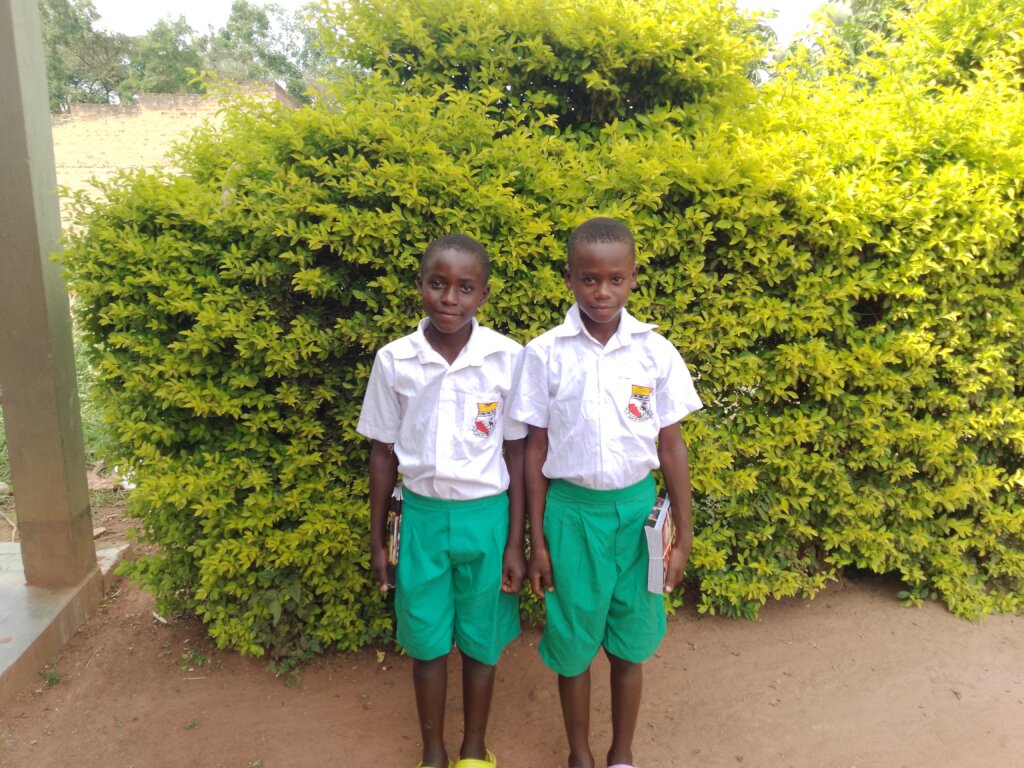
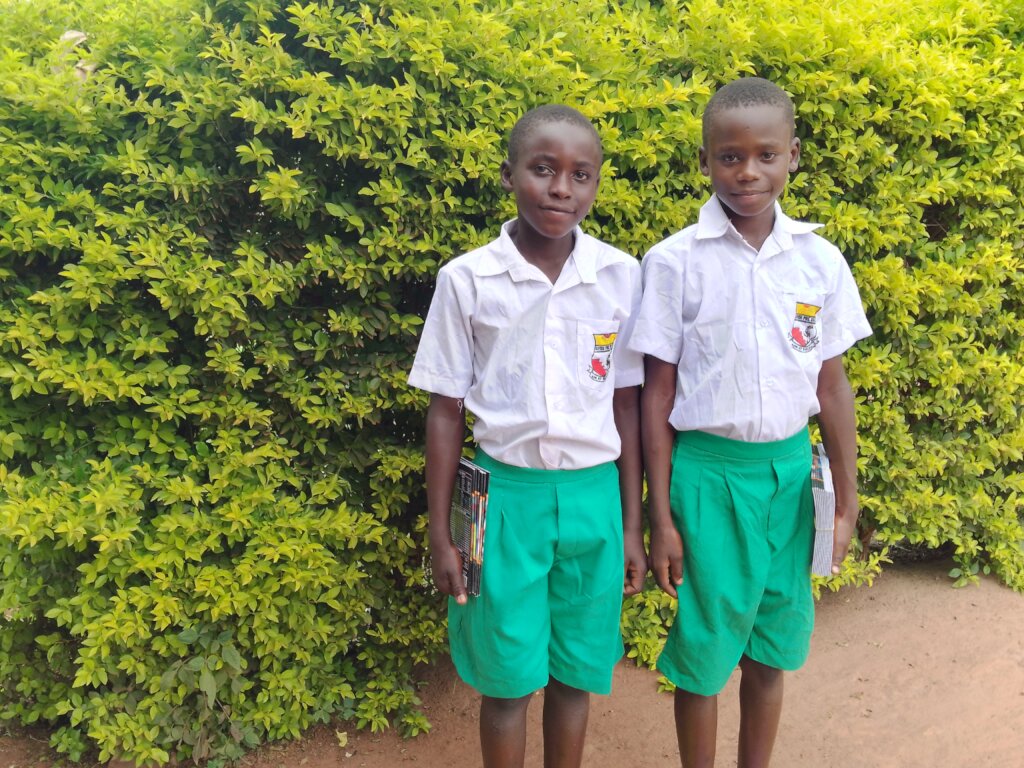
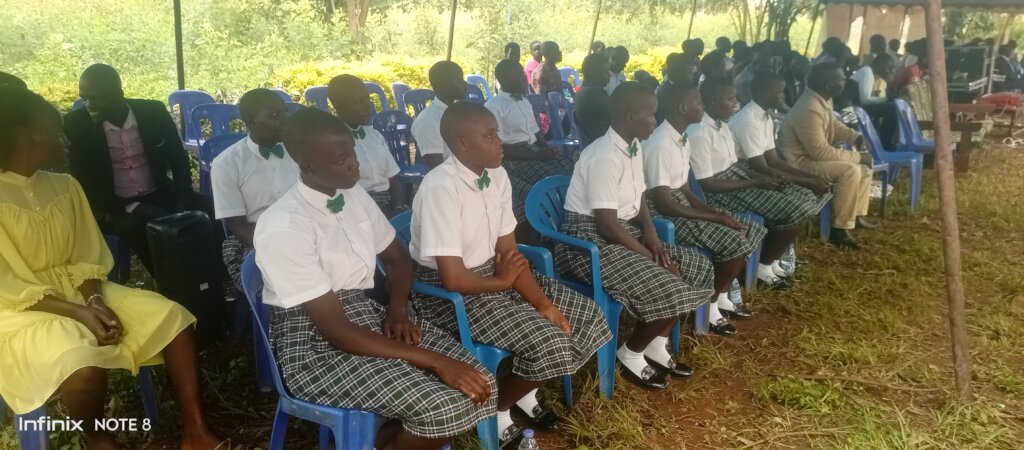
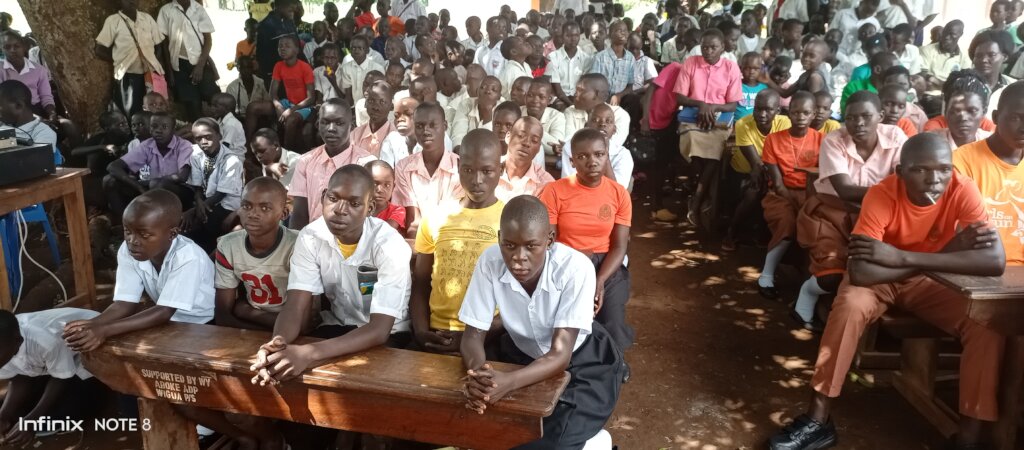
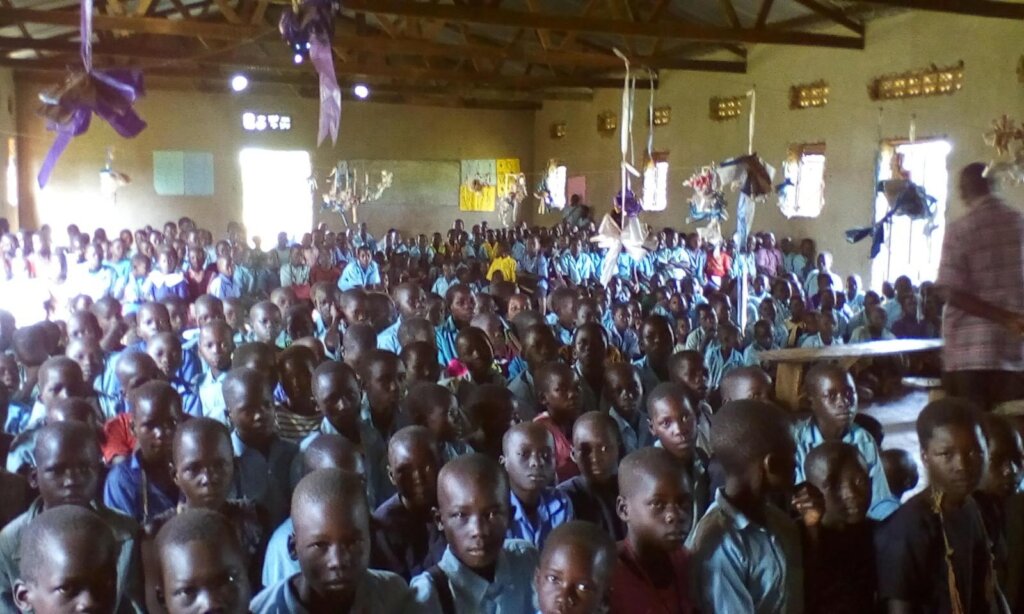
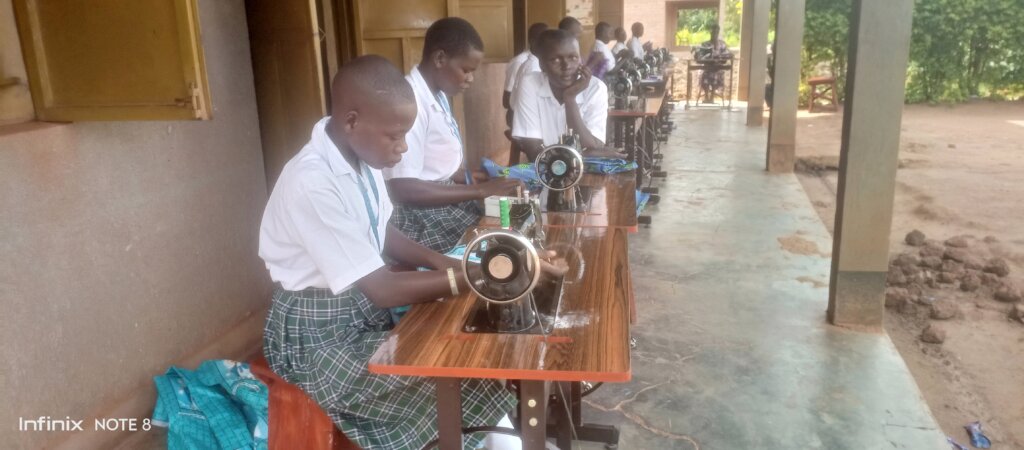
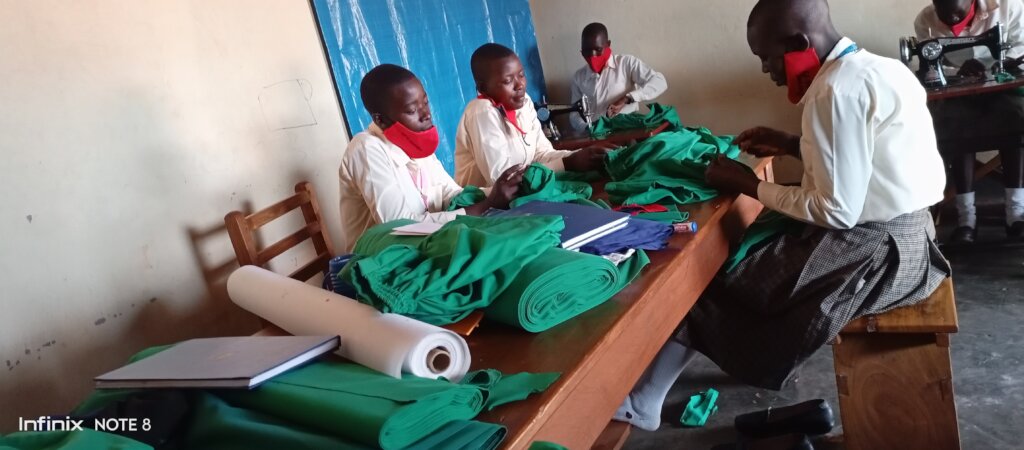
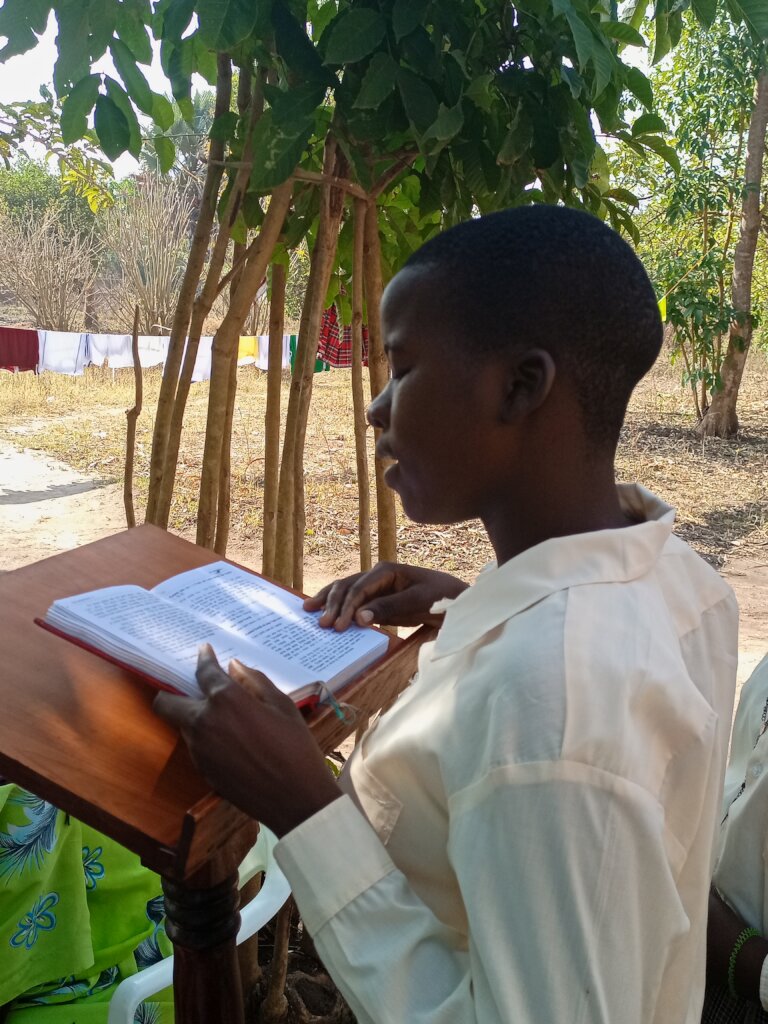
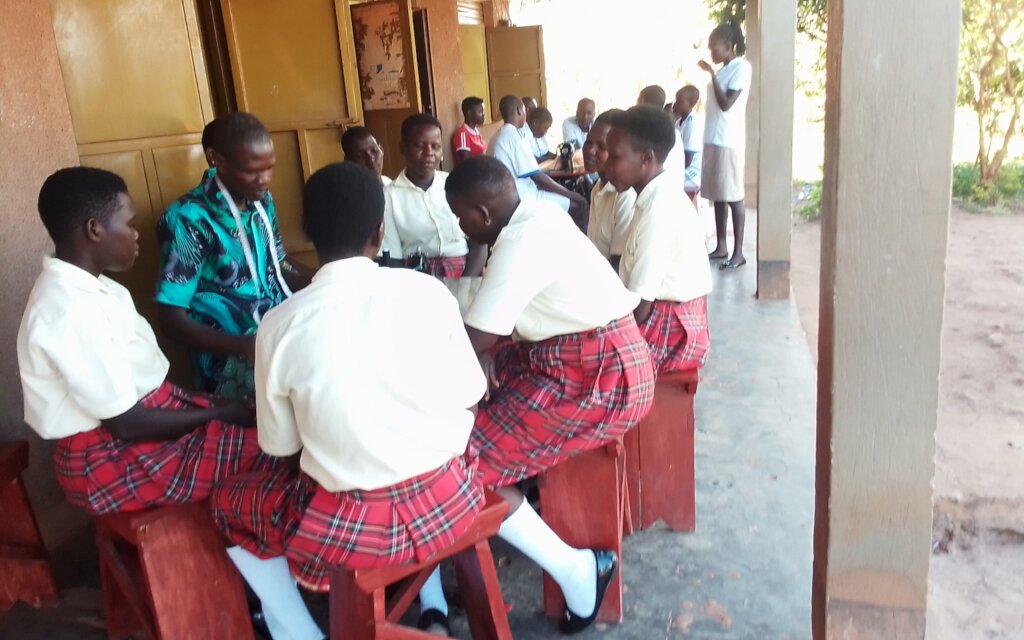
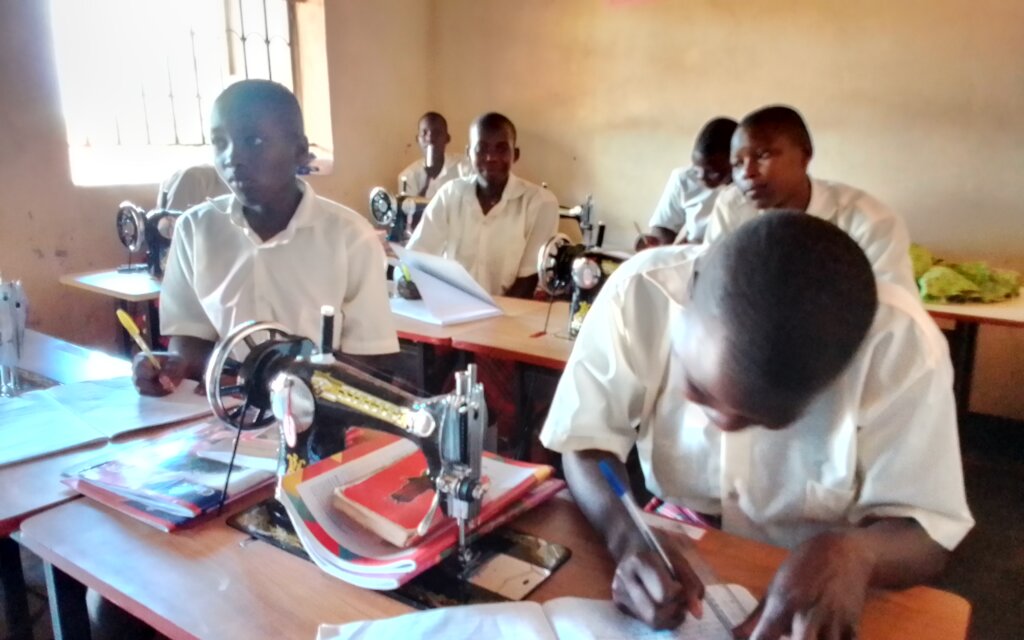
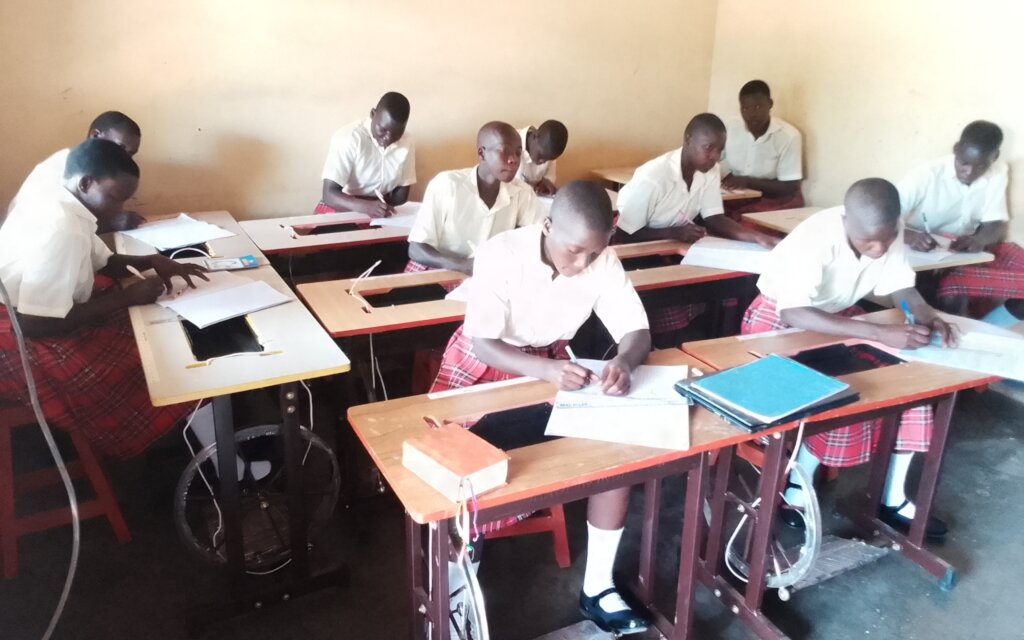
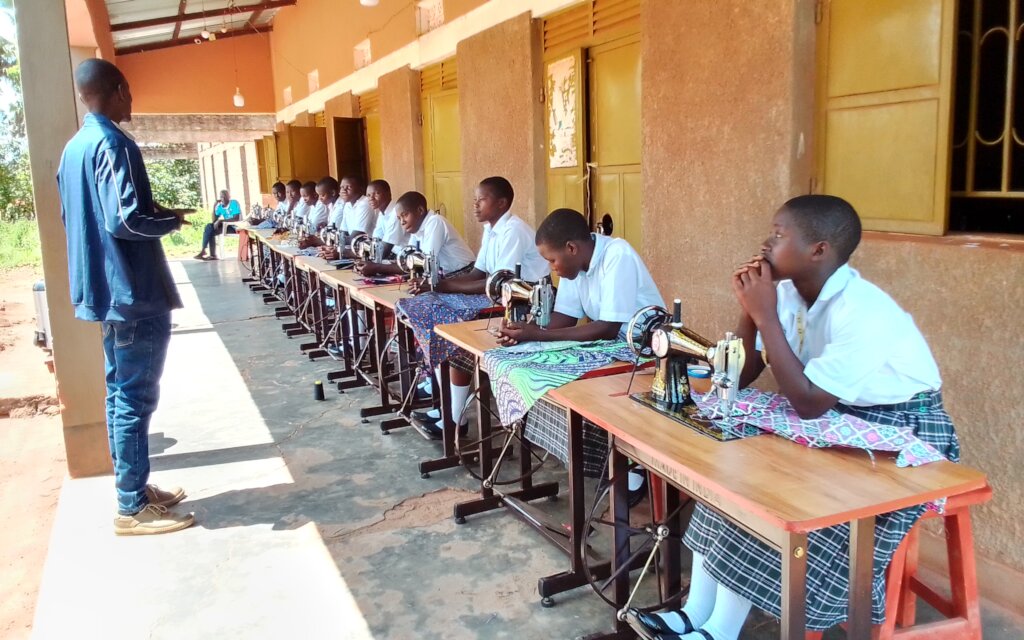
- Education and Cognitive Development: they are engaging their students to the early childhood education and continuous learning which are vital for developing problem-solving skills, critical thinking, and language acquisition, which are the foundations for future academic and professional success.
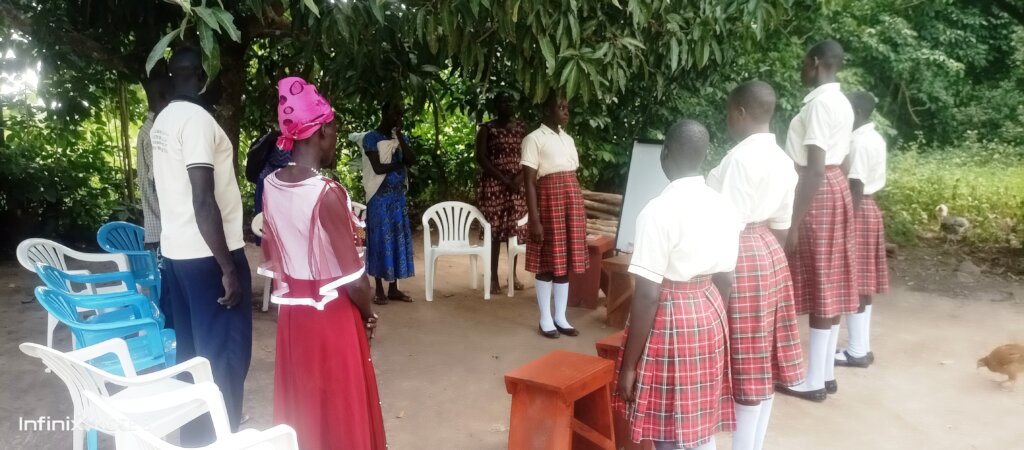
- Social and Emotional Health: they are encouraging them in positive interactions, by as well securing relationships, and opportunities which can help children to develop empathy, self-regulation, and the ability to form healthy relationships, all of which are seen as tools for essential social cohesion and personal well-being.
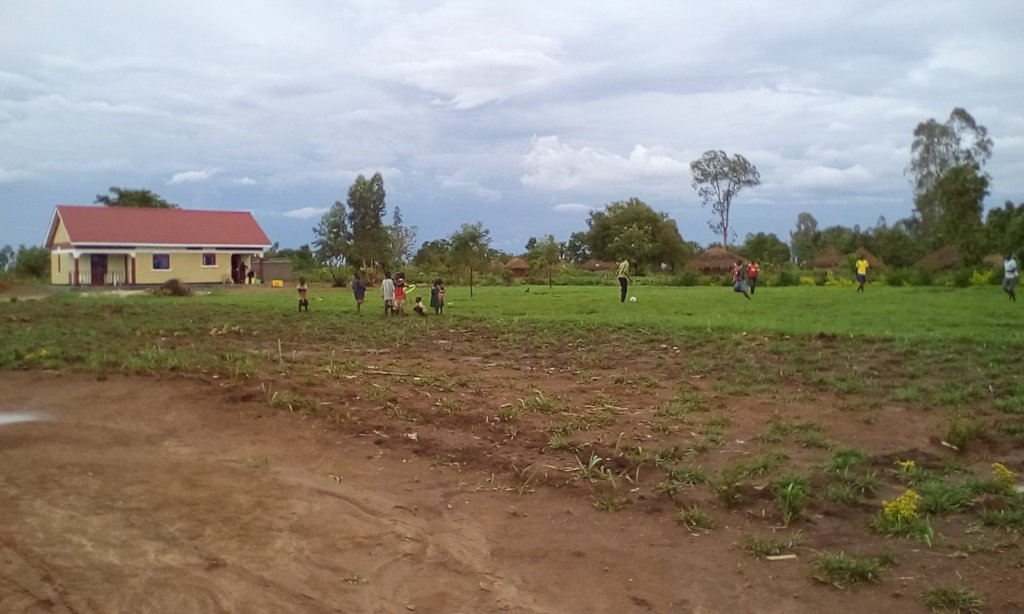
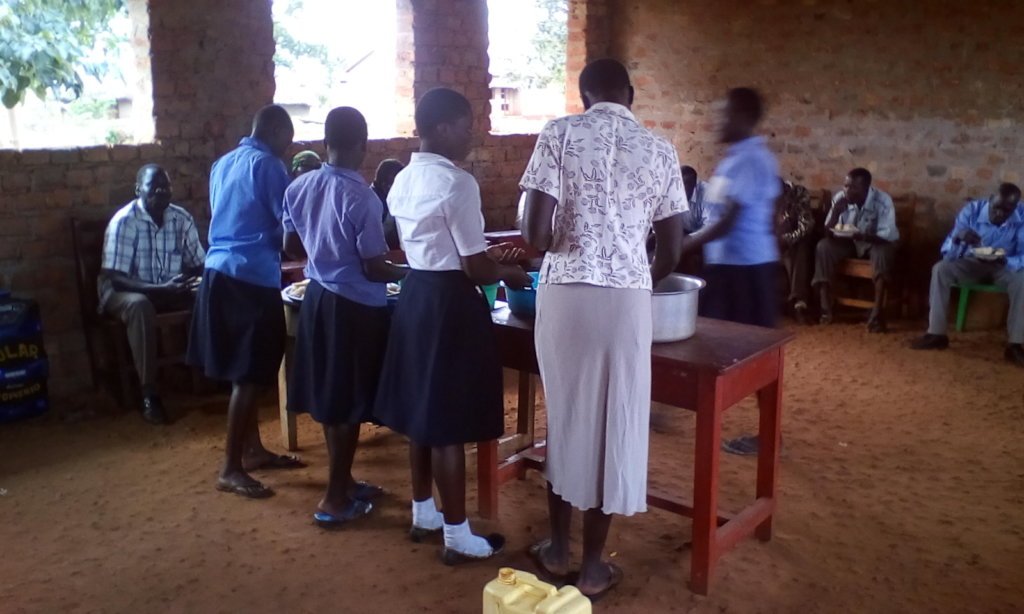
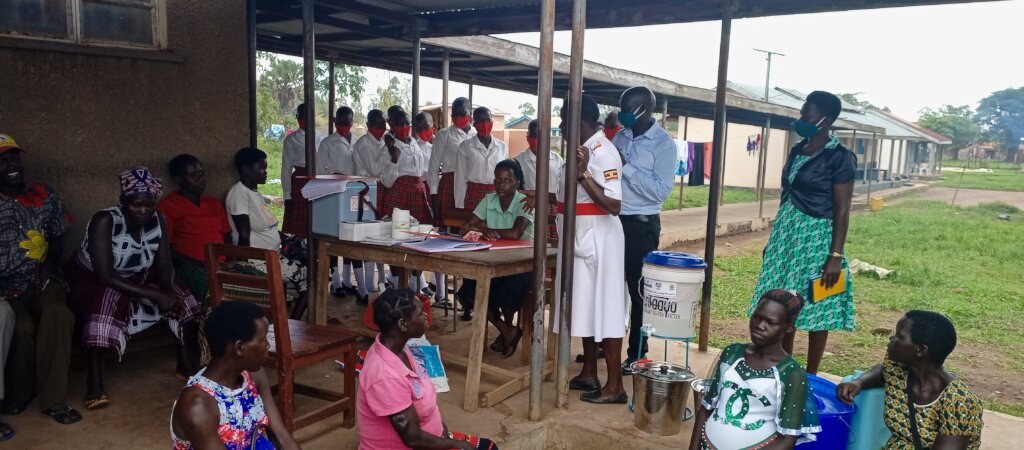
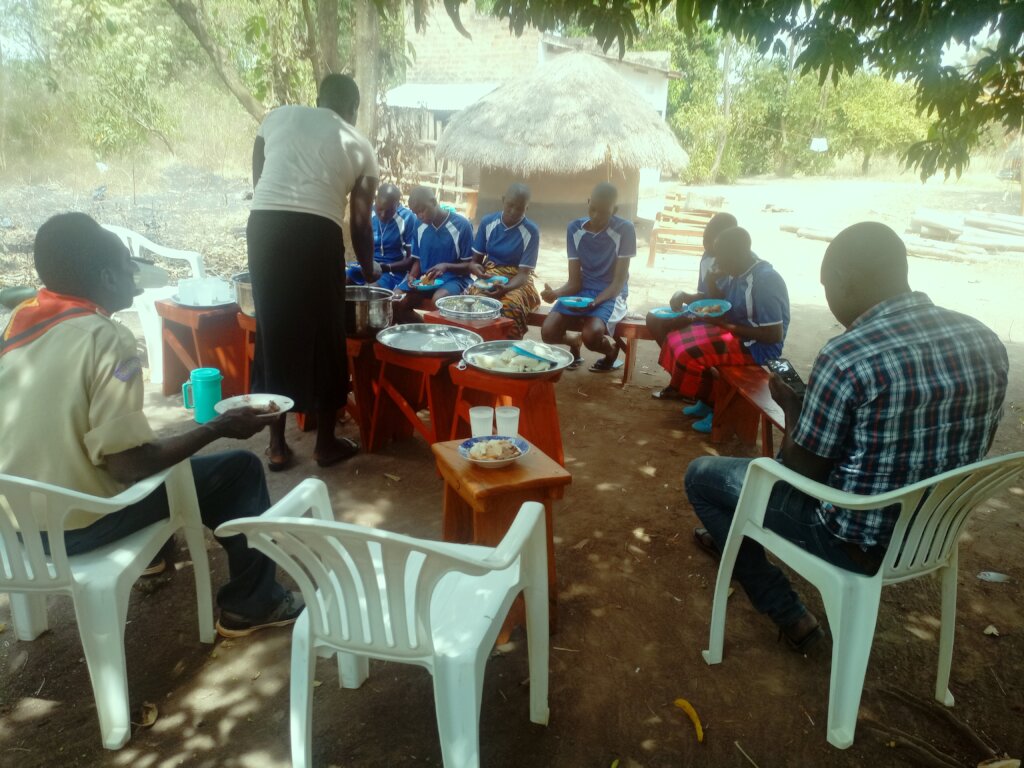
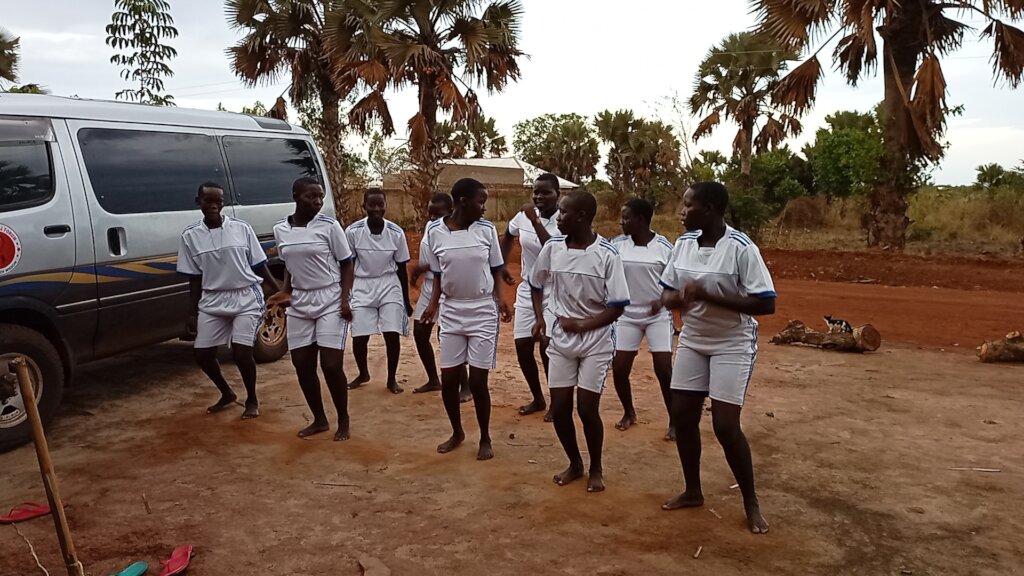
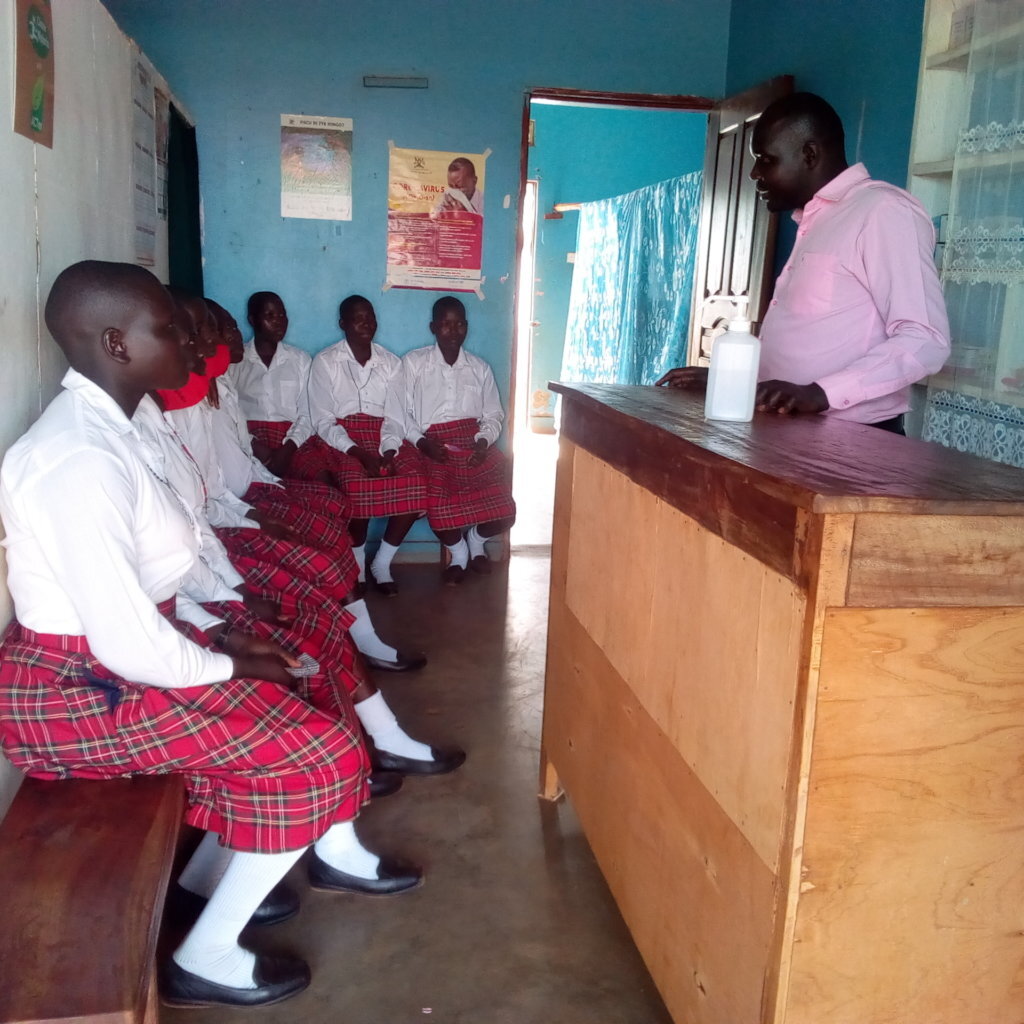
- Physical Well-being: on the other hand, they are advocating for an adequate nutrition, physical activity, and healthcare during their formative years to ensure they realize a healthy physical development, which lowers the risk of chronic diseases and mental health issues in their lives.
![Share on Twitter]()
![Share on Facebook]()
Oct 22, 2026
Patriotism: Contributing Towards Social Stability
By George Obua | Project Leader
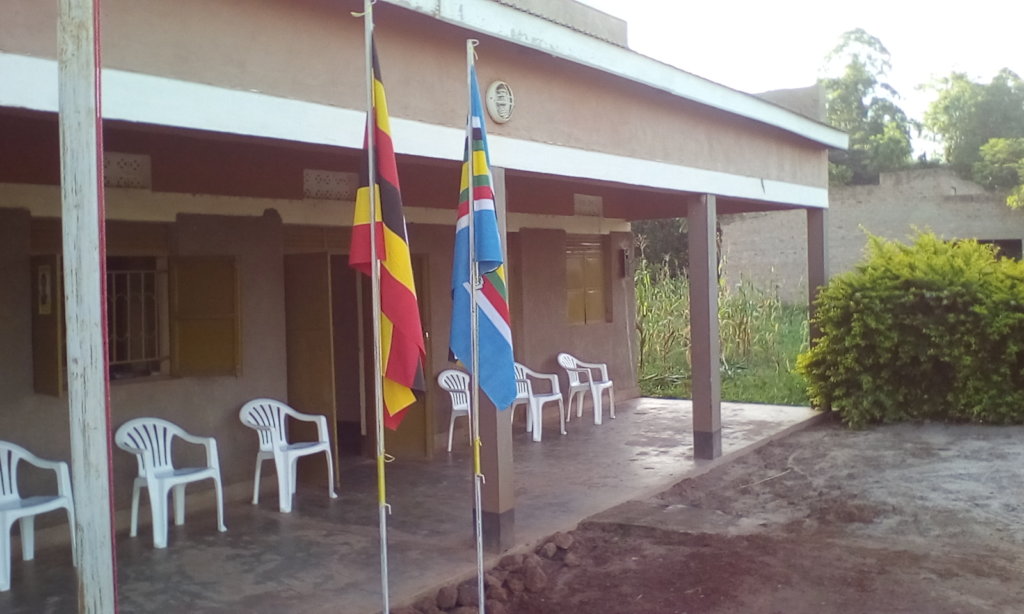
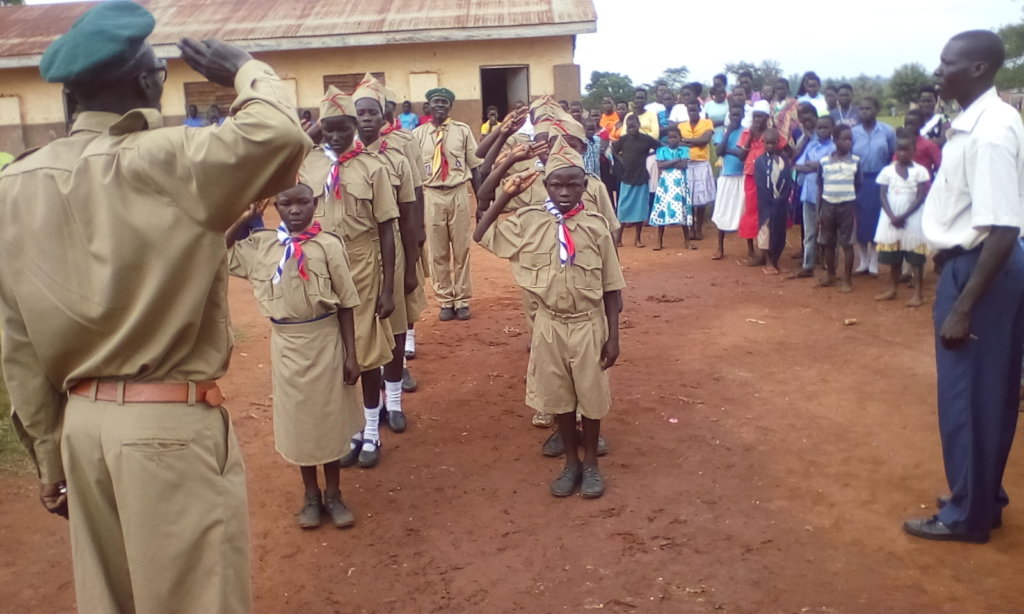
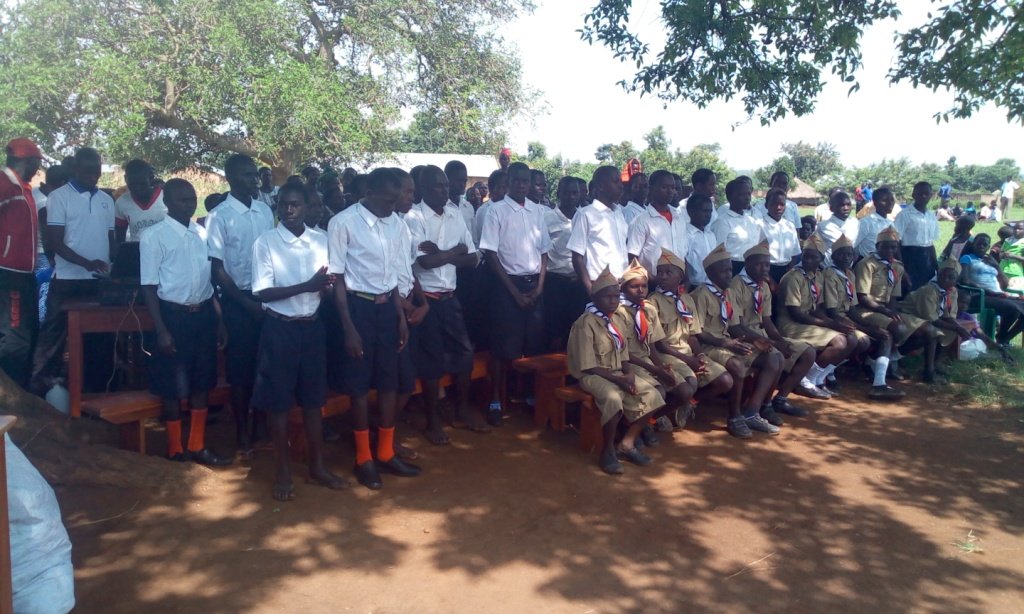
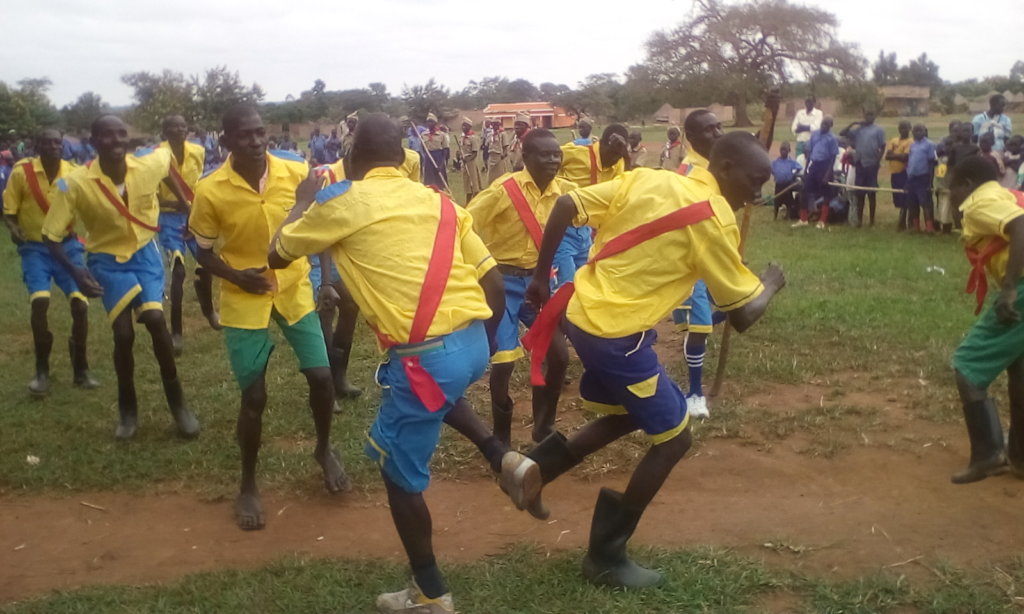
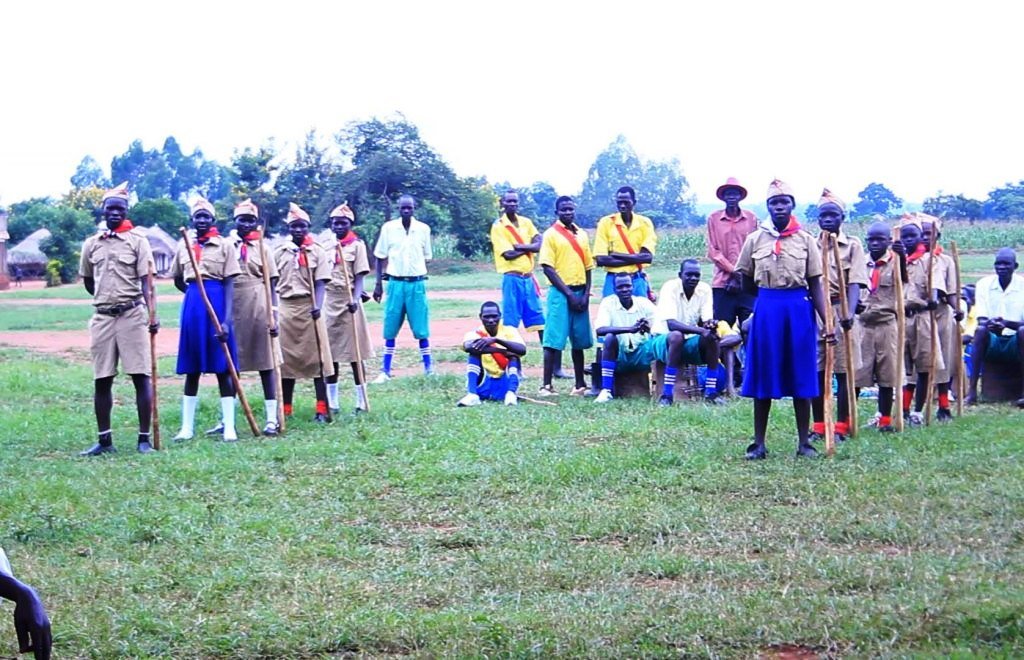
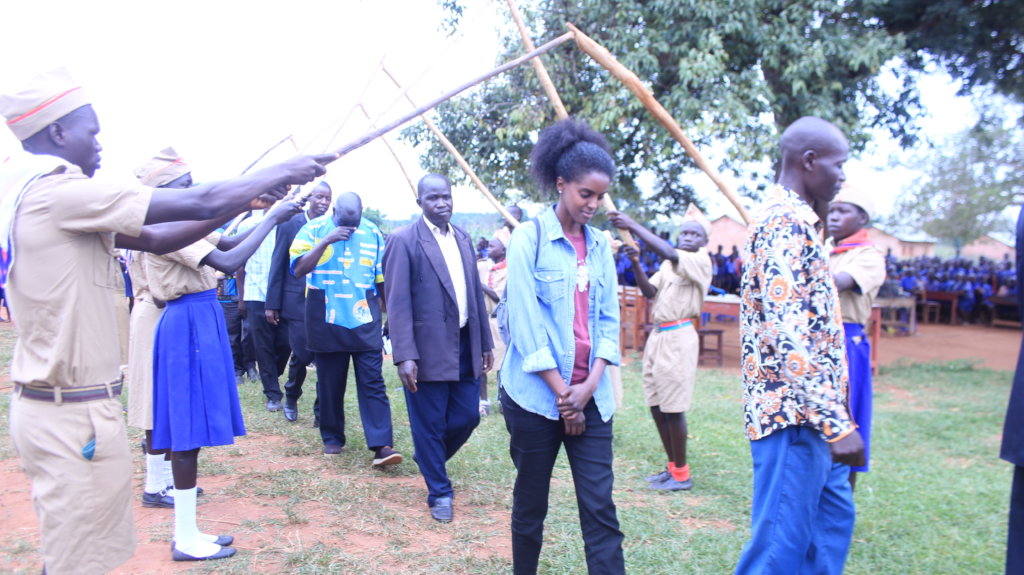
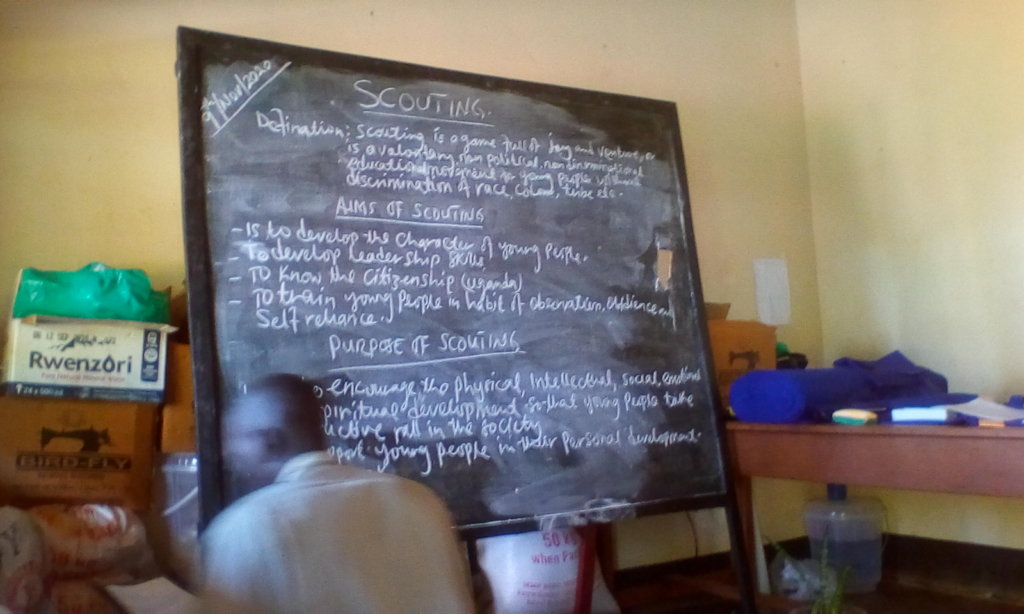
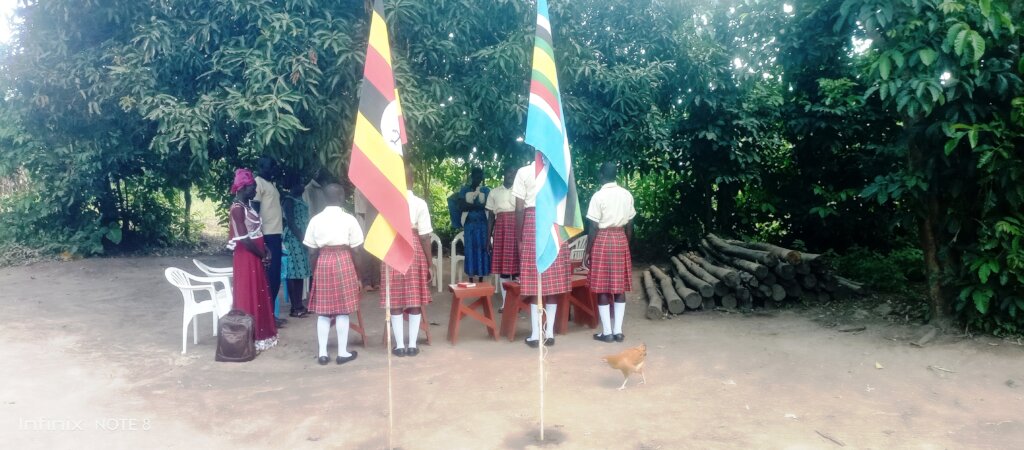
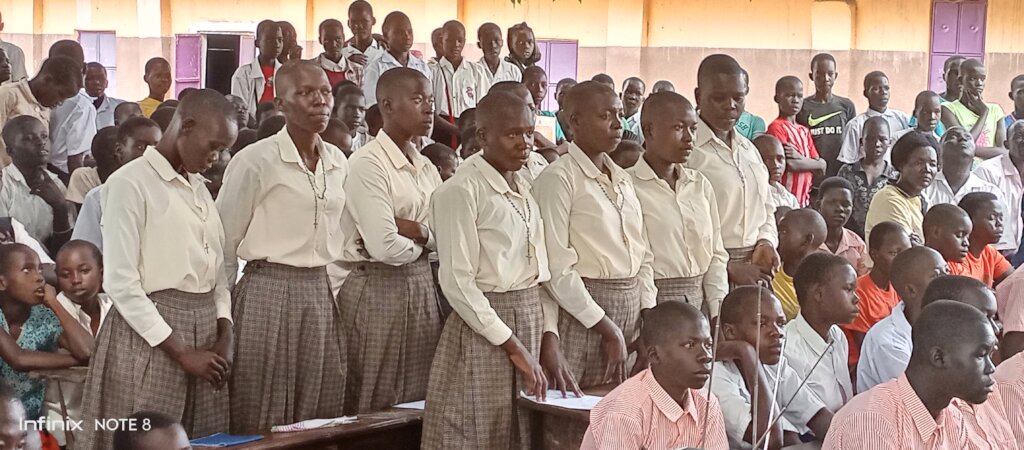
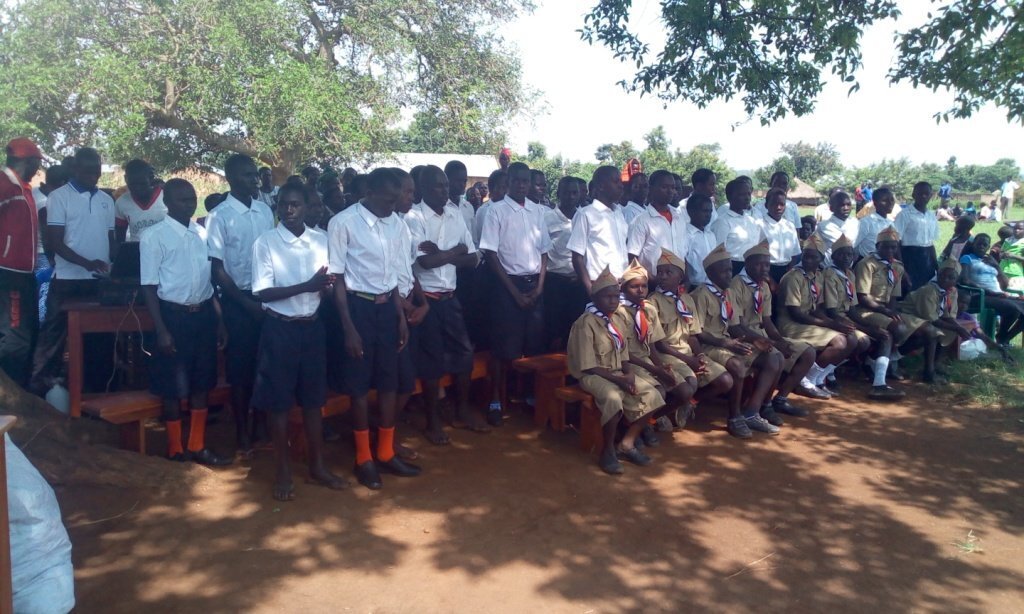
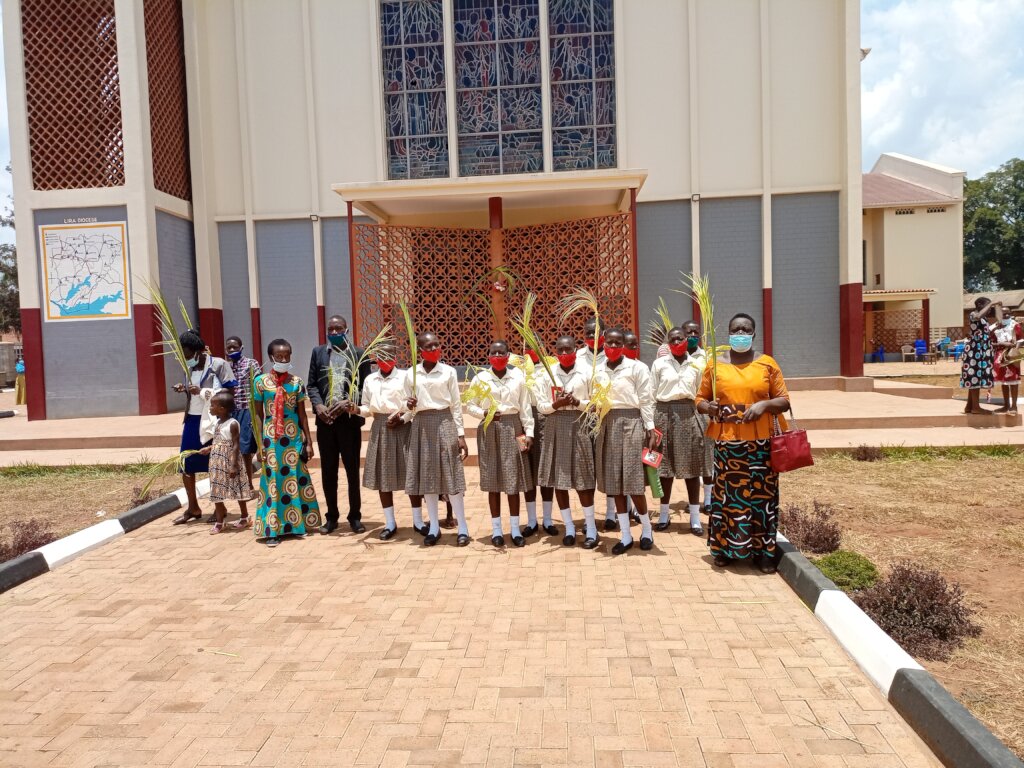
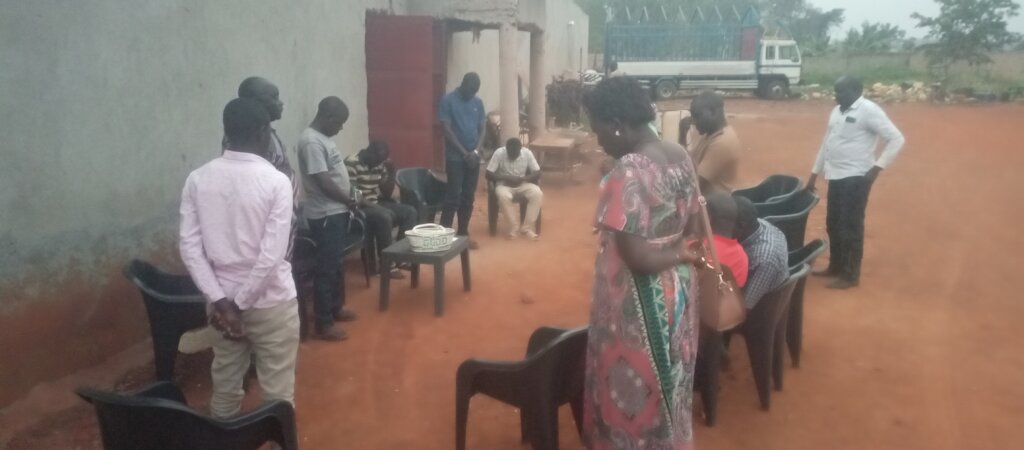
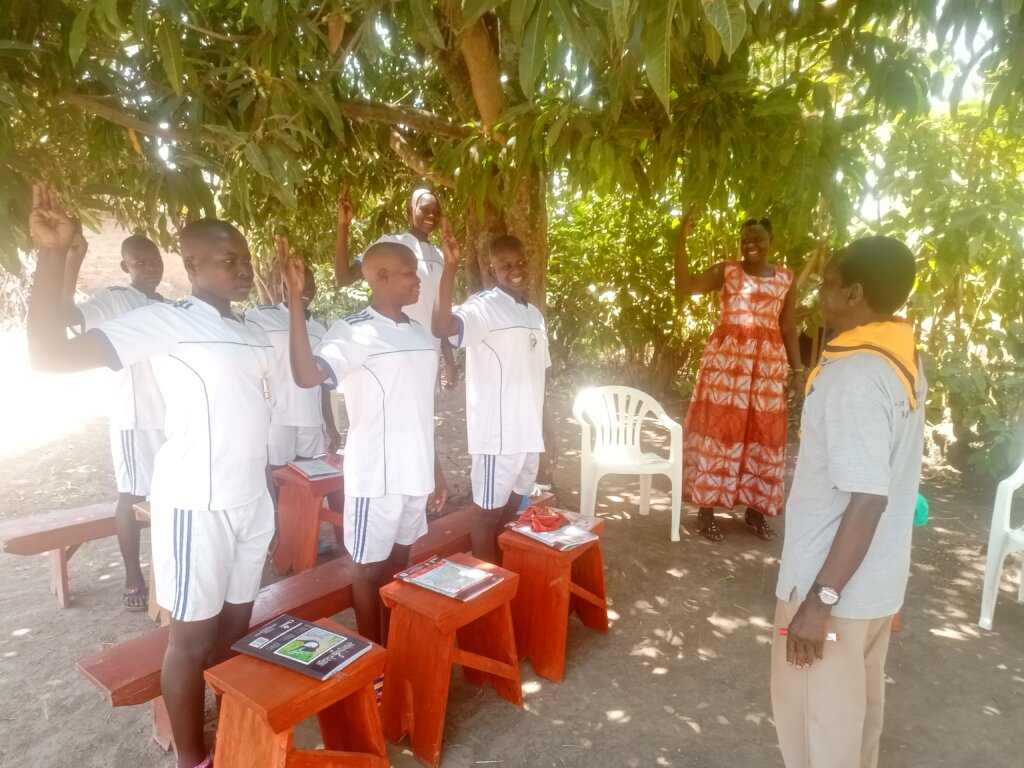
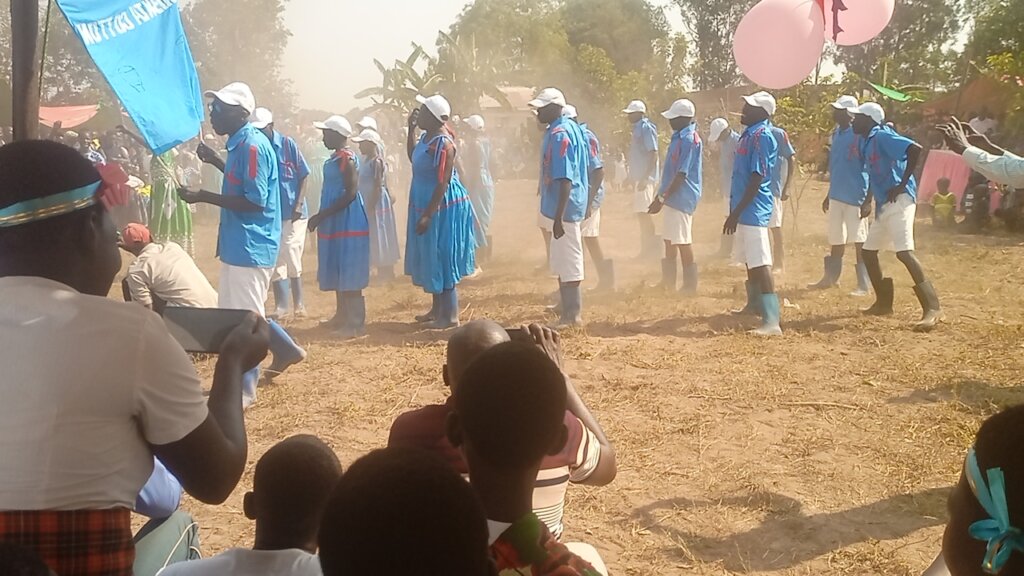
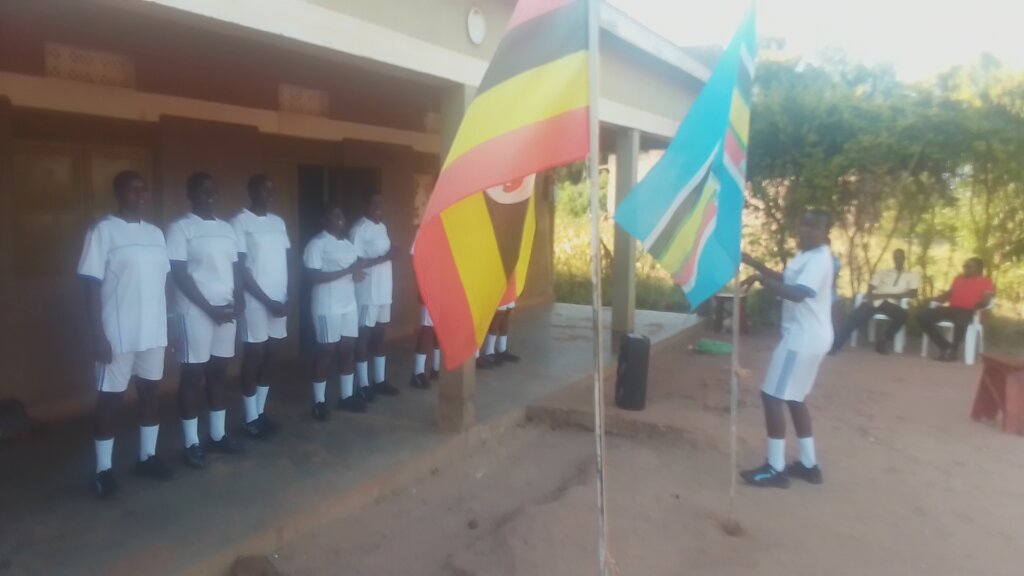
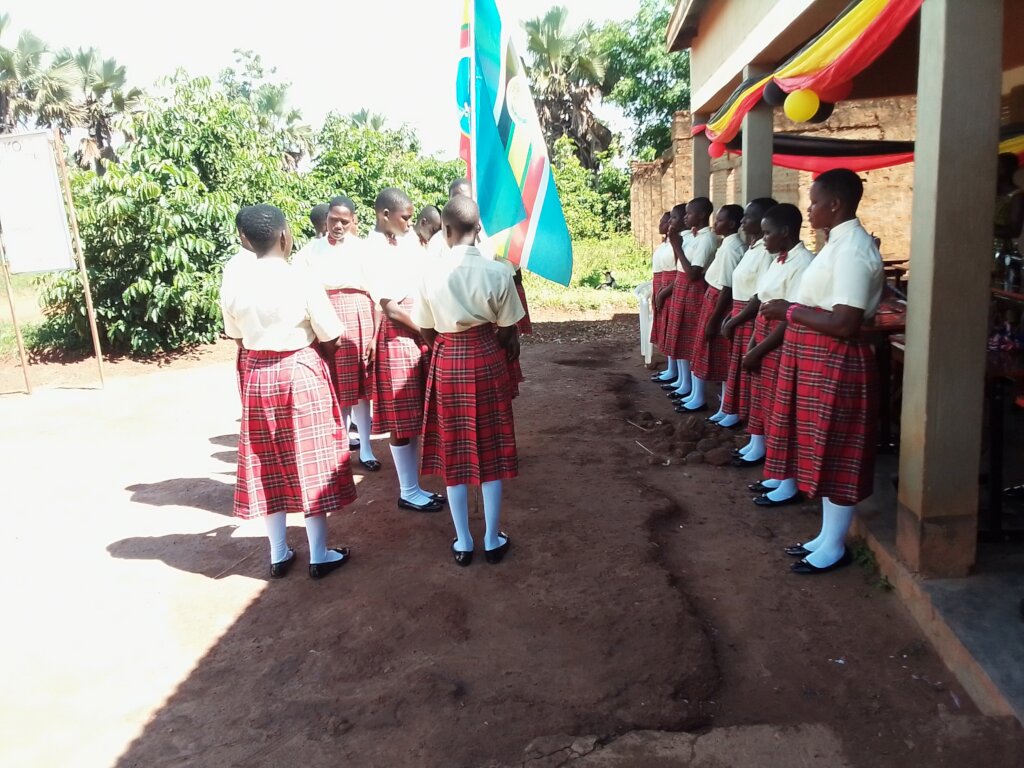
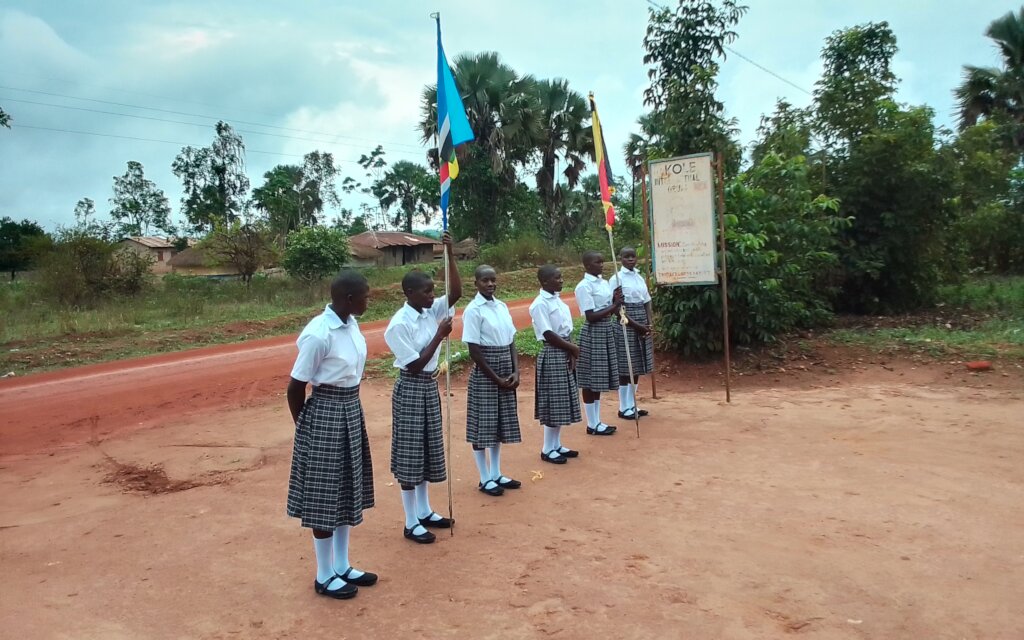
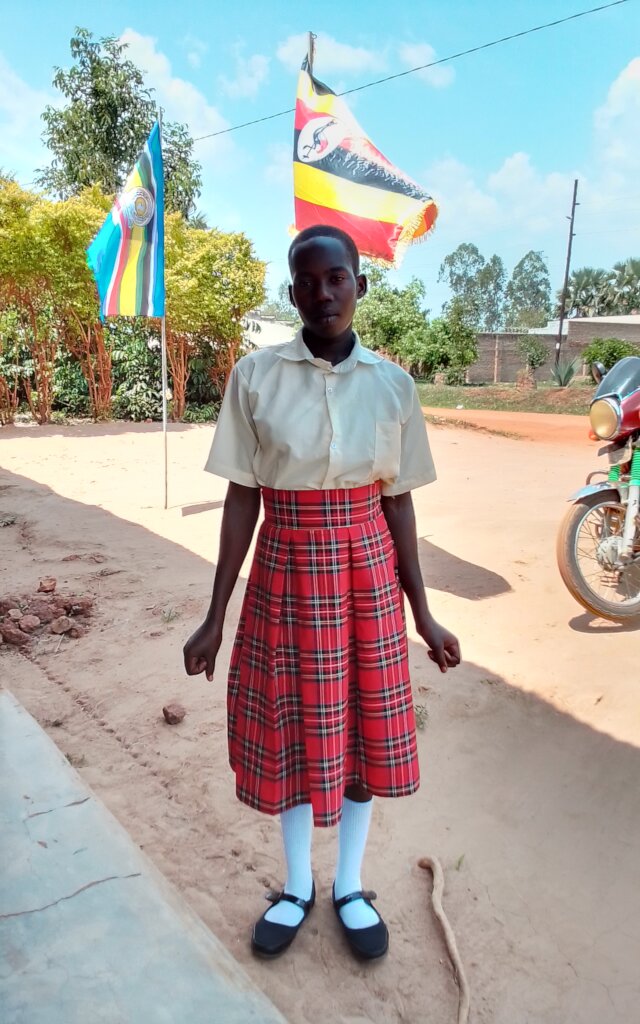
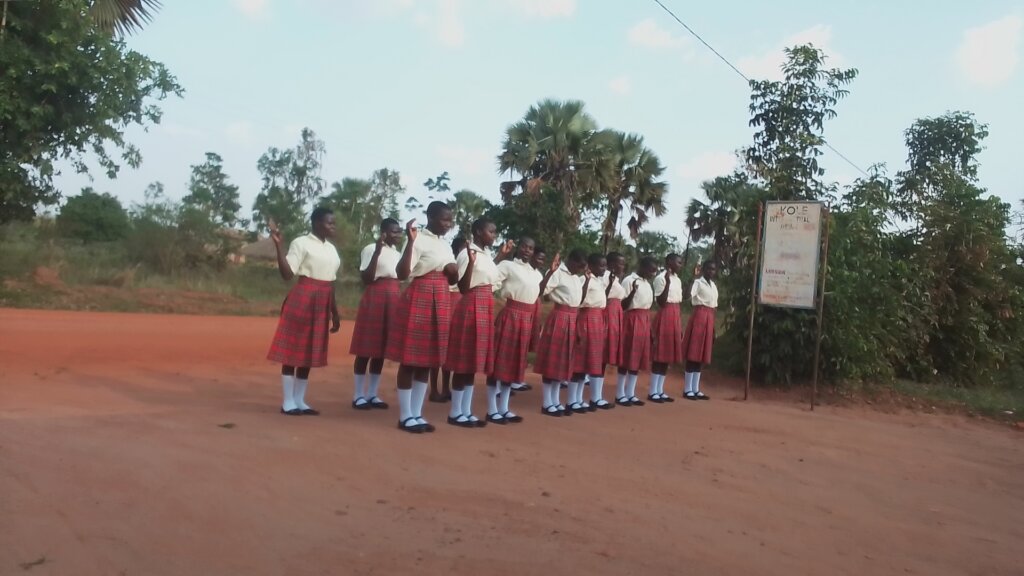
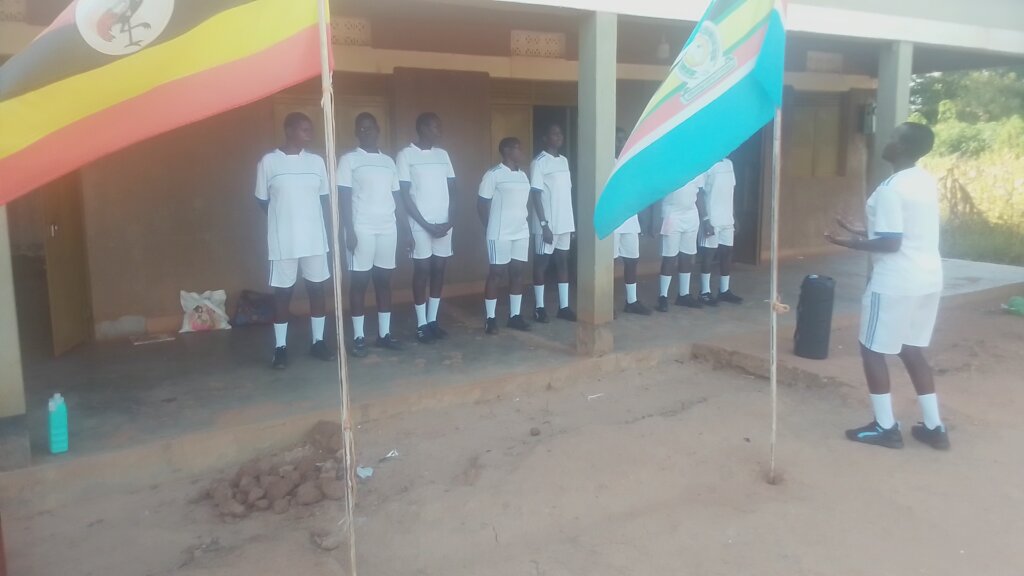
Encouraging patriotism at Kole Intellectual Forum to promote social stability among the students and staff.
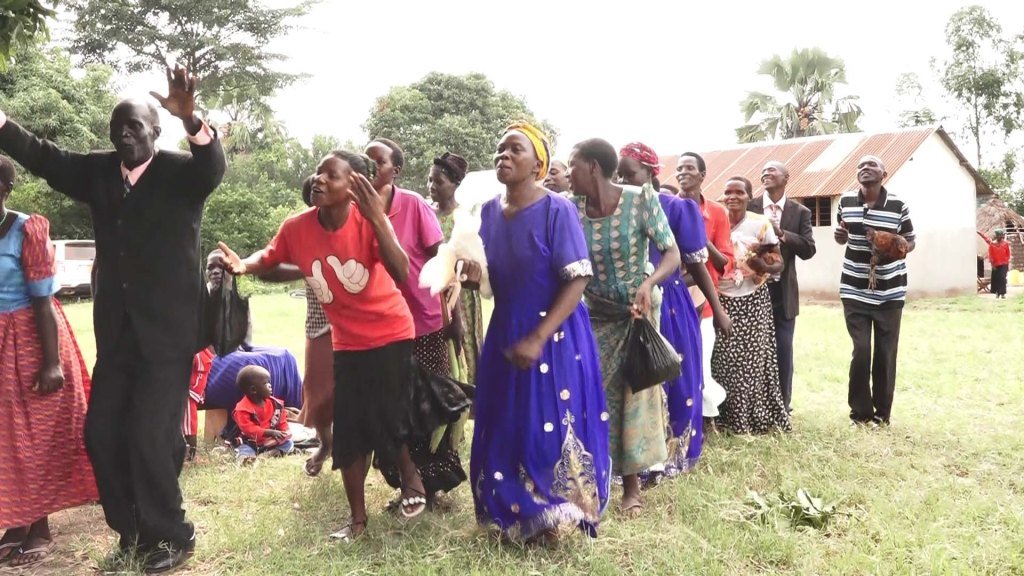
Because it helps the members of Kole Intellectual Forum to foster national unity, strengthen democracy and civic responsibility, contribute to social stability, and provide personal benefits to individuals. It involves more than just an emotional attachment; it is an active commitment to the well-being of one's nation and fellow citizens as one way to ensure the society remains peaceful.
Core Reasons for Kole Intellectual Forum to Practice Patriotism
- Fosters National Unity and Identity: Patriotism serves as a unifying force, bringing together people from diverse backgrounds, beliefs, and experiences under shared principles like freedom and opportunity. This collective identity can help citizens see each other as neighbors rather than strangers, making them more likely to work together for the common good and support each other during crises.
- Strengthens Democracy and Civic Responsibility: A patriotic citizenry is more likely to engage actively in the democratic process. This includes voting, staying informed on government policies, holding officials accountable, participating in local governance, and serving on juries. These acts of civic responsibility ensure that democracy thrives as a participatory endeavor.
- Contributes to Social Stability and Peace: When individuals hold their country in high regard and respect its laws and institutions, it helps maintain social order and discourages civil unrest. This sense of collective responsibility motivates citizens to contribute to a stable environment and advocate for peaceful resolutions to conflicts.
![Share on Twitter]()
![Share on Facebook]()
Oct 22, 2026
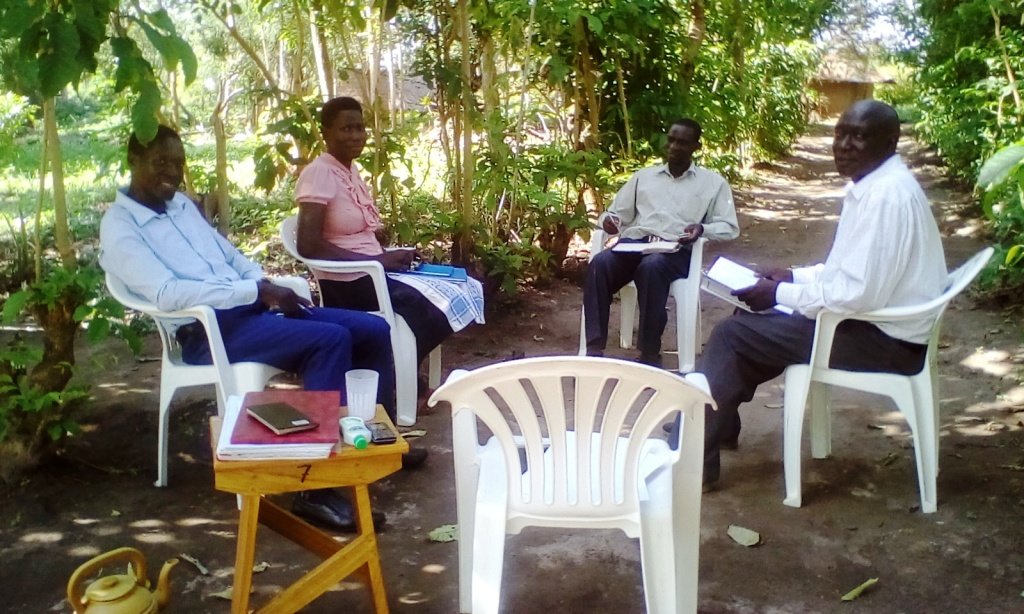
Dealing with An Action Research to solve problems
By George Obua | Project Leader
It has been the principle of Kole Intellectual Forum to deal with an Actin Research to help her to thrive for a positive outcome
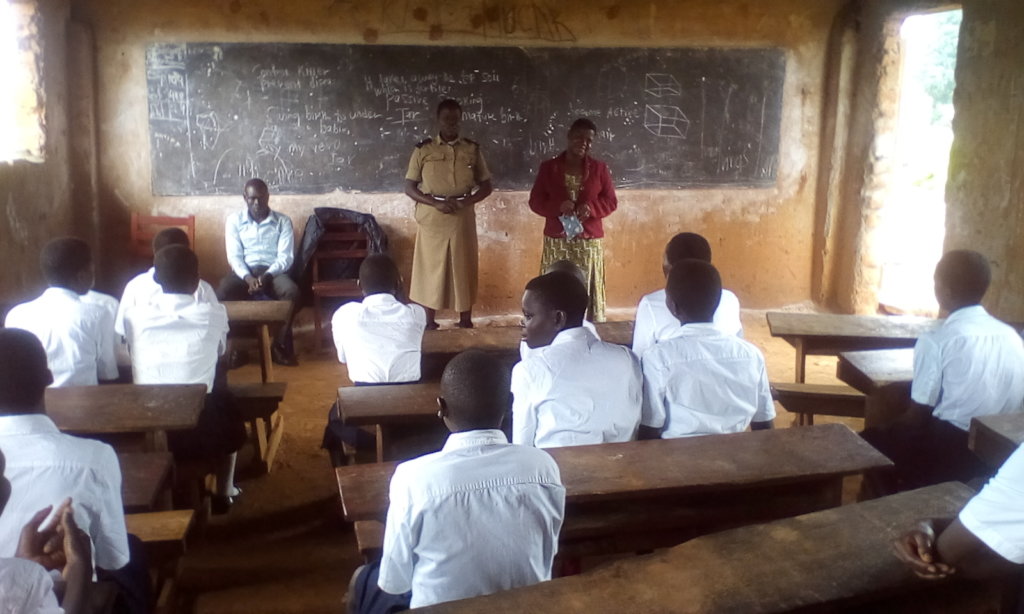
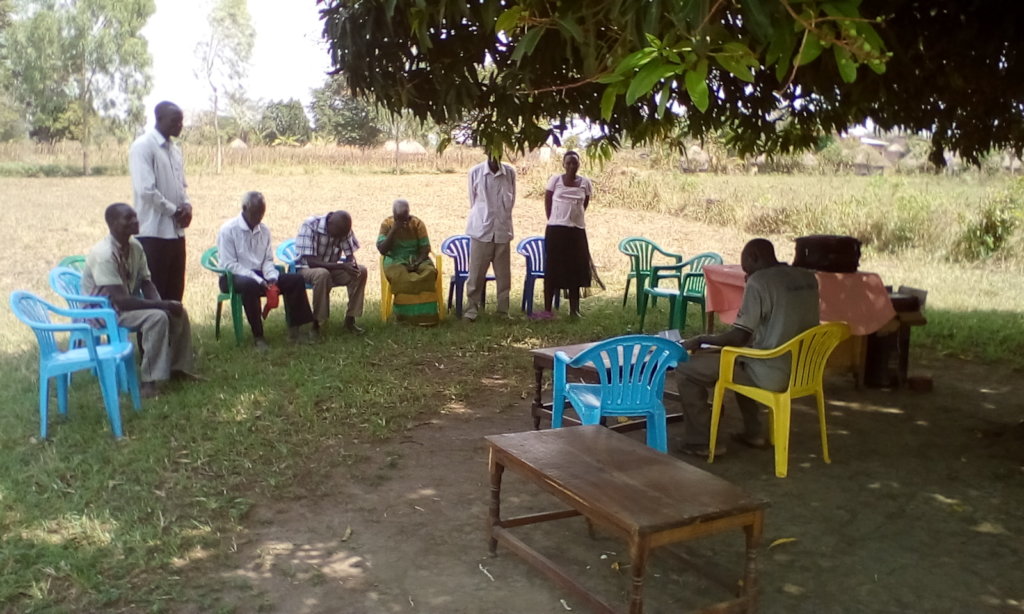
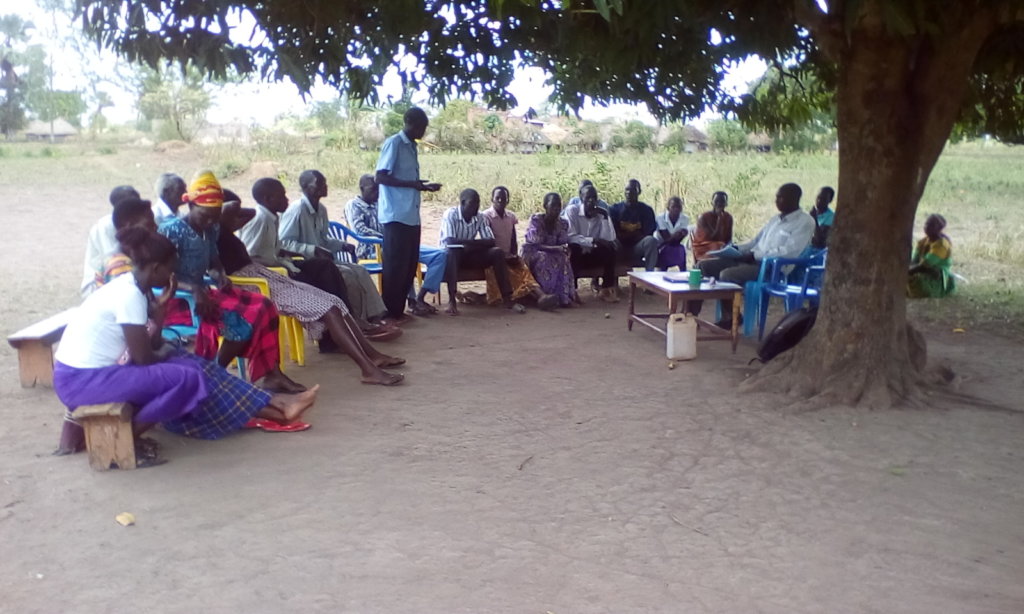
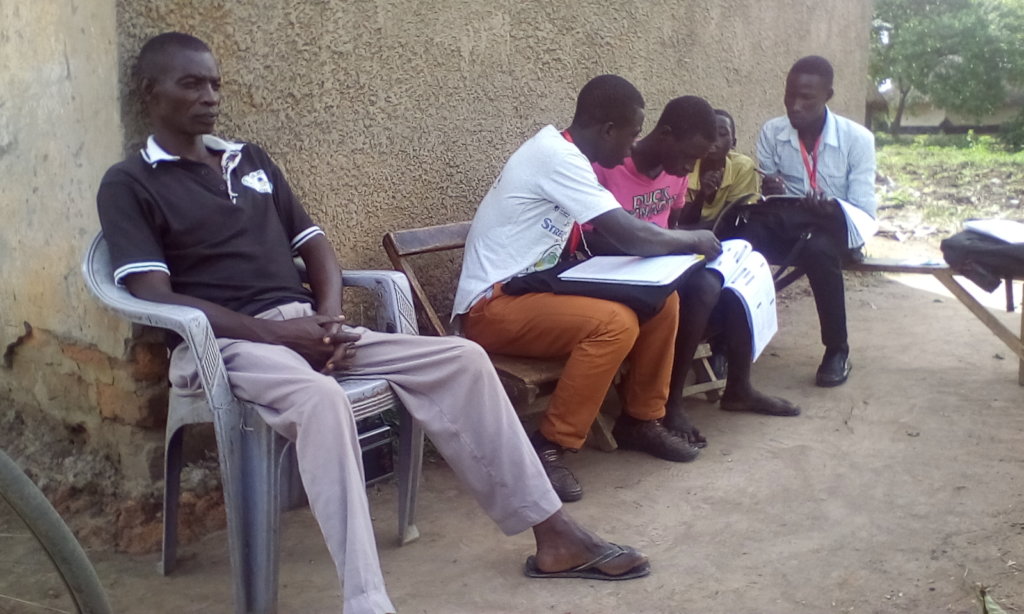
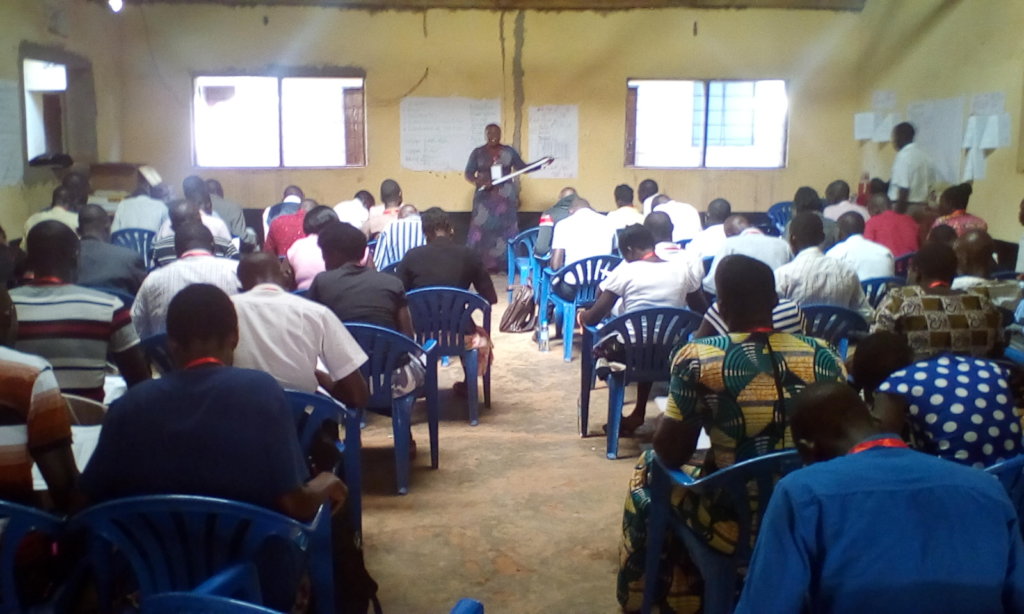
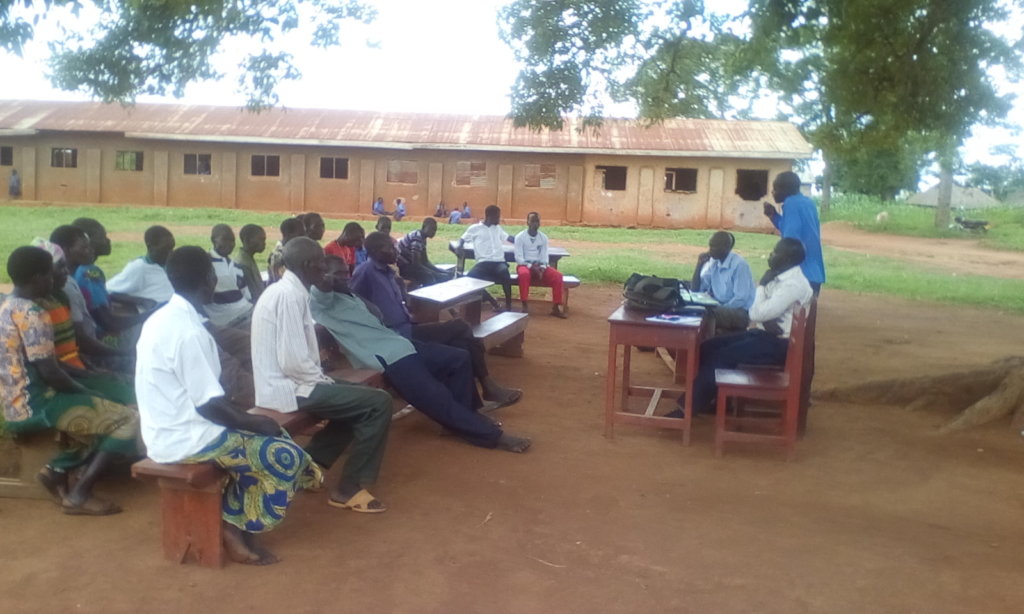
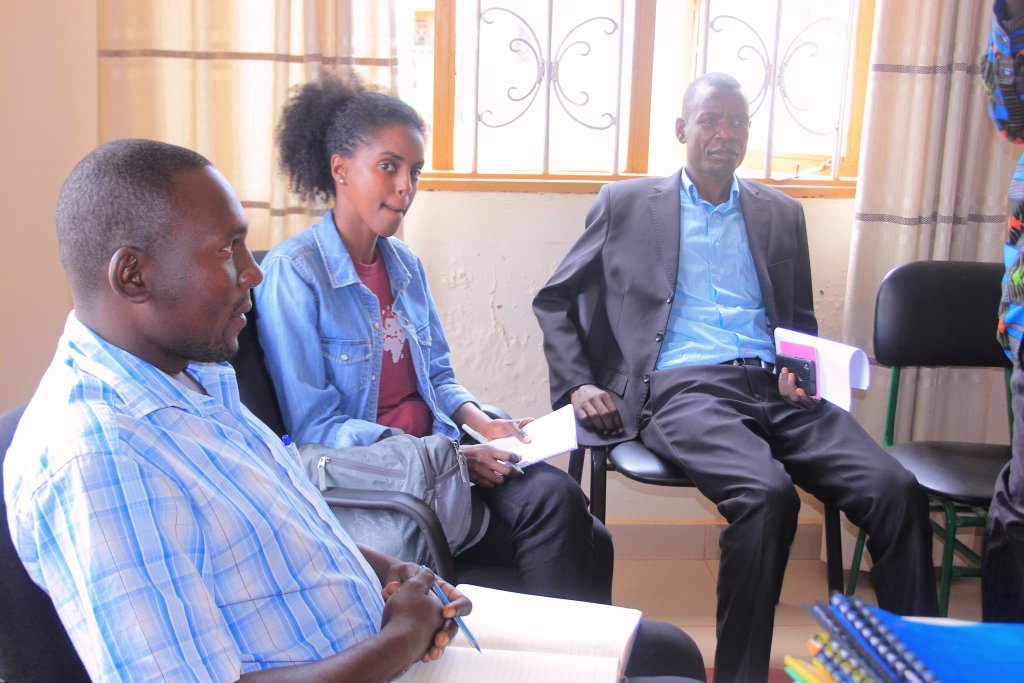
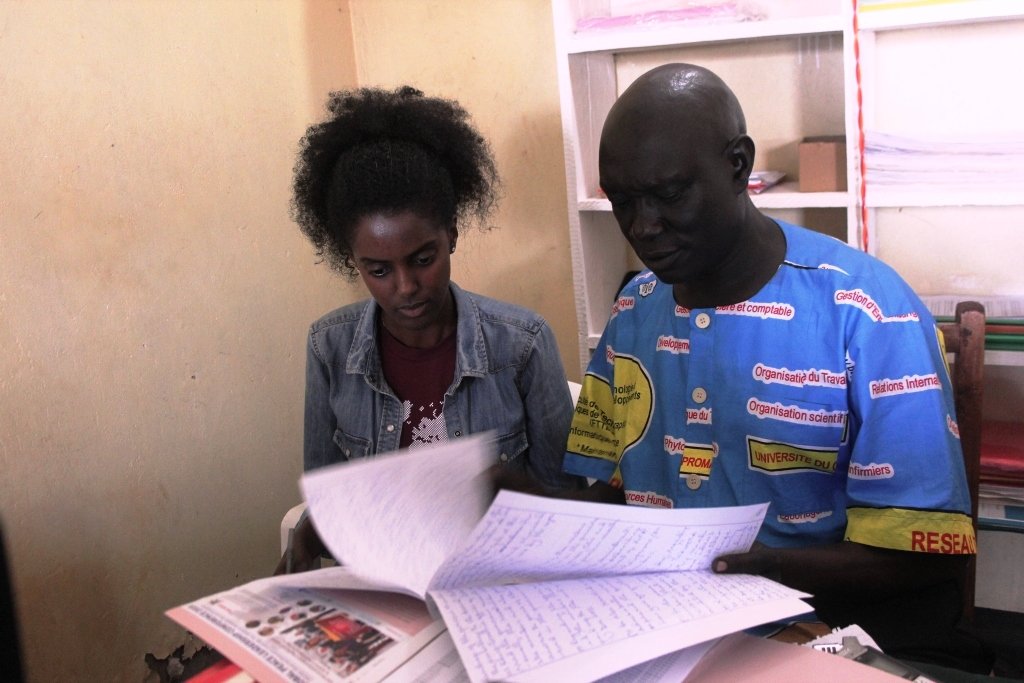
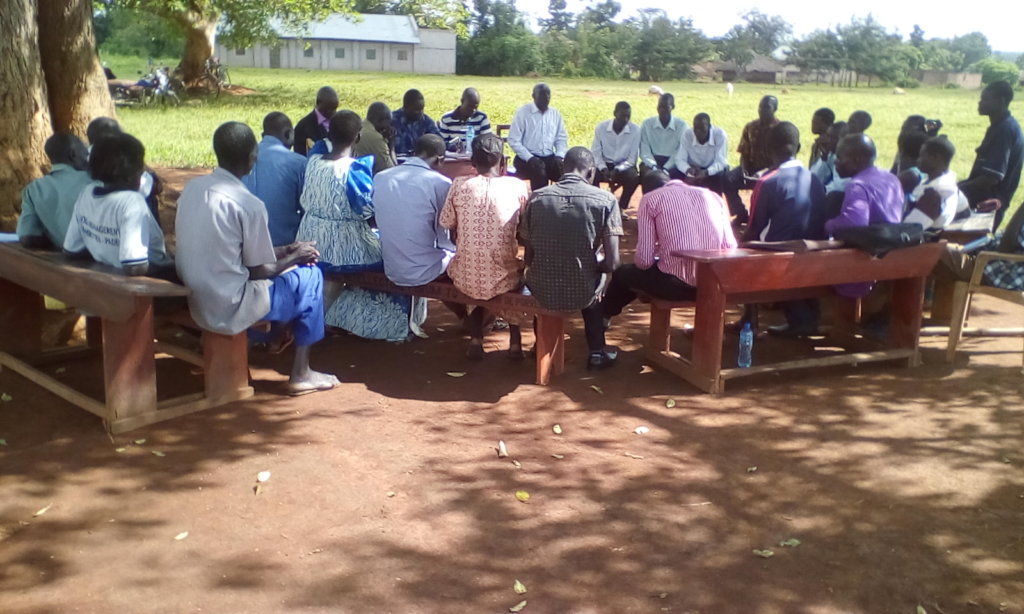
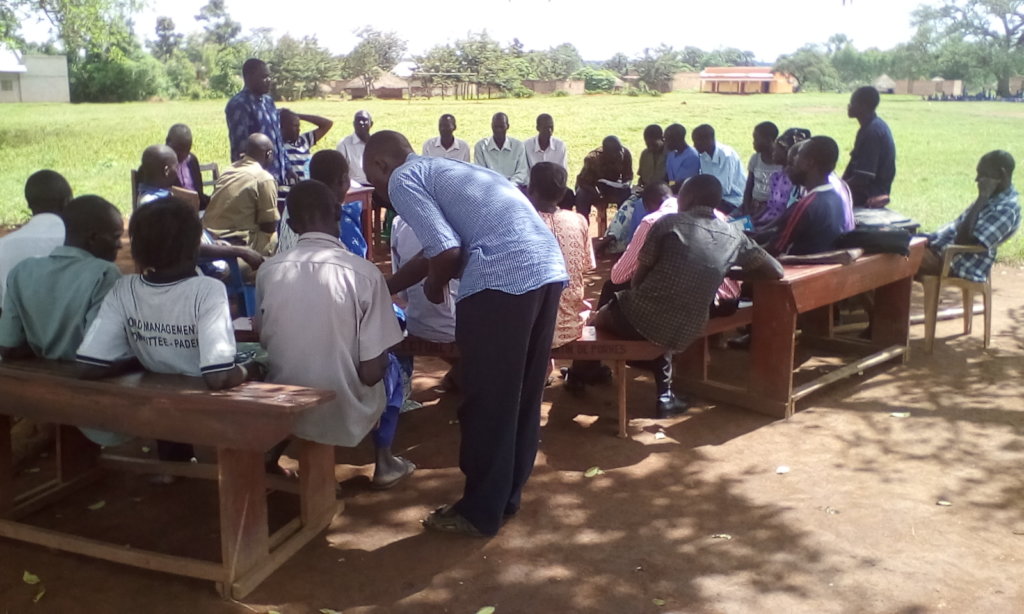
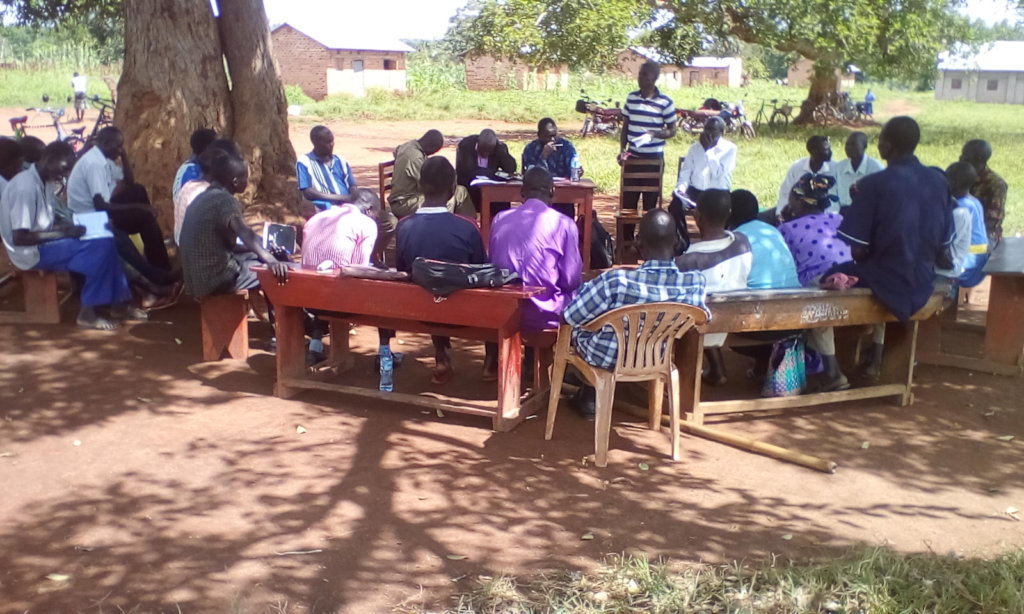
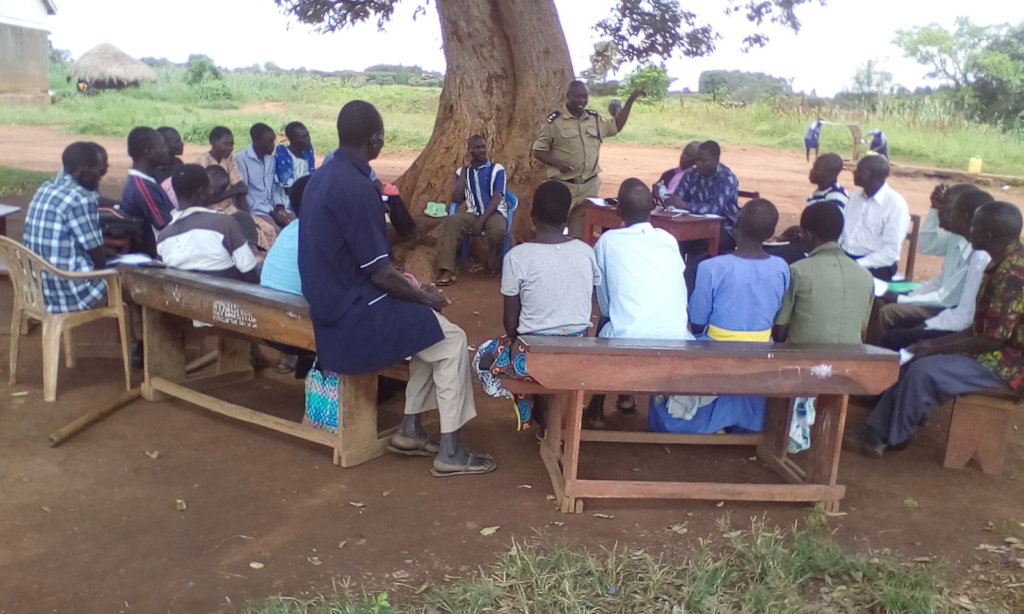
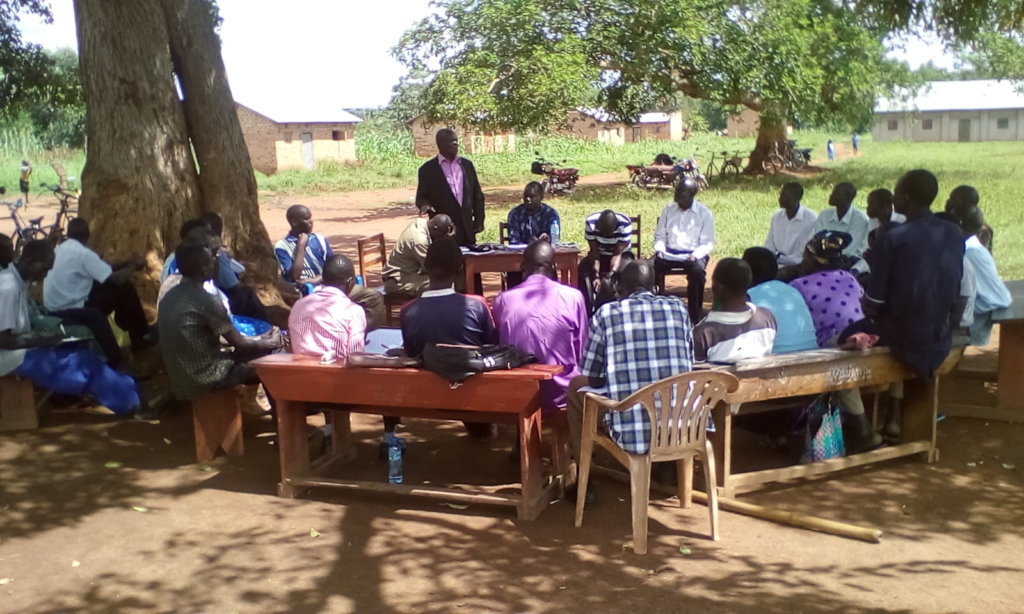
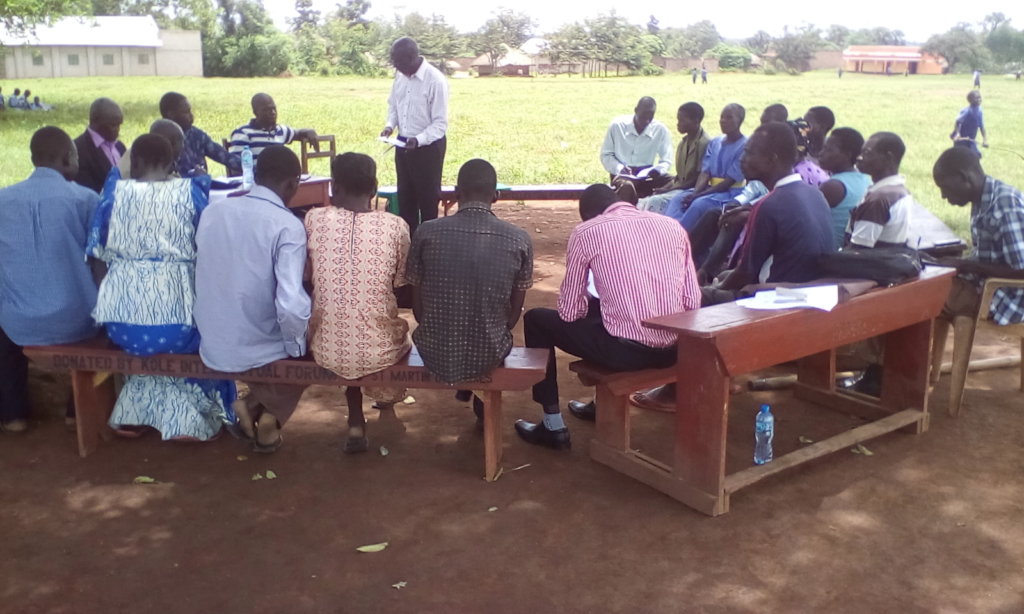
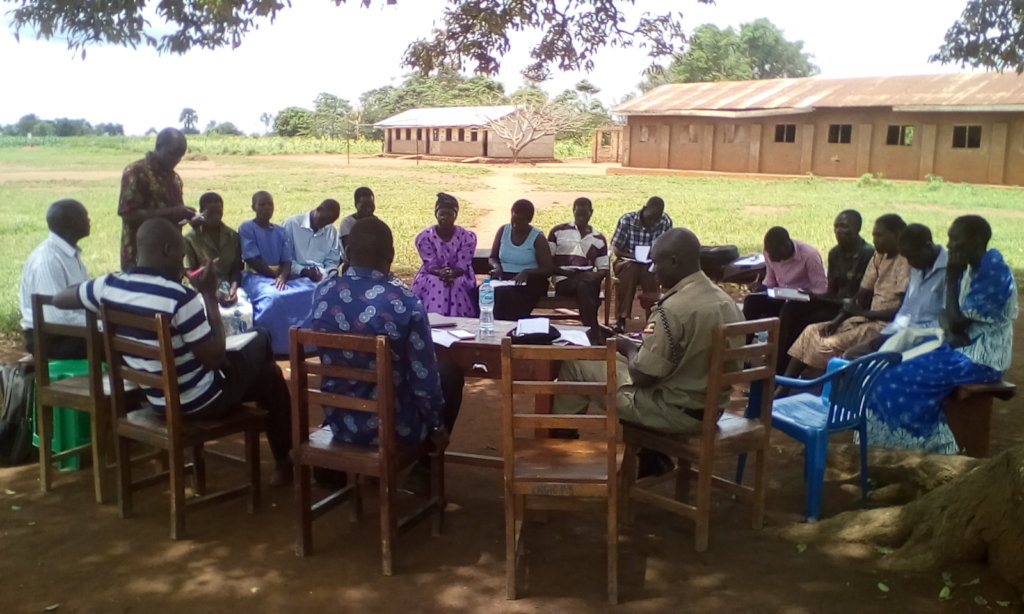
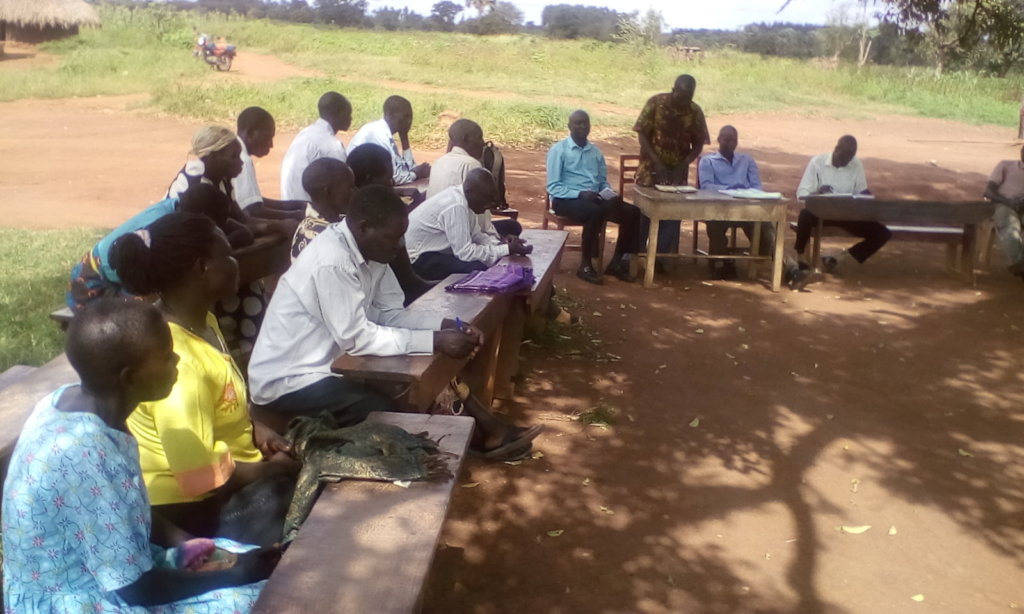
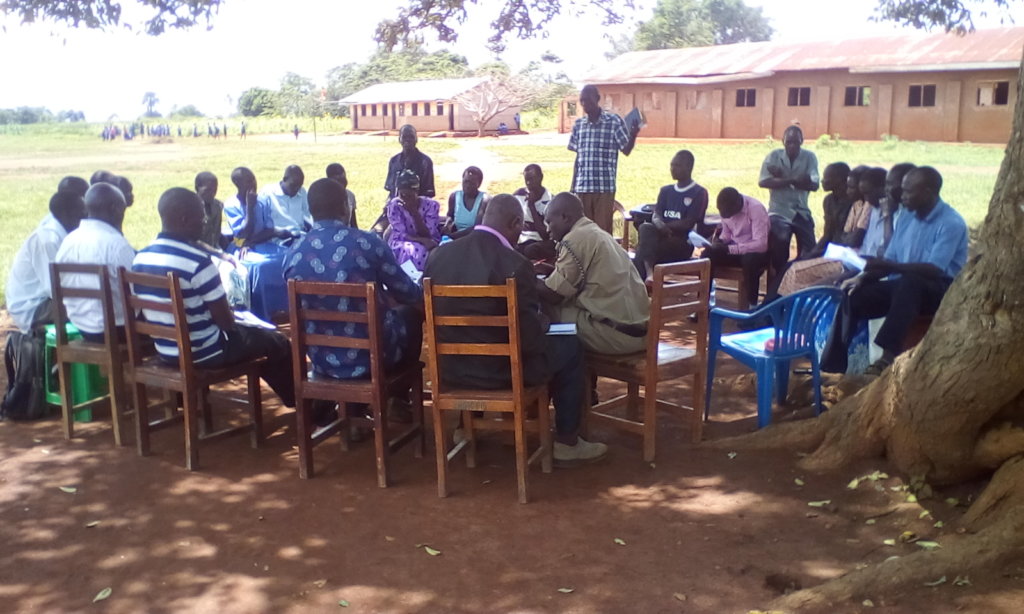
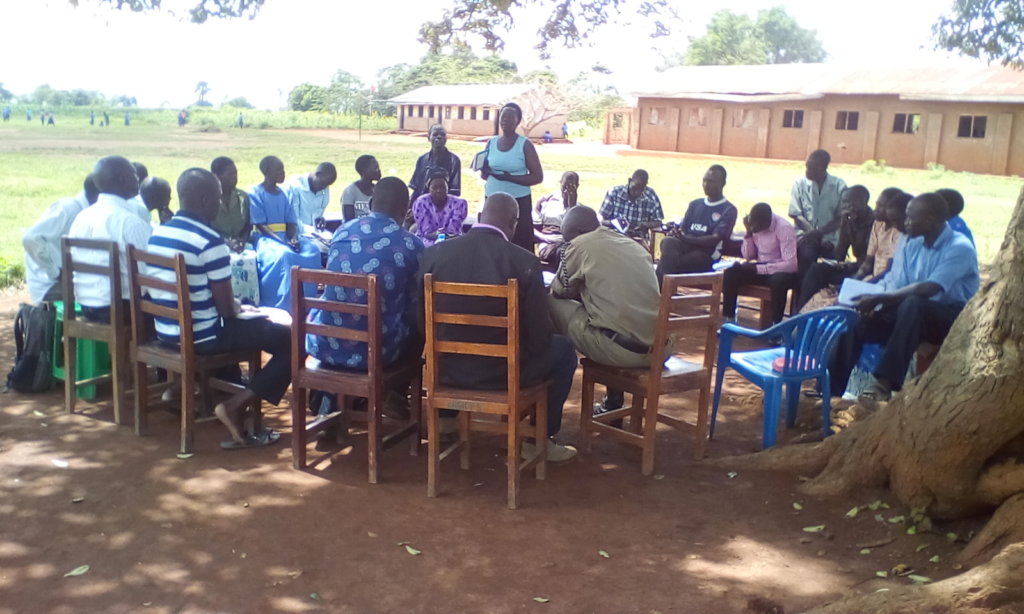
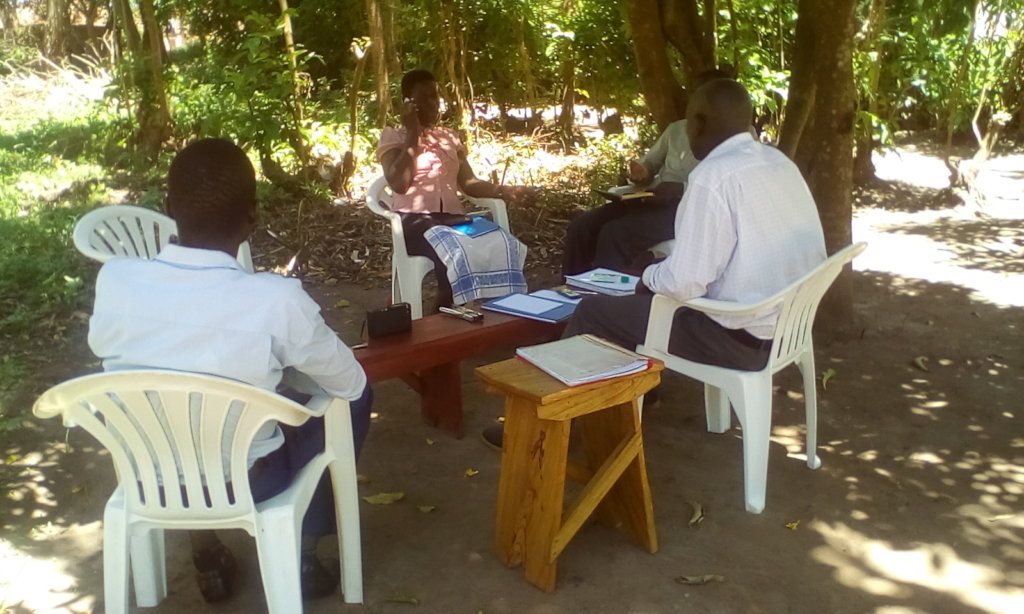
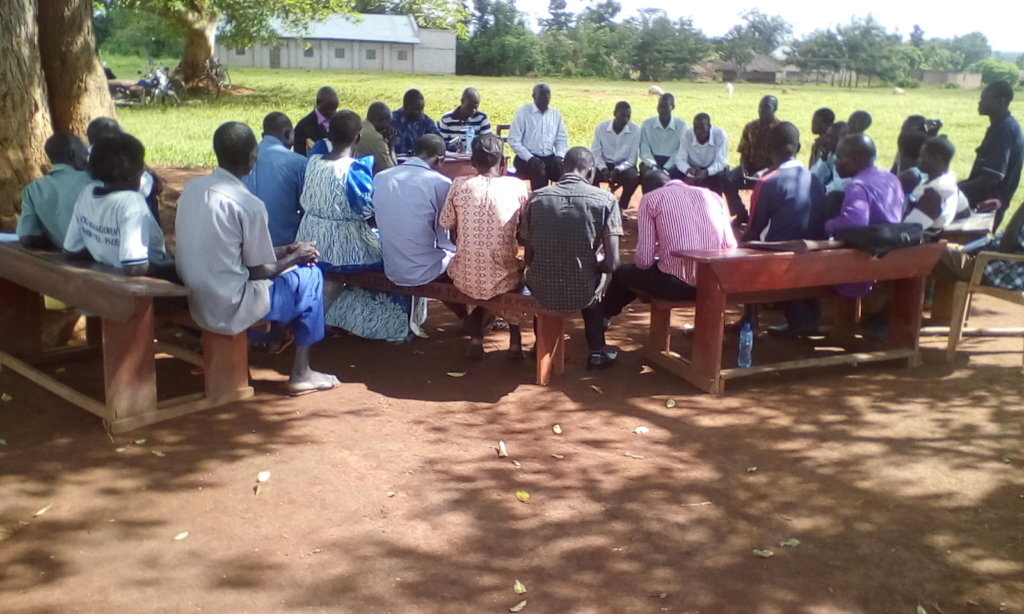
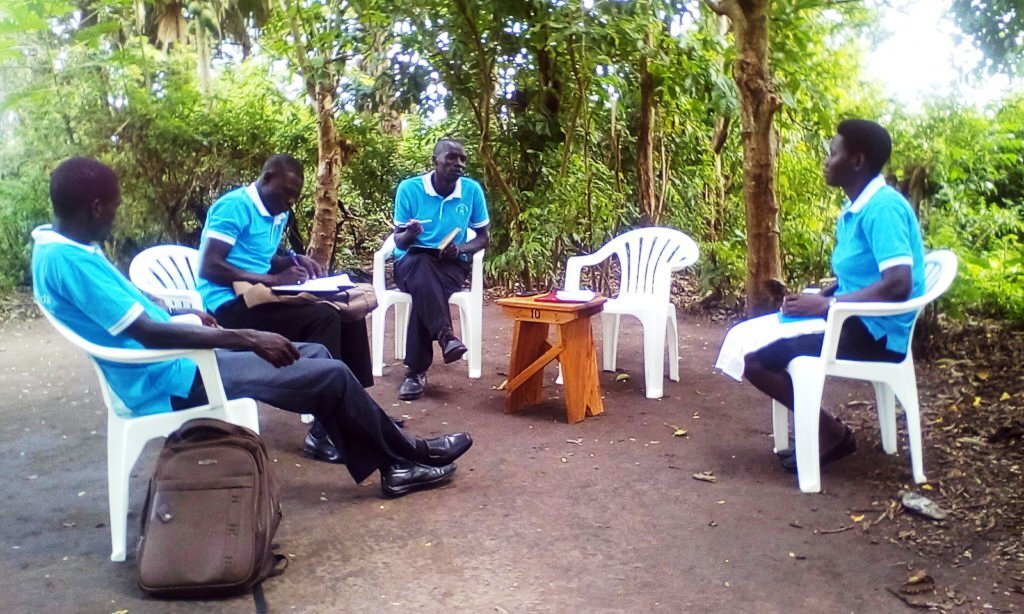
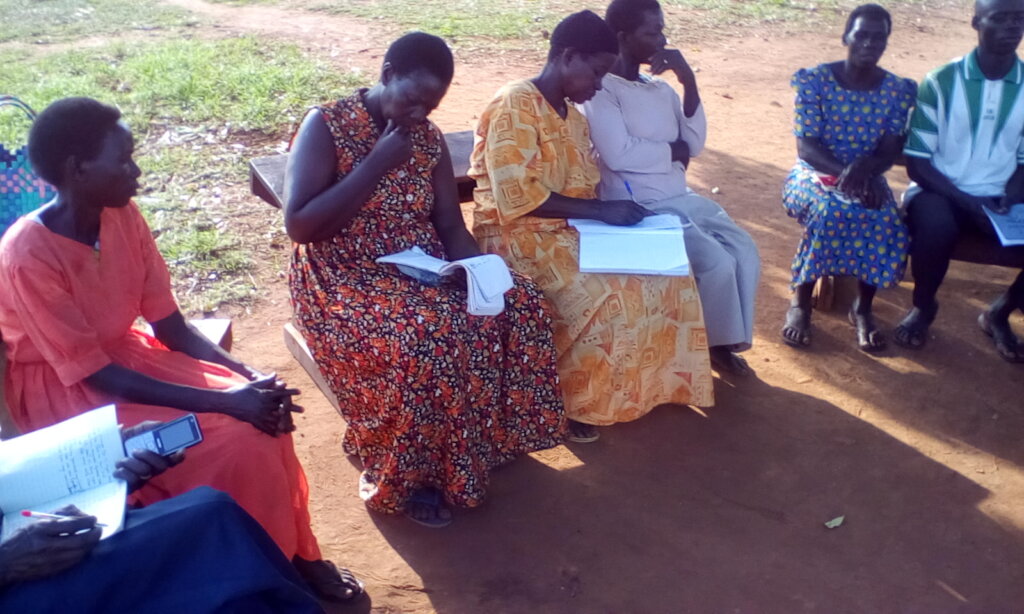
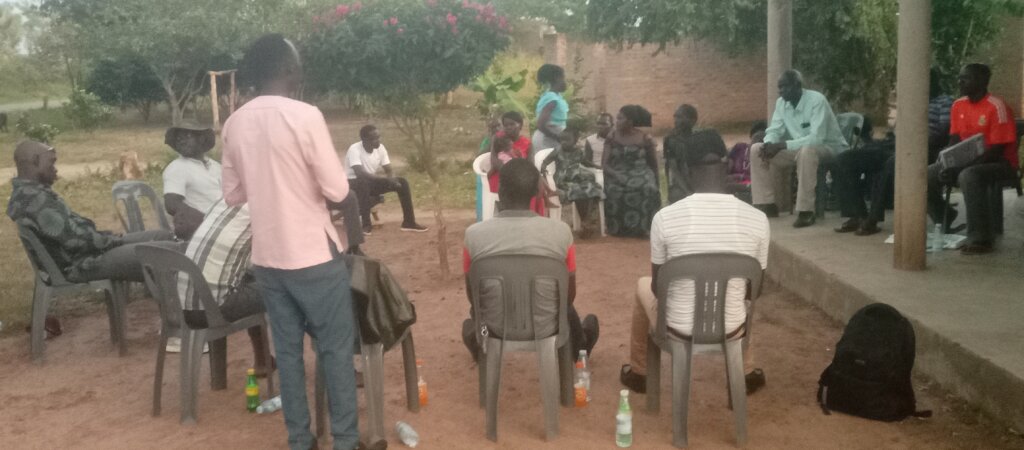
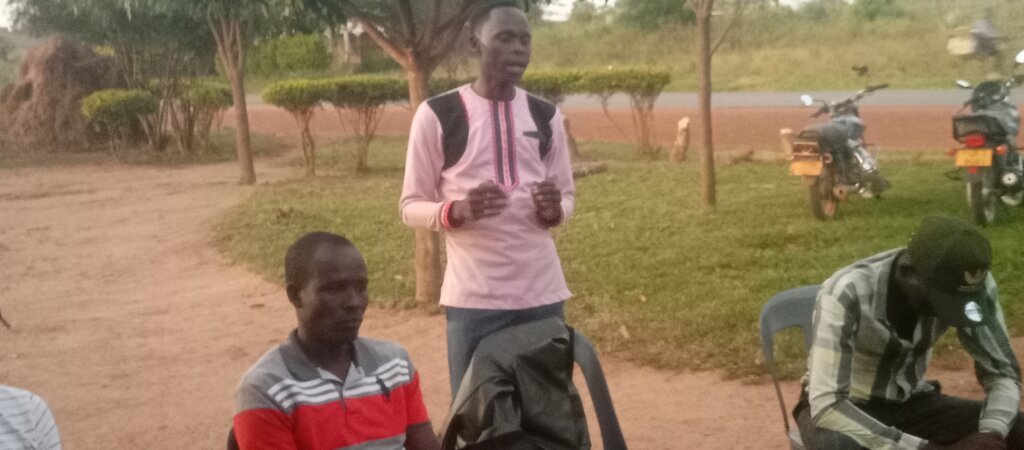
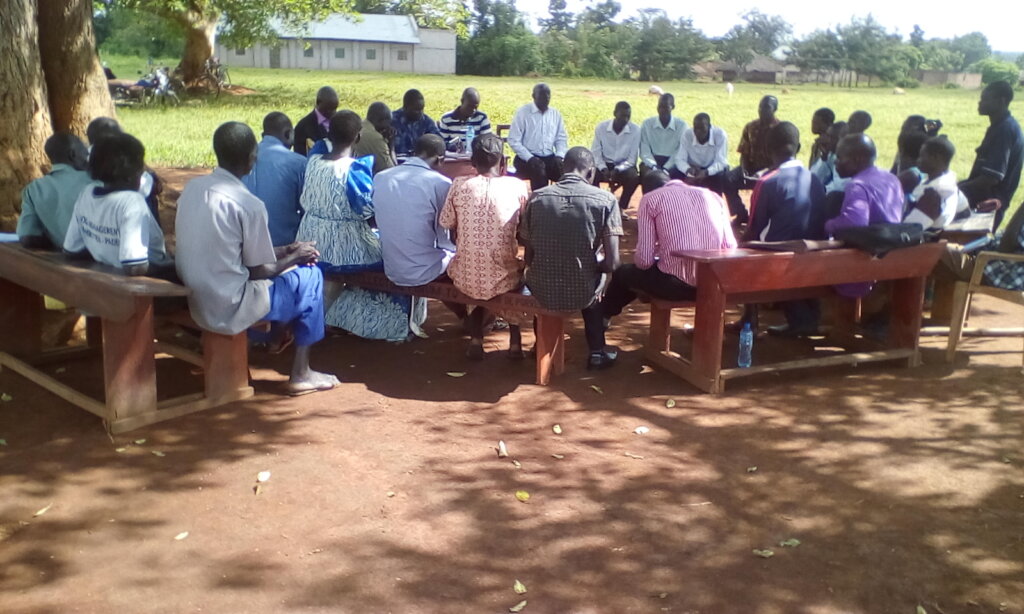
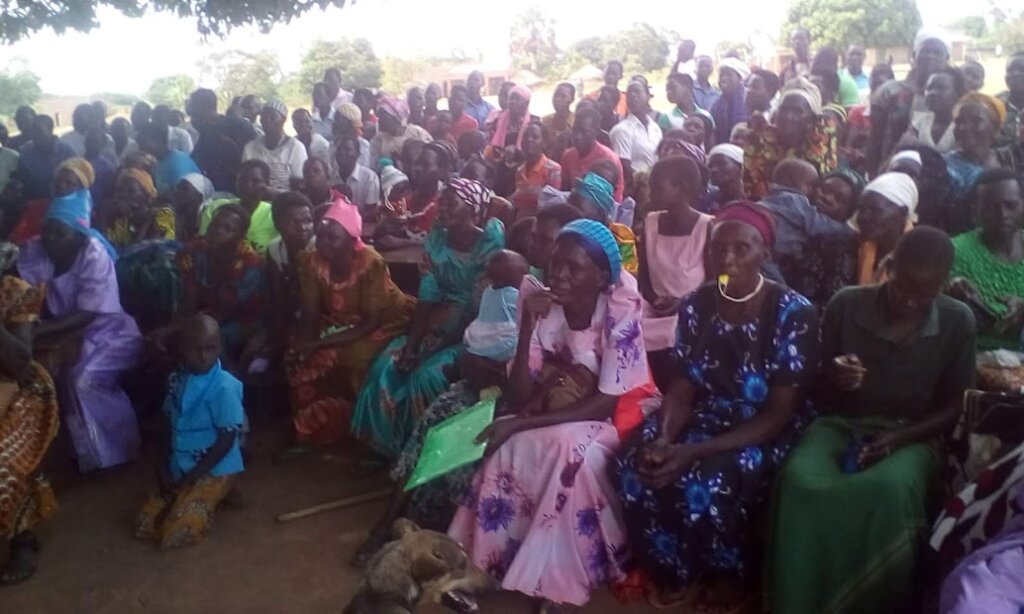
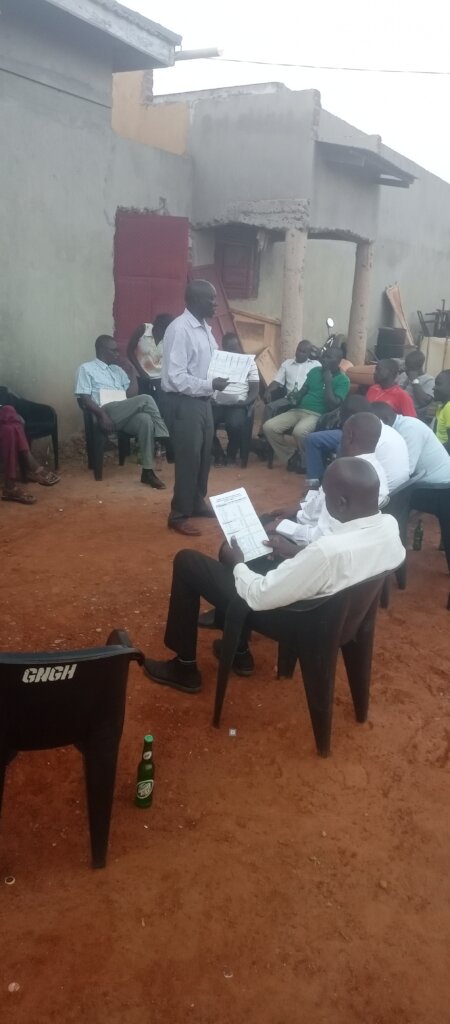
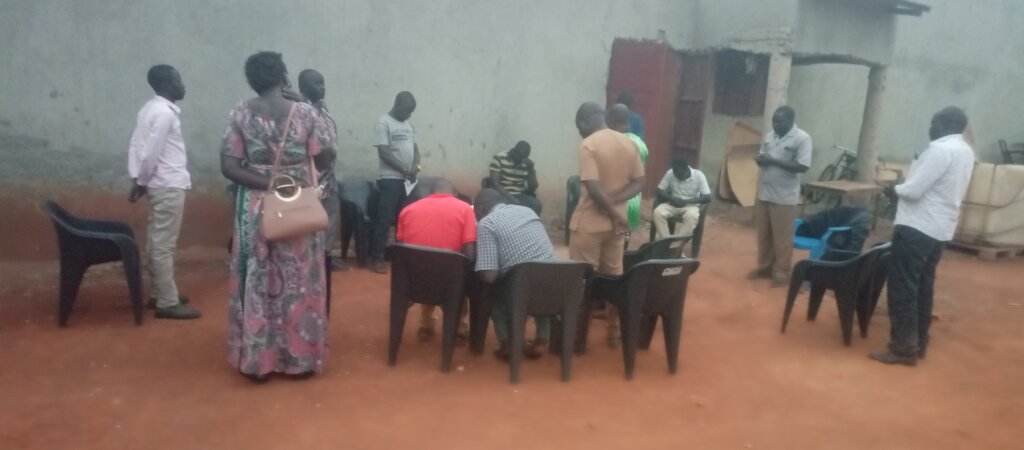
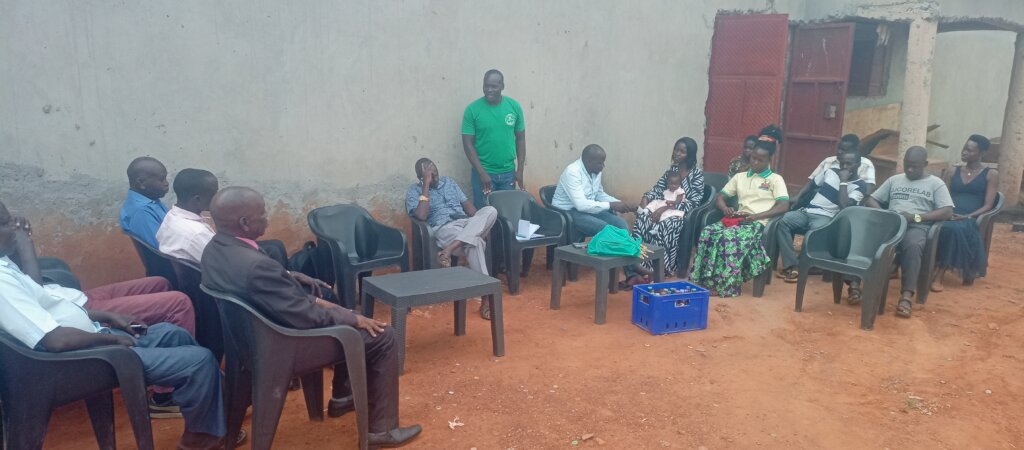
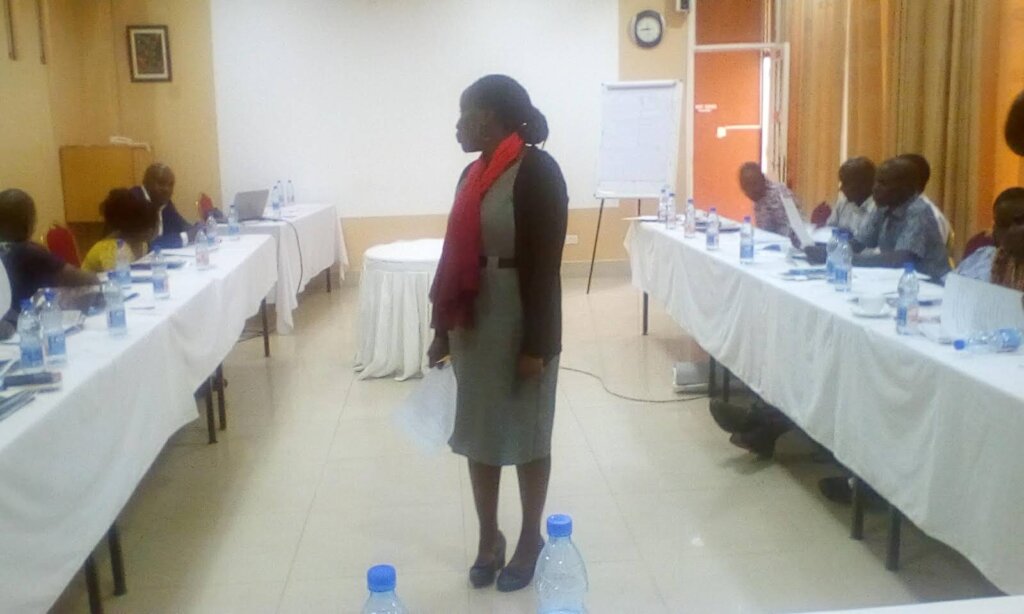
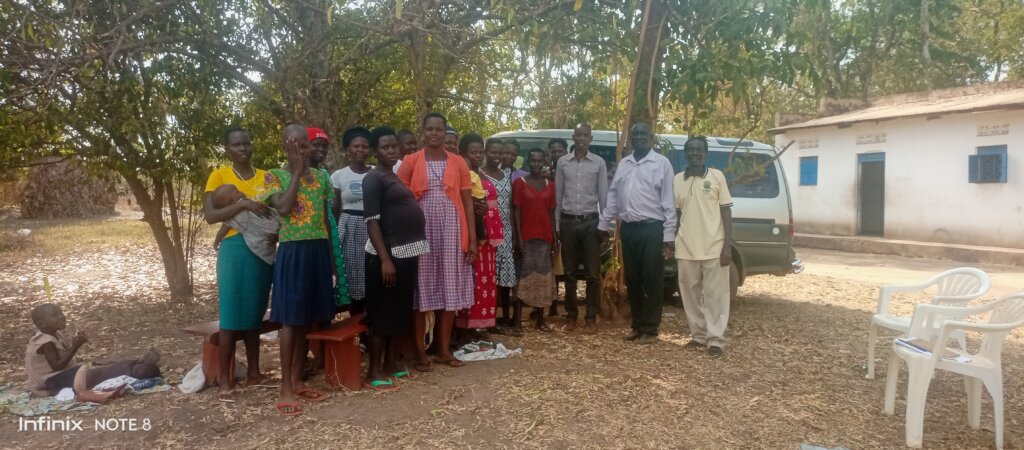
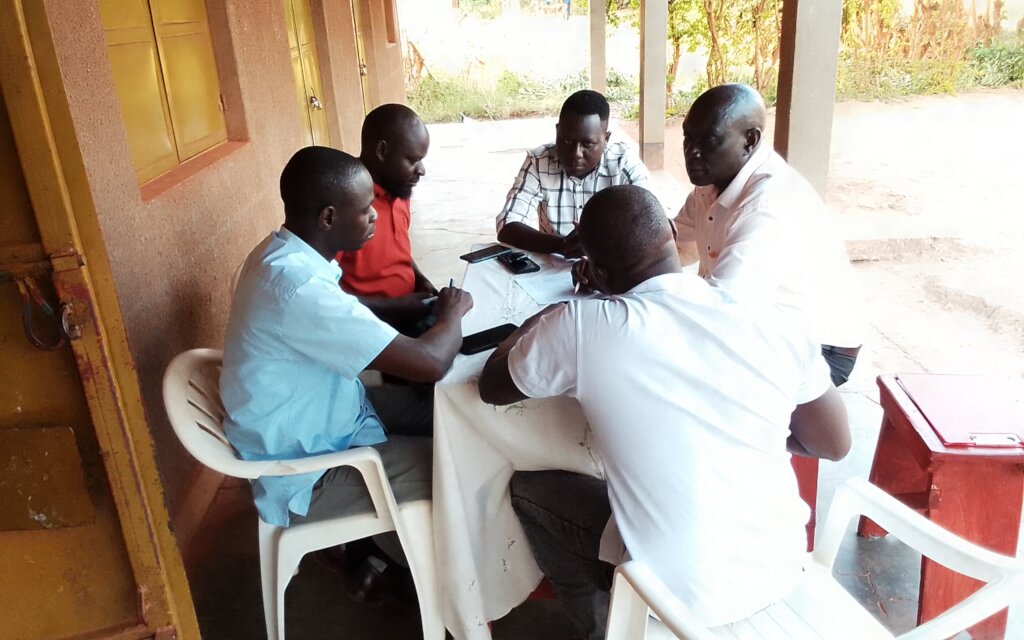
To thrive for a desired outcome in a human ways of life; Kole Intellectual is conducting a Continuous action research in a cyclical or a iterative process , an action that their team of researchers conduct to identify a problem, plan and take action, observe the results, and then reflect and adjust their approach to improve their practice. This ongoing cycle has allowed them have a continuous improvement in real-time by solving problems as they are encountered. Indeed, this approach has often referred to a "cycle of action" or "cycle of inquiry" because it repeats the actions until the desired outcome is achieved.
The main characteristics and steps taken are to:
- Identify a problem: Begin by pinpointing a specific challenge or area for improvement within a real-world context, such as a classroom or school.
- Plan and act: Develop a research plan to address the problem and then implement it.
- Observe and evaluate: Collect data and observe the results of the implemented action.
- Reflect and adjust: Reflect on the observations and results, then make necessary adjustments to the plan for the next cycle.
- Repeat: Continue the cycle of planning, acting, observing, and reflecting until the problem is solved or the practice is sufficiently improved.
![Share on Twitter]()
![Share on Facebook]()