Project Report
| Nov 6, 2026
A course unit of Interest, emotional intelligent
By George Obua | Project Leader
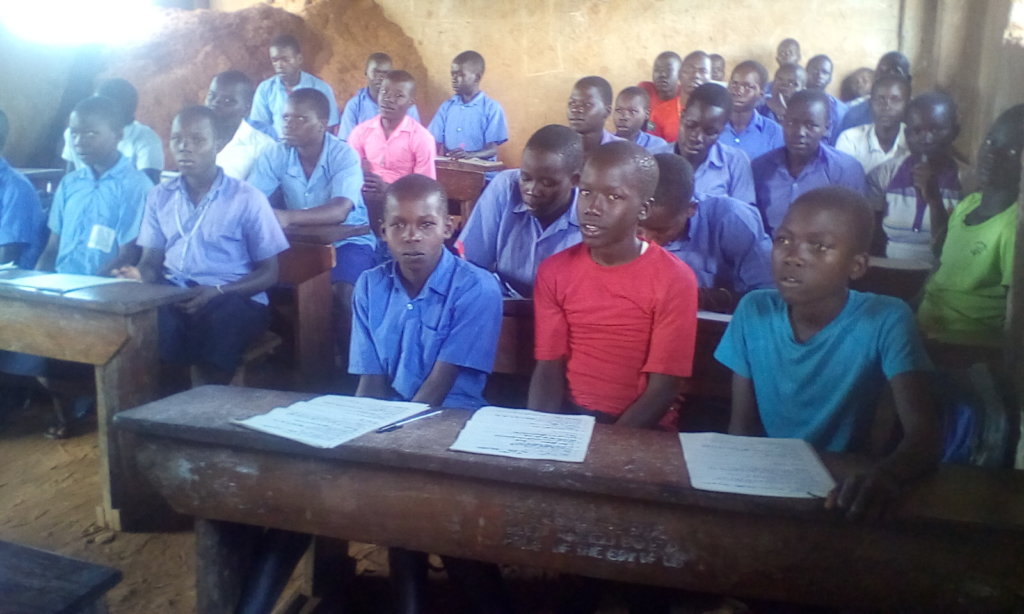
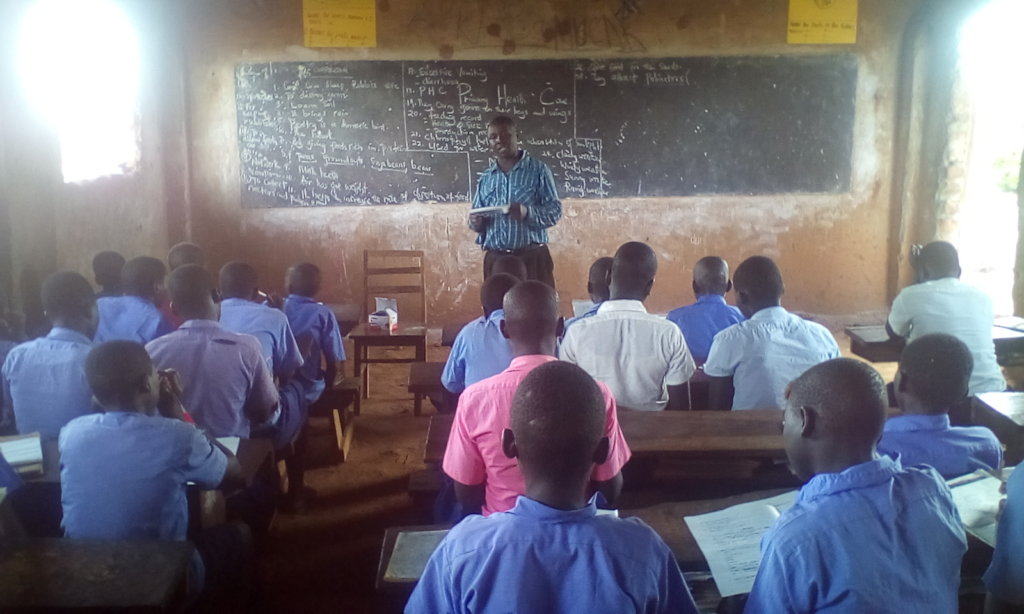
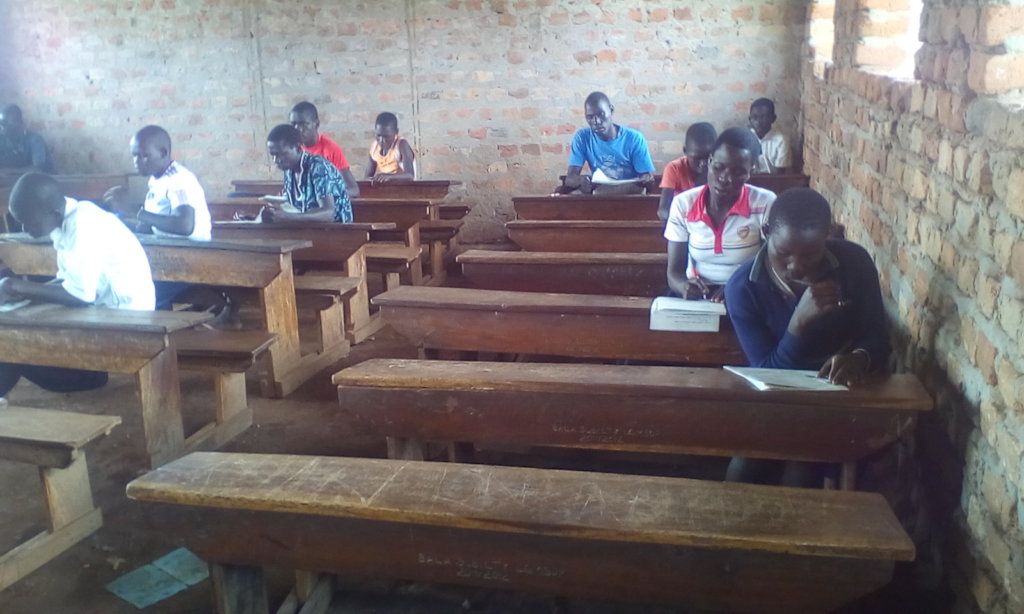
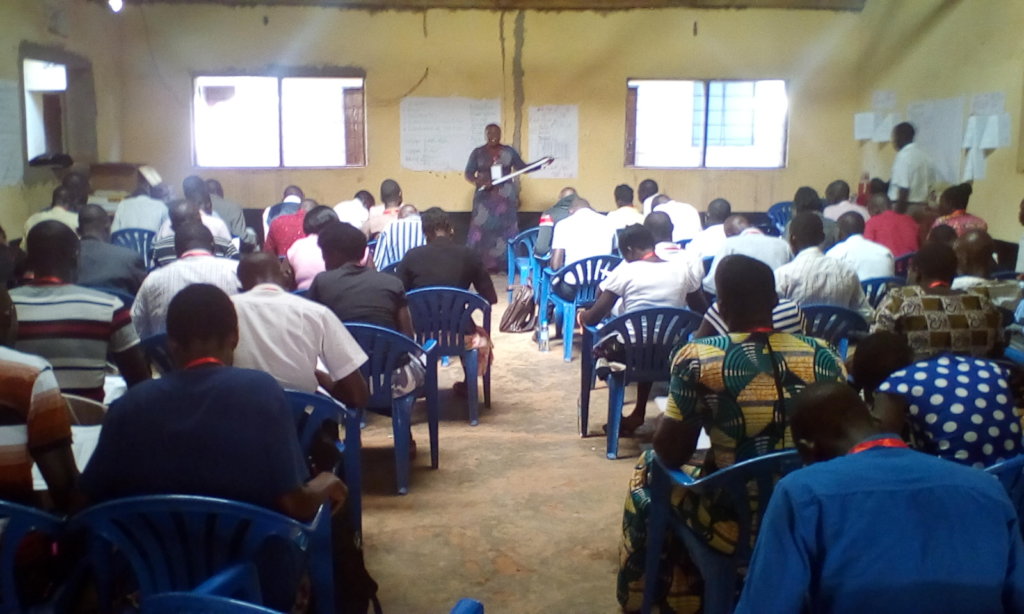
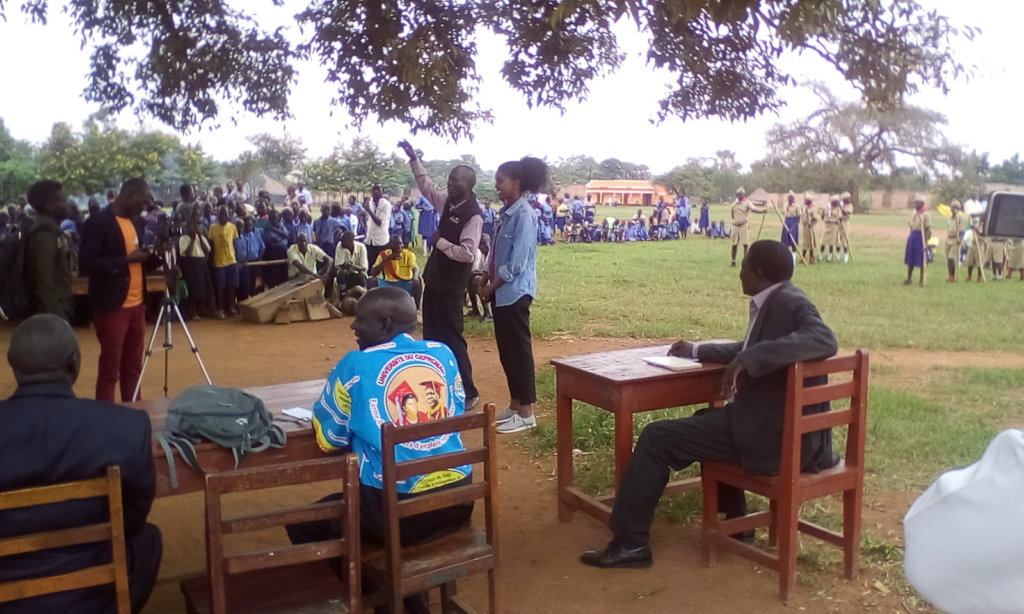
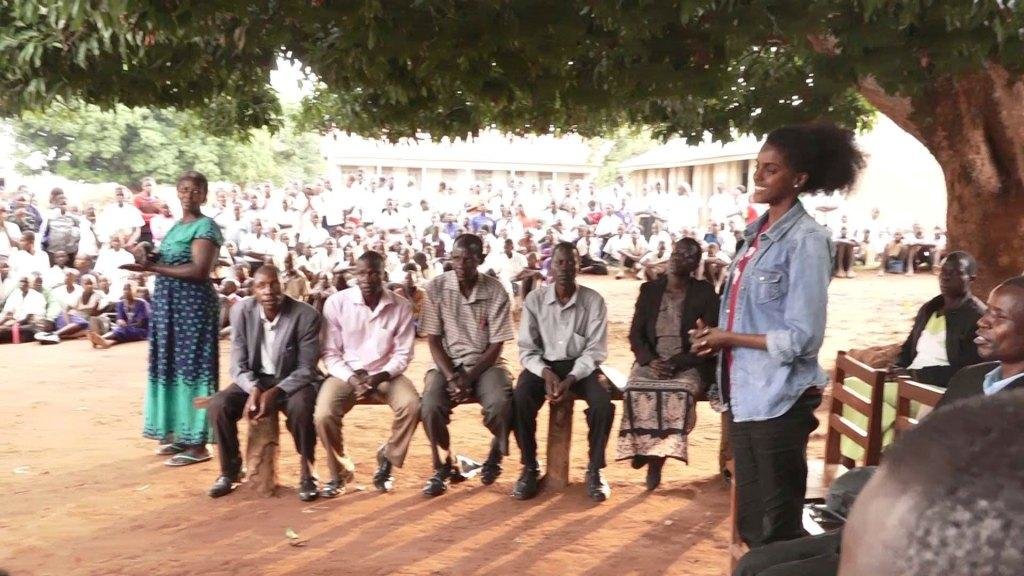
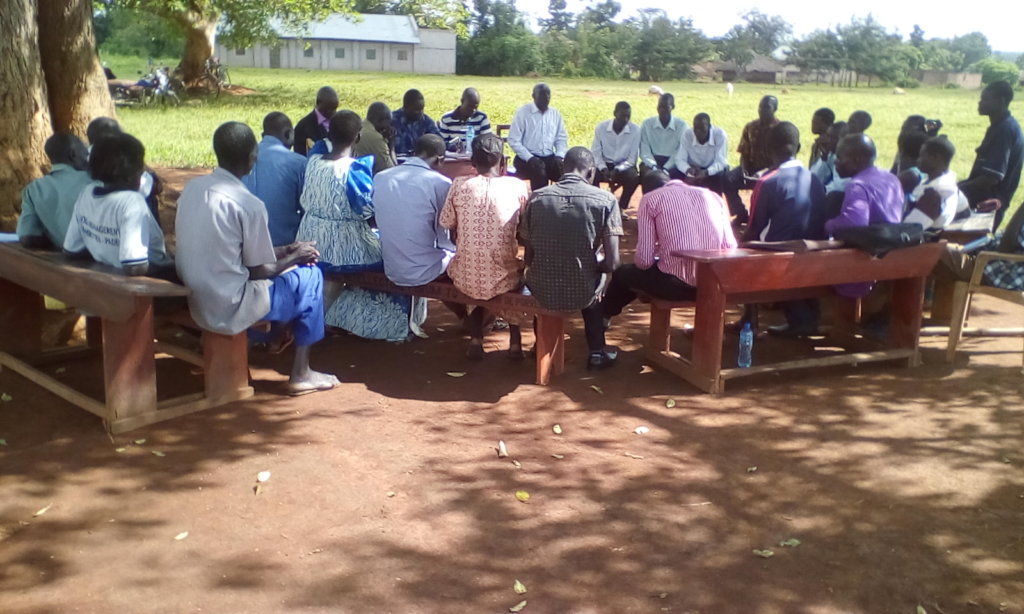
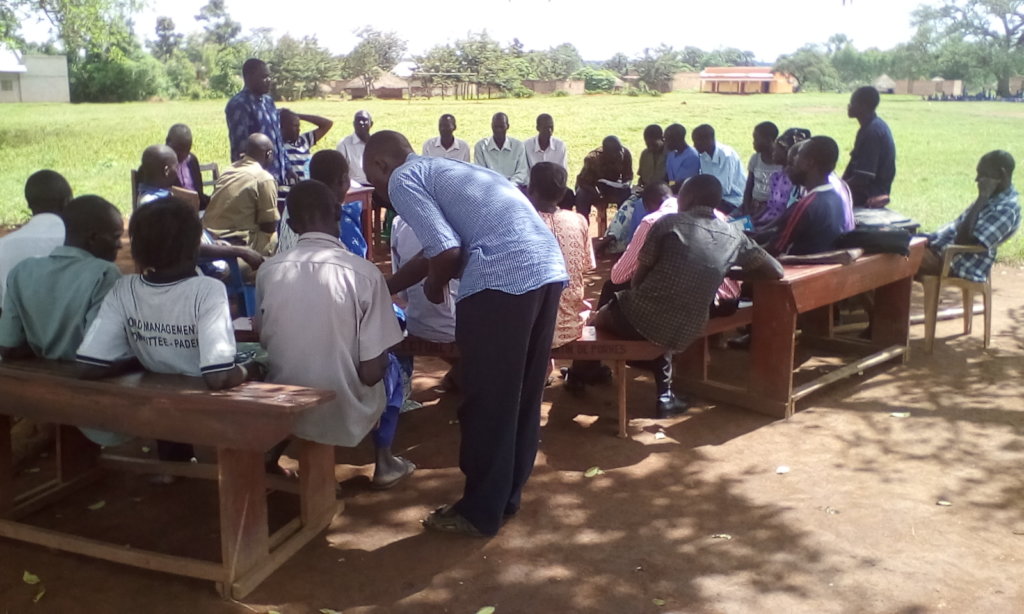
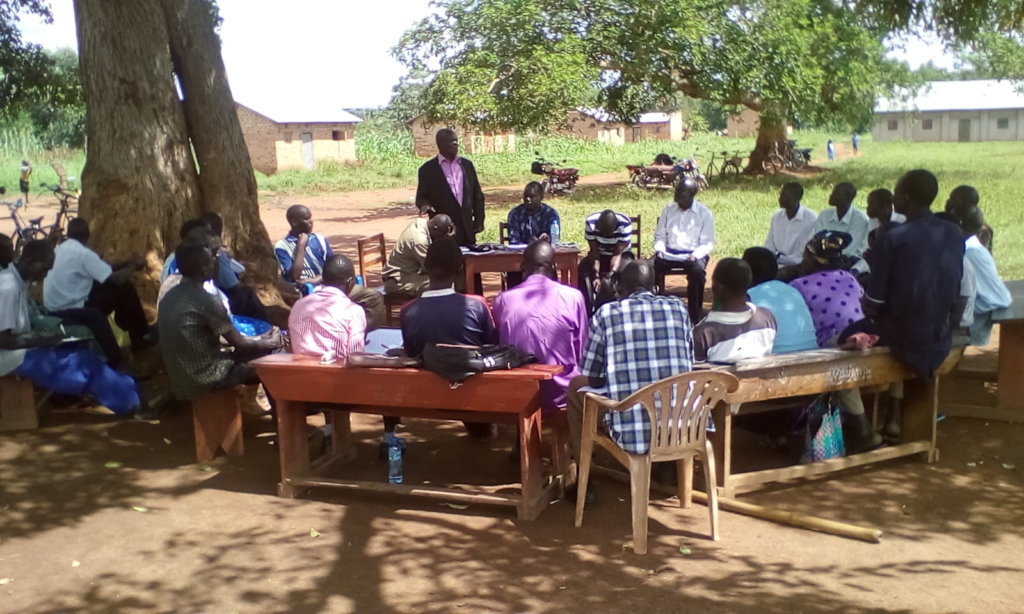
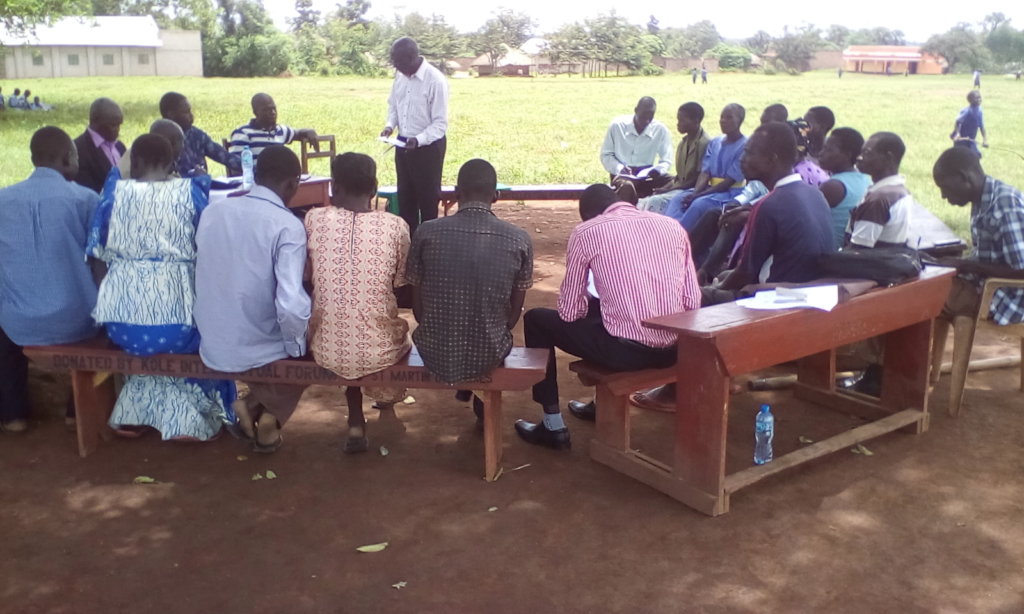
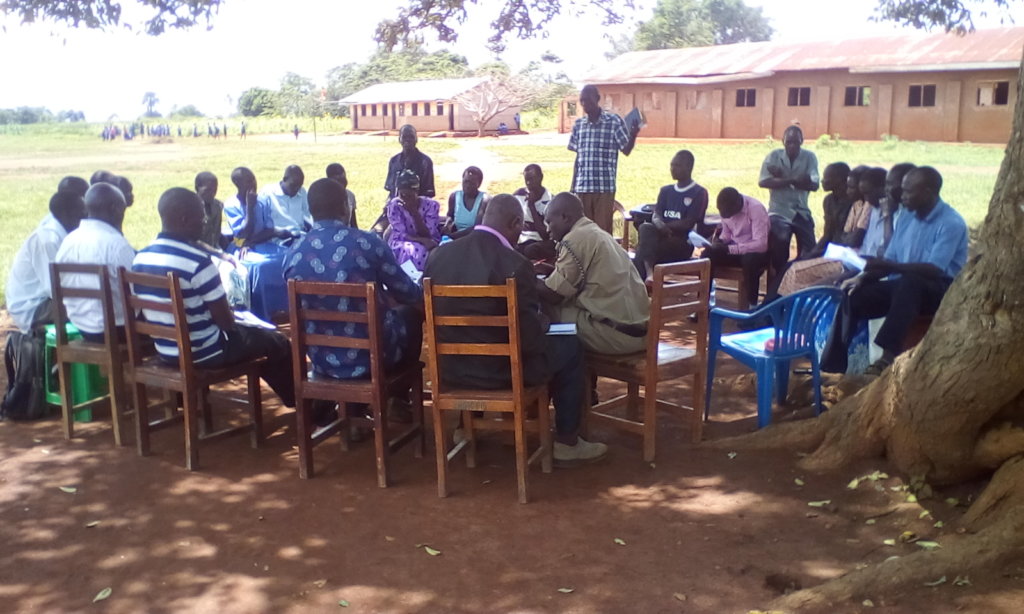
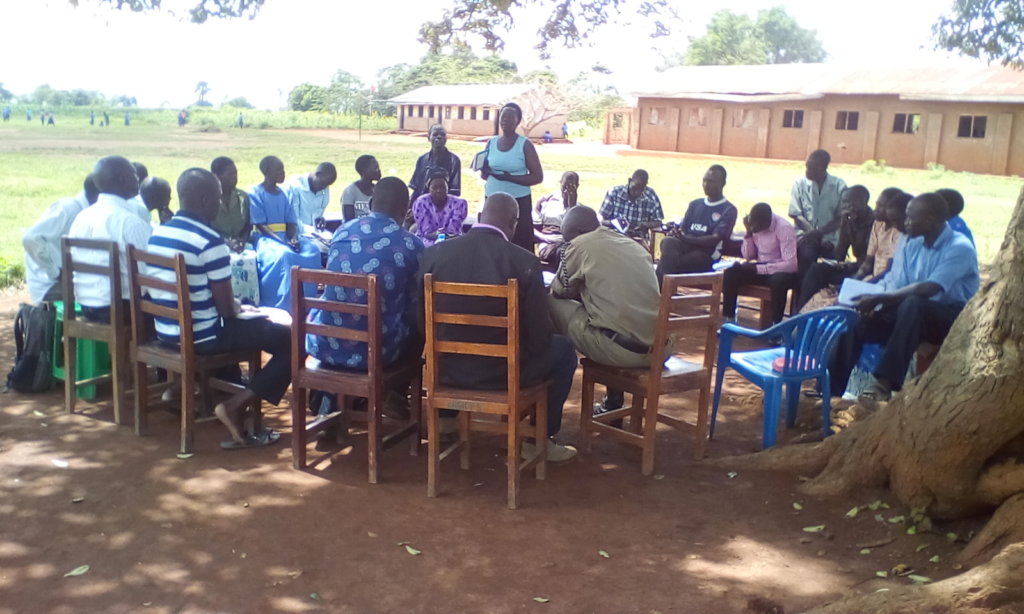
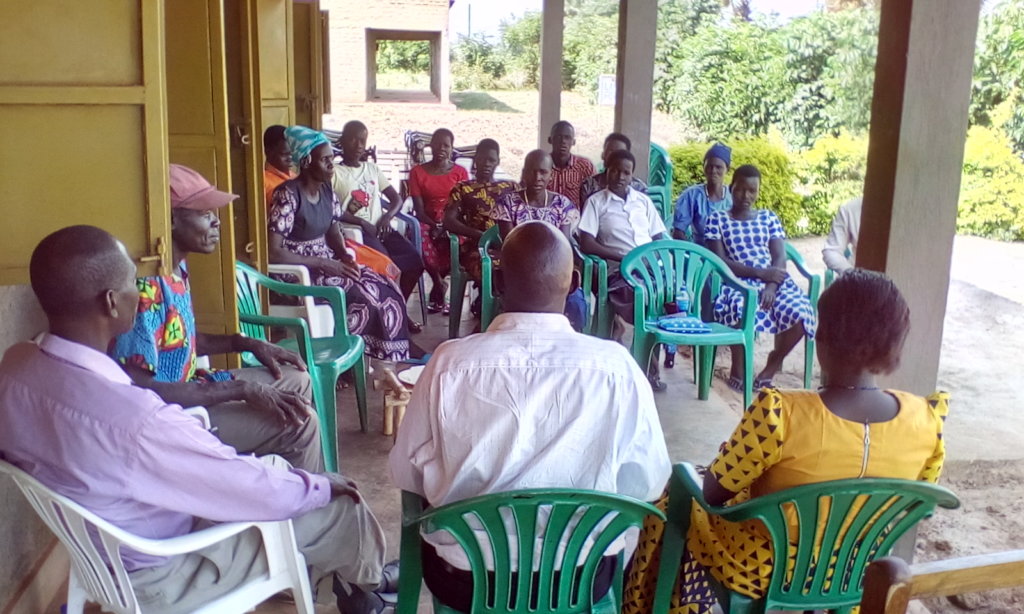
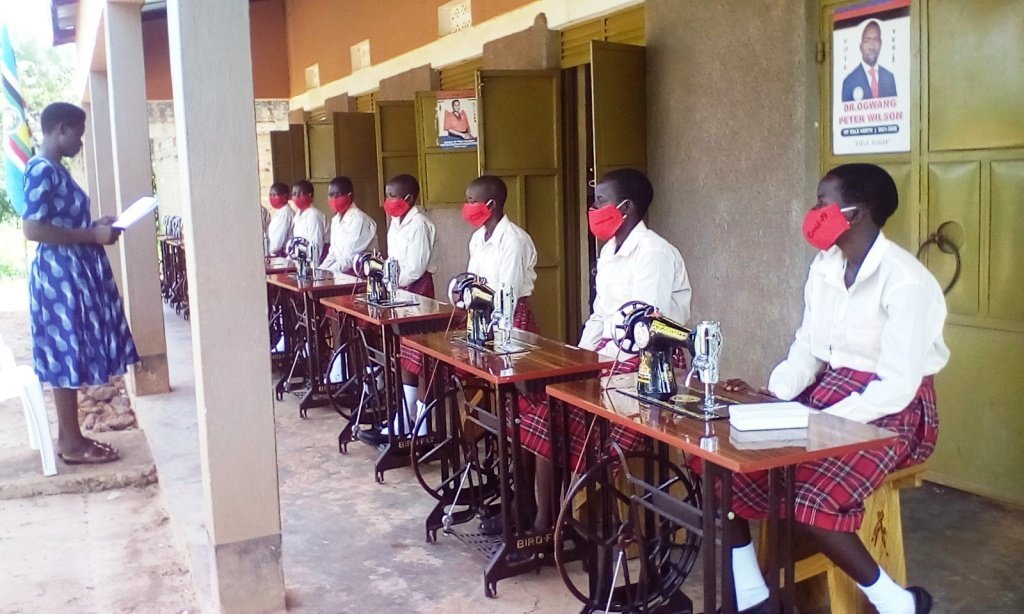
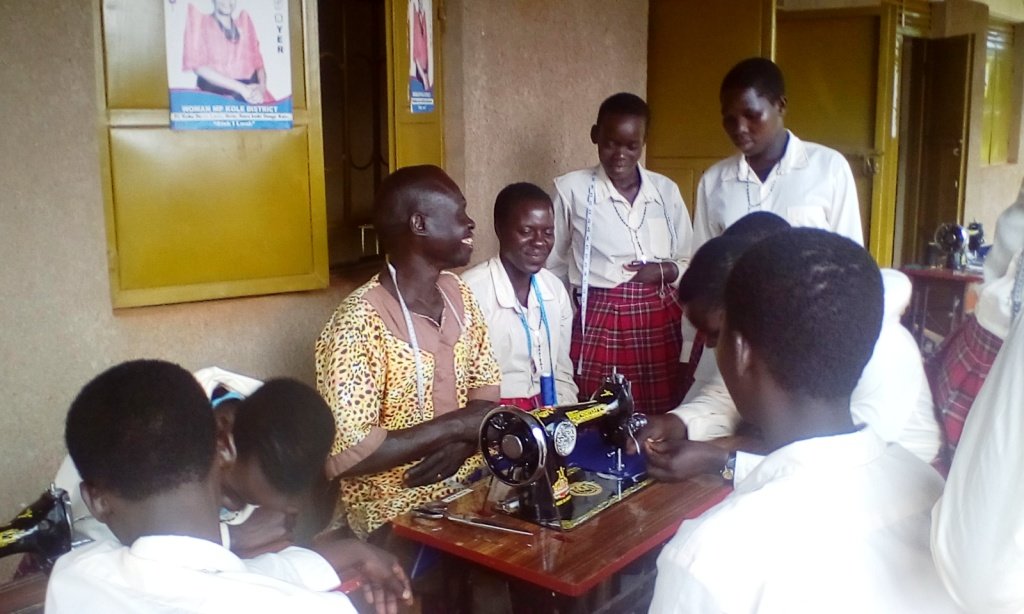
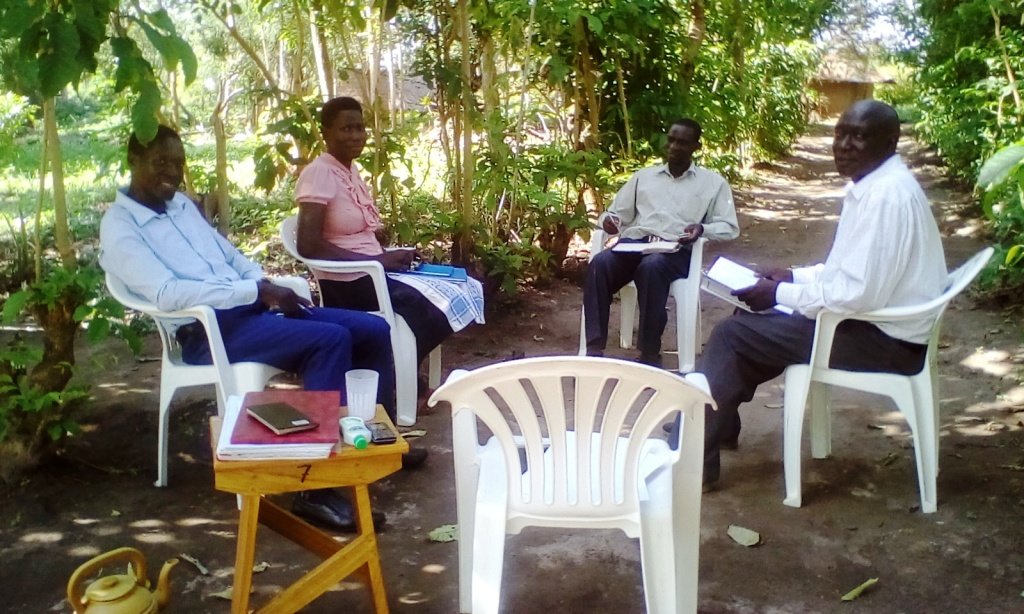
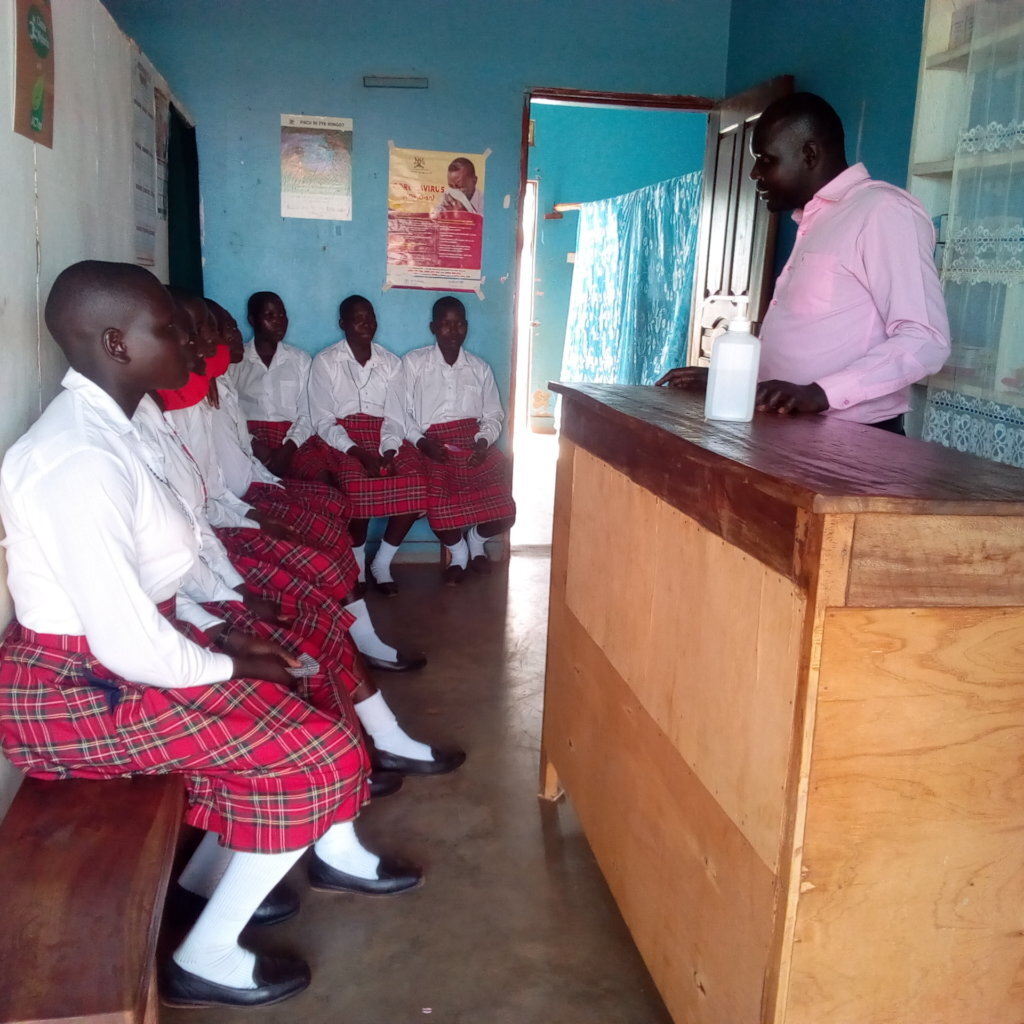
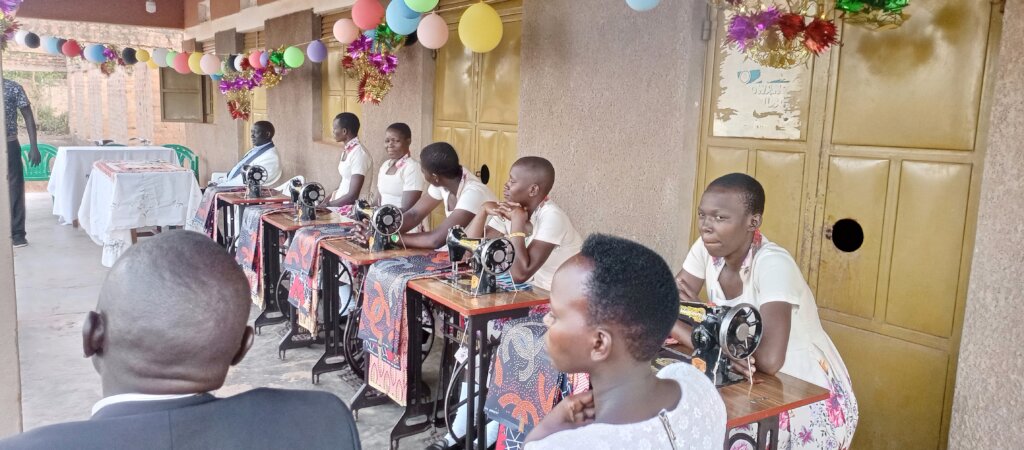
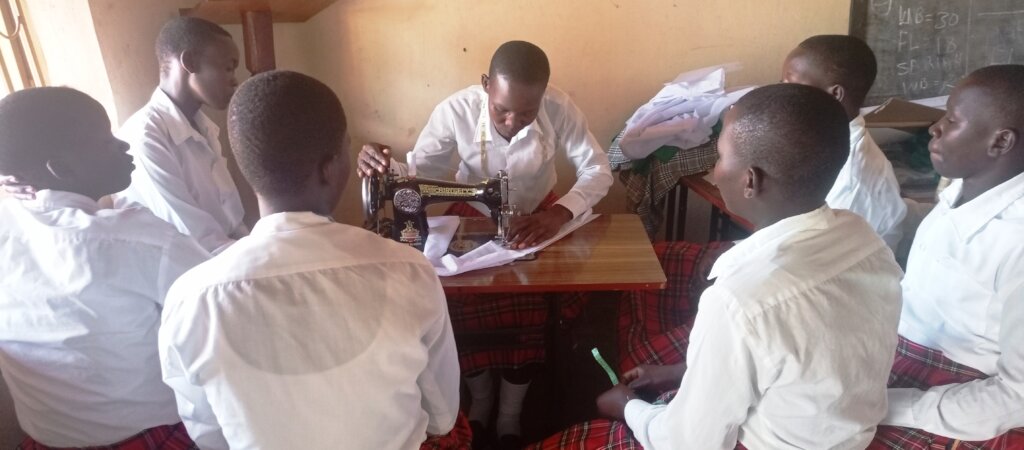
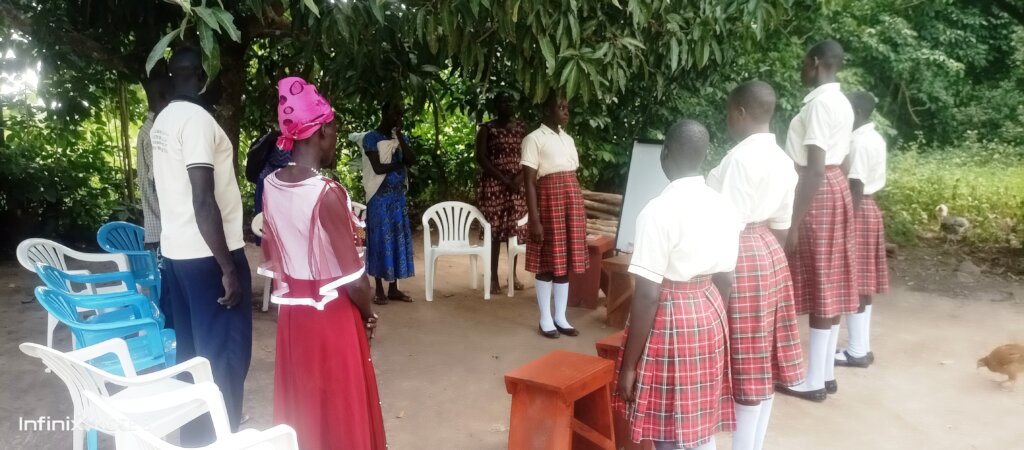
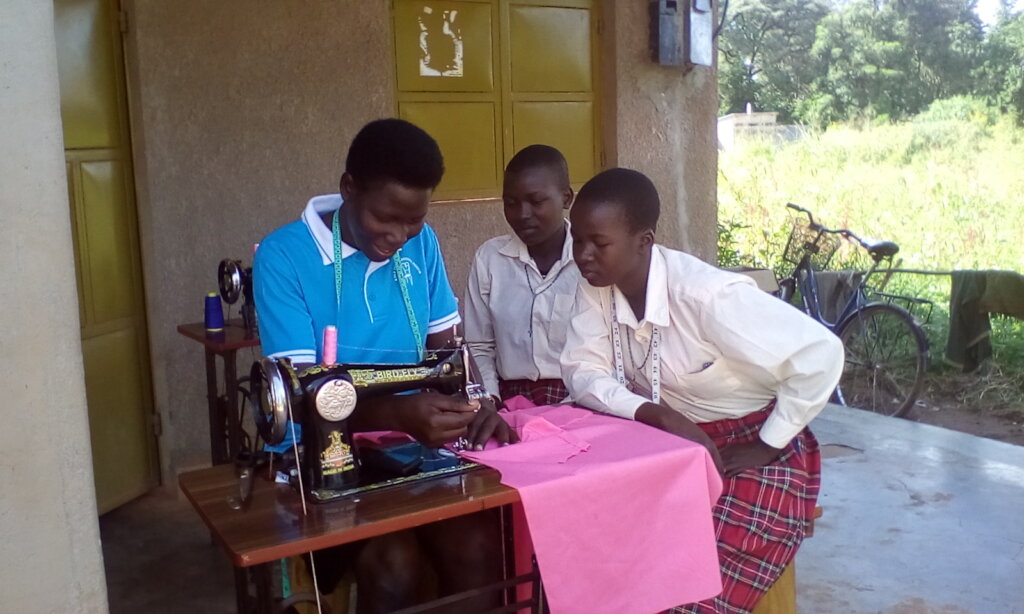
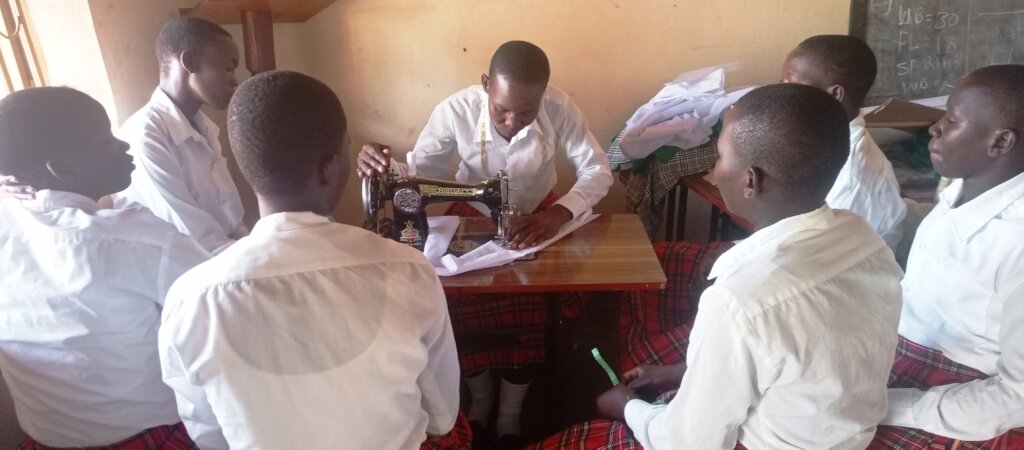
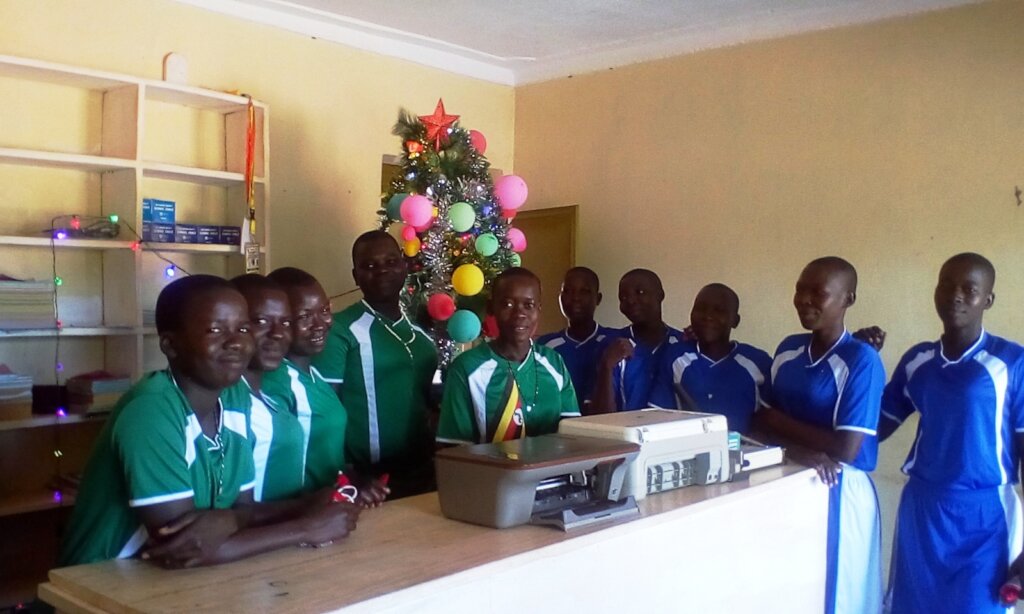
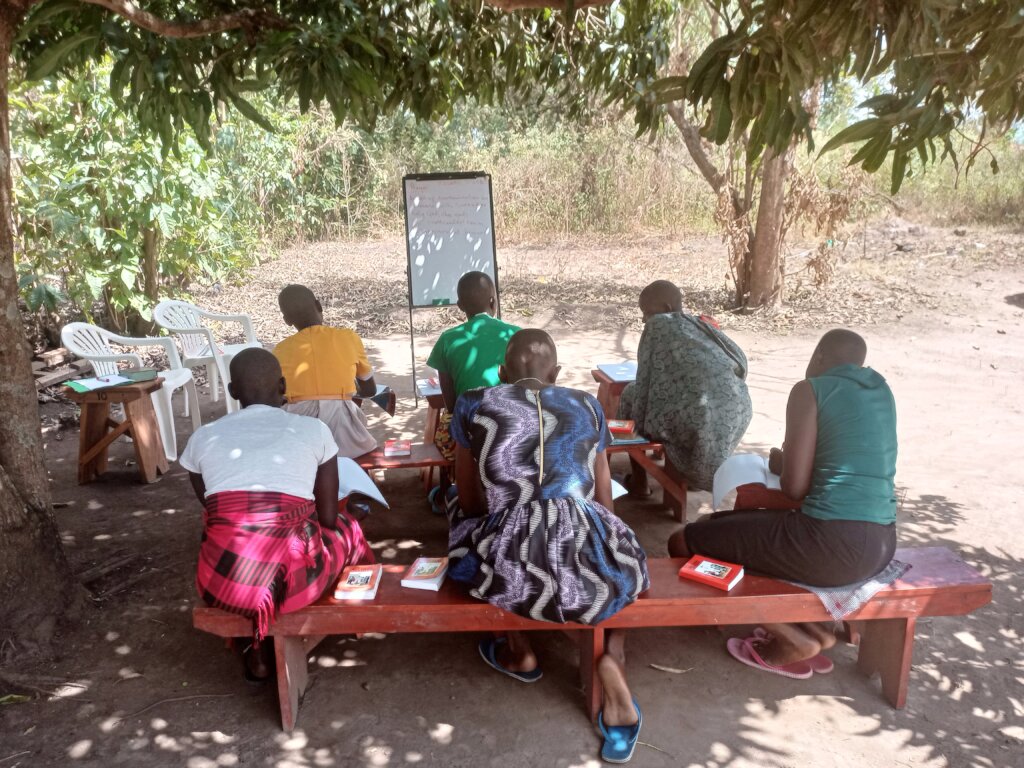
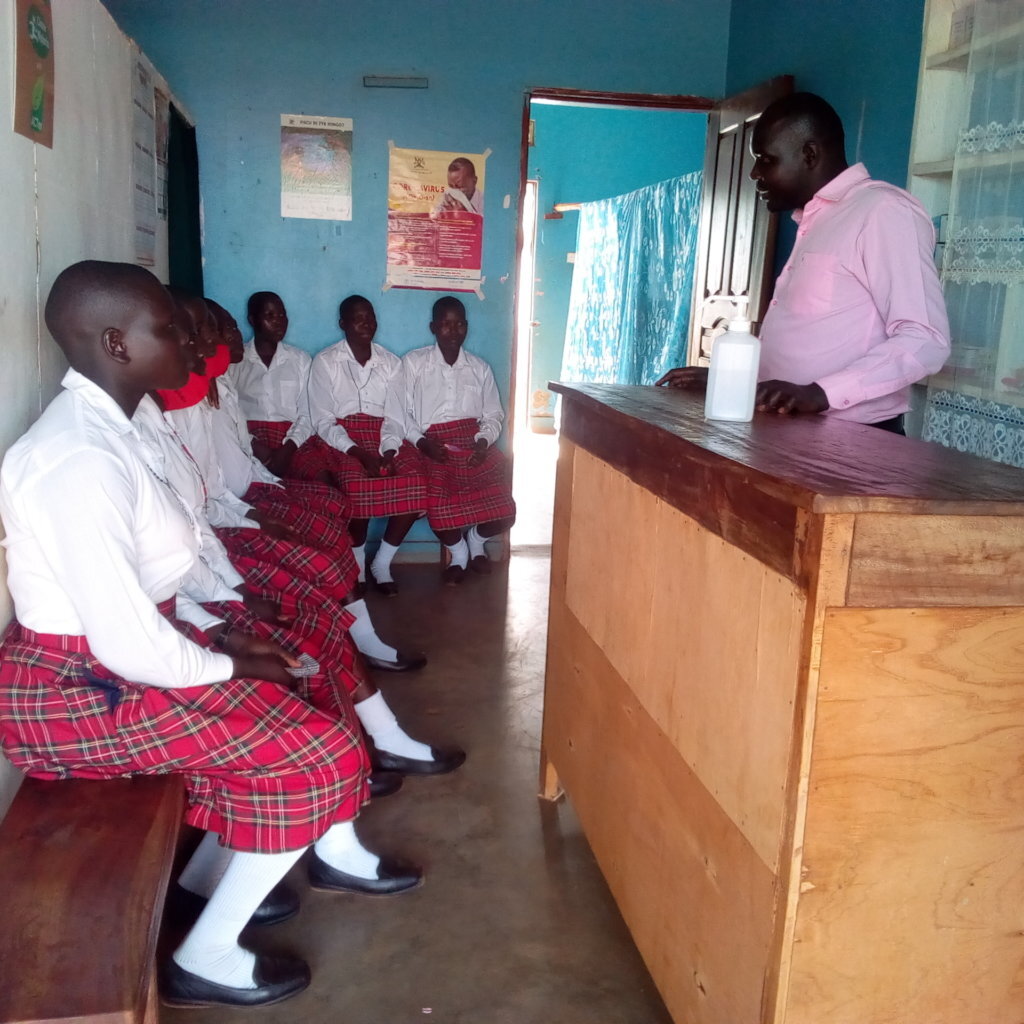
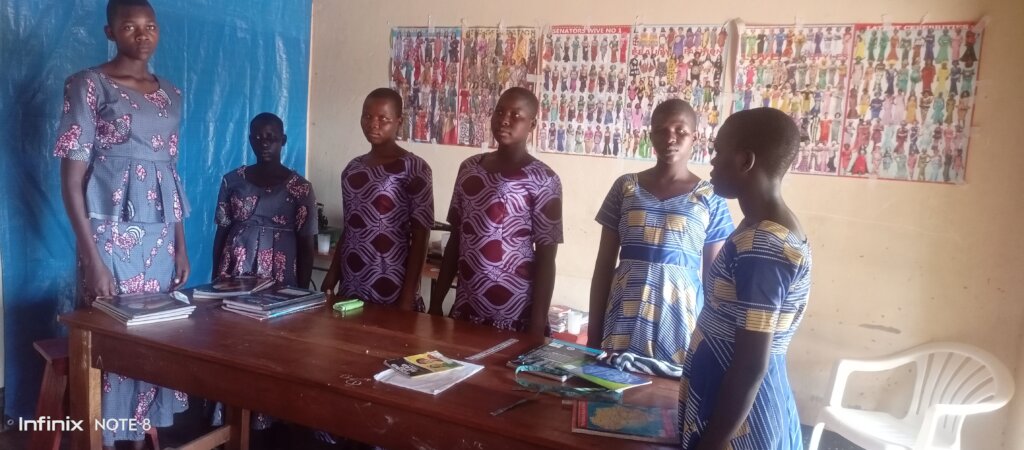
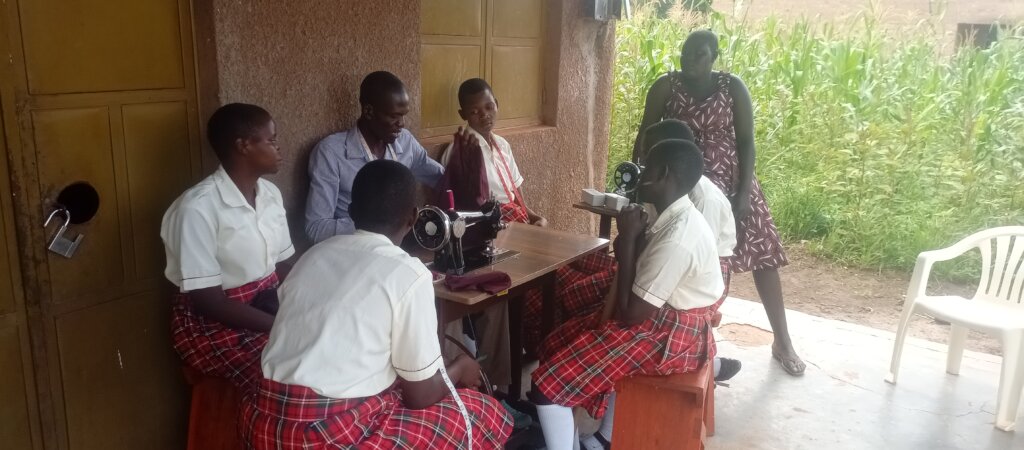
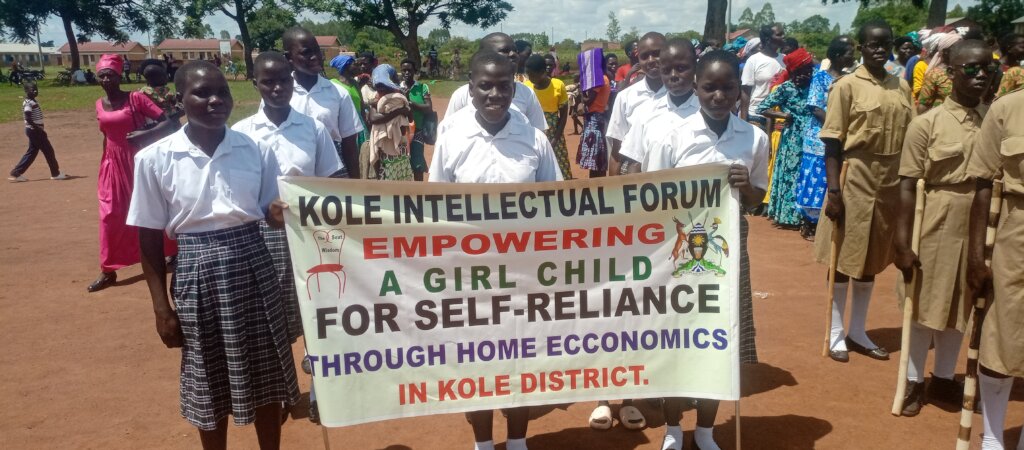
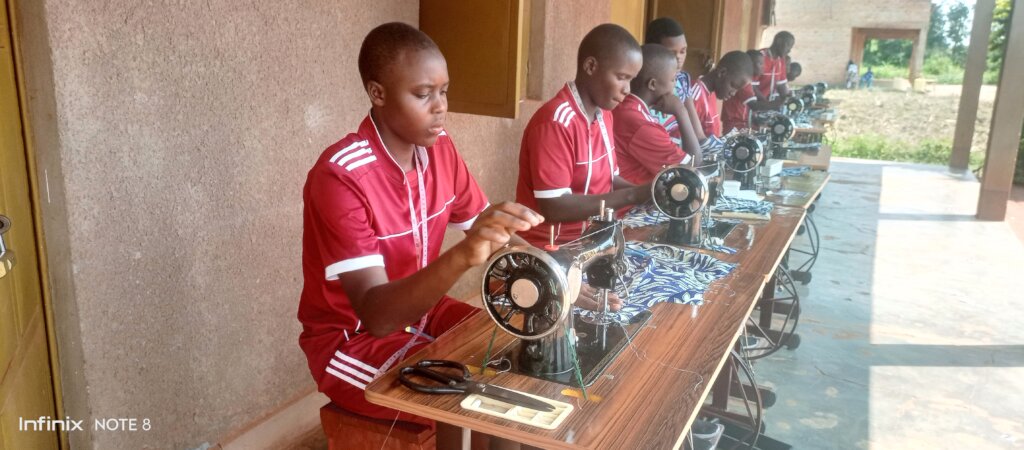
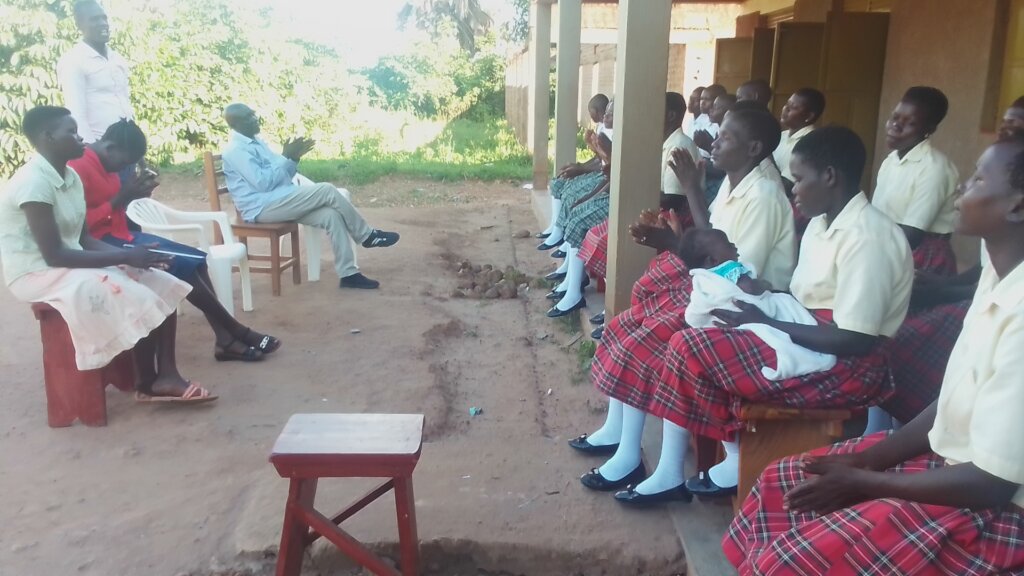
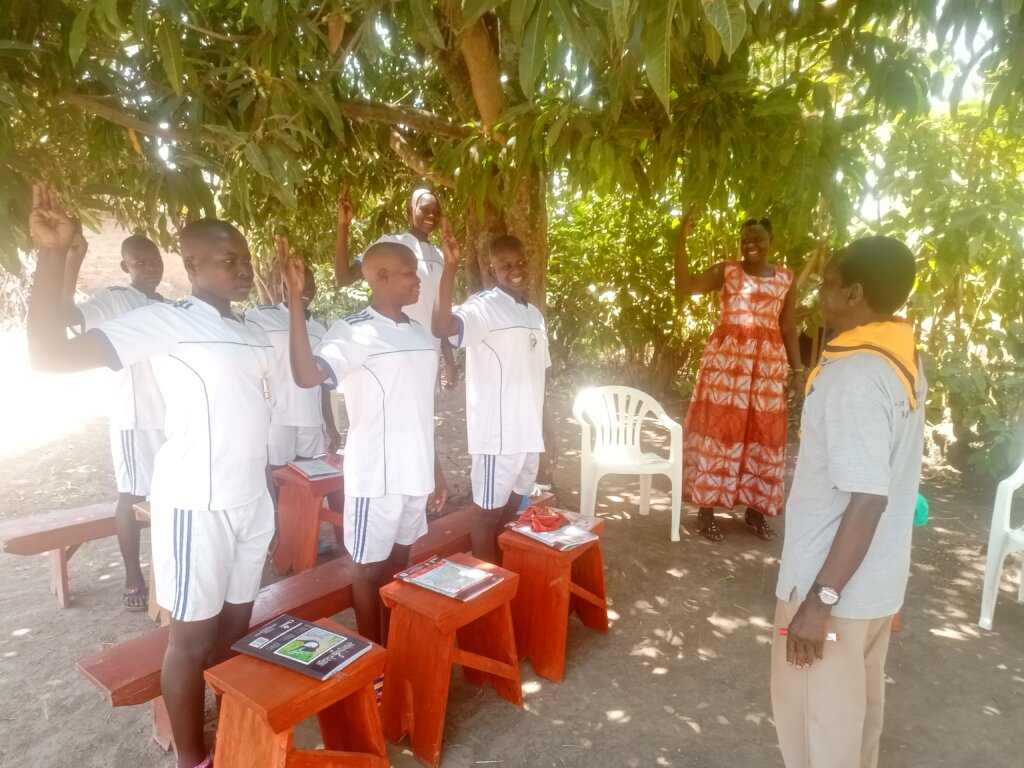
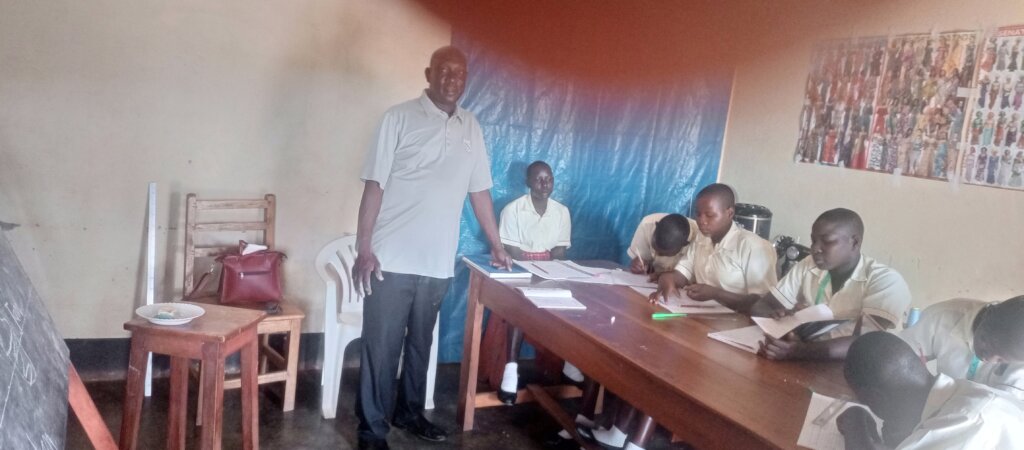
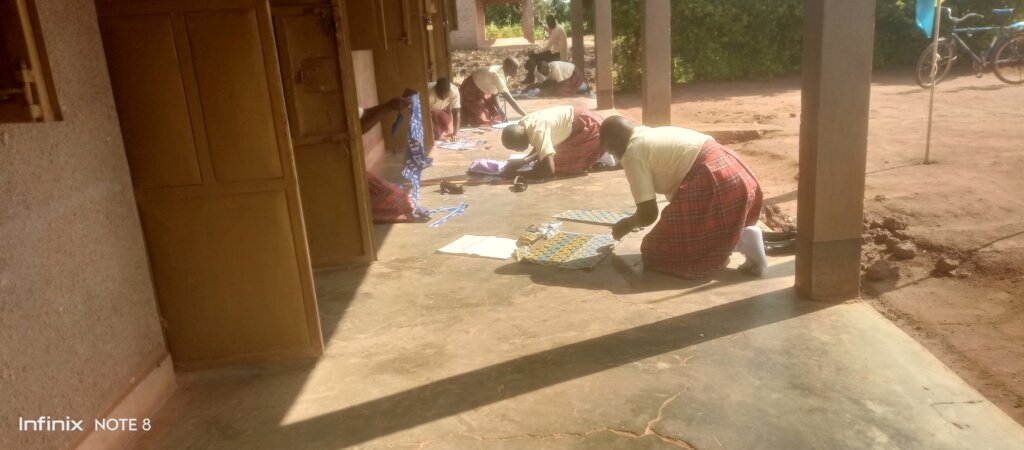
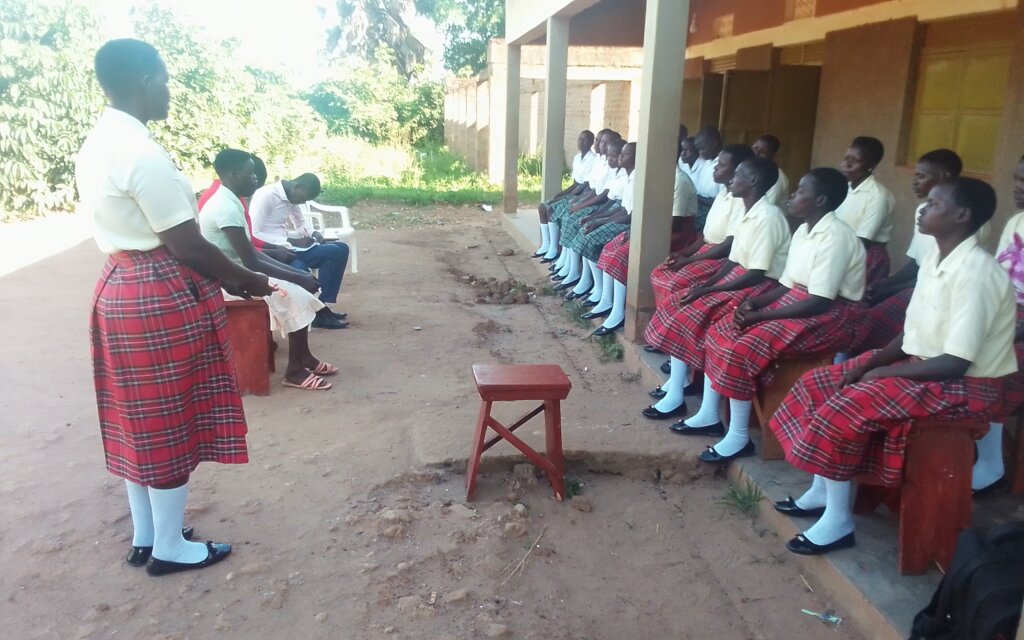
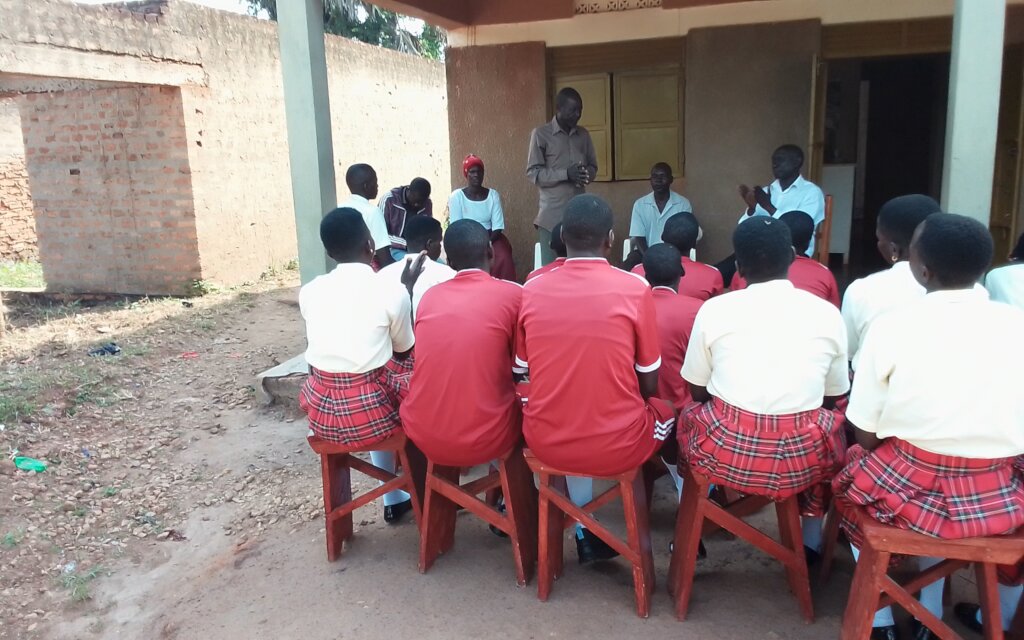
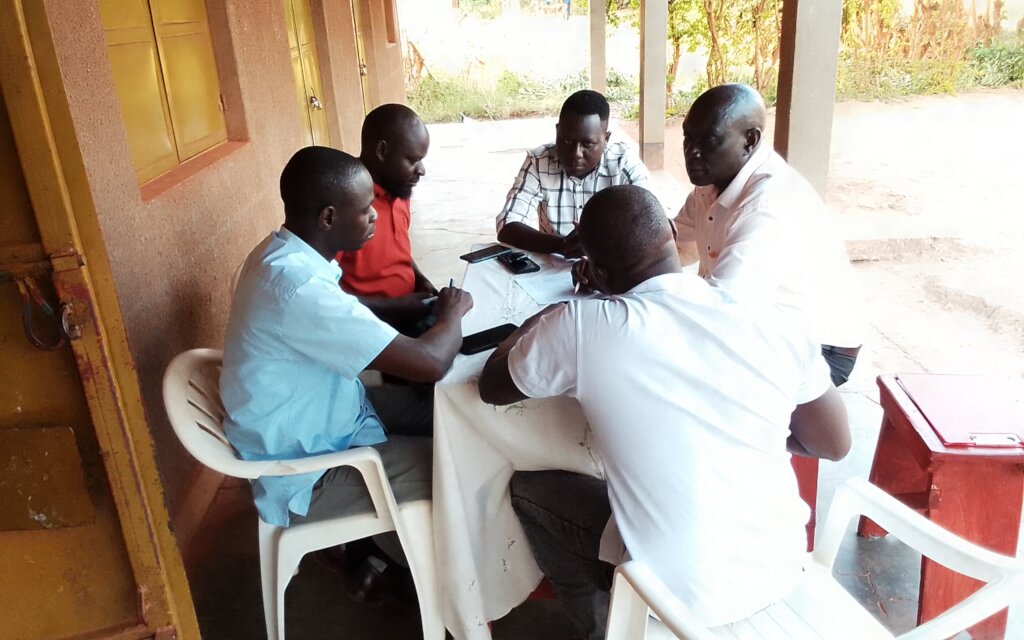
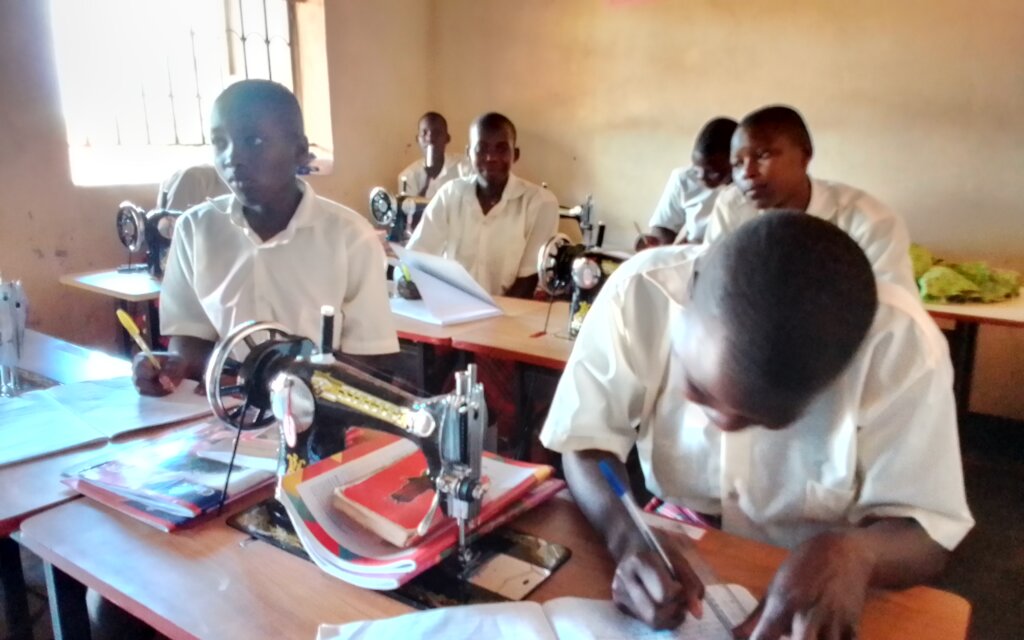
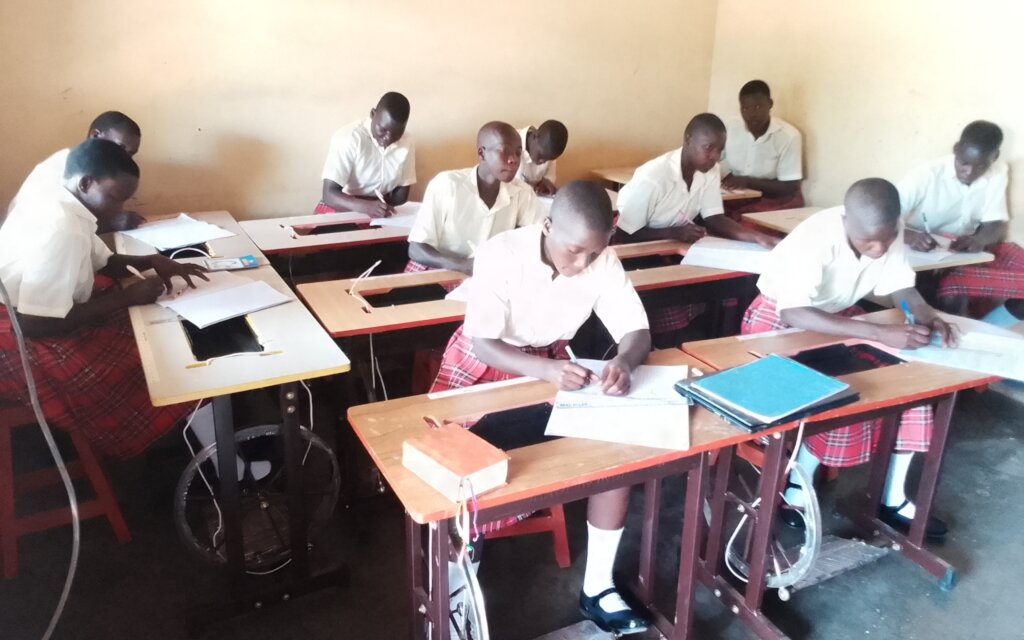
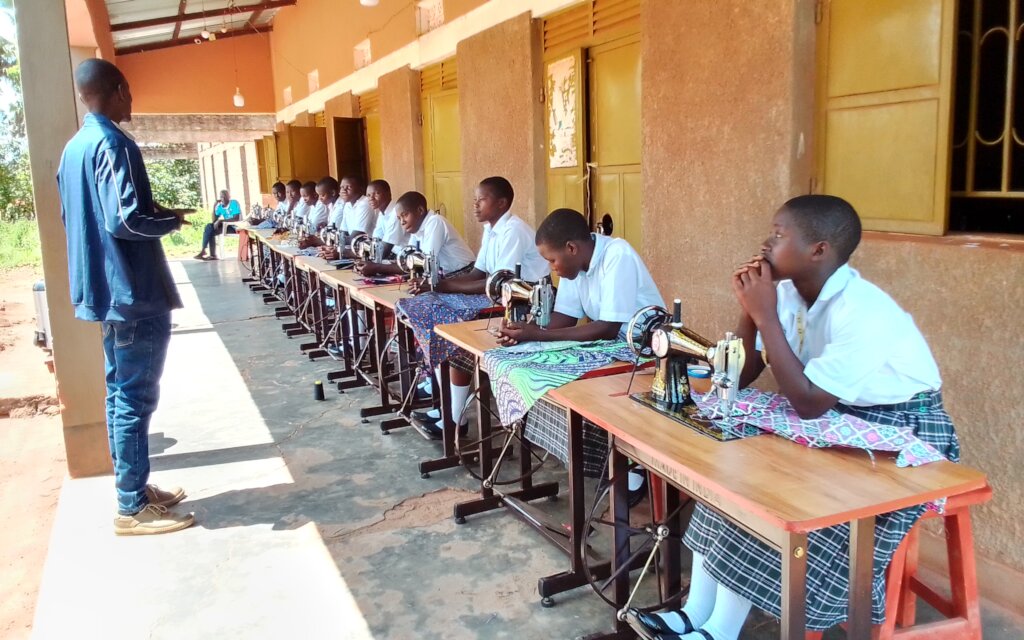
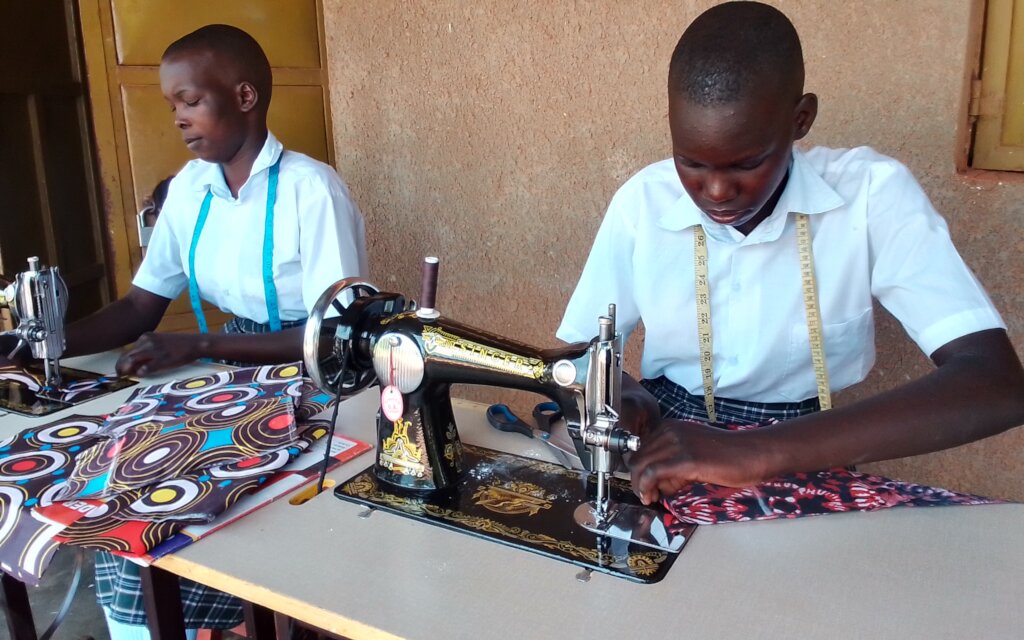
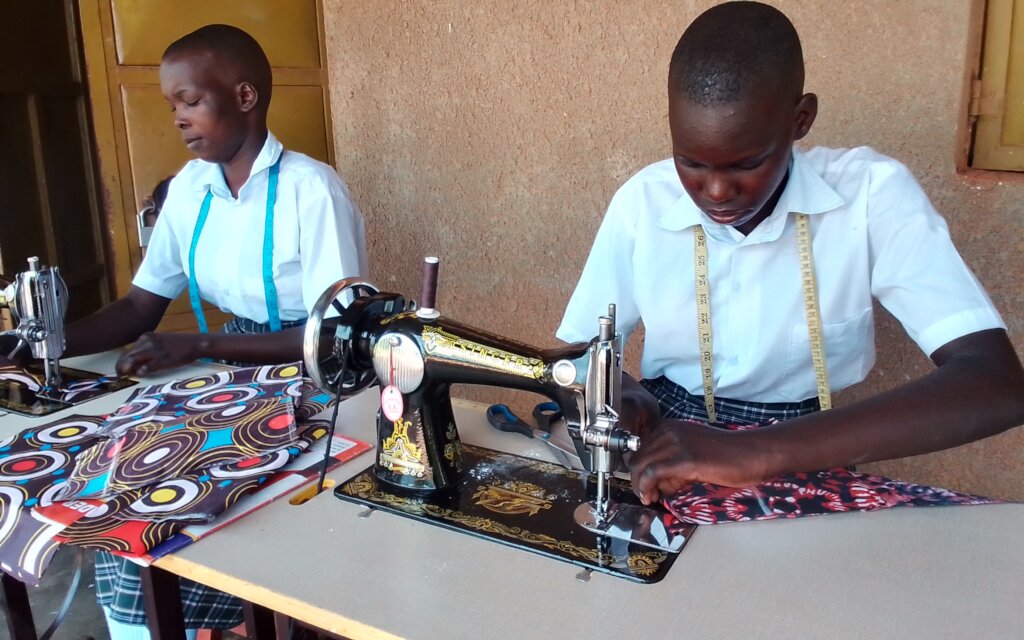
Kole Intellectual Forum (KIFA) has realized that: Social and emotional intelligence is crucial course unit of Home Economics that should be impacted to their students so that it can help them to understand and manage their own emotions, as well as to be able to interact with others effectively within the premises of the Institute and thereafter.
Building these skills has been assumed to have assisted them (KIFA beneficiaries) to form positive relationships, make good decisions within the school and beyond, and lead them to have a successful lives in future.
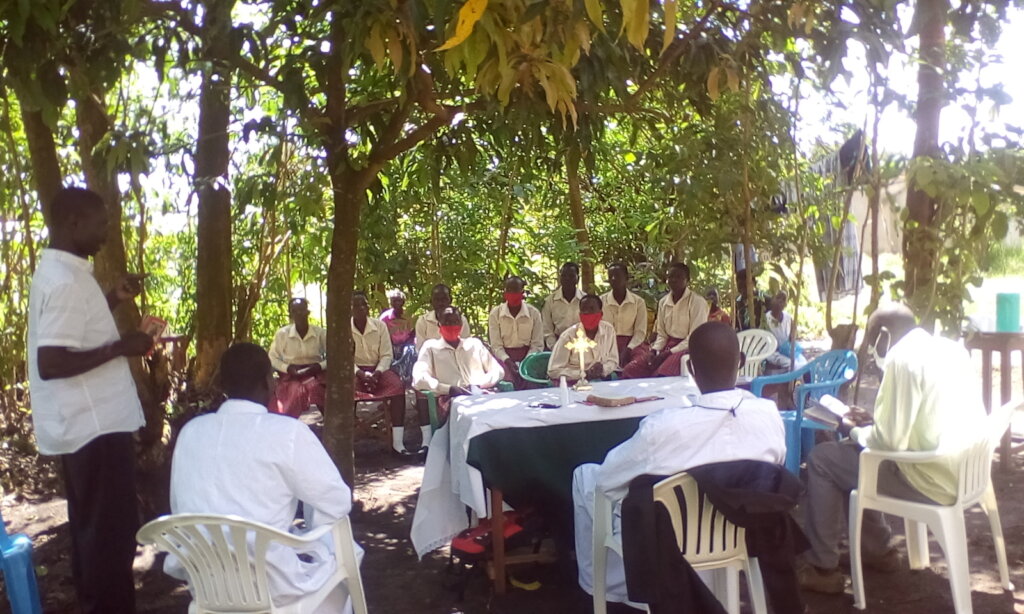
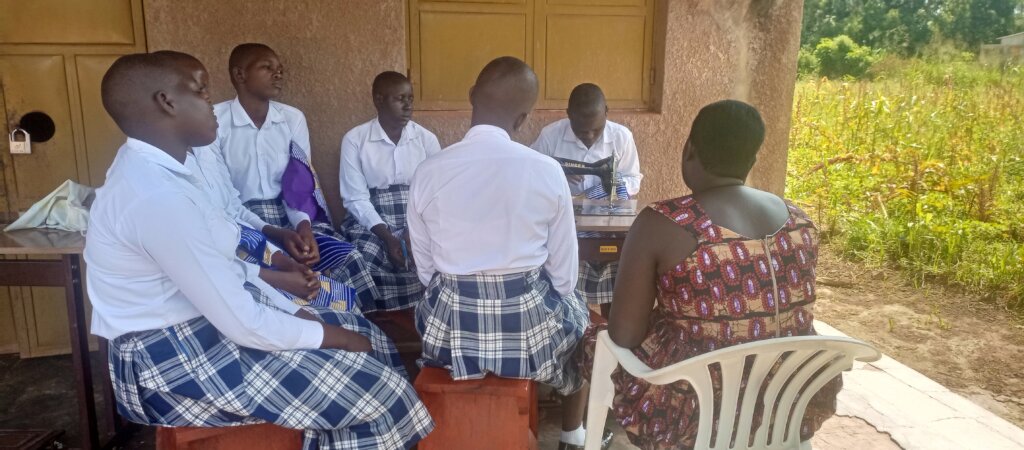
Particularly, in Model healthy behaviors, learners are trained by observing and mimicking the behavior of those with positive mind around them. By also showing empathy, kindness, and self-control; at the same time by encouraging them to express their emotions and talk about their feelings.
While notably, they also teach them on issues related to problem-solving skills that helps them to develop their ability to think critically and solve problems by learning how to identify problems, generate solutions, and evaluate the pros and cons of each option.
![Share on Twitter]()
![Share on Facebook]()
Nov 1, 2026
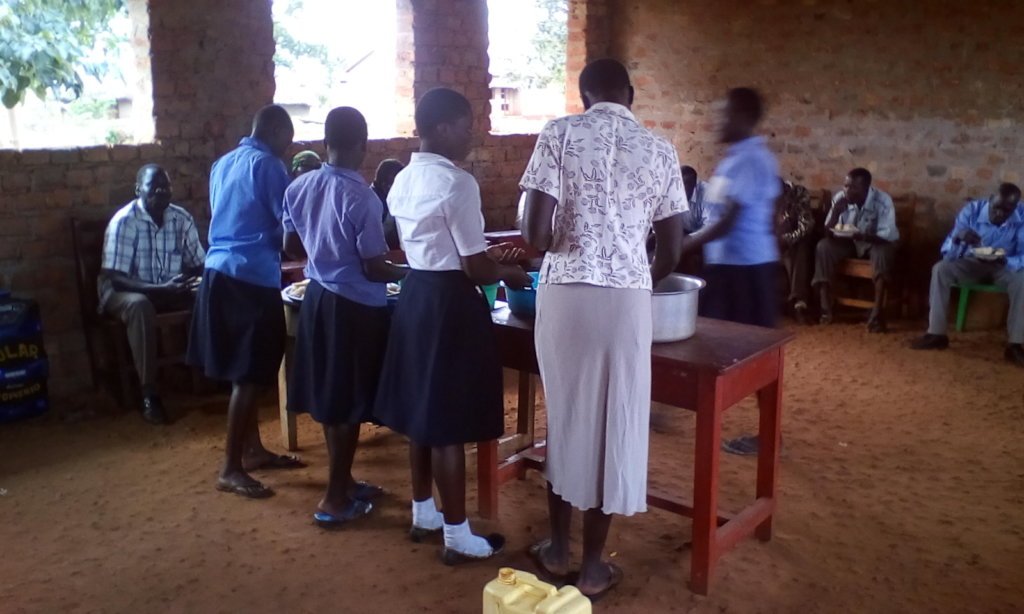
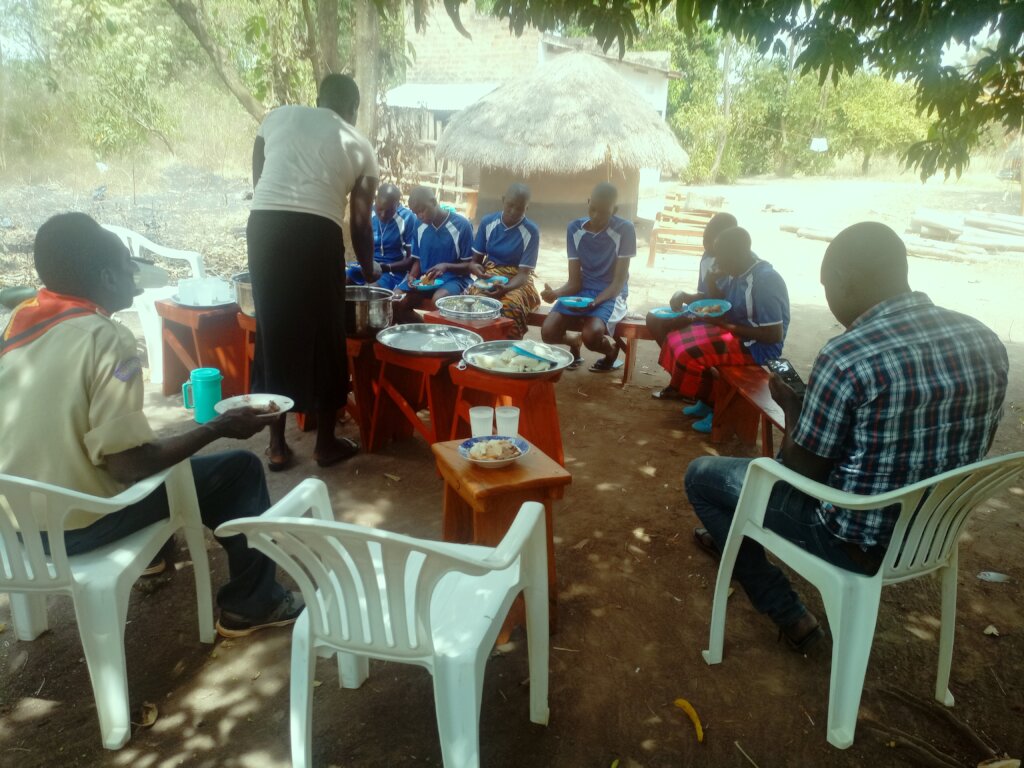
Fund Raised partly helps in providing food student
By George Obua | Project Leader
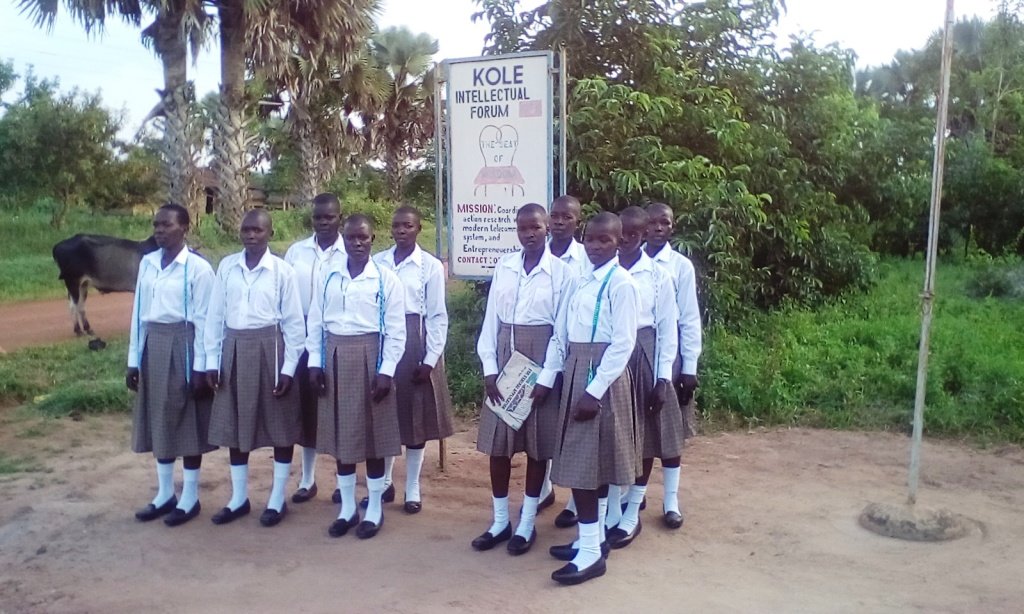
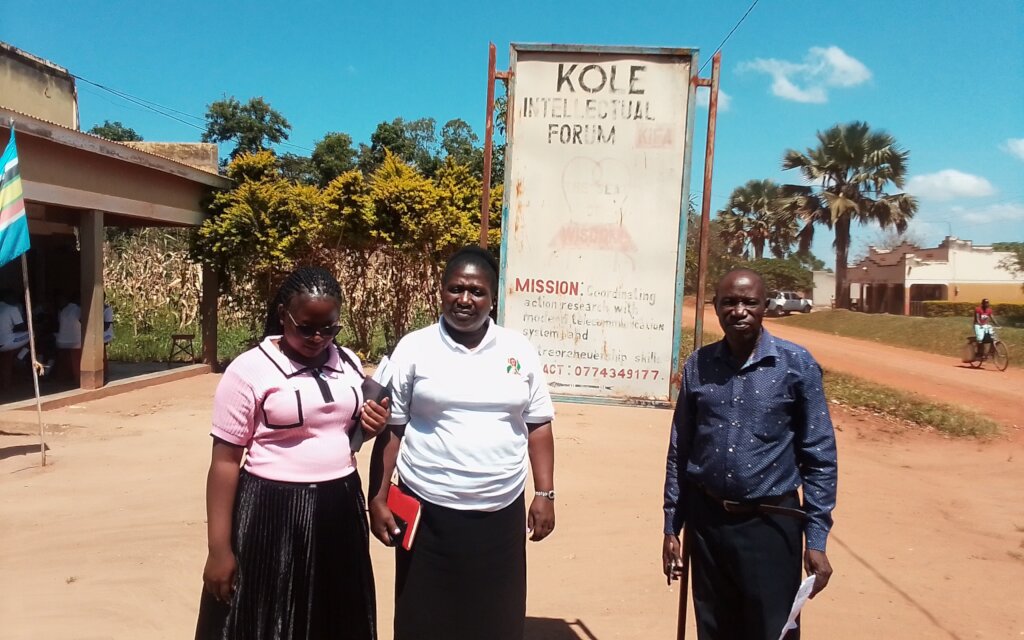
Kole Intellectual Forum, as a Community Based Organization, it has lasted for 10 years, with some few months; and out of these years, the organization has lasted as GlobalGiving permanent partners for the last 8 years; meaning, the organization went through the GlobalGiving’s accelerator in 2018; making it to be that organization that has last on this platform for the last eight years going to the 8th year ones.
In its 8th years of operations, the organization has been receiving fund from GlobalGiving, and this fund has been directed to do the works those are being called for in the organizational mission.
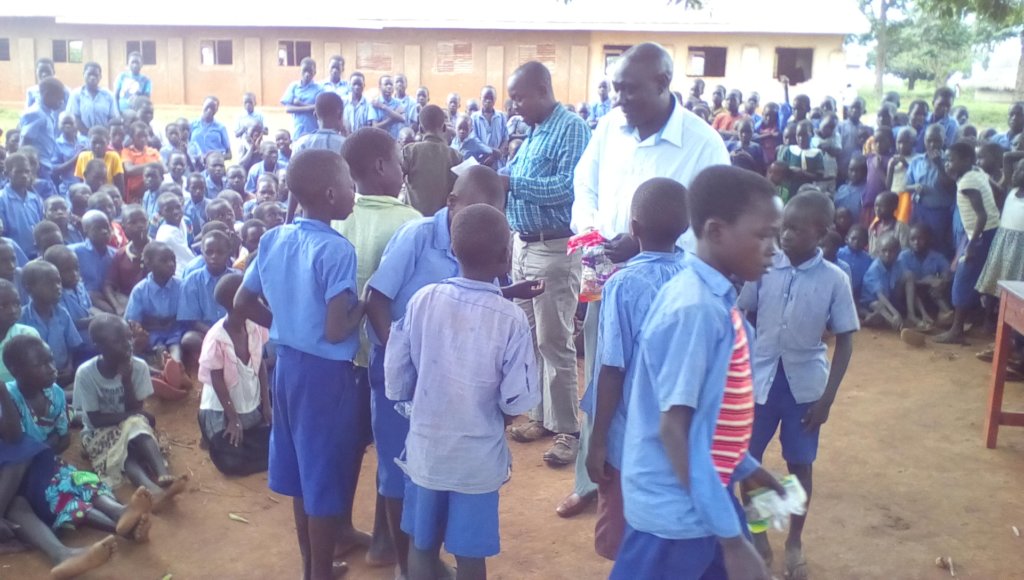
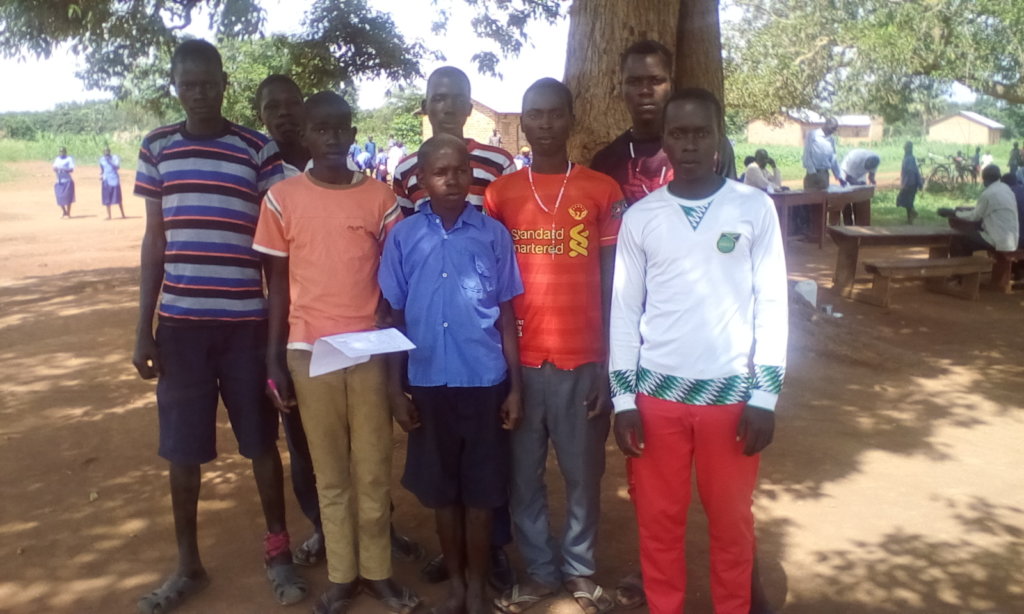
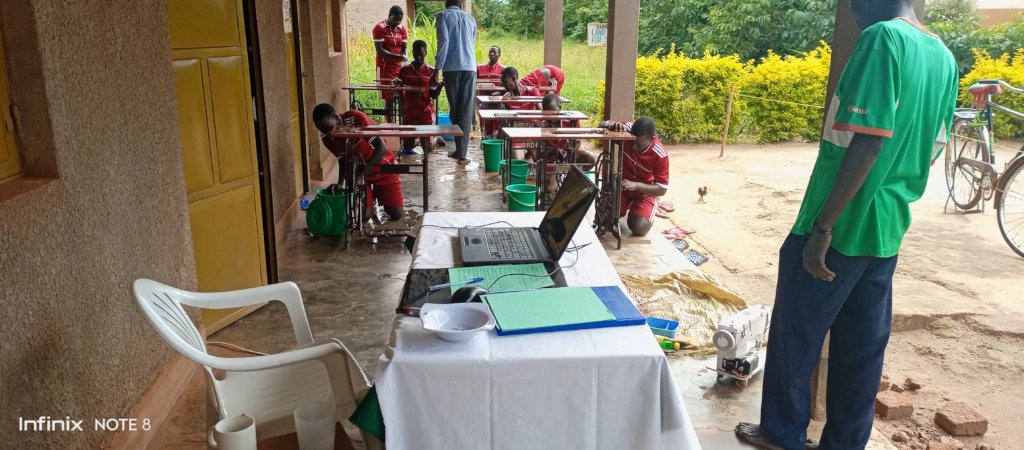
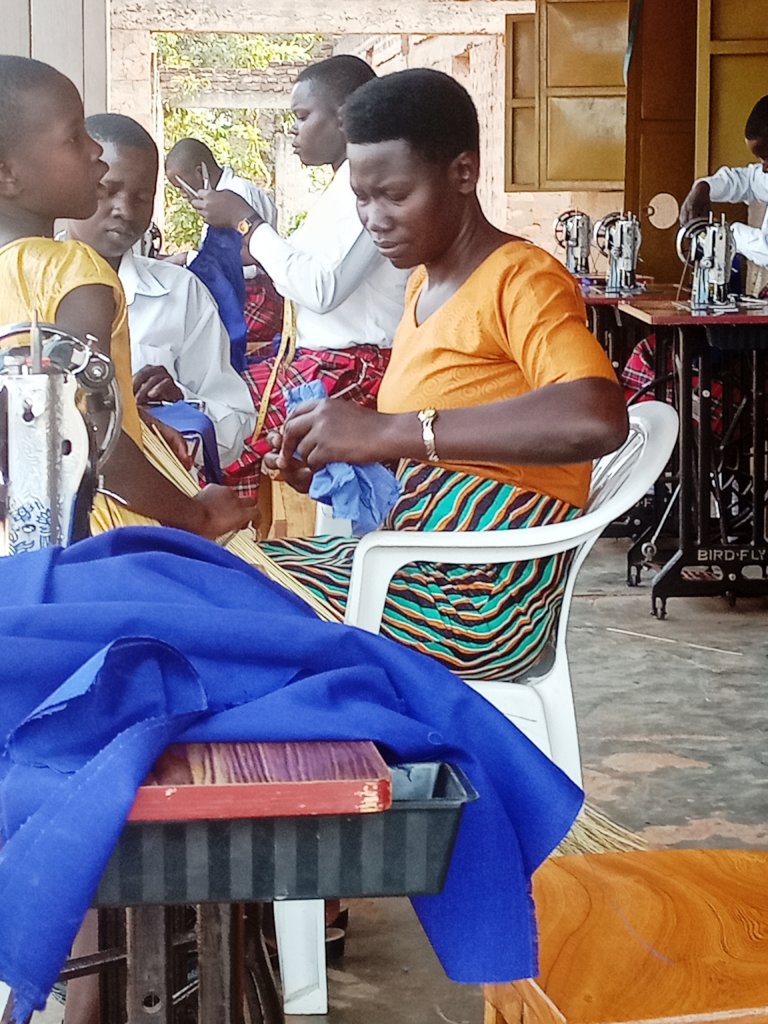
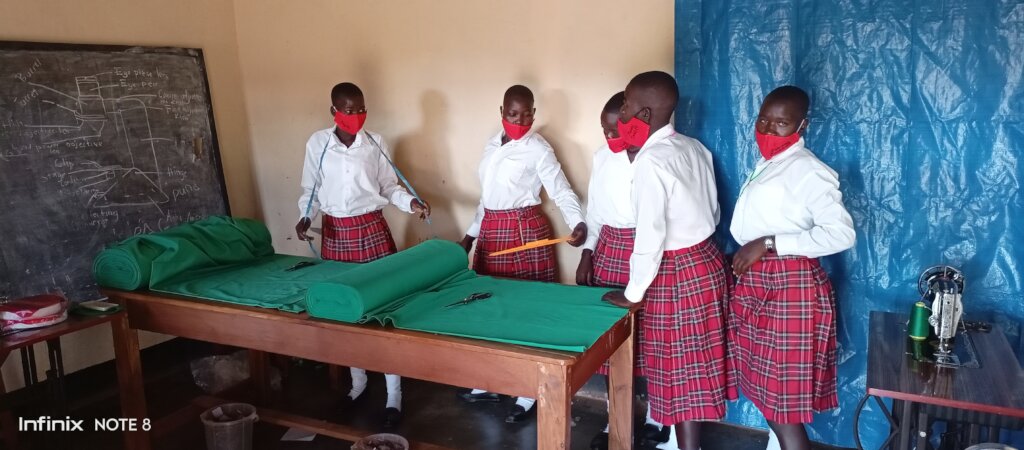
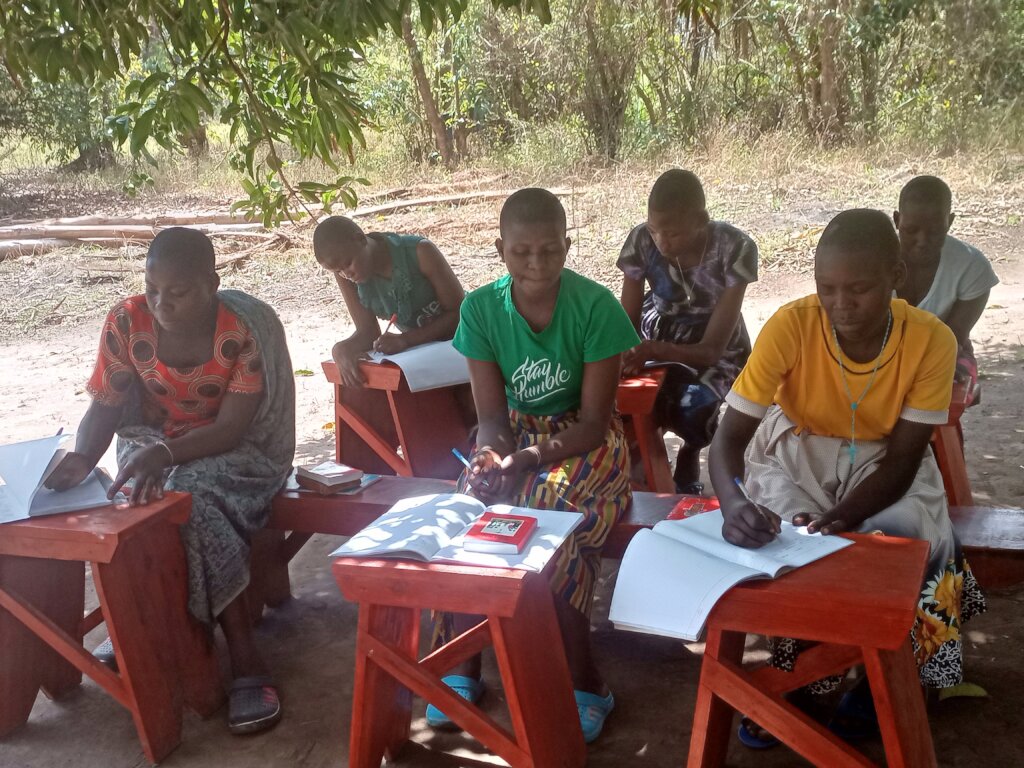
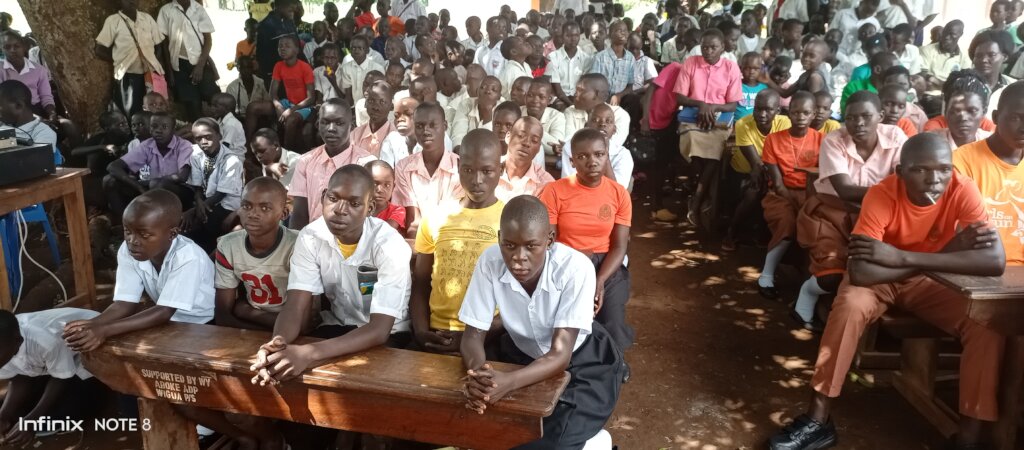
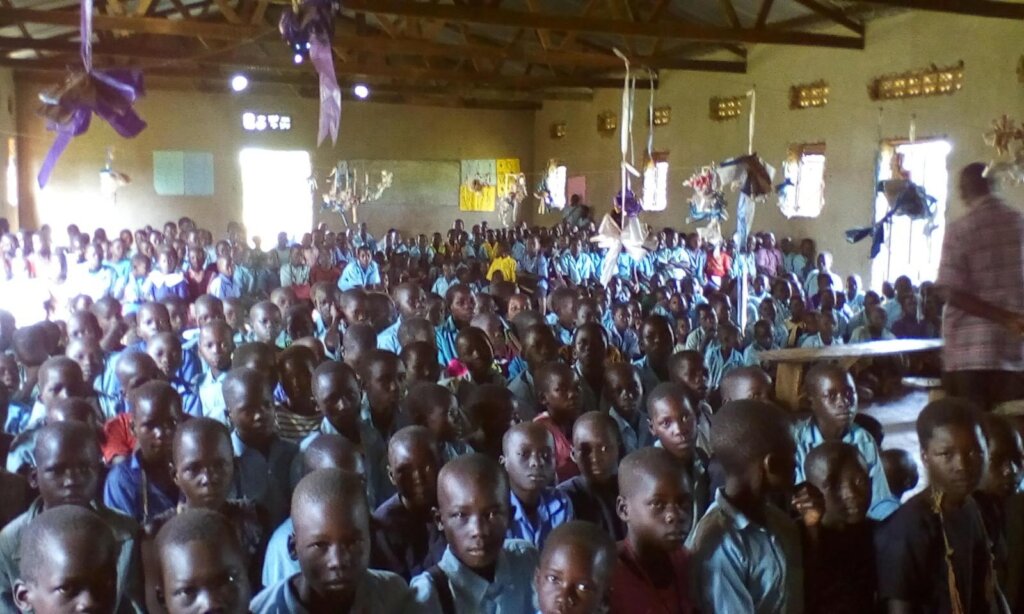
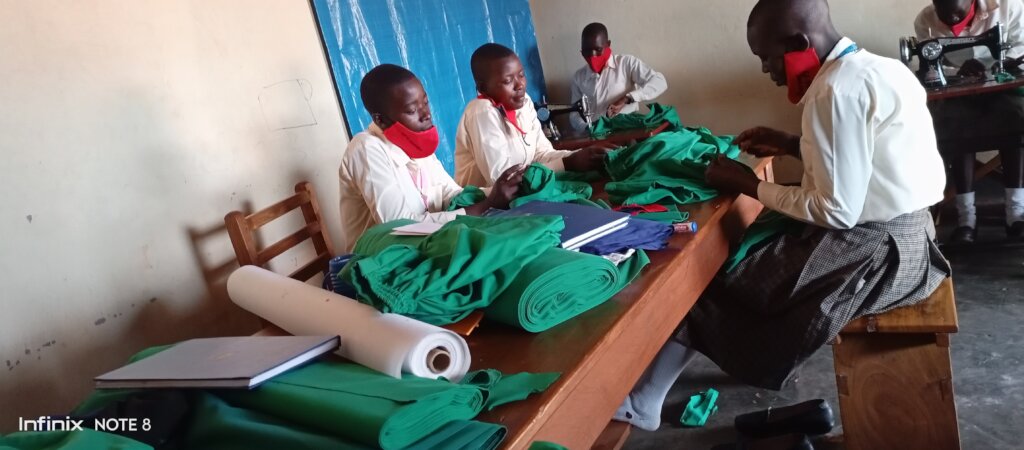
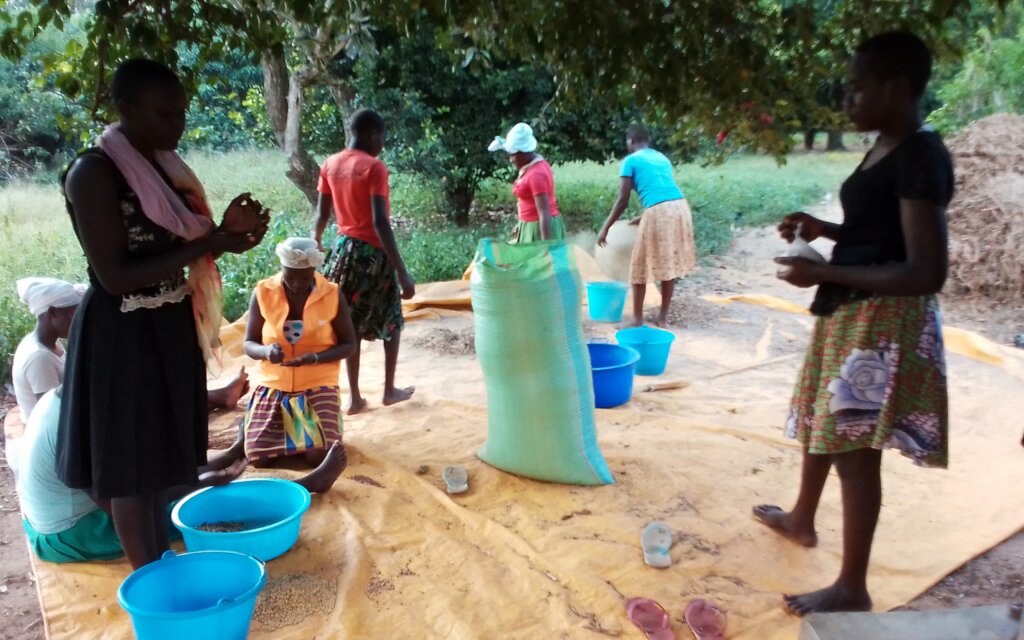
And greater percentage of this fund is being directed to meet the cost of feeding and training of the students who are the beneficiaries of the project; although to certain extent, the parents are also being asked to cost share some little so that: they can be part of the project.
![Share on Twitter]()
![Share on Facebook]()
Oct 28, 2026
KIFA: NPO that complies to national tax
By George Obia | Project Leader
Understanding the County’s or national tax policy is a nonprofit organization in the of Kole Intellectual Forum (KIFA)
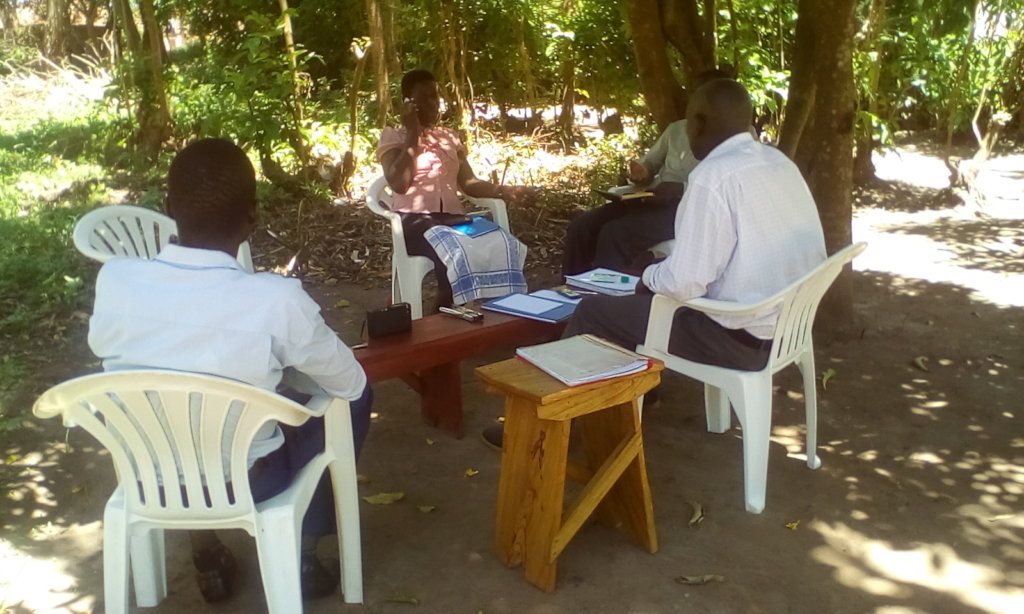
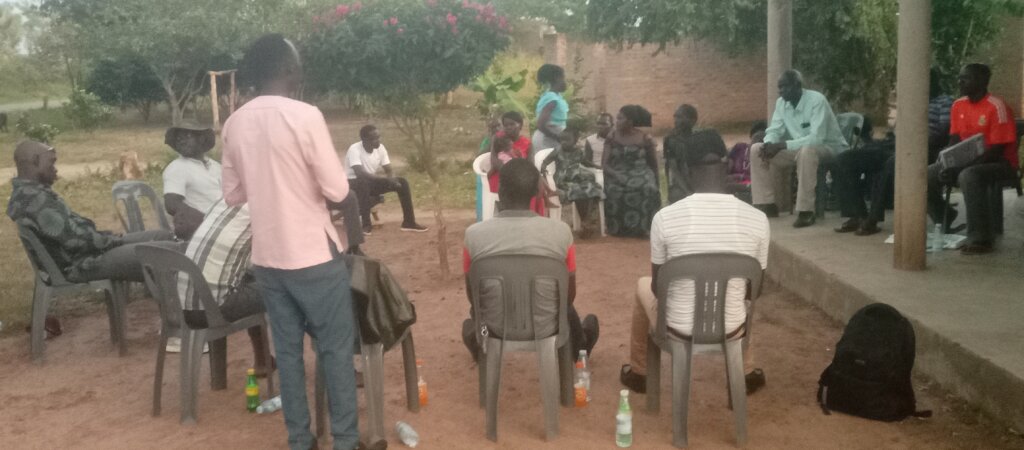
Kole Intellectual forum is one of such nonprofit organizations that obeys the law and policies of its country. To be An NGO that can understand the context of tax policy with the aim of be ensuring legal compliance and also to avoid penalties; the organization is strategically managing its financial viability and sustainability by operating within the tax policy that enable its team to participate in advocacy and shaping the legal environment that governs the non-profit sector.
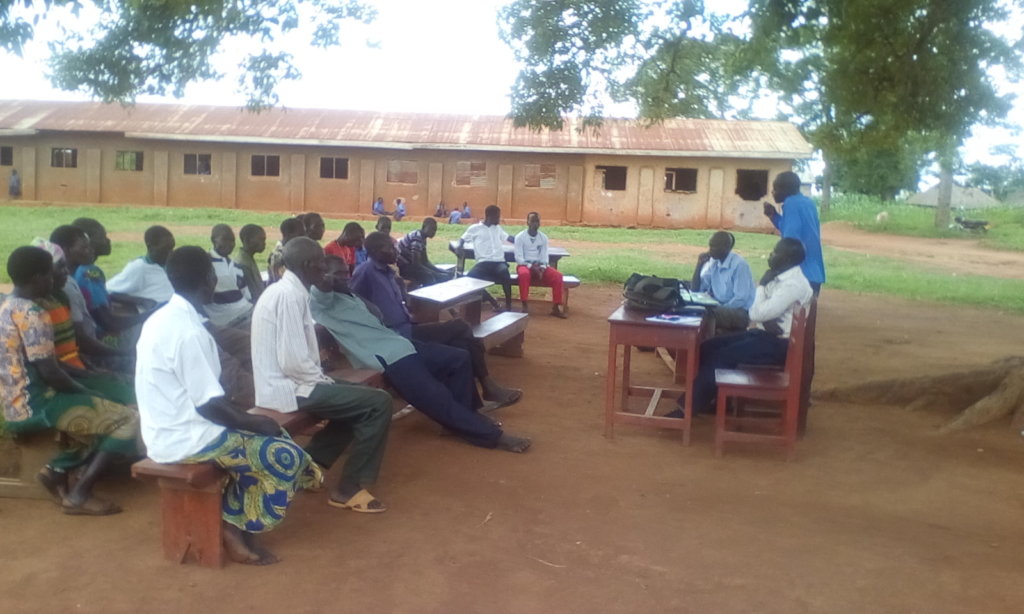
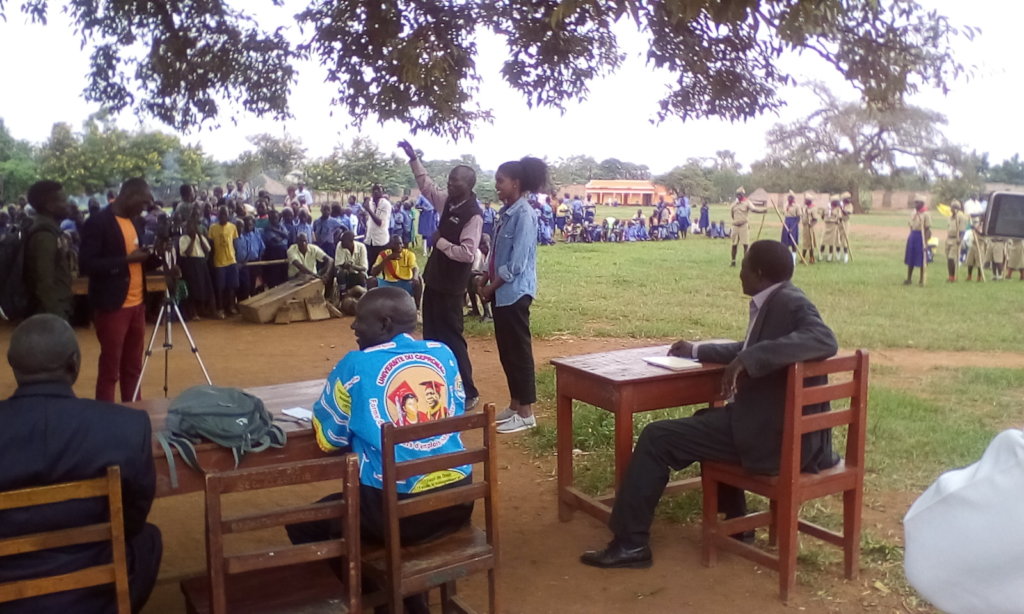
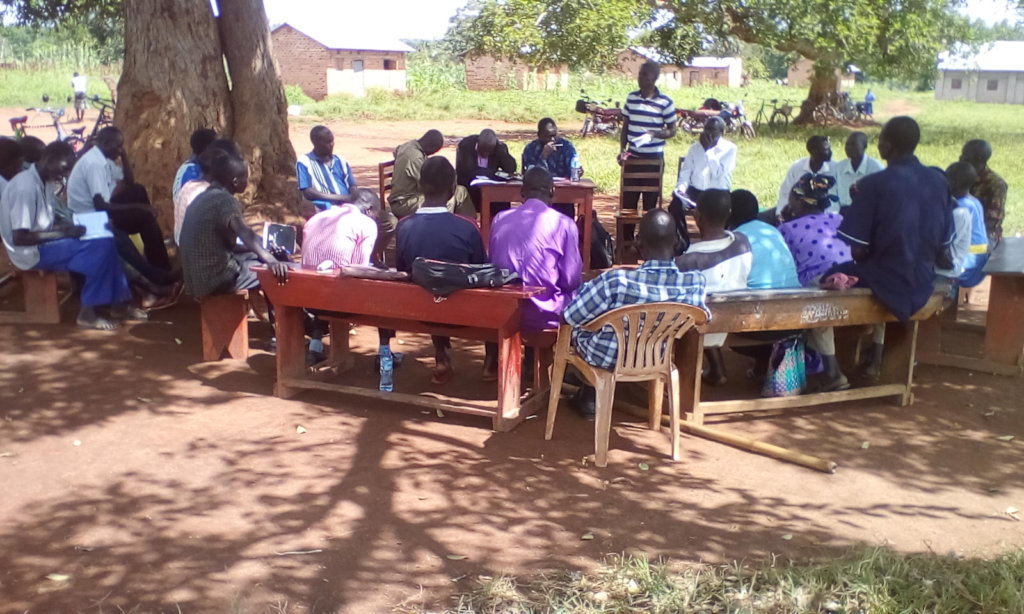
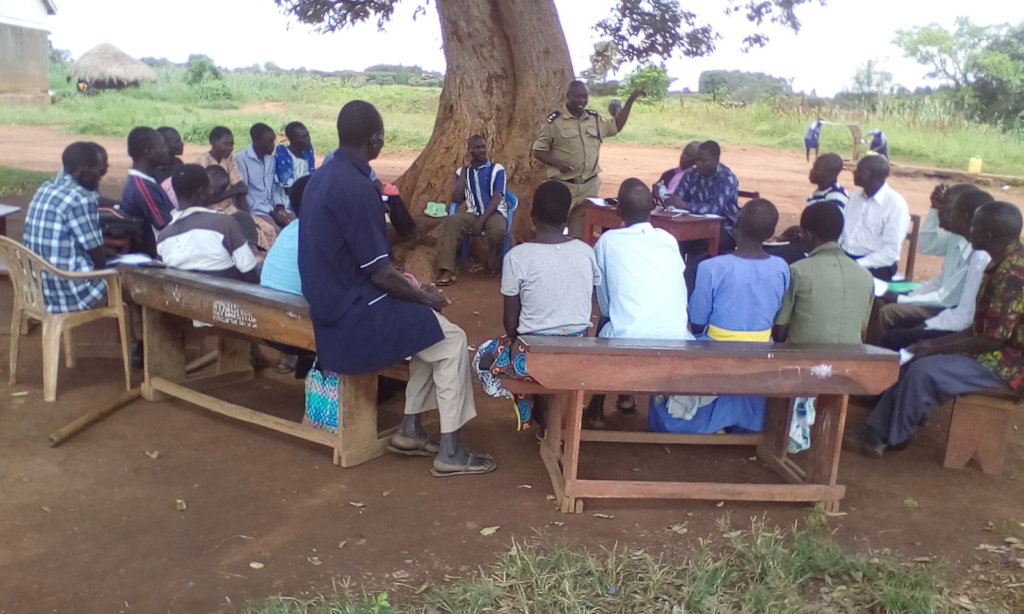
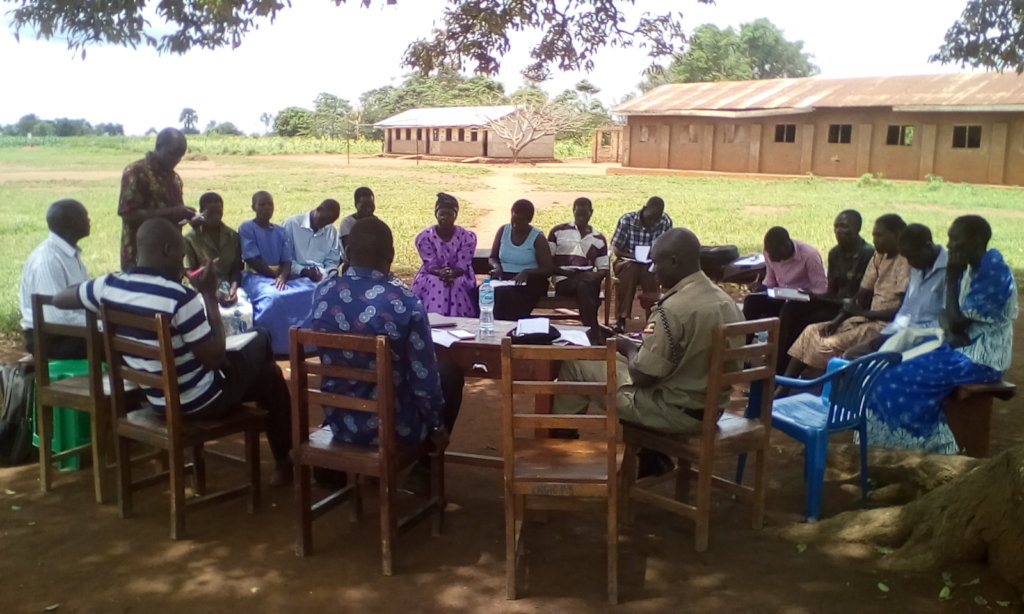
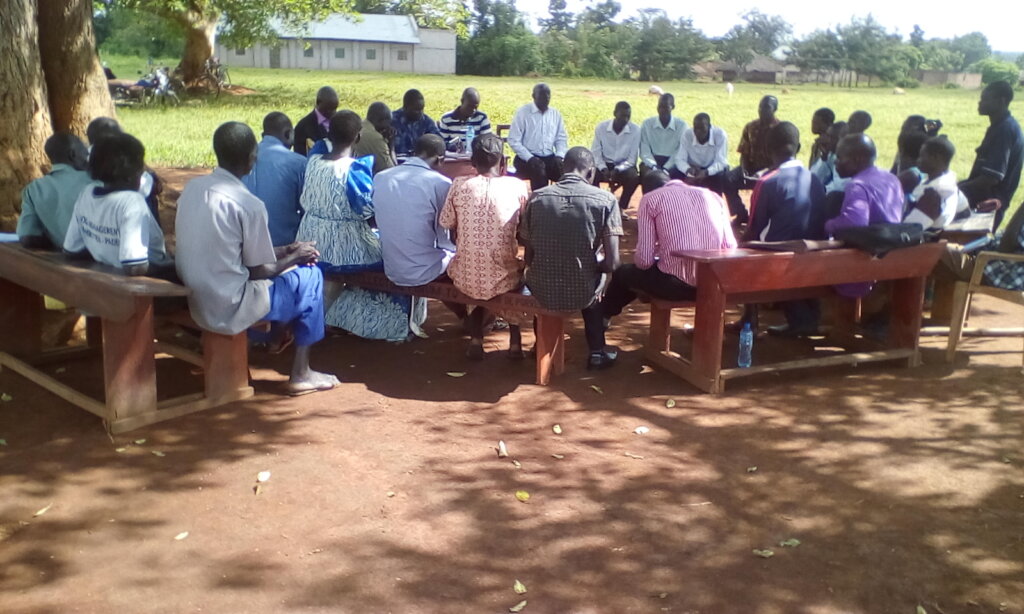
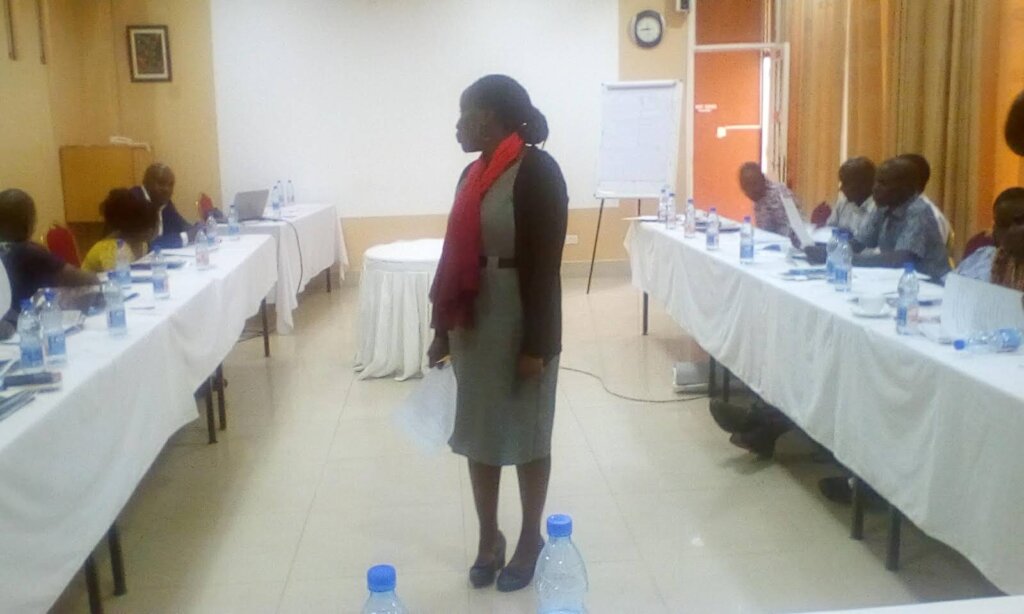
By attending to all the Uganda Revenue Authority’s educational sector meetings; the organization (Kole Intellectual Forum) is able to exercise its legal duties base on operational and Financial Reasons as numerated below, that:
- Legal Compliance and Risk Mitigation: Understanding tax laws is crucial for adhering to national regulations, which helps NGOs avoid fines, sanctions, or even legal action. This includes regulations regarding income tax, Value Added Tax (VAT), customs duties, and payroll taxes.
- Maintaining Tax-Exempt Status: NGOs typically have a special tax-exempt status, but this is a privilege, not an automatic right. They must follow specific guidelines, such as ensuring income is used for their stated charitable purposes and not for private gain, and filing regular financial reports. A lack of understanding can jeopardize this status.
- Effective Financial Planning: Knowledge of tax obligations allows an NGO to accurately forecast its budget, manage its resources efficiently, and plan for any potential tax liabilities on unrelated business income or property, ensuring financial stability.
- Optimizing Funding and Resources: Tax policies influence how NGOs can raise funds, manage donations, and allocate resources. For example, policies on tax-deductible donations affect donor incentives and, consequently, the level of charitable contributions. Understanding these dynamics enables NGOs to diversify their funding streams and maximize their income.
![Share on Twitter]()
![Share on Facebook]()