Protect the Protest in Palestine & Israel

by Adalah - The Legal Center for Arab Minority Rights in Israel
Play Video
Protect the Protest in Palestine & Israel

Project Report | Nov 16, 2026
Defending the Right to Protest Against Crime and Violence in Arab Society

By Ranna Khalil | Researcher

Dear Friends,

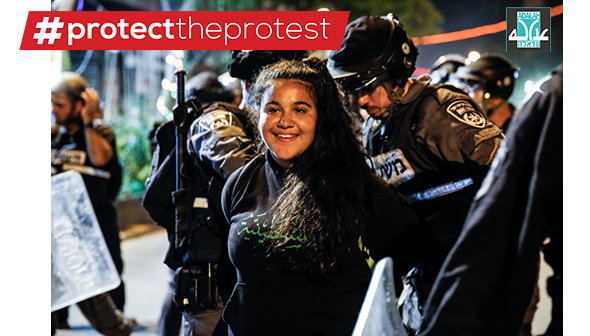
Palestinian citizens of Israel are facing a devastating crisis of organized crime and violence, compounded by years of systematic police neglect and failure to protect their communities. Following a record 252 killings in 2025, nearly 200 people have already been killed in 2026. As the death toll continues to rise, Palestinian communities are demanding urgent action, justice, and accountability from the authorities responsible for their safety.

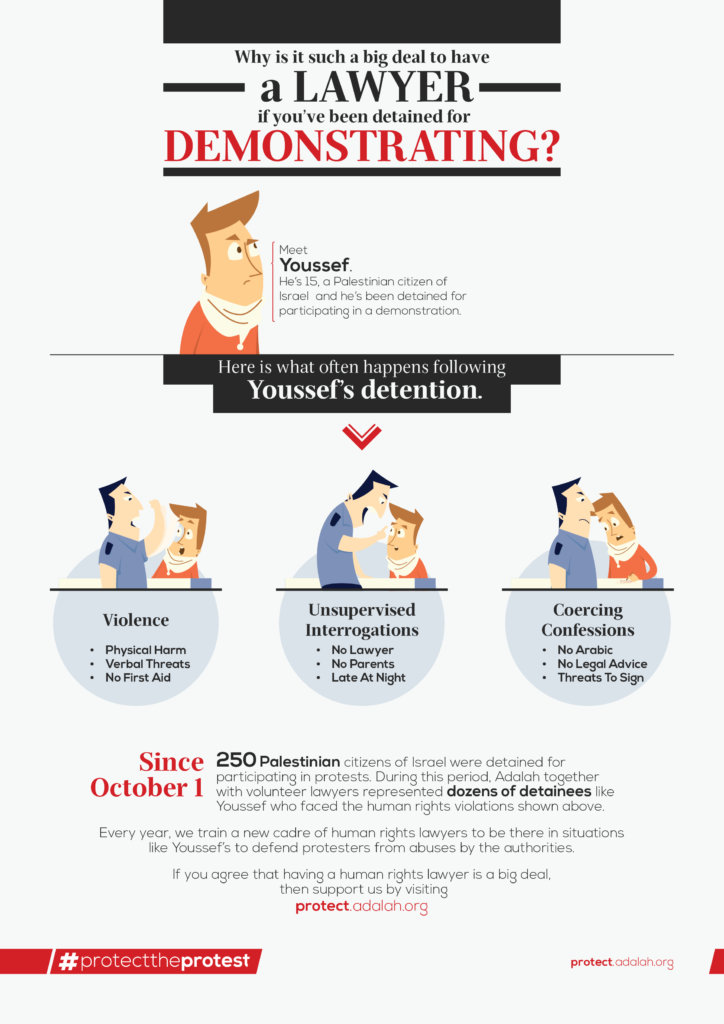
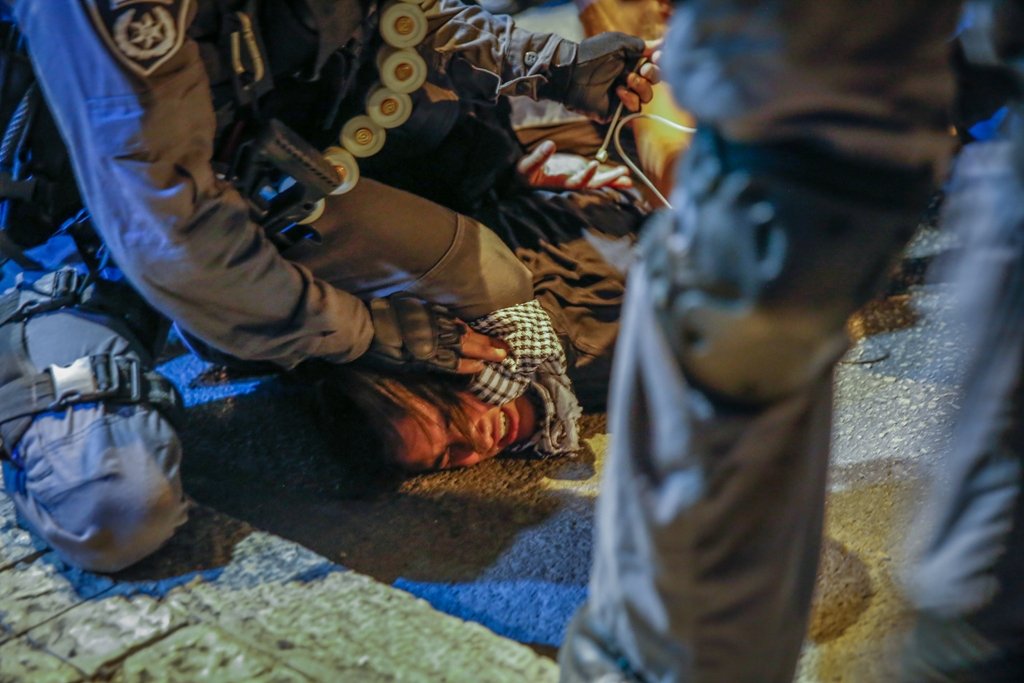
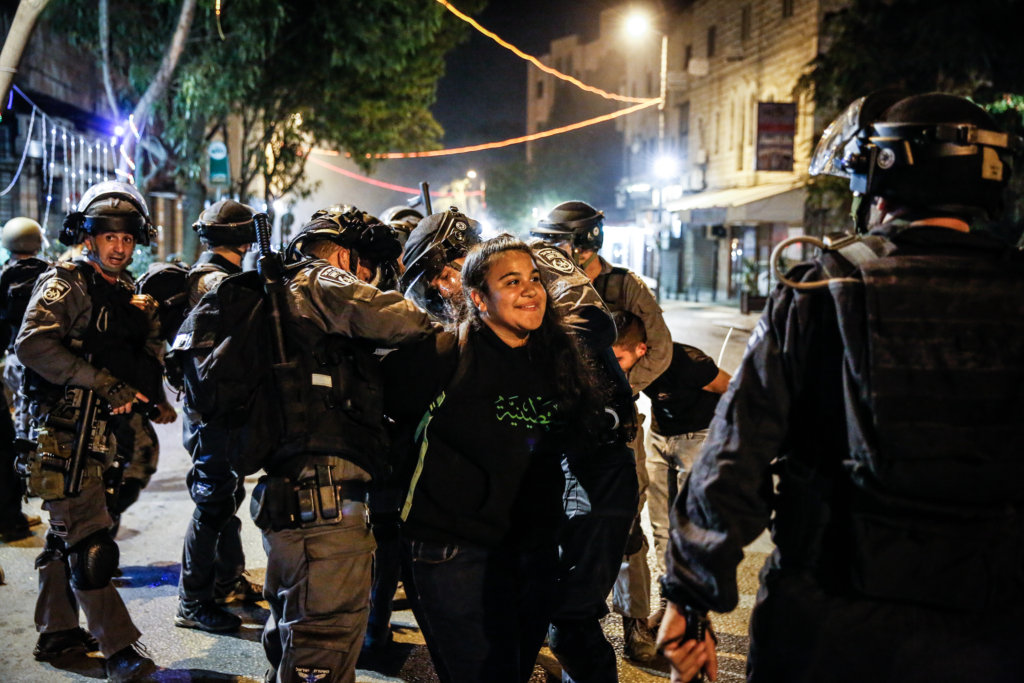
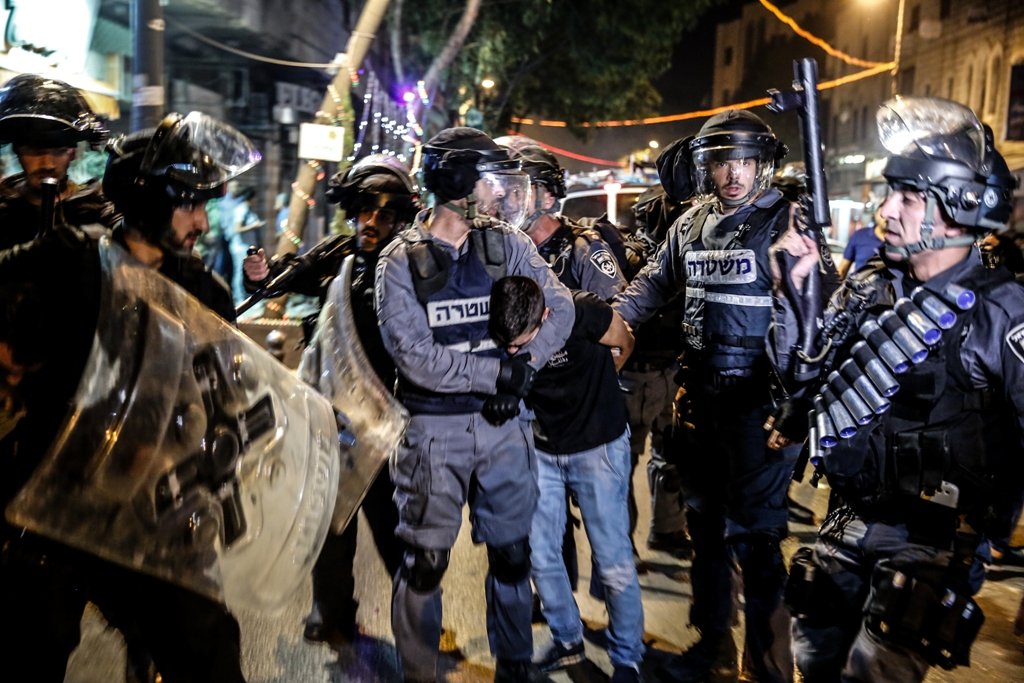
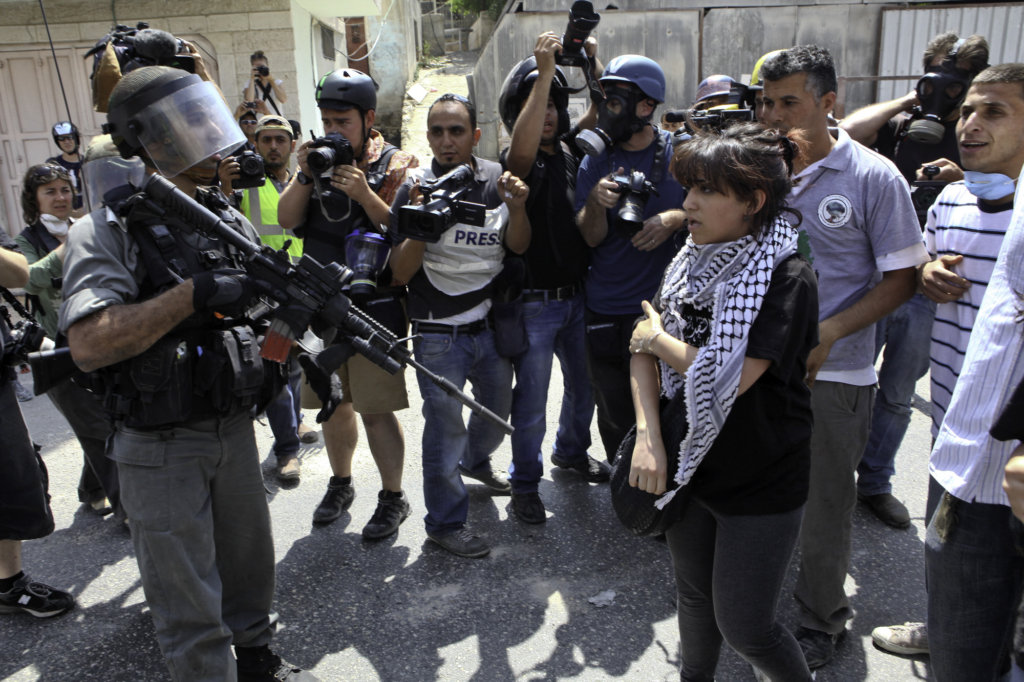
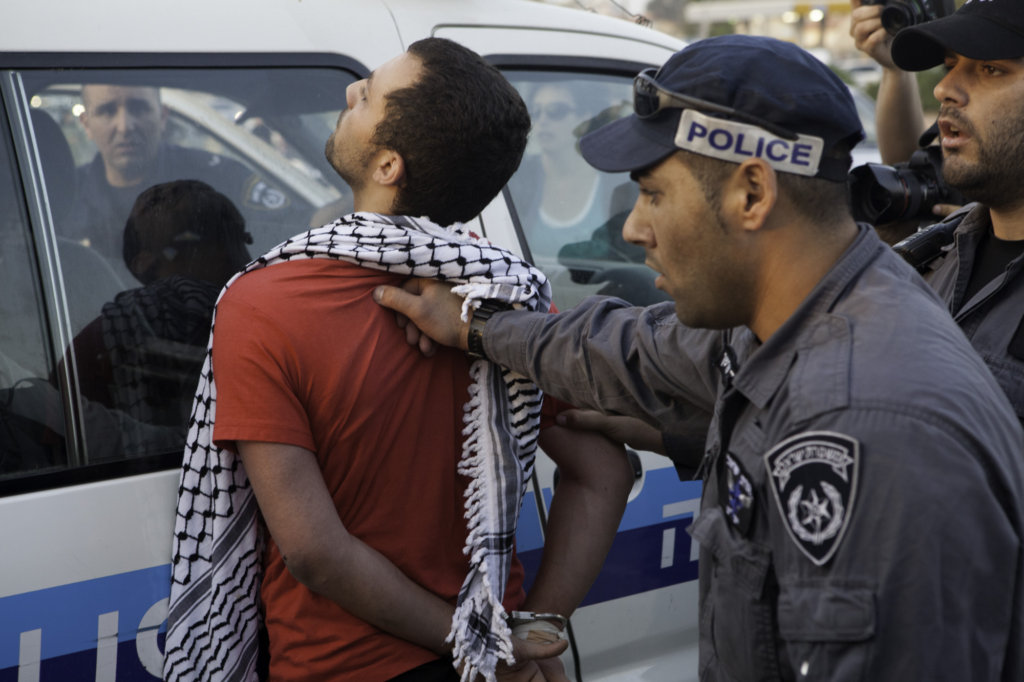
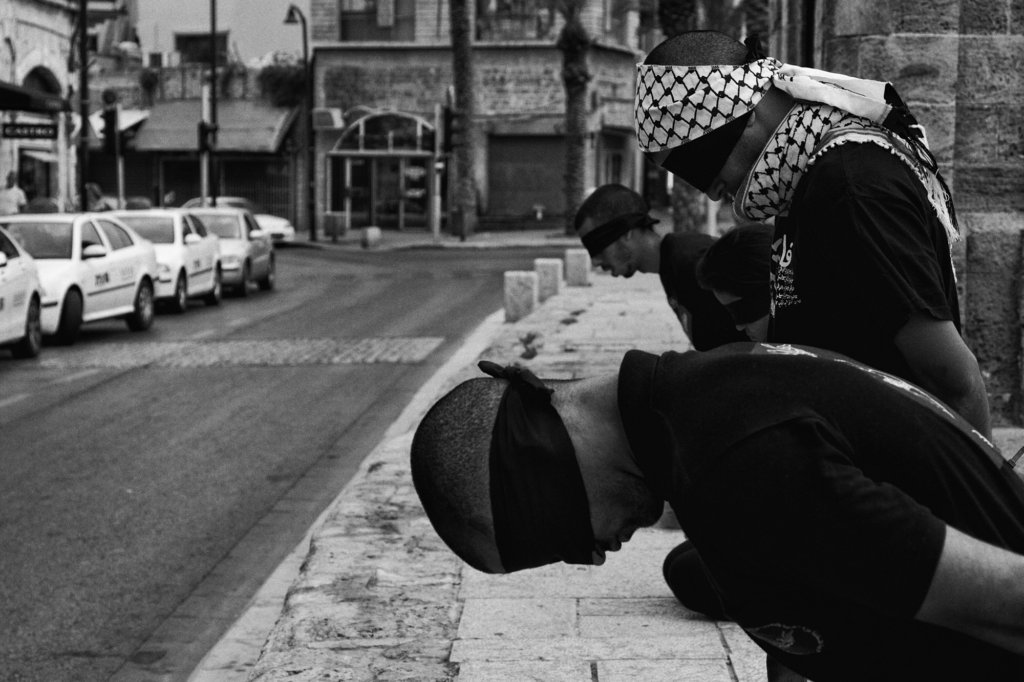
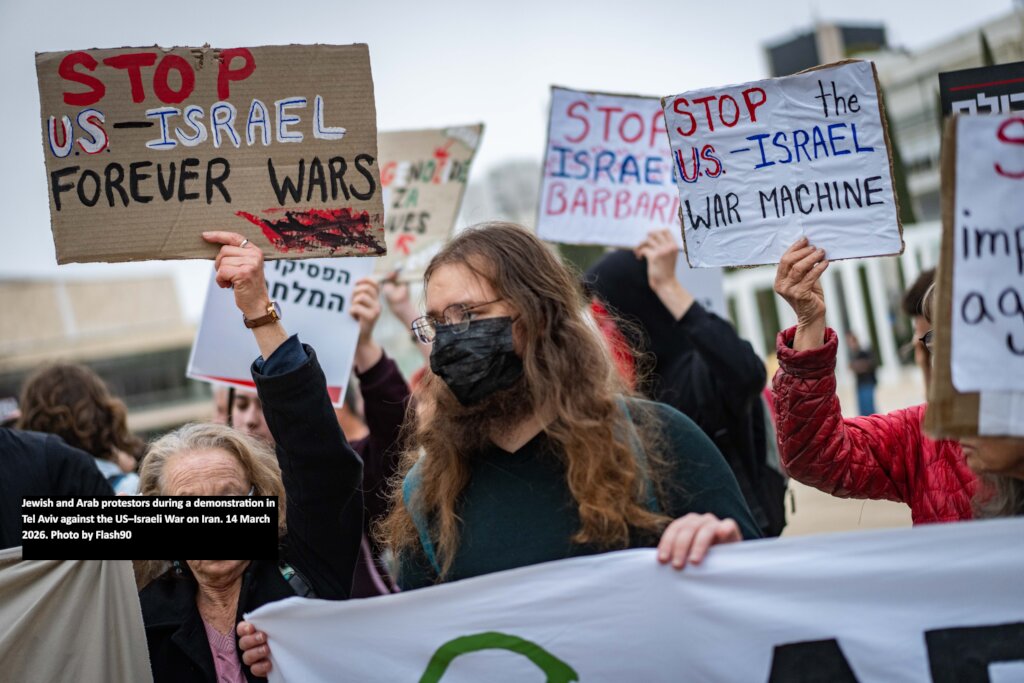
Yet, instead of protecting their right to protest, the Israeli police have repeatedly sought to restrict and obstruct their demonstrations. Palestinian citizens of Israel demanding protection from violence have found themselves fighting a second battle: for their fundamental right to make their voices heard.

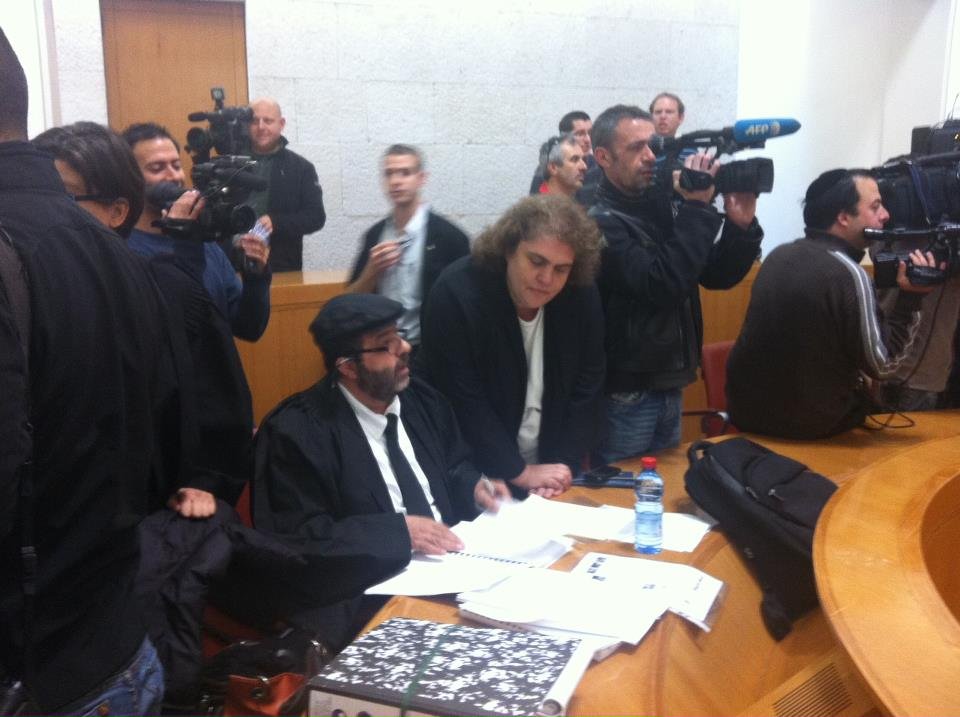
Throughout 2026, Adalah launched a series of urgent legal interventions, including petitions to the Israeli Supreme Court, challenging police restrictions on demonstrations in Arab towns and mixed cities. These restrictions targeted protest locations, routes, participation, timing, and even the form of expression, often threatening to undermine the demonstrations' central purpose: demanding that the authorities confront the escalating violence.

Adalah's legal interventions included:

  • Umm al-Fahem: In January, Adalah petitioned the Supreme Court (SCT) after police unlawfully insisted that a demonstration against organized crime required prior approval. Following the petition, the police acknowledged that no permit was necessary. In September, Adalah returned to the Court to challenge restrictions on another demonstration near the busy Route 65, including forcing protesters to relocate to a less visible site, limiting participation to 200 people, and imposing parking responsibilities on organizers. Although the petition was ultimately withdrawn following a hearing, Adalah challenged restrictions that threatened to deprive the protest of its visibility and impact.
  • Sakhnin: In January, Adalah petitioned the Supreme Court on behalf of the city's mayor after police sought to prevent a major protest march from reaching a junction near the Misgav police station—the very institution protesters sought to hold accountable for its failure to address crime. Following Adalah's petition, the police withdrew the restriction. When police subsequently erected roadblocks obstructing access to the demonstration, Adalah intervened again, demanding their removal. Ultimately, tens of thousands of protesters marched along the planned route, reaching the junction leading to the police station in a powerful demonstration demanding an end to crime and violence.
  • Kafr Kanna: In February, Adalah challenged police restrictions on a planned torchlight procession against organized crime. Following Adalah's intervention, the police agreed to the demonstration's scheduled timing but continued to prohibit torches, citing safety concerns. Adalah argued that this blanket prohibition disproportionately restricted freedom of expression and that the police had failed to consider alternatives. The march proceeded as scheduled, but without torchlights.
  • Lod: In April, Adalah filed an urgent Supreme Court petition challenging police refusal to allow a demonstration at the site of a murder that had sparked public outrage. The police cited traffic concerns, while Adalah argued that the location was essential to the protest's message and that temporary traffic disruption was a legitimate exercise of the right to protest. Before the hearing, an agreement was reached allowing the demonstration to proceed at a prominent location near the original site.

These cases expose a disturbing contradiction: Palestinian citizens of Israel, already suffering from the authorities' failure to confront organized crime and violence, face additional police obstacles when they organize to demand protection and accountability.

Through urgent litigation and legal advocacy, Adalah has challenged these restrictions, secured important changes to protest conditions, and defended the right of Palestinian communities to organize, demonstrate, and demand action from the authorities.

The right to protest is especially critical when the state fails to protect people's most fundamental right: the right to life and security. Palestinian citizens of Israel should not have to fight the police for the right to demand that the police protect them.

As organized crime and violence continue to claim lives, Adalah will continue to defend freedom of expression and assembly, challenge unlawful police restrictions, and hold the authorities accountable for their obligation to protect Palestinian citizens of Israel.

Thank you for standing with Adalah and supporting our work to defend fundamental rights and demand justice and accountability.

In solidarity,

The Adalah Team

Share on Twitter Share on Facebook

Jul 20, 2026
Protest Leaders Convicted under Counter-Terror Law

By Rina Rosenberg | International Advocacy Director

Mar 25, 2026
Under the Cover of the War on Iran: Arrests and Harassment of Palestinian Journalists

By Ranna Khalil | Researcher

About Project Reports

Project reports on GlobalGiving are posted directly to globalgiving.org by Project Leaders as they are completed, generally every 3-4 months. To protect the integrity of these documents, GlobalGiving does not alter them; therefore you may find some language or formatting issues.

If you donate to this project or have donated to this project, you can receive an email when this project posts a report. You can also subscribe for reports without donating.


Sign up for updates

Organization Information

Adalah - The Legal Center for Arab Minority Rights in Israel

Location: Haifa - Israel
Website:
Facebook: Facebook Page
X / Twitter: Profile
Project Leader:
Ranna Khalil
Haifa , Haifa Israel
$132,618 raised of $200,000 goal
 
1,613 donations
$67,382 to go
Donate Now
lock
Donating through GlobalGiving is safe, secure, and easy with many payment options to choose from. View other ways to donate

Adalah - The Legal Center for Arab Minority Rights in Israel has earned this recognition on GlobalGiving:

Help raise money!

Support this important cause by creating a personalized fundraising page.

Start a Fundraiser

Learn more about GlobalGiving

Teenage Science Students
Vetting +
Due Diligence

Snorkeler
Our
Impact

Woman Holding a Gift Card
Give
Gift Cards

Young Girl with a Bicycle
GlobalGiving
Guarantee

Get incredible stories, promotions, and matching offers in your inbox

WARNING: Javascript is currently disabled or is not available in your browser. GlobalGiving makes extensive use of Javascript and will not function properly with Javascript disabled. Please enable Javascript and refresh this page.