By Slavica Vasic Mitrovic | Project leader
NARRATIVE REPORT
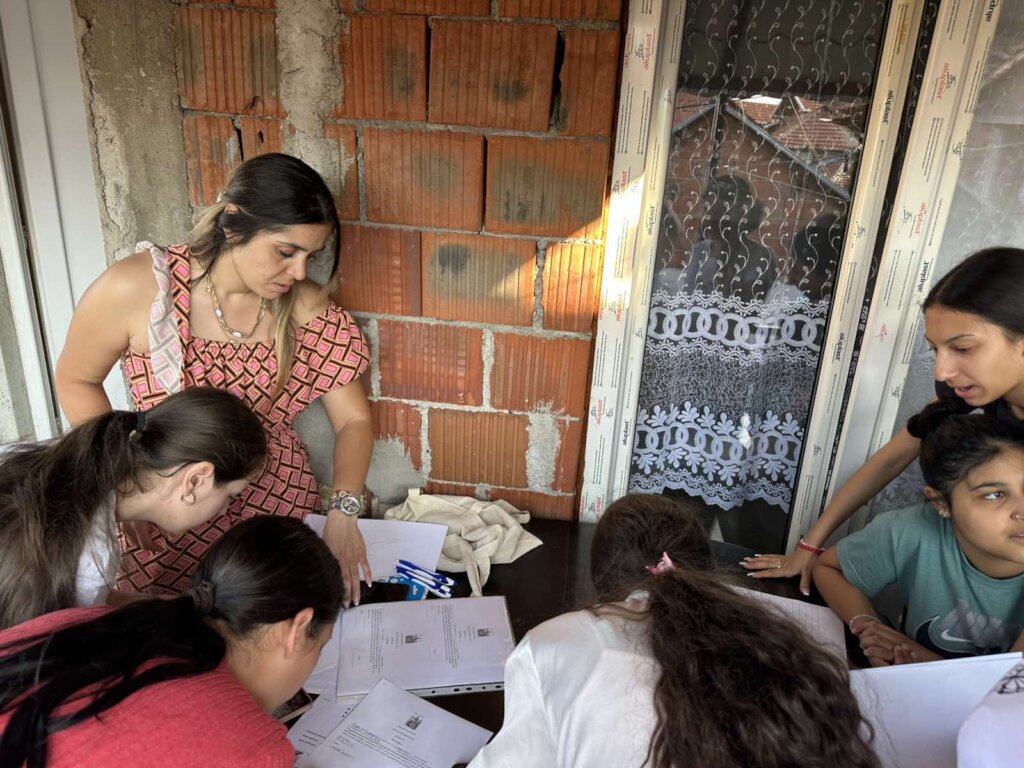
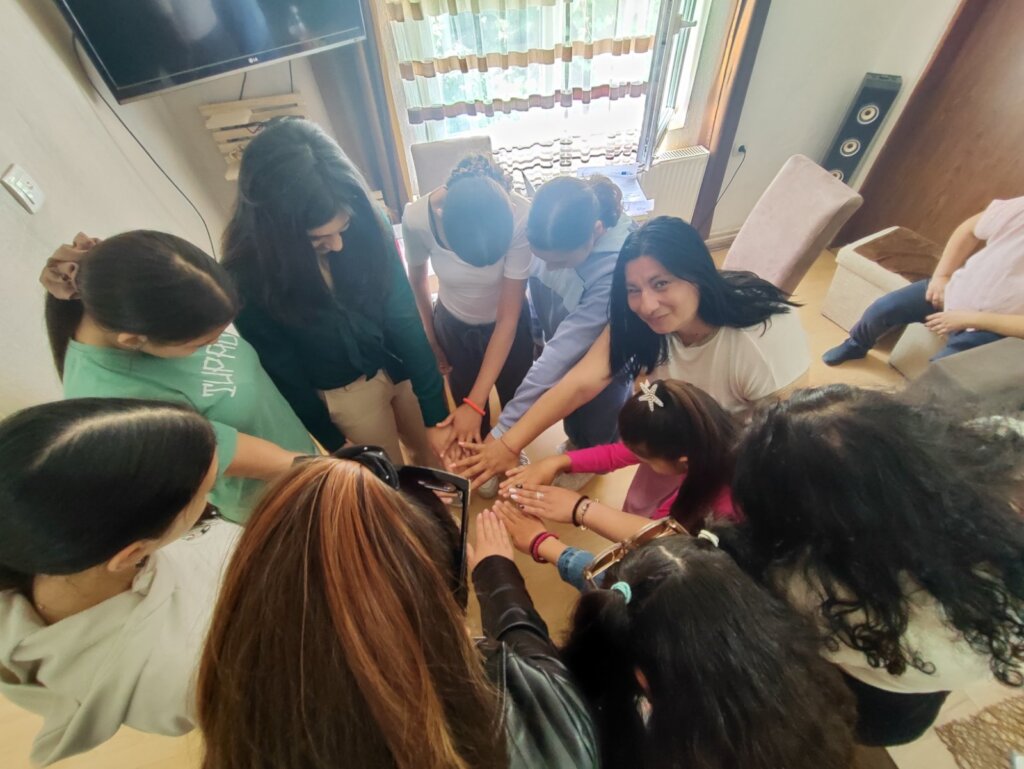
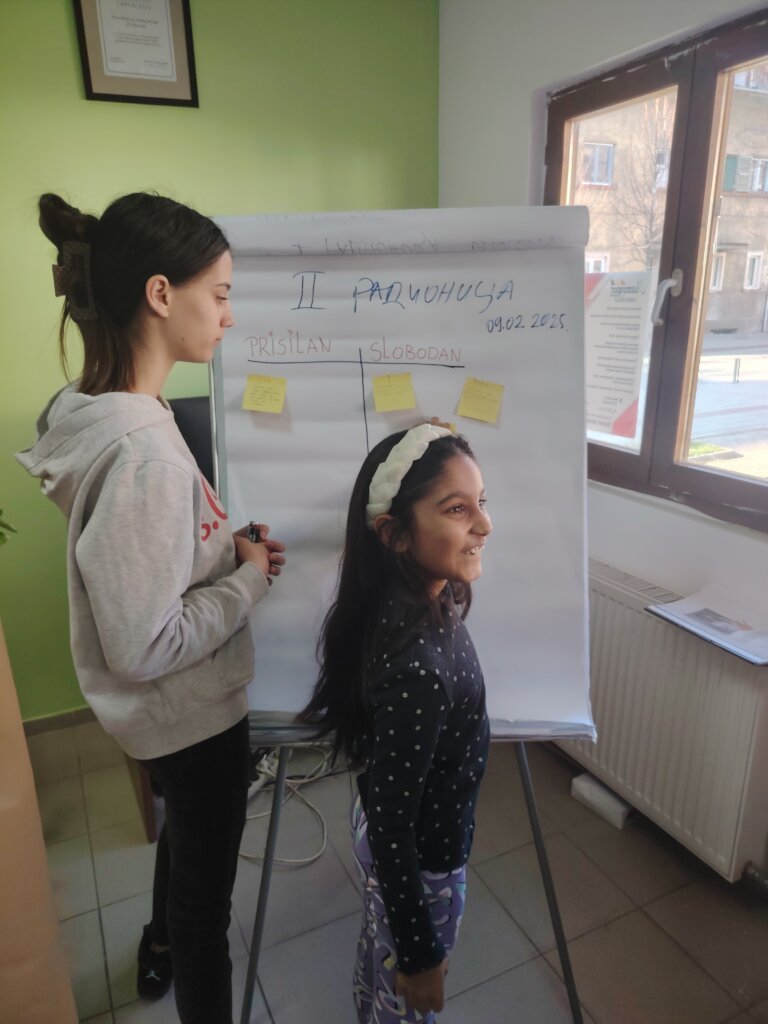
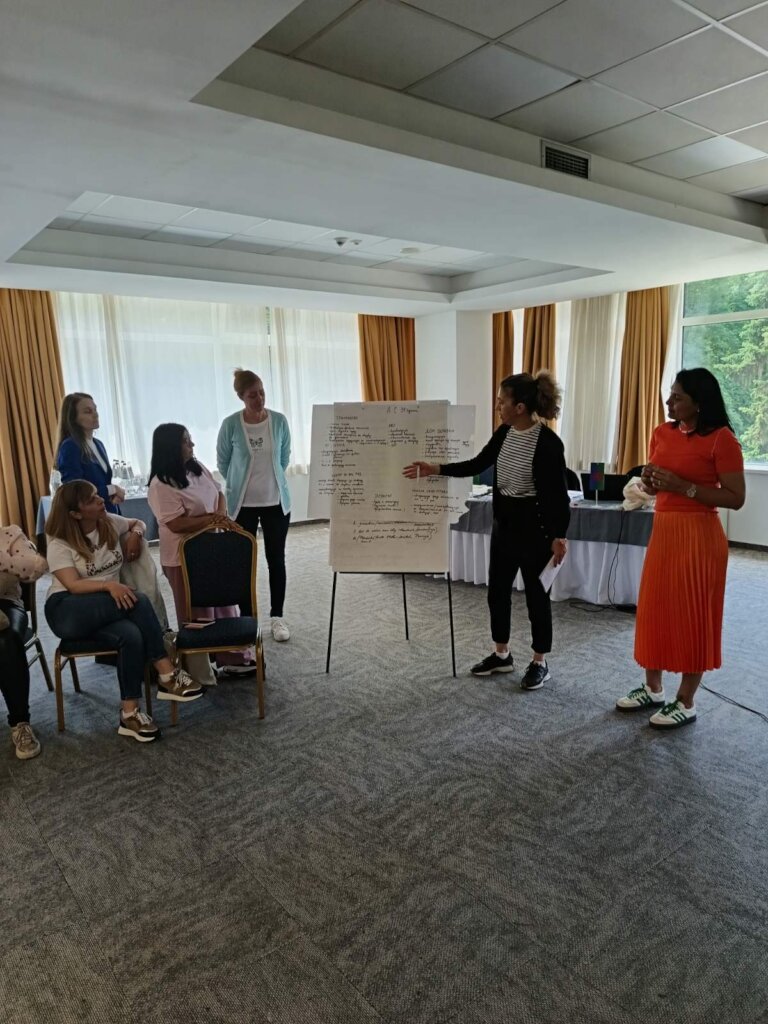
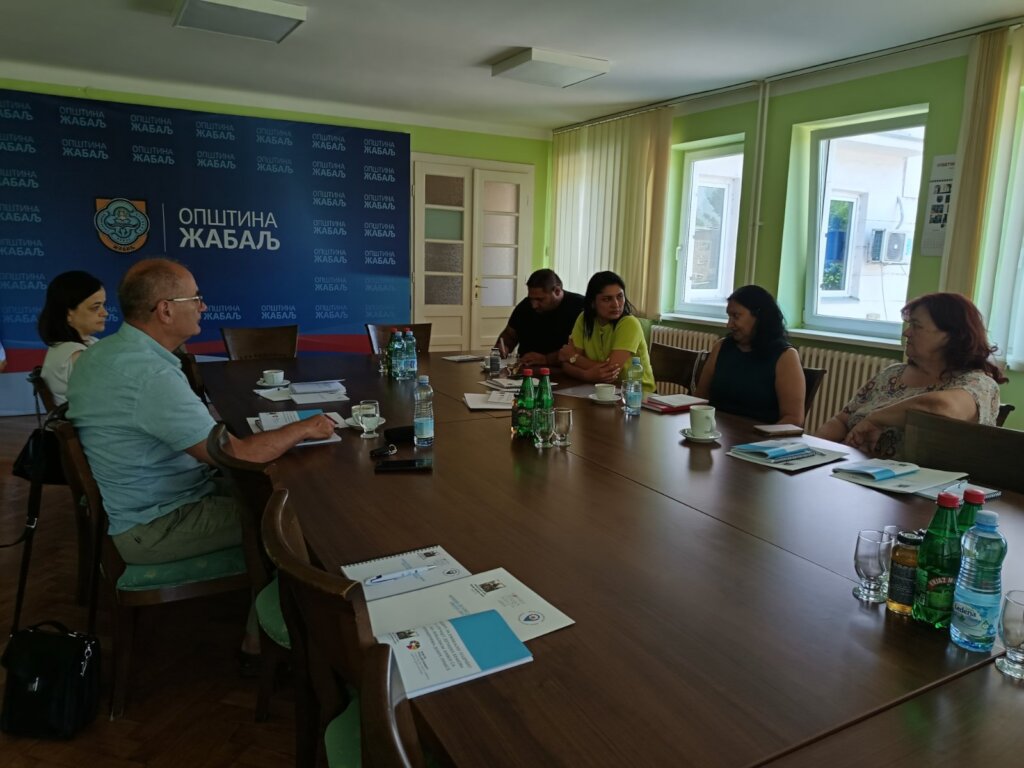
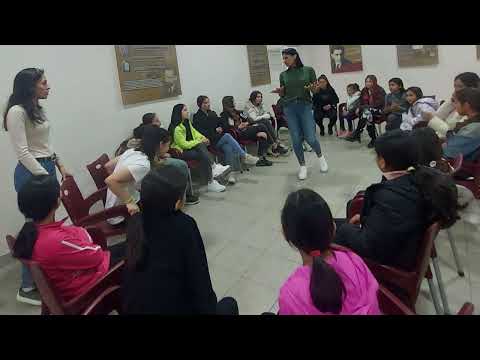
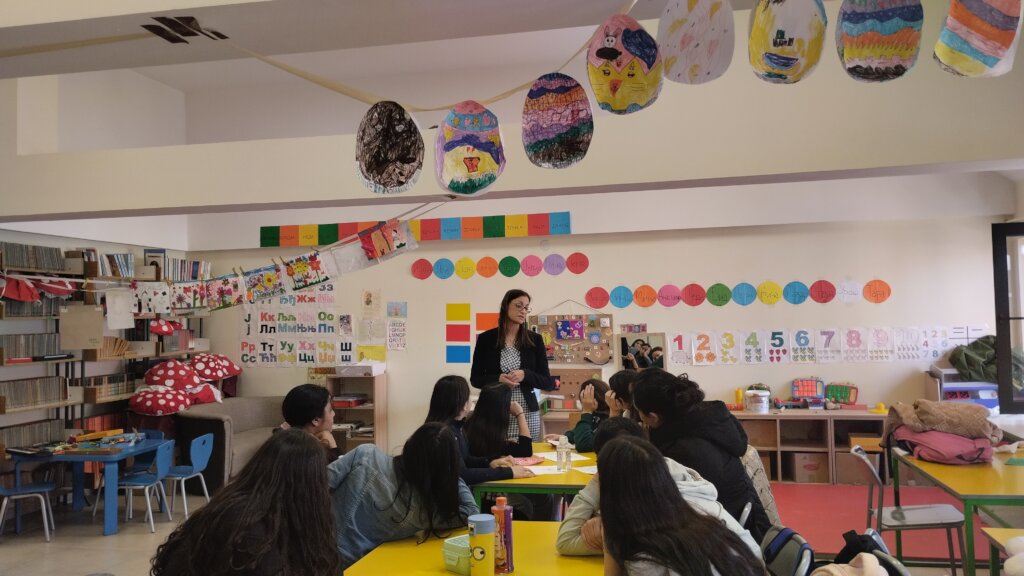
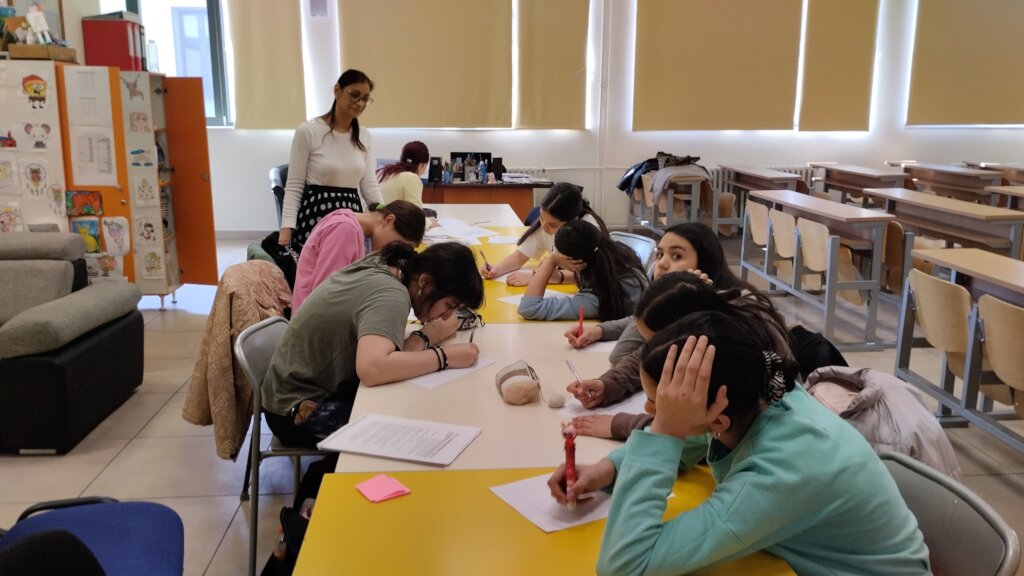
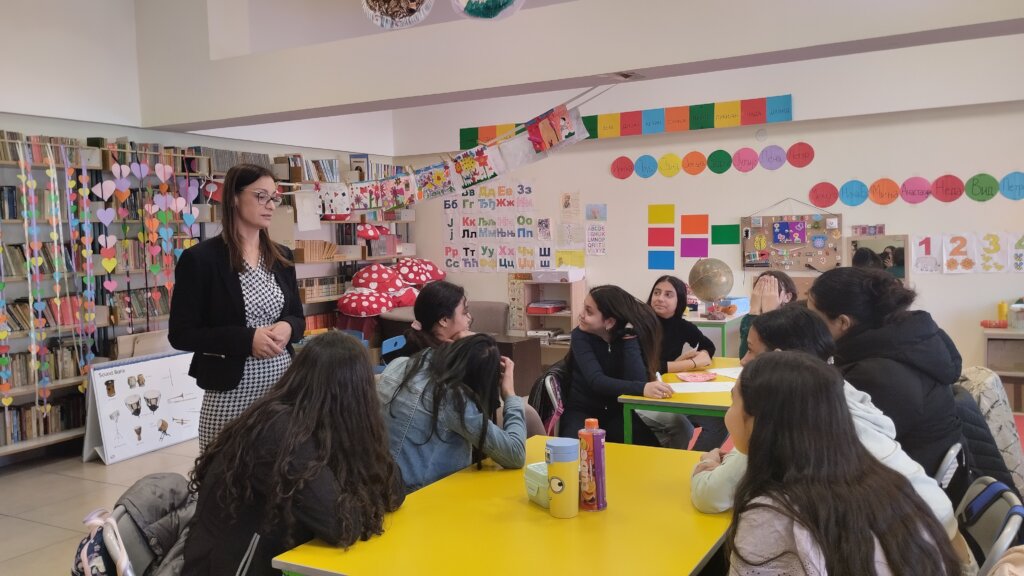
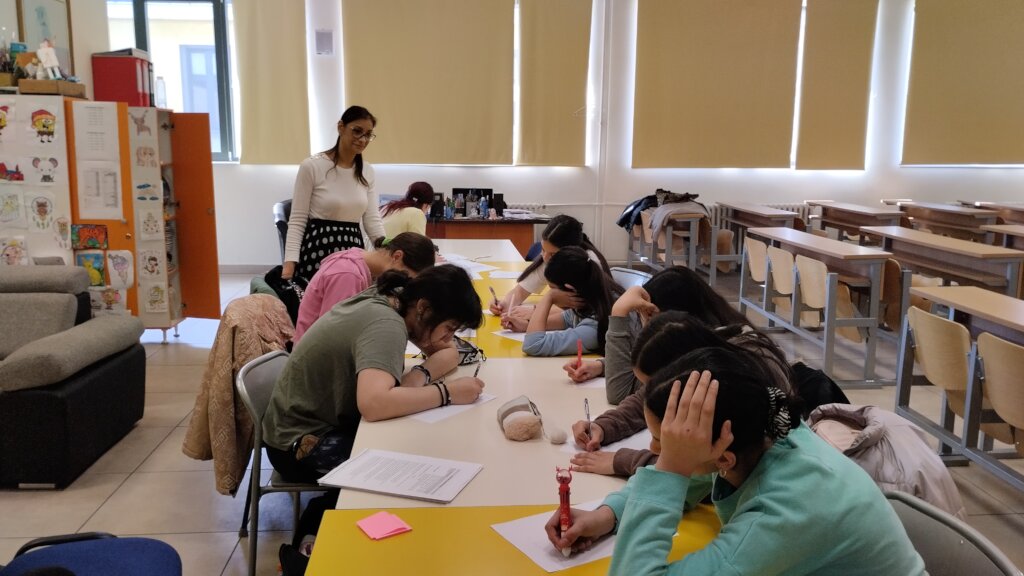
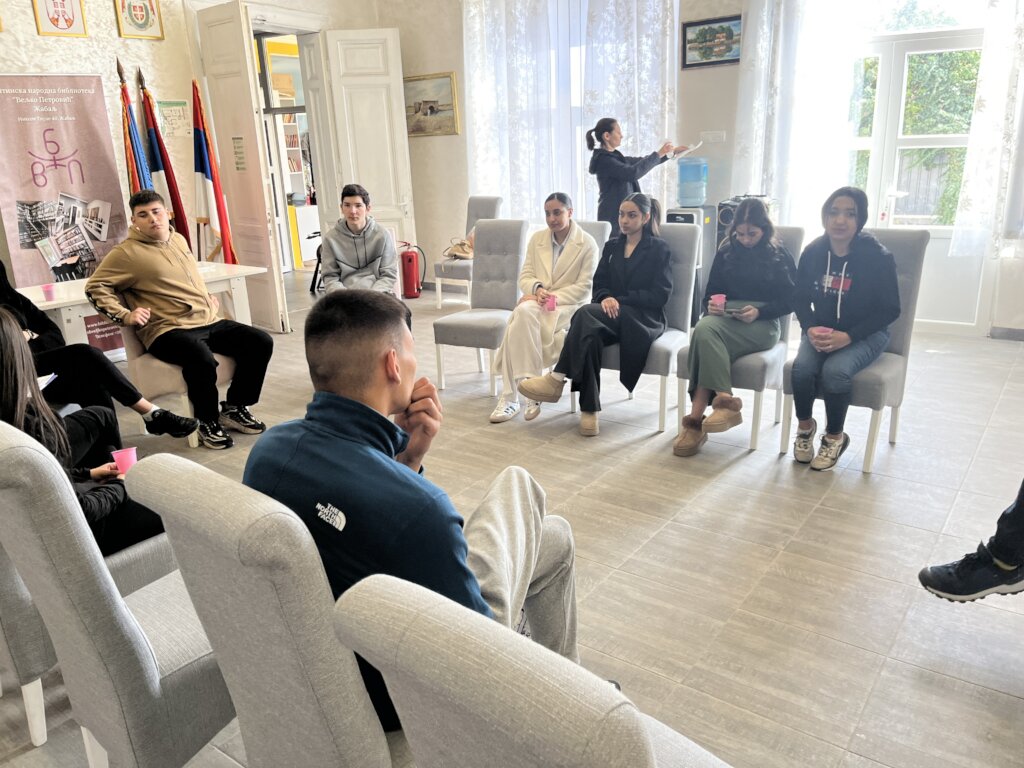
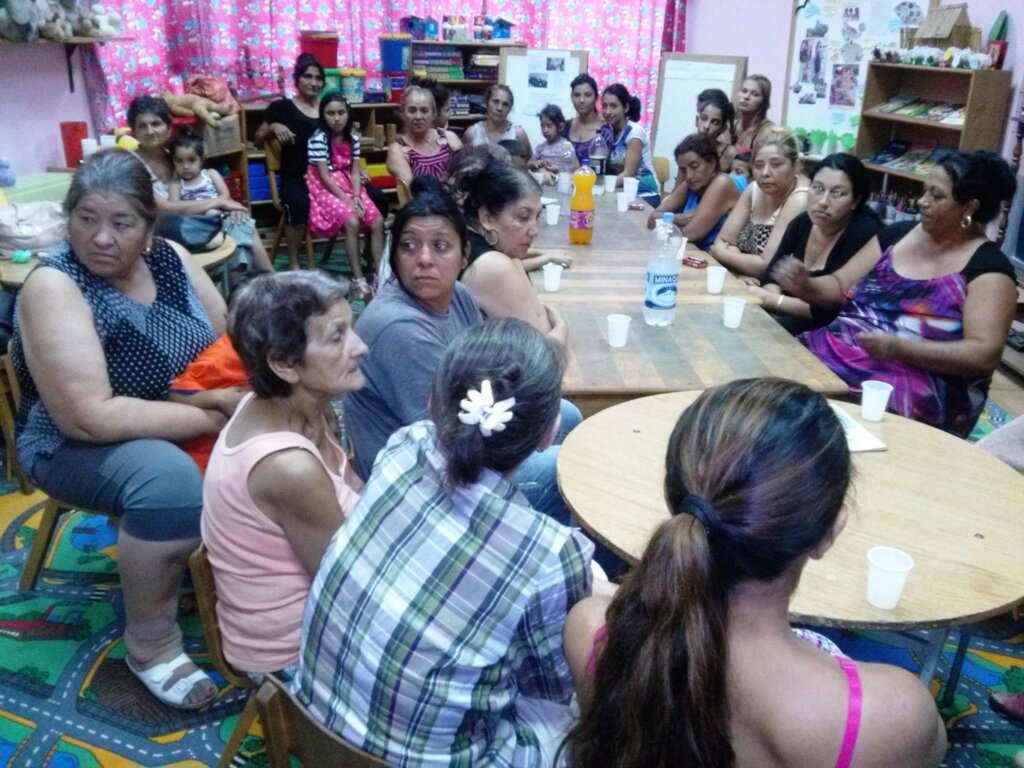
Throughout the 3-year-long project implementation period, we worked hard to achieve progress in preventing child, early and forced marriages and raising awareness on the harmful consequences in 20 settlements across 10 different municipalities in Serbia. The project began with the development of two curricula for workshops with adolescent Roma girls and community discussions, followed by 3 capacity-building trainings for Roma Women Network activists responsible for implementing activities across the 20 Roma settlements on: the functioning of local institutions; strengthening Roma women activism; and reporting racial discrimination. By the end of the third project year, a total of 480 workshops had been conducted, reaching 880 adolescent Roma girls, alongside 480 community discussions involving 1208 Roma community members. The workshops focused on empowering girls to strengthen their personal identities and skills, understand their rights, and recognise the consequences of early marriage and teenage pregnancy for their reproductive and mental health, education, safety and future opportunities. Discussions addressed gender equality, customary practices, cultural identity, children’s and women’s rights, and the importance of education. As a rule of thumb, participants were initially shy and reluctant to discuss these sensitive, taboo topics, but they gradually became more open, engaged and confident in expressing their opinions. Many demonstrated an increased understanding that early marriage is a serious life decision with potentially harmful consequences, rather than merely a social norm. The workshops also provided essential information on pregnancy, the menstrual cycle and reproductive health, while creating opportunities for mutual support, experience-sharing and the development of adolescent girls’ leadership. Activities were conducted in the Romani language where necessary, helping ensure accessibility and participation despite challenging conditions, including inadequate facilities and limited infrastructure in some settlements. Community discussions consistently attracted approximately 65% women, while men’s participation remained limited in some southern municipalities, reflecting resistance to changing traditional practices. Alongside community-level activities, the project strengthened institutional cooperation through the establishment and maintenance of local coalitions, organising 2 trainings on strengthening their understanding of and coordinated response to early, forced and child marriages, monitoring visits, meetings with relevant stakeholders and dialogue with ministries, public institutions, civil society and academic representatives on coordinated responses to child marriage. A total of 2 training sessions furthered the knowledge of local coalition members and equipped them with advocacy skills to engage institutions and promote effective prevention and response measures. Twelve awareness-raising videos were also produced. Despite an almost constant unstable political and social environment that constrained formal institutional engagement, local coalition members remained committed to identifying and reporting cases of child marriage and supporting prevention efforts. Overall, the project established a sustainable foundation for continued community awareness-raising, stronger cooperation between Roma women activists and institutions, and created a fruitful atmosphere for the gradual transformation of harmful social norms. Its results demonstrate progress in empowering Roma girls and women, promoting children’s and women’s rights, and building community-based support networks that encourage positive social change all while respecting cultural identity.
Change in Project Context and Impact on Theory of Change
Throughout the project implementation period, Serbia’s political, economic and institutional context underwent significant changes that affected the pace and implementation of certain activities, particularly those requiring cooperation with government institutions. When the project was designed in 2022, the political environment appeared relatively stable. However, rising inflation, early elections, changes in government structures and subsequent political instability required adjustments to project activities and budget allocations. The suspension of the implementation of the Law on Gender Equality pending a Constitutional Court decision, together with ongoing student-led protests, institutional disruptions and increasing pressure on civil society organisations, further complicated cooperation with national and local institutions. In particular, the inability to establish the Coordination Body for Gender Equality prevented the National Coalition to End Child Marriages from functioning formally, although Coalition members continued to cooperate and exchange information informally. These developments limited opportunities for institutional advocacy and delayed progress in establishing coordinated responses to child marriage. Nevertheless, the project's core theory of change, which posits that empowering Roma girls and women, raising community awareness and strengthening cooperation with institutions can contribute to preventing child marriage and transforming harmful social norms remained relevant and unchanged. The project team adapted activities to respond to increased costs, limited access to suitable workshop spaces and changing institutional circumstances, while maintaining community-based workshops and discussions. Experience from the field also reinforced the importance of engaging mothers and older women as influential actors in challenging intergenerational acceptance of child marriage, alongside continued work with adolescent girls as the primary beneficiaries. New and renewed partnerships, including engagement with academia, further supported efforts to broaden awareness and strengthen evidence-based advocacy. An important development was the progress achieved through sustained advocacy for amendments to the Family Law to establish 18 years as the minimum legal age for marriage. The proposed amendments entered the public consultation phase, representing a significant advocacy milestone and an opportunity to strengthen the project’s longer-term impact, although adoption is not yet guaranteed. Overall, the changing context highlighted the structural barriers facing efforts to advance gender equality and protect Roma girls’ rights, while confirming the importance of a flexible, community-led approach. Despite slightly reduced institutional engagement and ongoing political uncertainty, project activities continued, preserving relationships within Roma communities, supporting girls’ empowerment and maintaining pressure for legislative and institutional change. The theory of change therefore remained valid, while implementation increasingly relied on grassroots mobilisation, local partnerships, sustained advocacy and adaptive strategies to achieve lasting progress towards ending child marriage.
By Slavica Vasic Mitrovic | Directoc
By Slavica Vasic Mitrovic | Project Leader
Project reports on GlobalGiving are posted directly to globalgiving.org by Project Leaders as they are completed, generally every 3-4 months. To protect the integrity of these documents, GlobalGiving does not alter them; therefore you may find some language or formatting issues.
If you donate to this project or have donated to this project, you can receive an email when this project posts a report. You can also subscribe for reports without donating.



Support this important cause by creating a personalized fundraising page.
Start a Fundraiser