By Ben Blevins | Engaged Learning Coordinator
Grounded in Social Etiology, Not Assumption
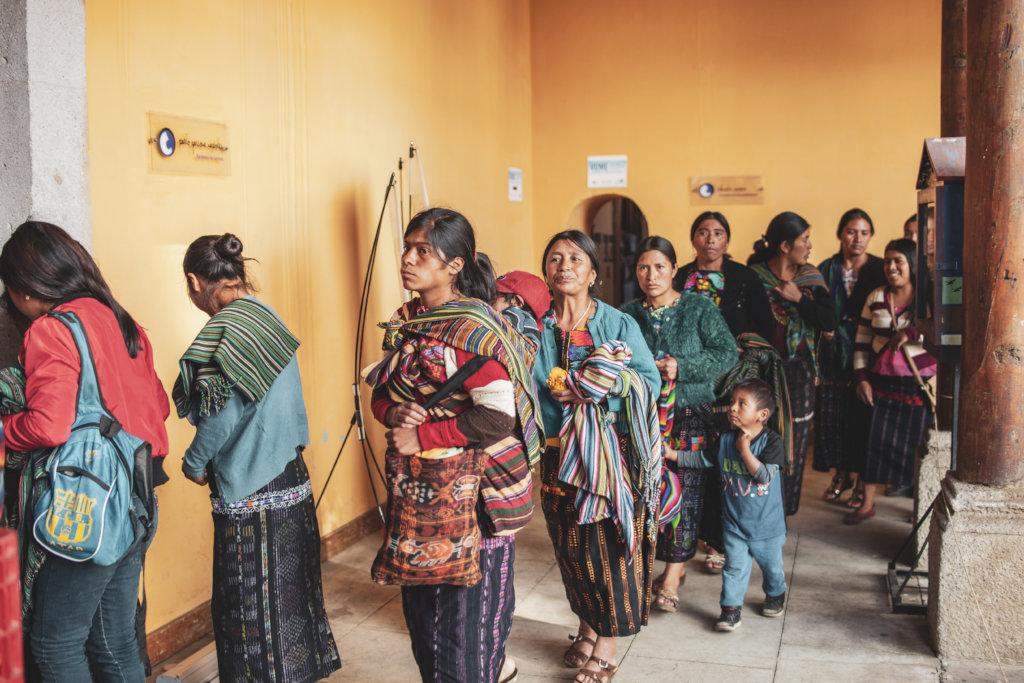
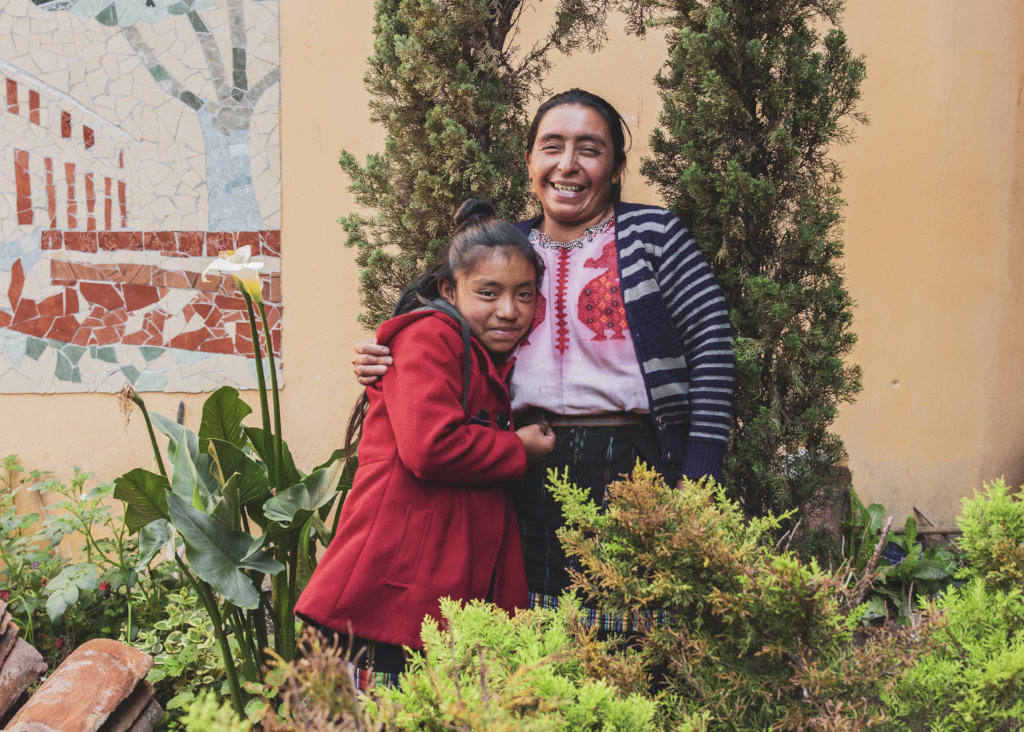
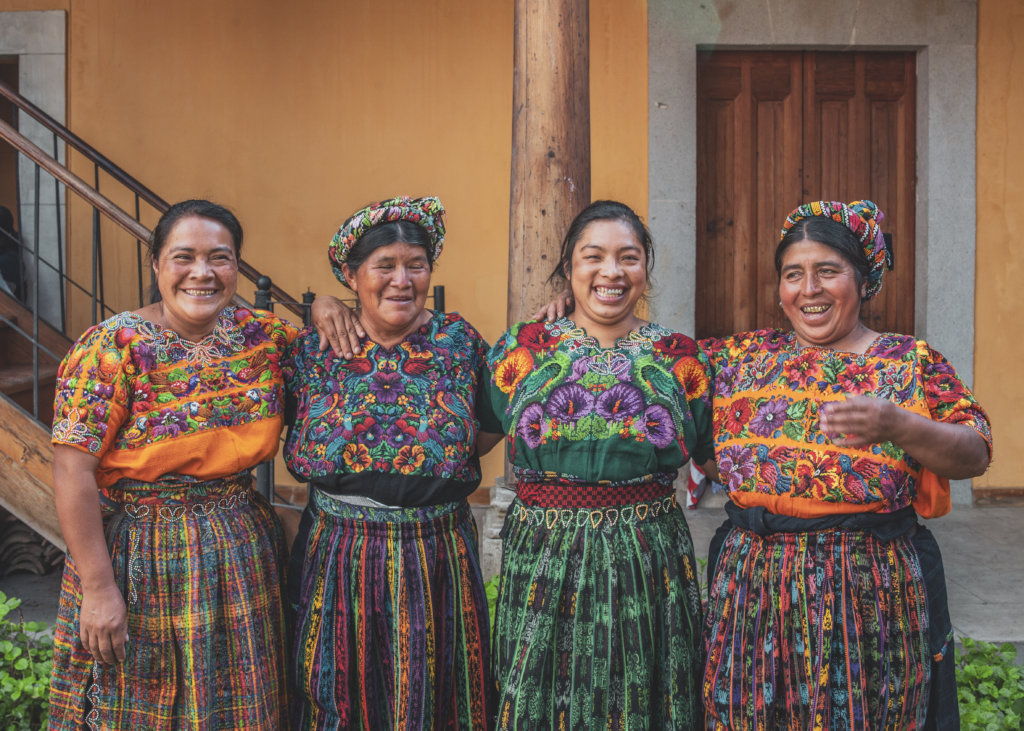
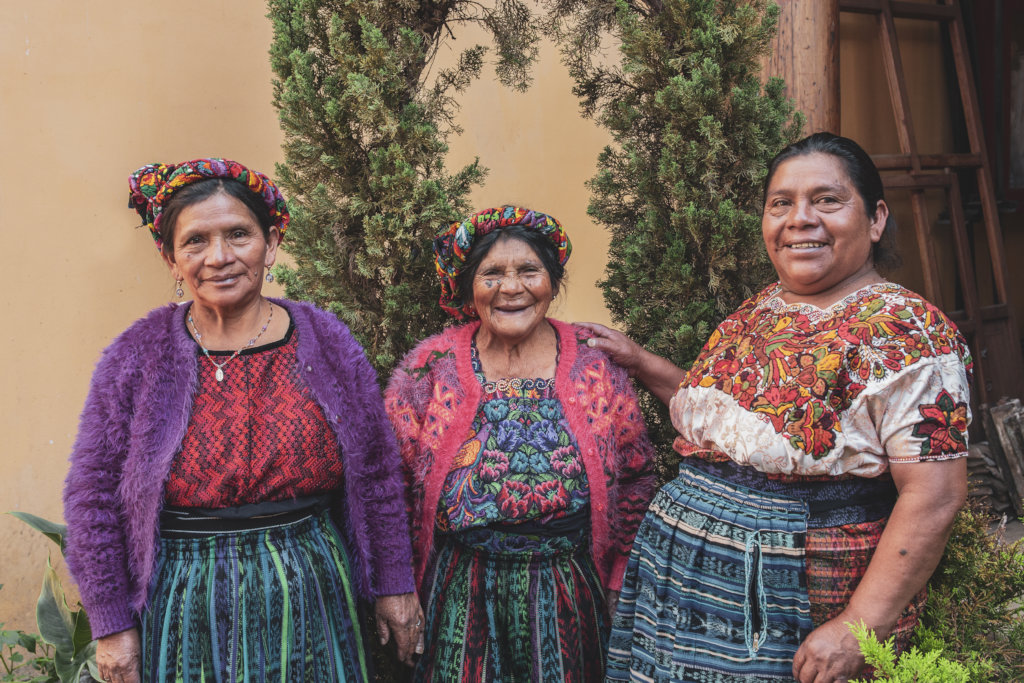
Indigenous women in Guatemala's Western Highlands are not absent from public life. They are everywhere in it — organizing water committees, defending territory, caring for the sick, mediating community disputes, and sustaining the social fabric of their villages every single day. Research confirms that Indigenous women demonstrate higher rates of non-partisan civic engagement than their non-Indigenous counterparts. What they are largely absent from are the formal electoral structures and state institutions that were never designed with them in mind.
This program began by asking why — and the answer required rigorous social etiology: the study of the social, structural, and systemic root causes that produce that absence. The findings were unambiguous. These women are not disengaged. They are filtered out. An independent evaluation of over 400 trained Indigenous women leaders found no measurable gain in political representation from rights-based training alone. Only 5% of women report being invited into formal political life, compared to 13% of men. Twenty-nine percent of women who face voting obstacles cite fear of a family member's anger — not indifference.
Our etiology identified four interlocking forces: structural deprivation (including 15- to 17-hour workdays), patriarchal authorization known locally as "the path of permission," unresolved historical trauma from state violence, and institutions that operate in foreign languages and alien logics. As the capabilities framework of Amartya Sen and Ingrid Robeyns makes clear, these women already hold formal rights. The gap is not one of knowledge or will — it is one of real conditions. Silence in assemblies is self-protection, not apathy.
Removing Obstacles, Not Installing Capacity
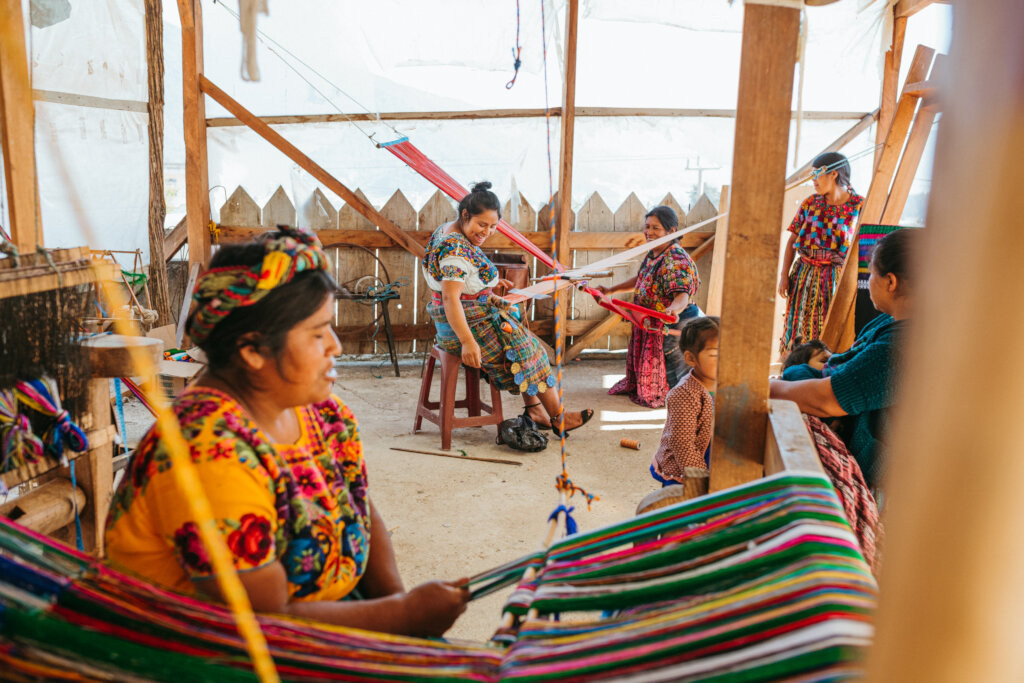
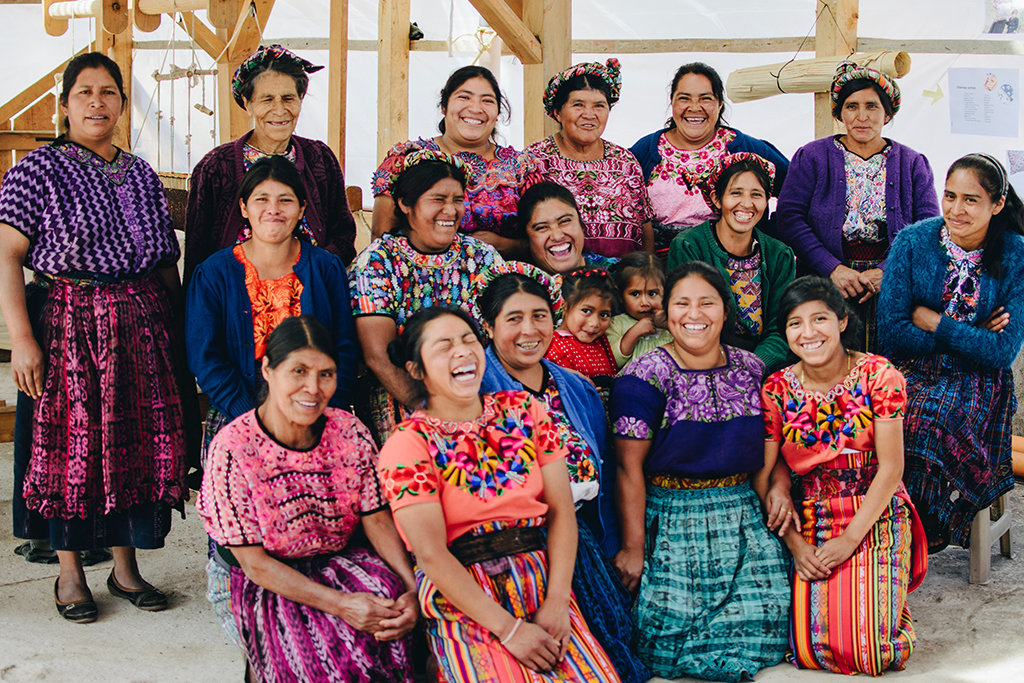
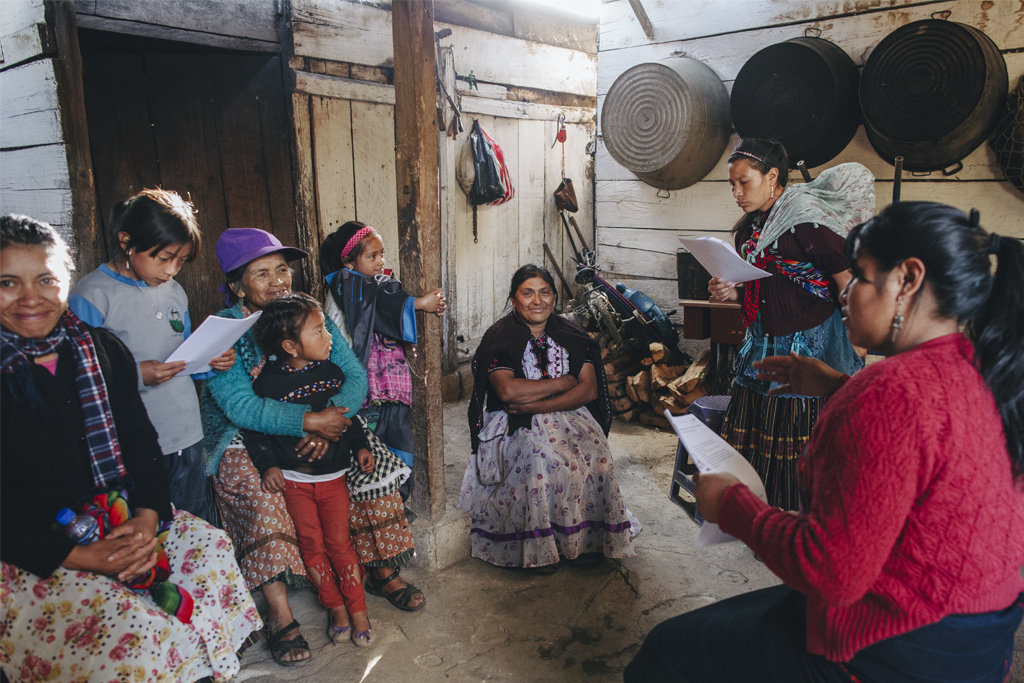
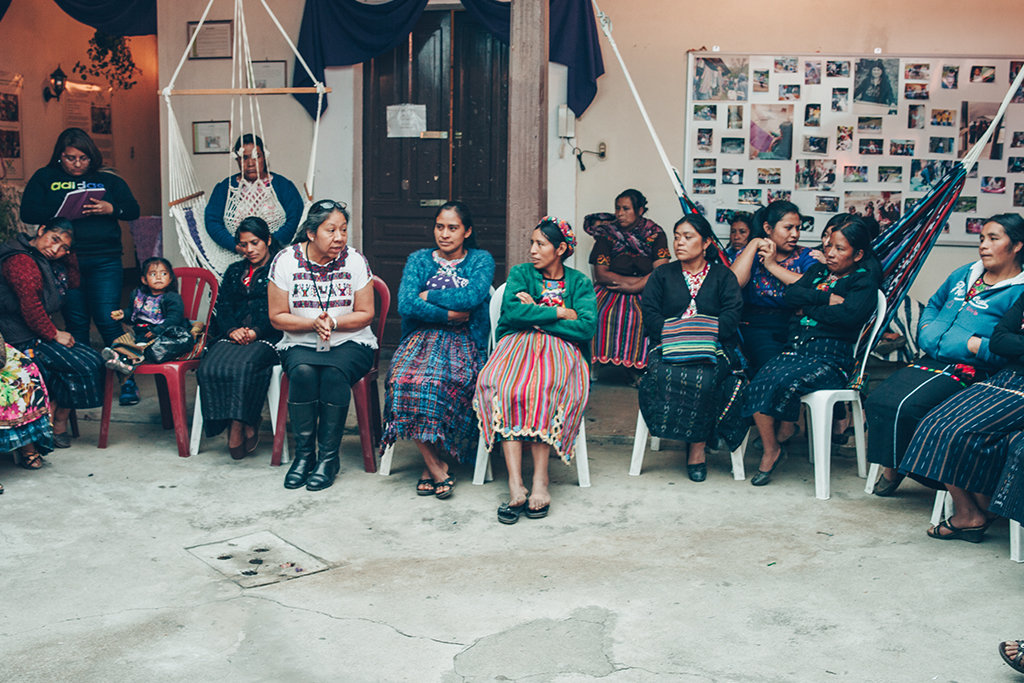
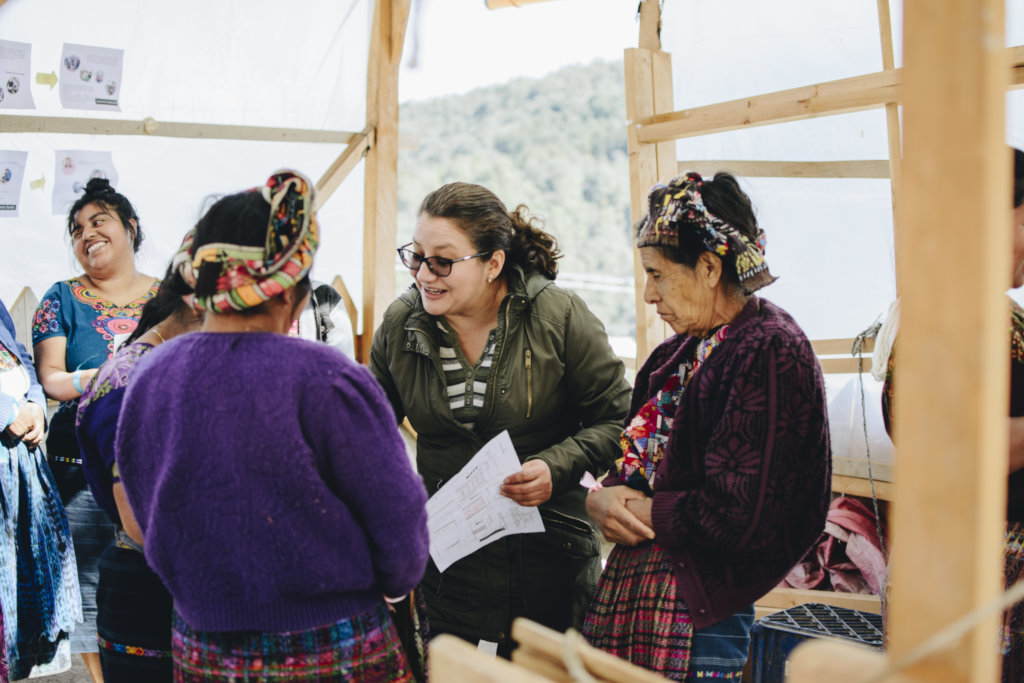
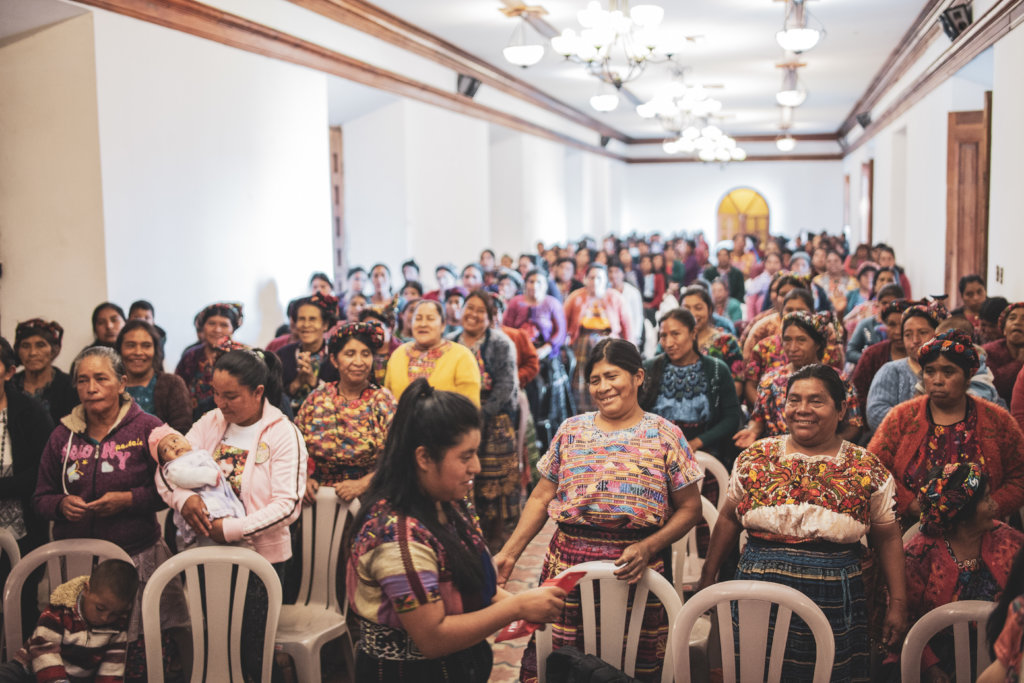
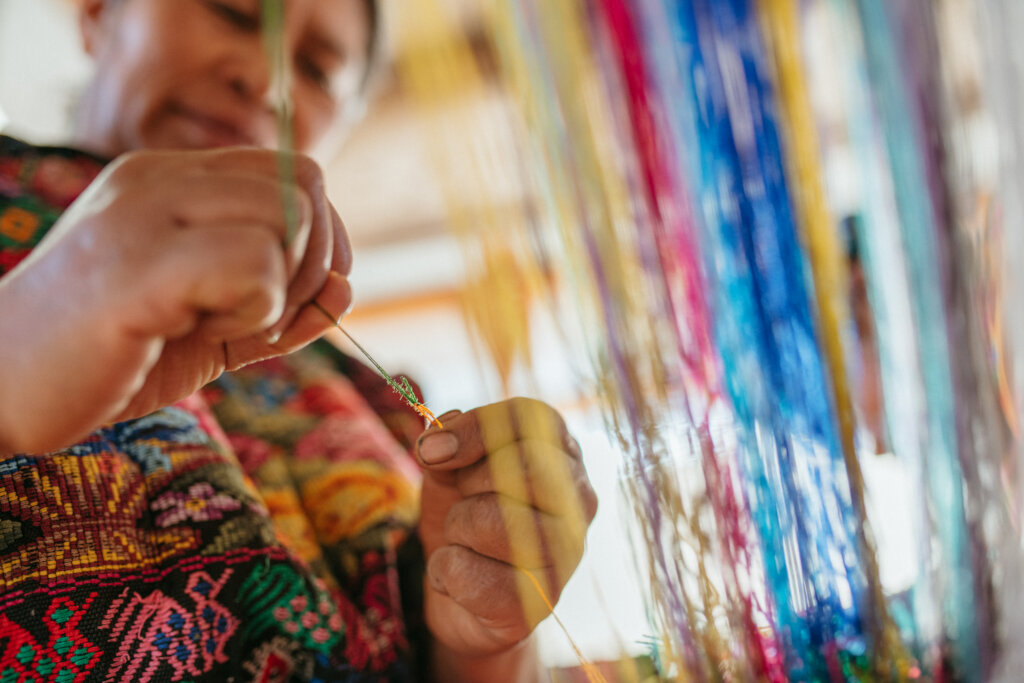
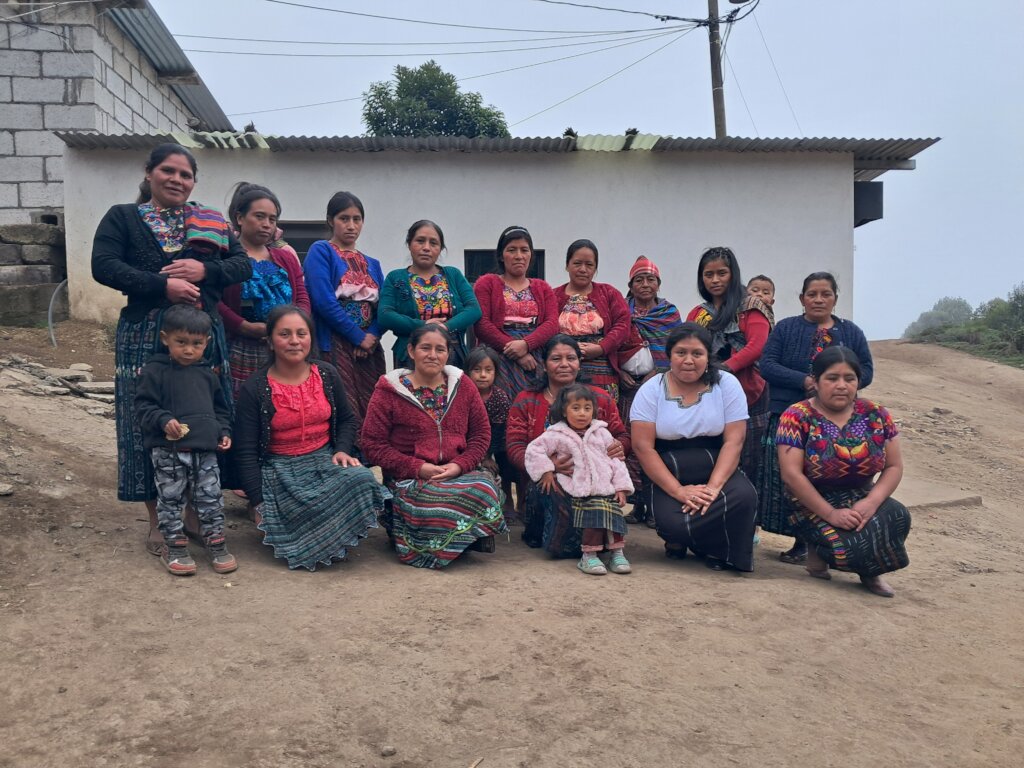
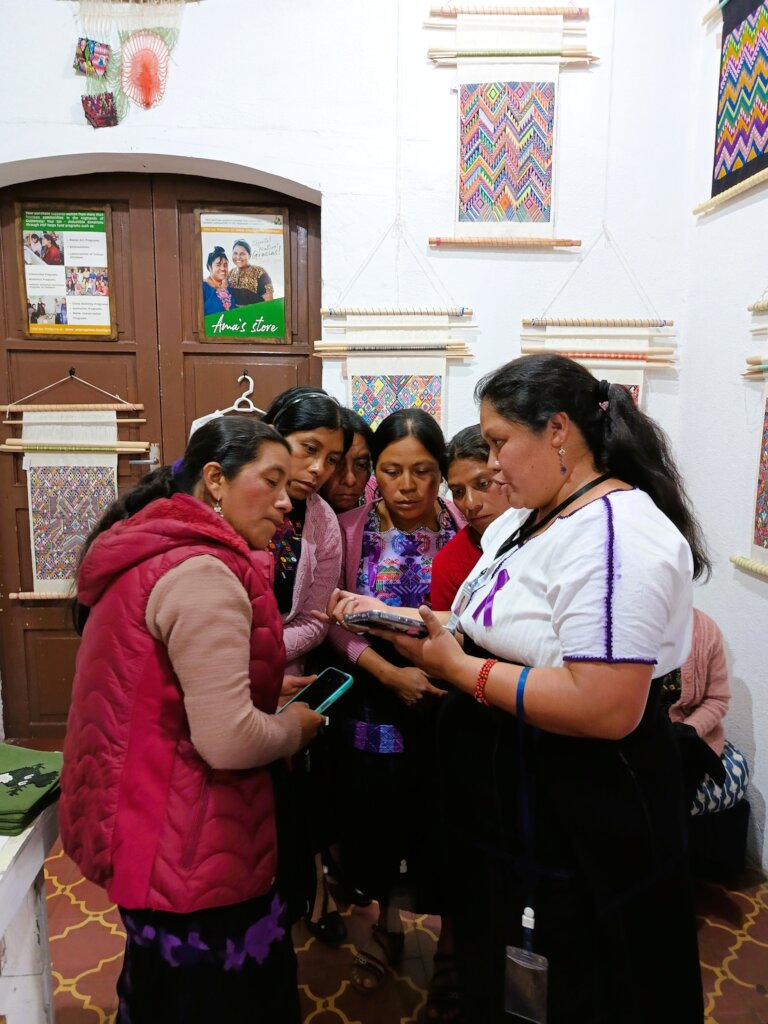
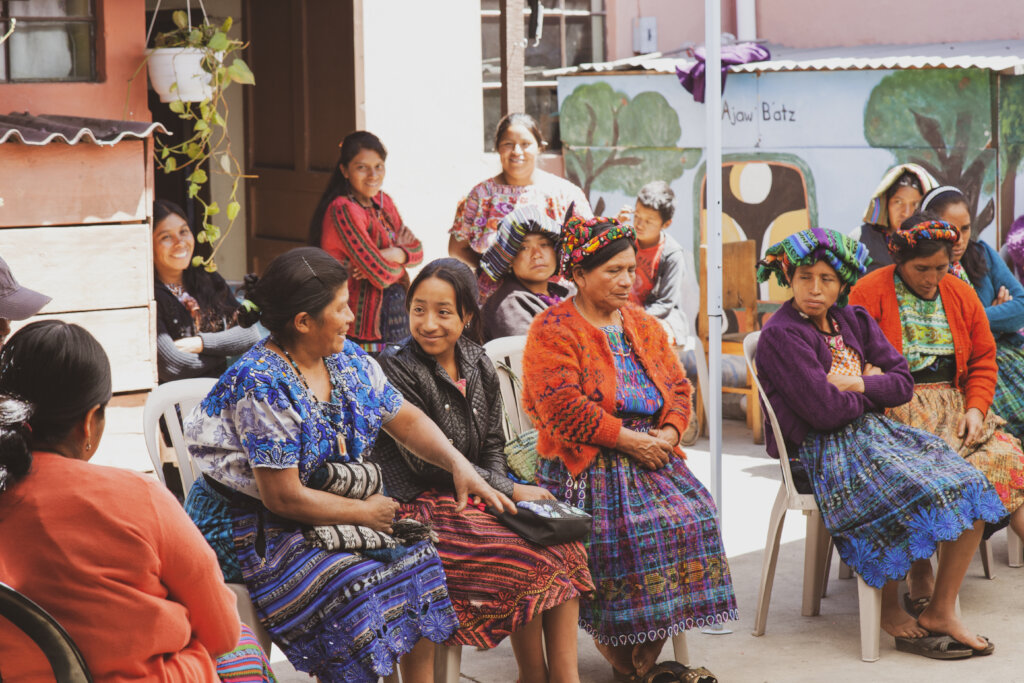
Because the barriers are collective and structural, so is our response. Since launching, we have trained over 2,000 women in community organizing through our Women's Circles — using educación popular liberadora, a horizontal, trauma-informed methodology that begins where women already are. Our 25 community facilitators on project staff adapt every session to the language and cultural context of each community. No literacy is required; agreements are recorded through seeds, stones, thread, and drawings. Participants explore the story of "another woman" rather than their own testimony, honoring both safety and dignity.
Recognizing that sustained change requires women who can lead others, we have also delivered intensive leadership training to 200 participants — each of them now equipped and actively empowering another 200 women in their communities. This multiplier model transforms individual growth into collective power.
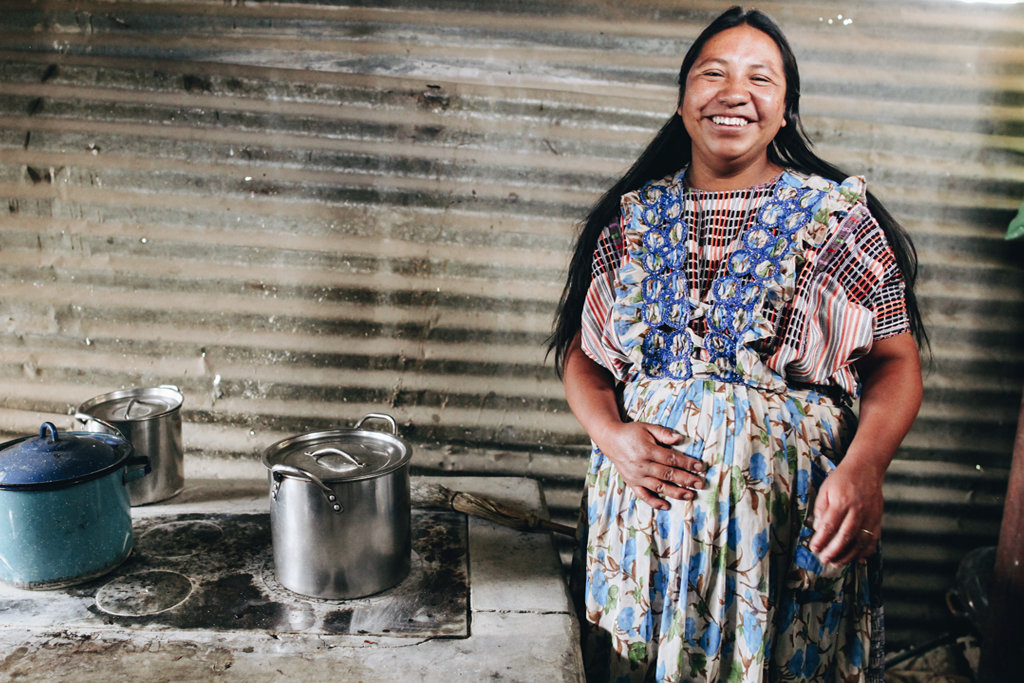
This same framework grounds our advocacy work against obstetric violence, where women are trained to organize for culturally relevant maternal health coverage alongside trusted midwives and community health leaders — women who already hold deep authority in their communities.
What's Next
We will train 800 more women in the coming months, bringing these proven tools to new communities across the region.
Your support does not give women a voice. It removes what has silenced them — and honors the power they have always carried.
By Catarina Tuy | AMA Women Circles Coordinator
By Lesly Bravo | Well Being Promoter, Midwife & Doula
Project reports on GlobalGiving are posted directly to globalgiving.org by Project Leaders as they are completed, generally every 3-4 months. To protect the integrity of these documents, GlobalGiving does not alter them; therefore you may find some language or formatting issues.
If you donate to this project or have donated to this project, you can receive an email when this project posts a report. You can also subscribe for reports without donating.



Support this important cause by creating a personalized fundraising page.
Start a Fundraiser