By Guadalupe Blevins | Director
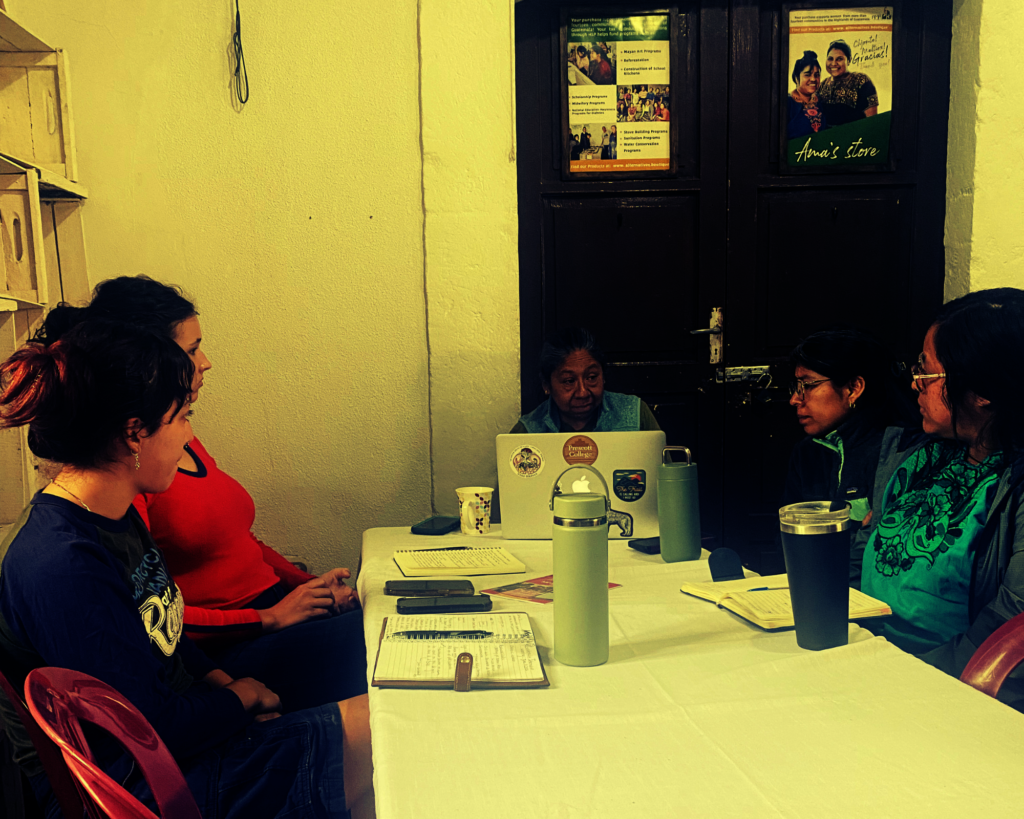
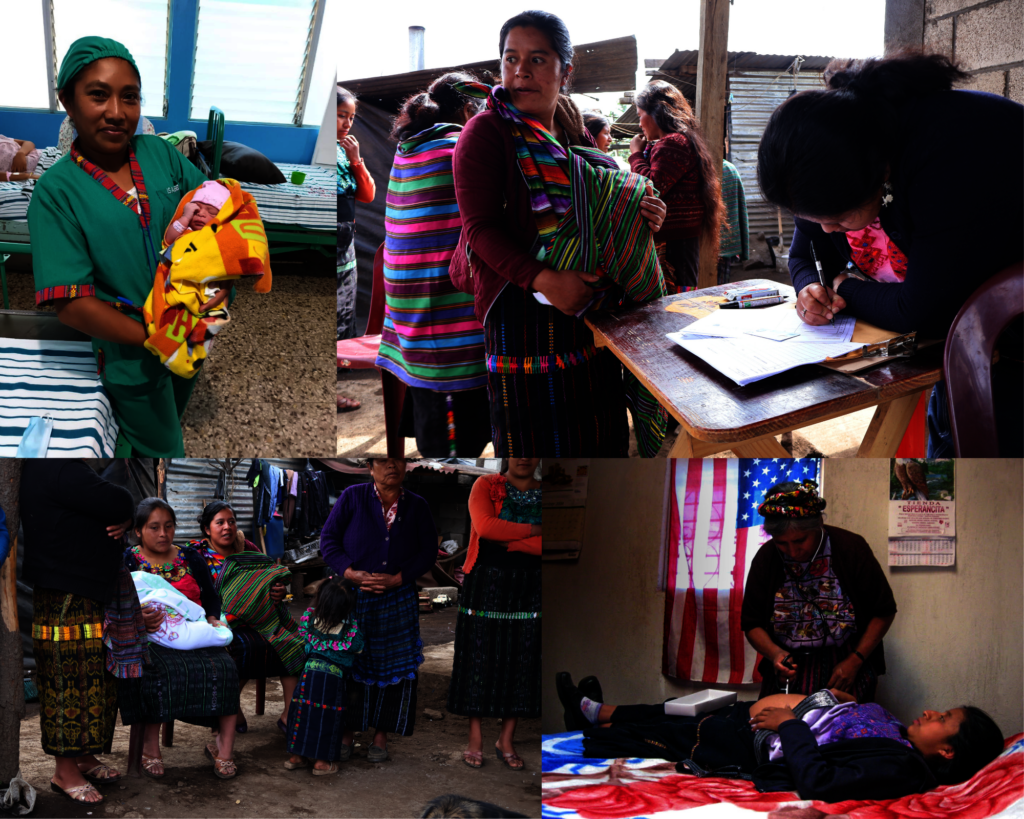
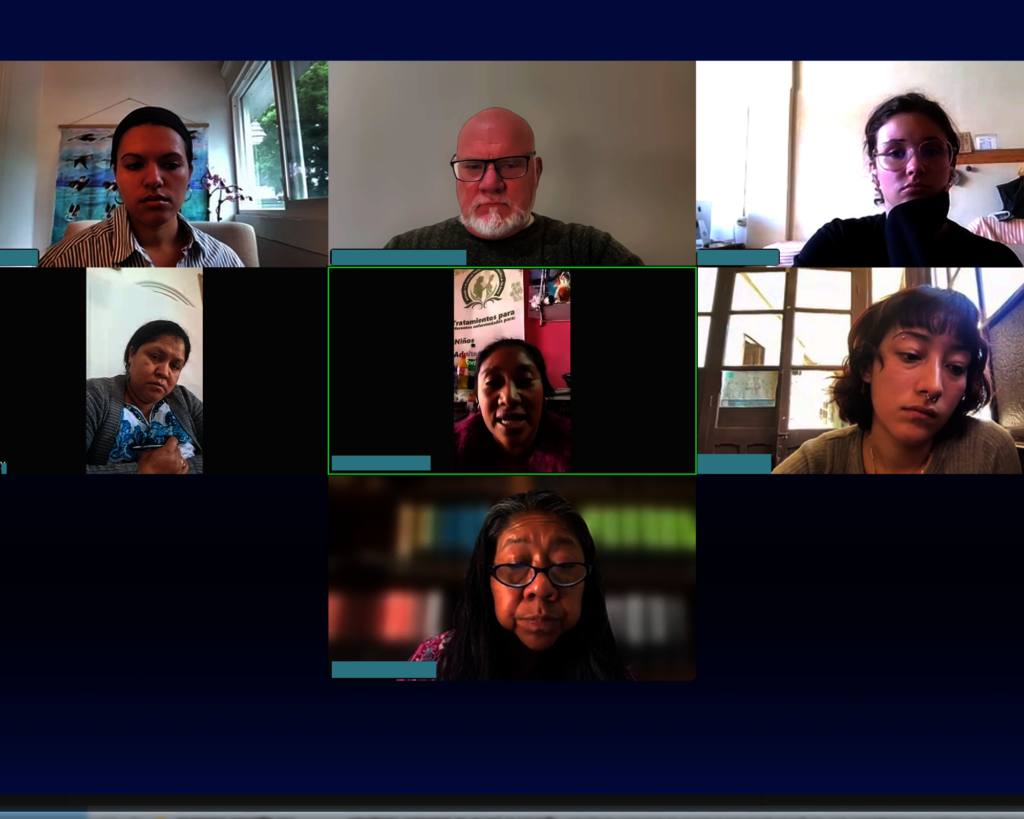
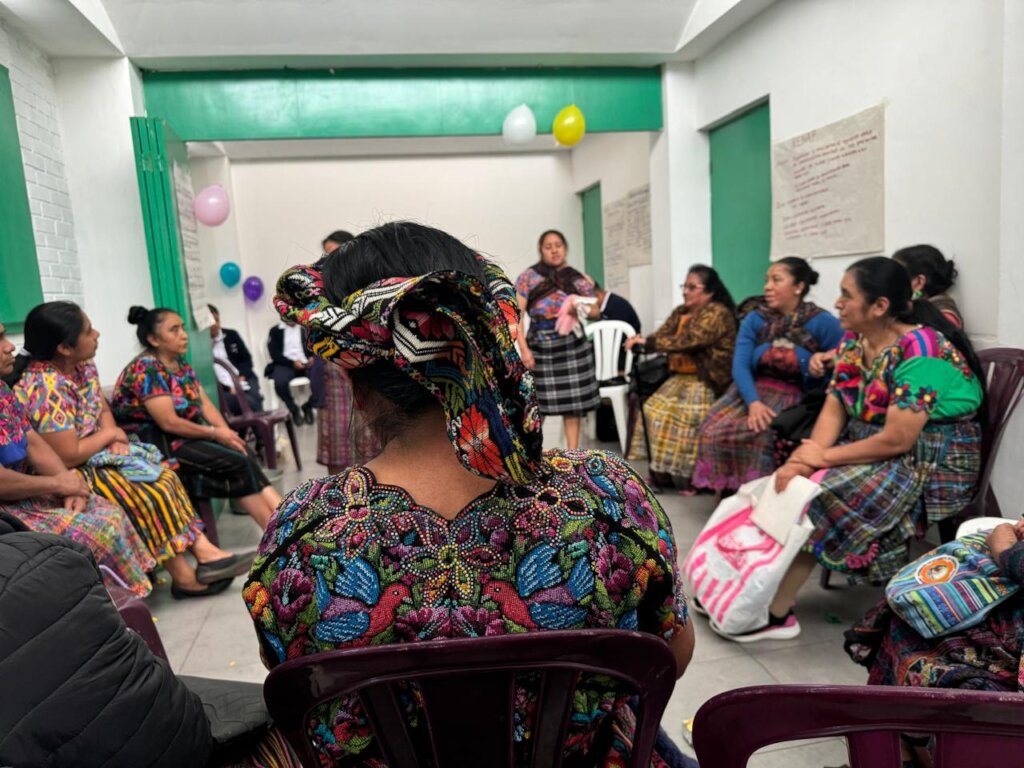
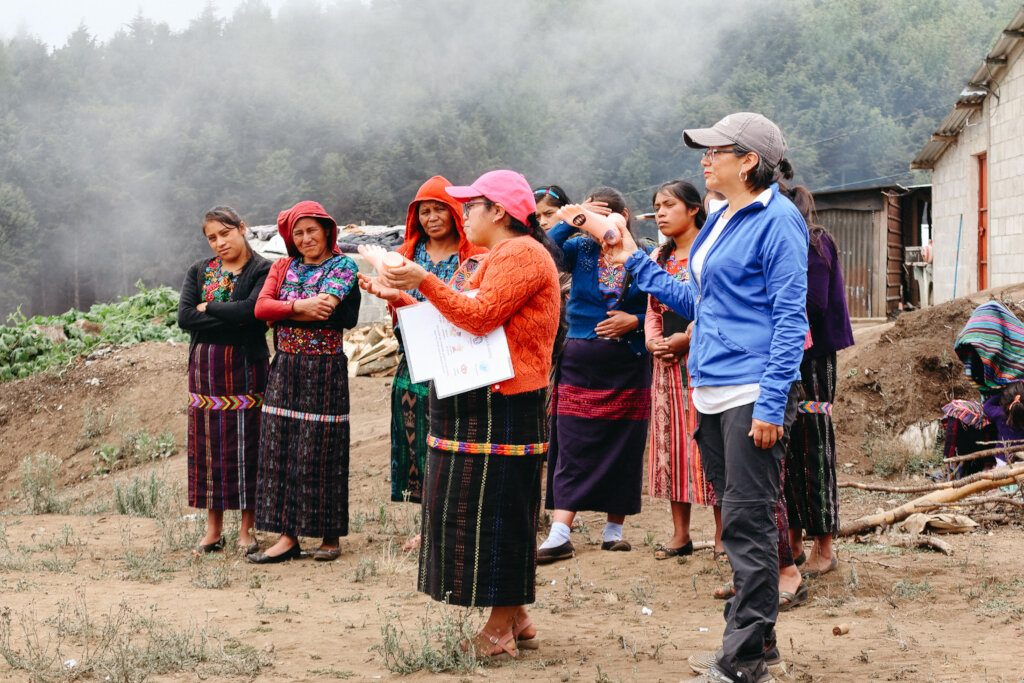
Our participatory action research set out with a simple conviction: that the women living an experience are the ones best equipped to name it. Twelve in-depth interviews with midwives and public health workers, paired with six focus groups across rural Maya K'iche' and Mam communities in western Guatemala, confirmed that conviction and gave us something precious in return—a definition rooted in local language rather than imported from outside legal or clinical frameworks.
That definition is mala vida, "the bad life." It is how K'iche' women describe entering a state that stands in direct opposition to utz k'aslemal—often translated as Buen Vivir, or "the good life," though our community partners describe it more fully as the whole, balanced life.
We want to be clear about what this finding means, and why it matters so much to the education work we do next.
Maya K'iche' has no direct term for "obstetric violence." We could have treated that absence as a gap to fill with outside vocabulary. Instead, we listened. Rita Segato, an Argentine sociologist who documented sexual violence among Q'eqchi' survivors of the 1980s genocide, encountered the same silence: no word for rape, only a phrase meaning "to be put out of balance." That pattern taught us something essential—absence is not a deficit of language. It is evidence of a different, equally coherent way of understanding harm.
Utz k'aslemal names a web of reciprocal relationships sustained through respect: between person and family, community and natural world, body and spirit. A woman denied dignity during pregnancy or birth does not simply endure mistreatment. She experiences a rupture in the balance that constitutes her well-being entirely. Many Indigenous health systems already understand illness this way, through concepts like mal ojo or susto. Biomedicine has too often dismissed these as folk beliefs, a classification that strips a coherent explanatory system of its diagnostic and social logic. We refuse that dismissal.
Buena VidaBuena Vida now anchors everything we build next. We are translating this finding into education that speaks women's own language back to them, training that equips midwives and community health workers to recognize harm as women name it, and standards of care shaped with communities rather than imposed on them. Our integrative approach treats Indigenous and Western healing as complementary rather than competing, with each contributing to the best physical, spiritual, and emotional outcomes for mothers.
A concept born from careful listening will carry this work forward—training, advocacy, and care standards built with the women who will use them, honoring the balance at the heart of utz k'aslemal itself.
By Guadalupe Blevins | Director
By Lesly Bravo | Well Being Promoter, Midwife & Doula
Project reports on GlobalGiving are posted directly to globalgiving.org by Project Leaders as they are completed, generally every 3-4 months. To protect the integrity of these documents, GlobalGiving does not alter them; therefore you may find some language or formatting issues.
If you donate to this project or have donated to this project, you can receive an email when this project posts a report. You can also subscribe for reports without donating.



Support this important cause by creating a personalized fundraising page.
Start a Fundraiser