By Helena Asamoah-Hassan | Project Leader
TOGETHER WE CAN DO MUCH - THE STORY OF EFFECTIVE PARTNERSHIP
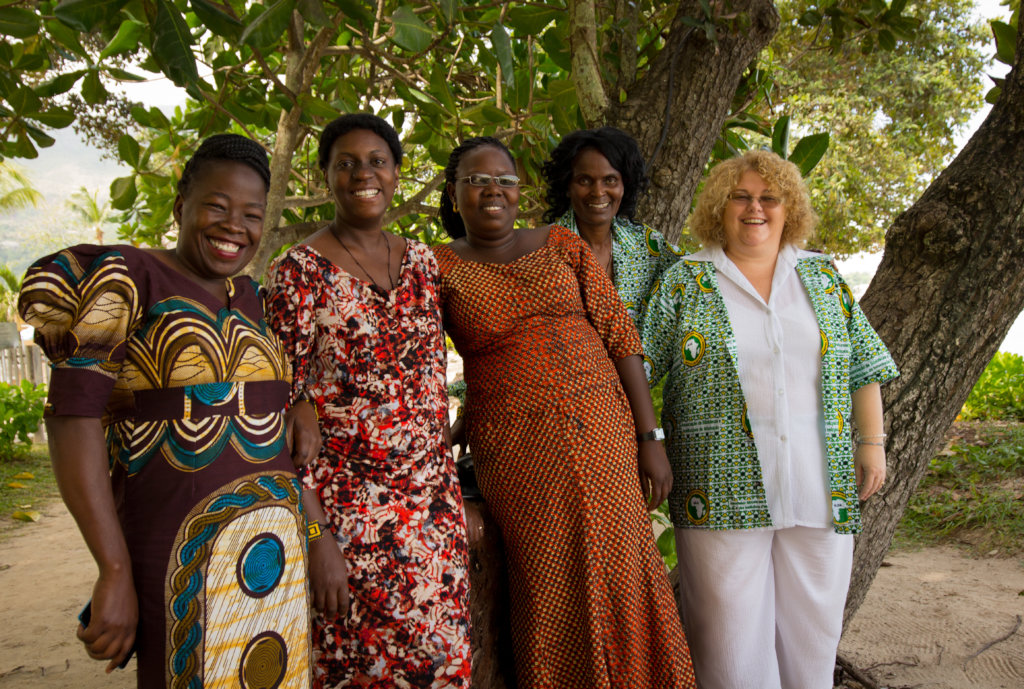
Juliana is a staff member of the Ghana Library Authority, stationed at the Ashanti Regional Library in Kumasi, Ghana. She has worked there for over two decades, focusing on readers and extension services. She had the opportunity to participate in the INELI-SSAf programme, where she received training in several skills.
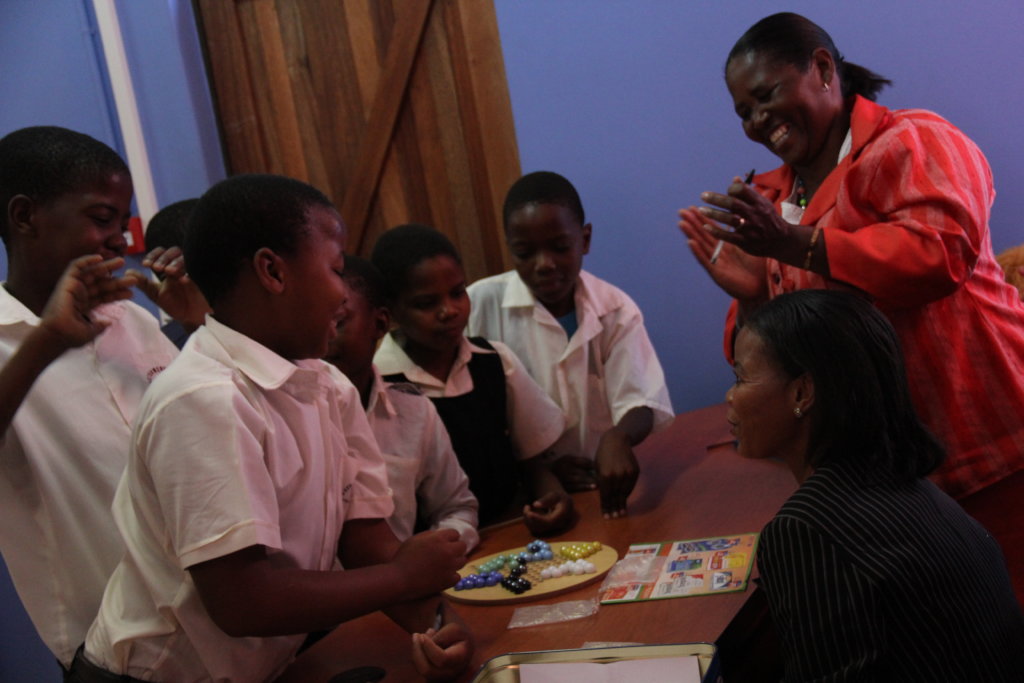
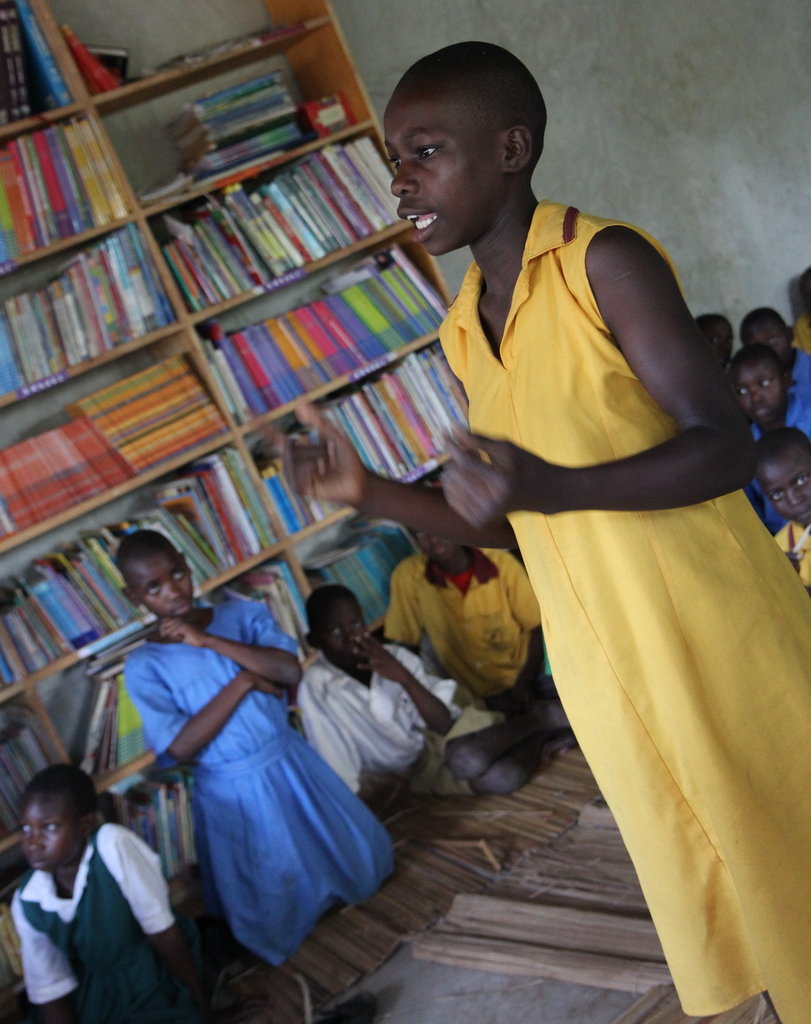
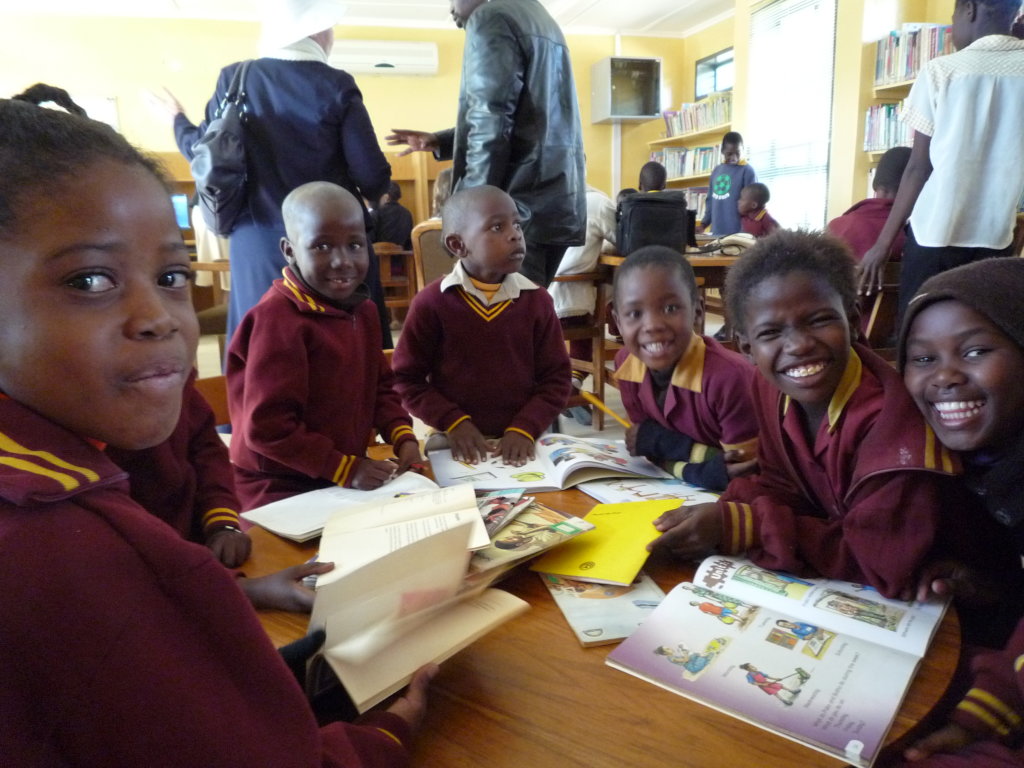
She went back to her job after the training, armed with skills in strategic partnerships, networking, and collaborative programme development. With these competencies, she brokered the establishment of partnerships with three companies - Blumax Company, RA FC Club, and Nana Jantuah Company Limited- to support the library's programmes and activities. These partnerships took a long time to materialise, and one, RA FC Club, became effective late in 2025. In the interim, she continued promoting literacy and reading among schoolchildren. She organised reading programmes for schools in remote areas as well as at the Ashanti Library and visited schools within the Kumasi Metropolis to encourage students to cultivate a reading culture and enrich their vocabulary through regular reading.
In collaboration with RA FC Club, she continued her extension services, this time in menstrual hygiene education pertaining to the use of non-disposable sanitary pads, also known as reusable or washable menstrual pads, carried out for adolescents from various schools around the city of Kumasi.
This initiative was in response to concerns about the increasing cost of sanitary pads and its adverse effects on teenage girls, particularly those from economically disadvantaged households. Menstrual health remains an important issue affecting girls' dignity, educational opportunities, and overall well-being. According to UNICEF Ghana, menstrual health is a fundamental human right, a matter of dignity, and an economic opportunity. UNICEF Ghana also reported on 26 May 2026 that more than 31 per cent of adolescent girls lacked menstrual health education, access to sanitary products, and adequate school sanitation facilities, which contribute to persistent social stigma and school absenteeism. This high cost of sanitary products contributes to menstrual poverty and can negatively affect girls' educational participation. Teenage girls who cannot afford adequate menstrual protection may miss school due to fear of staining their uniforms or experiencing menstrual leakage. These challenges can result in psychological and emotional distress, reduced concentration, poor academic performance, and increased vulnerability to exploitation. Furthermore, the recurring expenditure on menstrual products places an additional financial burden on low-income families. Limited access to menstrual hygiene products also reinforces gender inequalities, contributing to social exclusion and restricting the participation of girls in educational and social activities.
The programme introduced teenage girls to the benefits of non-disposable sanitary pads. These products offer potential benefits in terms of affordability, menstrual hygiene management, environmental sustainability, and personal well-being. The demonstration and educational activities highlighted the following benefits:
The demonstration encouraged participants to consider reusable sanitary pads as a practical, sustainable alternative to disposable products, particularly where the cost of menstrual products is a financial challenge.
Conclusion
Juliana is very satisfied with the programme and how the skills that she built at INELI-SSAf have empowered her to foster partnerships she could use in her extension services in the library. She said, “This initiative demonstrates the practical application of knowledge and skills that I acquired through the INELI-SSAf programme to promote and implement innovative, community-oriented development programmes and address emerging social needs for the well -being of the community. I have been able to foster a strategic collaboration with RA FC Club to enable the library to extend its educational services beyond conventional literacy programmes to include menstrual health education and the promotion of menstrual hygiene among teenage girls. INELI-SSAf programme is a real game -changer”
By Helena Asamoah-Hassan | Project Leader
By Helena Asamoah-Hassan | Project Leader
Project reports on GlobalGiving are posted directly to globalgiving.org by Project Leaders as they are completed, generally every 3-4 months. To protect the integrity of these documents, GlobalGiving does not alter them; therefore you may find some language or formatting issues.
If you donate to this project or have donated to this project, you can receive an email when this project posts a report. You can also subscribe for reports without donating.



Support this important cause by creating a personalized fundraising page.
Start a Fundraiser