By Candice McGregor | Reports and Communications Manager
We have always taught our Baby Programme attendees that learning and development starts in the womb, before the baby has even been born. With a new focus on stunting and funding made available, we have established an Antenatal Programme to help prevent stunting as much of it starts in pregnancy with mothers who are not getting sufficient nutrients as well as other factors that influence a baby in the womb, cause low birth-weight, and happen within the critical first new months of a baby’s life. Thanda’s new Antenatal Programme runs over 10 weeks and teaches the mother-to-be about a varied range of topics. Thus far in 2026 the first cohort of mothers-to-be have completed the programme with all except 1 of them having given birth (all photographs within this report are from the first cohort). Currently, there are another 3 groups progressing through the programme.
Rather than creating a new curriculum from scratch, we chose to adopt a proven model that has already demonstrated positive outcomes in other communities, while also benefiting from the support and guidance provided by Grow Great. Our facilitators received a week of specialized training in Grow Great’s Flourish Antenatal Programme in February. We then got to work spreading the word of the new programme offering and enrolling pregnant community members to the programme. Our model uses our ECD Centres as ‘hubs’ from which to run the programme for pregnant mothers in the area surrounding the ECD Centre.
A key part of establishing the programme involved building relationships with local clinics. Ndelu Clinic has been particularly supportive, encouraging expectant mothers to enrol in our new programme and working closely with our team. This partnership has been instrumental in helping us reach mothers who can benefit most from the programme with 8 mothers enrolling from the Ndelu area and 2 enrolling from nearby Etsheni, at the first Antenatal Programme at Mkhumbini Eco ECD. We wanted to run one full cycle of the programme at just one site first, to gain confidence and work out any challenges, before running multiple groups simultaneously after that.
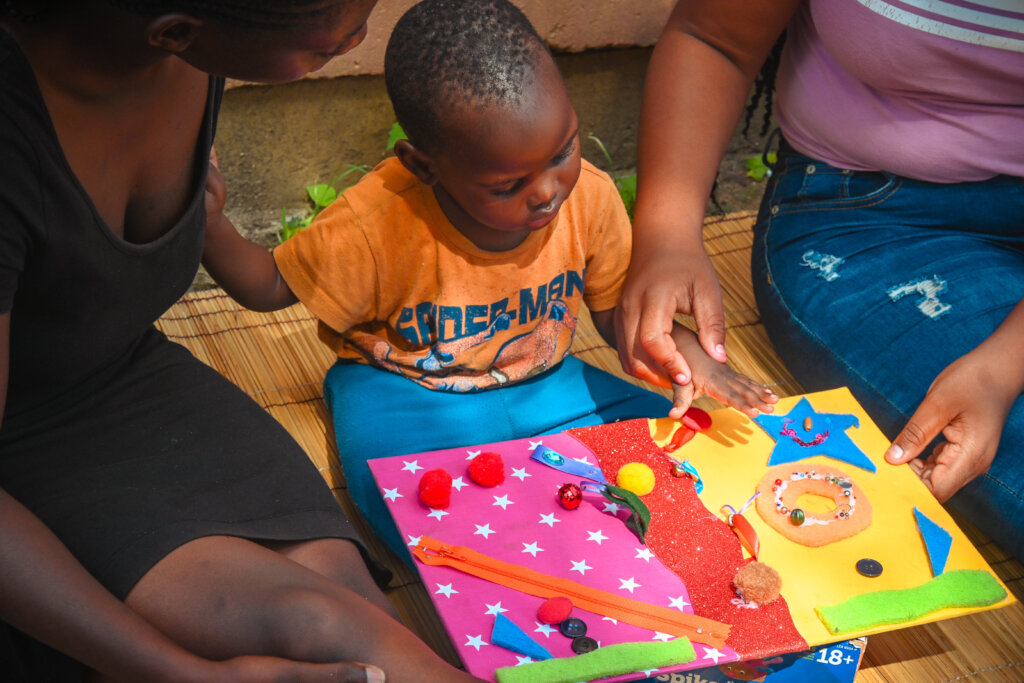
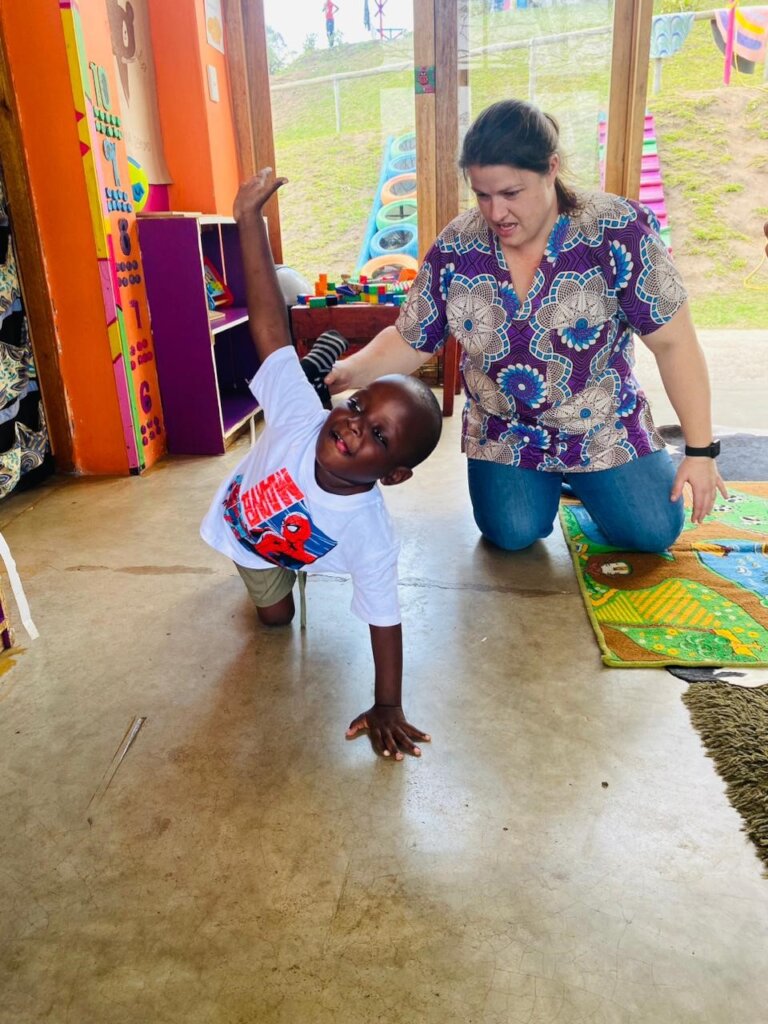
It has been particularly exciting to have the opportunity to work with newborn babies and their guardians from the very beginning. Our early assessments revealed that many guardians were unaware that learning begins before birth or that stimulation and interaction are important from the earliest weeks of life. This highlights the value of engaging families as early as possible and walking with them, hand-in-hand, through the first crucial years of their child’s life.
Interestingly, six out of 8 participants are pregnant with their first child and 4 of them are under the age of 20. This has highlighted to us the prevalence of teenage pregnancy in the area and prompted us to add additional content on teen pregnancy to our Girls Programme and Boys Programme curricula. We are also offering professional therapy support to young expectant mothers who find themselves in this situation unwillingly.
The response from participants of the pilot cohort of the Antenatal Programme was overwhelmingly positive. Attendance was excellent and the mothers were highly engaged. Beyond the practical knowledge gained, the programme provided an important space for connection and mutual support.
One participant shared the following message with facilitator Mate after the first session (translated from informal isiZulu): “I had an amazing day. Thank you, sis. I really enjoyed being with other mothers, it made me feel better. I am a bit shy, but because the same women will be together each week, we will get to know each other.”
At the time of writing this report, four sessions have been completed. Topics covered so far include. During one session, mothers reflected on their hopes and dreams for their unborn children, while another focused on healthy eating, breastfeeding and practical ways to manage pregnancy cravings.
Across the full programme, mothers explore topics including maternal wellbeing, healthy pregnancy practices, nutrition, pregnancy and foetal development, antenatal care, newborn care, responsive parenting, early childhood development, budgeting and accessing community support services. The programme concludes with a baby shower and graduation celebration.
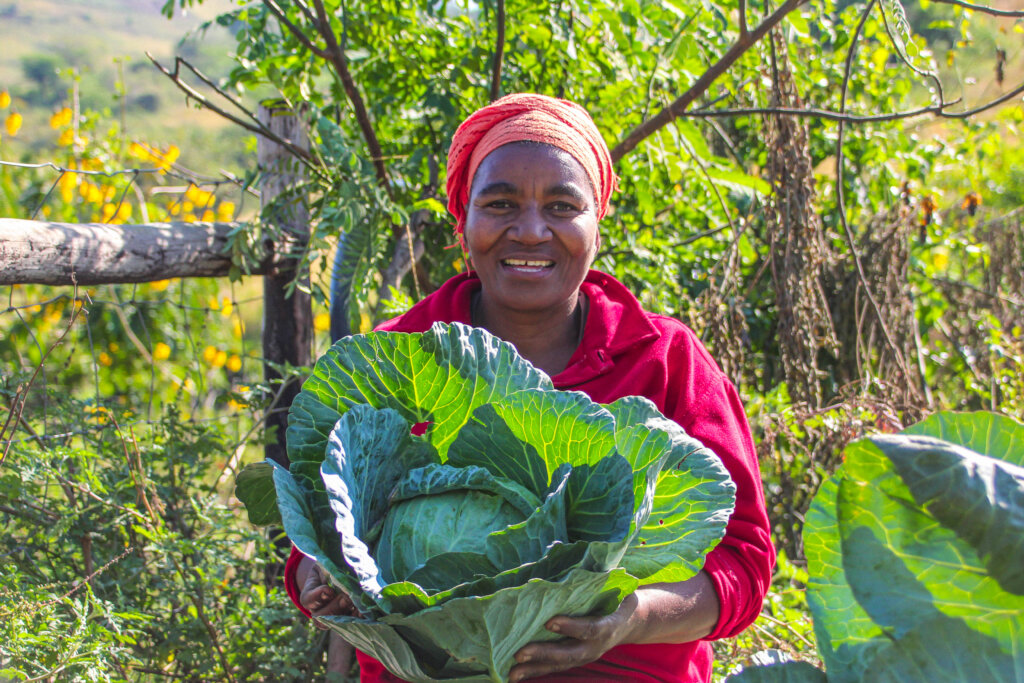
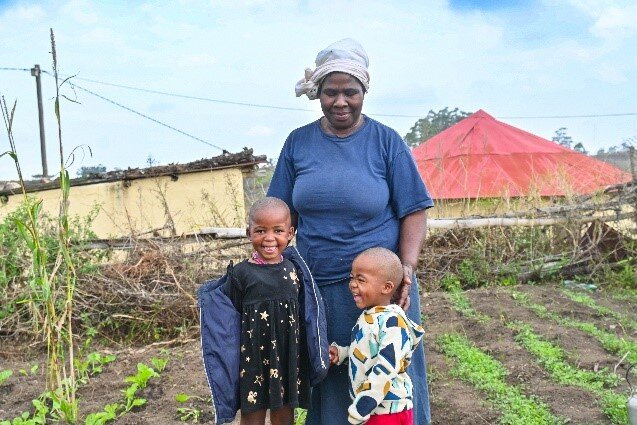
During the course of the programme we also linked participants to Thanda's Household Garden Programme as a practical way to support maternal nutrition and ensure a way for the mother to start feeding her baby vegetables at six months of age. Of the first cohort of the programme, three households already had home gardens before joining the programme, and two additional households enrolled subsequently.
We are currently working with a registered dietician who was recommended to us by Zero2Five, on determining what Multiple Micronutrient Supplementation (MMS) would be appropriate or necessary for the pregnant mothers in addition to the folic acid they are given to take from the local clinic. The dietician originally determined that we cannot offer most over-the-counter pregnancy vitamins in addition to the folic acid, but it’s possible that other key nutrients may still benefit the expectant mothers greatly. We are also using MUAC to measure expectant mothers and are working with the dietician to determine what suite of additional supplements/ foods to offer expectant mothers whose measurements show they are malnourished.
We are extremely encouraged by the programme's strong start and the eagerness shown by participants, facilitators and clinic staff alike. We have found the mothers enthusiastically using their closed whatsapp group as well as reaching out and asking for individual support on whatsapp between sessions, and we are currently determining to what degree we can/ need to support women more individually during their pregnancies. Additionally, because we know that the burden of care is shared (especially if the mother will be returning to work in another city) and that elderly women usually have the authority in the household, we are also exploring how much we can/ need to work with their entire household to ensure everyone is informed of stunting prevention measures, and is accepting and welcoming of the new baby. As part of this process, in the following groups in 2026 year we introduced a baseline survey to understand each expectant mother’s situation individually and develop a support plan for them and their households from there, to see if this approach is more effective overall.
As we understand the challenges of stunting and develop the programme further, we’re coming to realise that our overall objective with this programme is likely helping women remove barriers to a healthy pregnancy. For some, this might be overcoming trauma, for others it might be additional iron in their diet. For some it may be helping their household members become more welcoming and accepting of the new baby, for others it might be needing additional nutrition. We believe the Antenatal Programme is addressing a genuine need within the community and look forward to seeing its impact on both mothers and children in the months and years ahead.
*Faces of participants concealed for privacy.
By Candice McGregor | Reports and Communications Manager
By Candice McGregor | Reports and Communications Manager
Project reports on GlobalGiving are posted directly to globalgiving.org by Project Leaders as they are completed, generally every 3-4 months. To protect the integrity of these documents, GlobalGiving does not alter them; therefore you may find some language or formatting issues.
If you donate to this project or have donated to this project, you can receive an email when this project posts a report. You can also subscribe for reports without donating.



Support this important cause by creating a personalized fundraising page.
Start a Fundraiser