By Tendong Denis | Executive Director
1. Project Overview
During 2026, the Network of Agric and Sustainable Leaders for Africa (NASLA), through its ROOTBiz programme, established a small practical demonstration farm in Wokoka village, Limbe.
The initiative aims to demonstrate sustainable agricultural practices, promote local food production and create a practical learning environment that can eventually support young people and smallholder farmers.
The farm occupies approximately 500 square metres of land temporarily made available by NASLA's founder and Wife. Although still small in scale, it provides an opportunity for NASLA to test and demonstrate sustainable farming methods using locally available resources.
2. Activities Implemented
The establishment and development of the farm involved several stages:
Land preparation and soil improvement
The year began with land preparation to make the site suitable for cultivation. NASLA also sourced organic manure from poultry farms around Limbe to improve soil fertility and support crop production through organic farming practices.
Initial planting and crop production
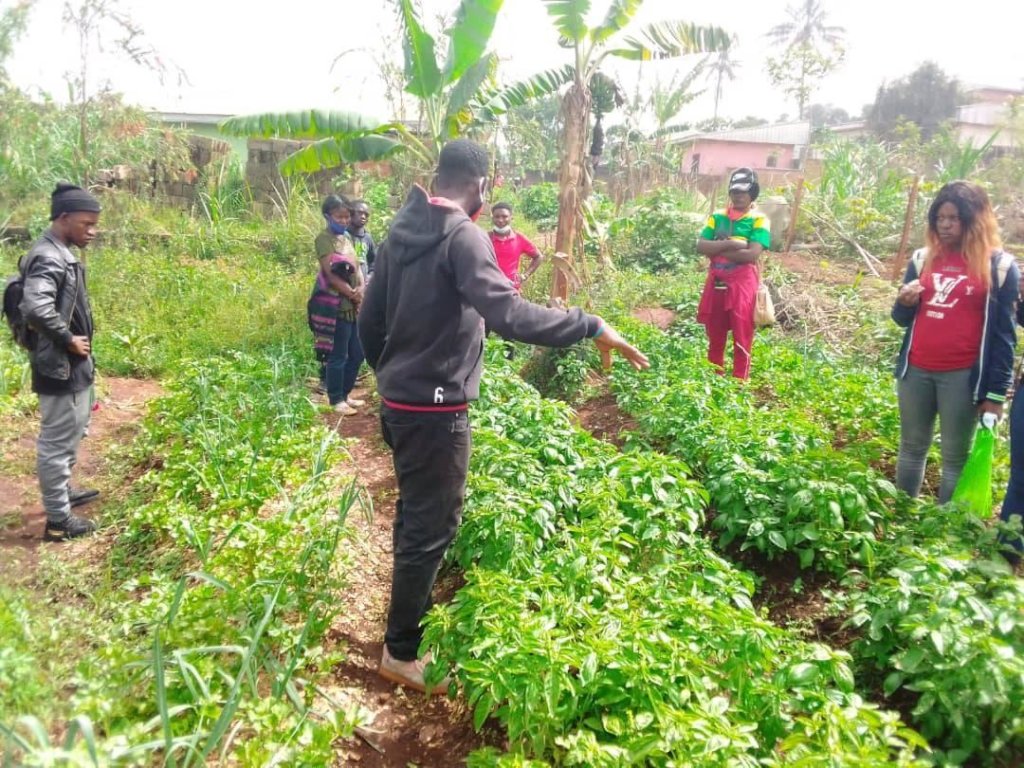
Following land preparation, the team planted plantain and banana, maize, groundnuts and various vegetables. These crops were selected to support food production while demonstrating different agricultural practices within the available space.
Harvesting and land-use rotation
Towards the beginning of the third quarter, maize and groundnuts were harvested. The land previously occupied by these crops was subsequently prepared for another planting cycle.
Tomato nursery establishment and transplanting
NASLA established a tomato nursery and, approximately one month later, transplanted the seedlings into the prepared plots, replacing the harvested maize and groundnuts.
A few tomato seedlings were also planted within sections of the plantain and banana plots to make productive use of the available space.
3. Progress and Current Results
The farm has progressed from initial land preparation to active crop production and harvesting.
The maize and groundnut crops completed their growing cycle and were harvested. Tomato production has also advanced, and harvesting of tomatoes has now commenced.
The establishment of the farm has enabled NASLA to put sustainable agricultural practices into practical use, including:
- Application of organic manure sourced from local poultry farms.
- Crop rotation through successive planting cycles.
- Intercropping and the productive use of available land.
- Diversification of crops to support food production.
- no till agriculture to allow for soil nutrients and regeneration.
These activities represent an important step in strengthening NASLA's practical experience in sustainable agriculture and creating a foundation for future agricultural demonstrations.
4. Challenges and Limitations
The farm remains small, with approximately 500 square metres of land available for cultivation. The land is temporarily borrowed and is not owned by NASLA, which limits the organisation's ability to make long-term infrastructure investments or plan substantial expansion.
Limited financial resources also affect the scale of production and the organisation's ability to acquire additional agricultural inputs and equipment.
At present, the farm is managed mainly by the NASLA team. It has not yet opened for practical training sessions with external farmers and young people.
5. Next Steps
NASLA intends to continue maintaining the farm, harvesting tomatoes and other available crops, and applying sustainable farming methods.
Future priorities include:
- Improving crop production and expanding the range of cultivated crops where resources permit.
- Strengthening soil fertility through organic manure and compost.
- Securing more stable access to agricultural land.
- Acquiring additional tools and farm inputs.
- Developing the farm into a practical demonstration and learning site for young people and smallholder farmers.
6. Appreciation to GlobalGiving Supporters
NASLA appreciates the support received through GlobalGiving and the contributions of individual supporters who have helped sustain its commitment to sustainable agriculture and community development.
Although the Wokoka farm is still at an early stage, the progress made during 2026 demonstrates what can be achieved through local initiative, practical effort and the responsible use of available resources.
Continued support will help NASLA strengthen this initiative and work towards making the farm a more accessible demonstration and learning space for young people and smallholder farmers in the future.
By Tendong Denis | Managing Director
By Tendong Denis | Project Director
Project reports on GlobalGiving are posted directly to globalgiving.org by Project Leaders as they are completed, generally every 3-4 months. To protect the integrity of these documents, GlobalGiving does not alter them; therefore you may find some language or formatting issues.
If you donate to this project or have donated to this project, you can receive an email when this project posts a report. You can also subscribe for reports without donating.



Support this important cause by creating a personalized fundraising page.
Start a Fundraiser