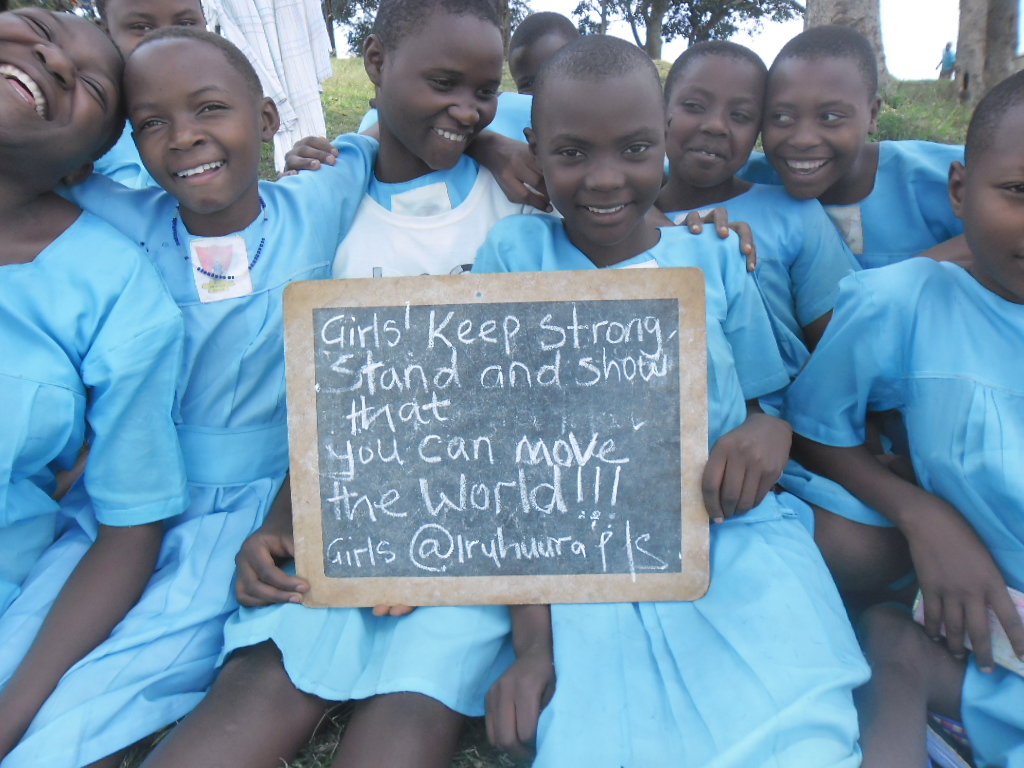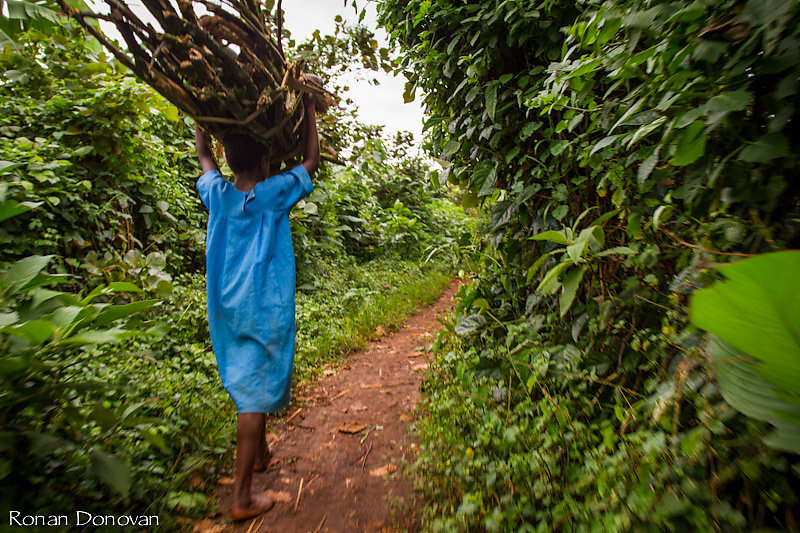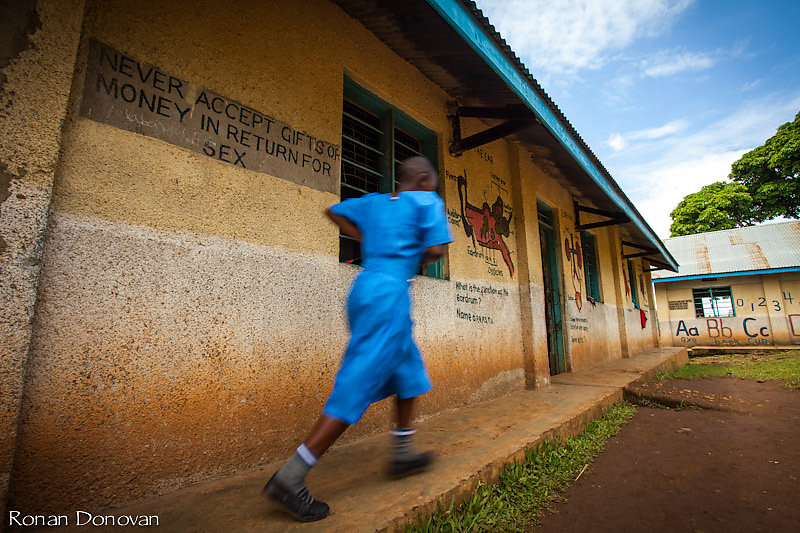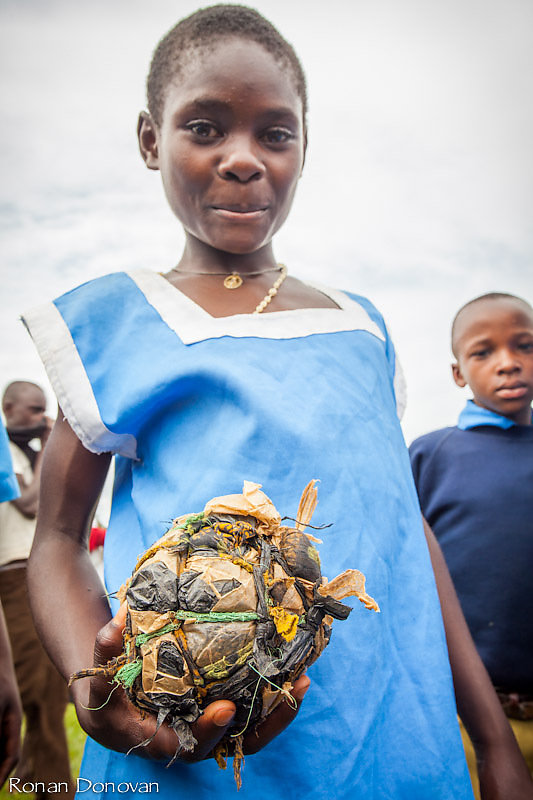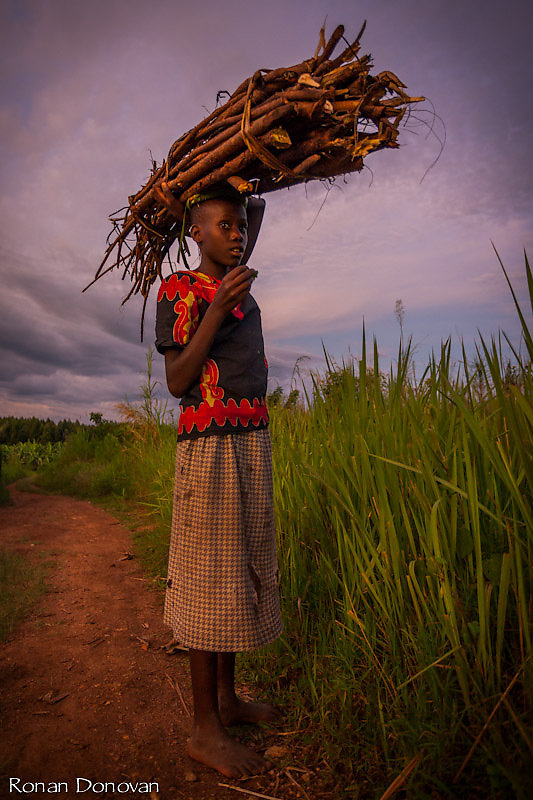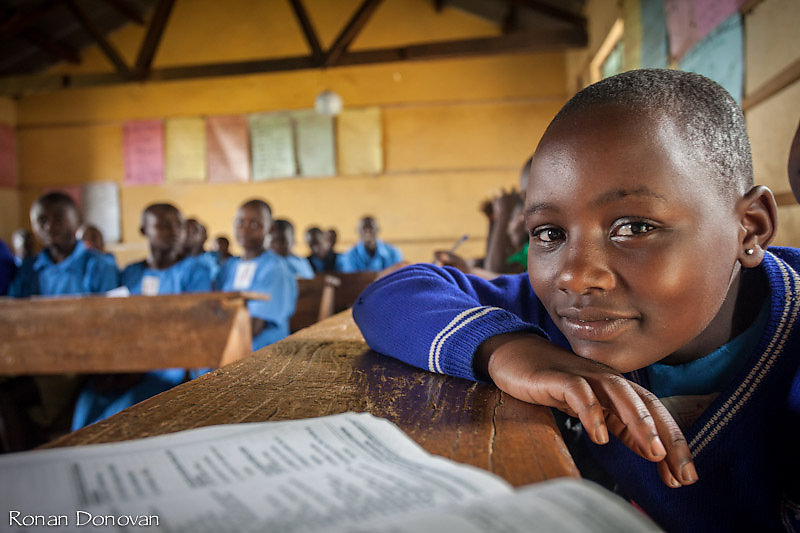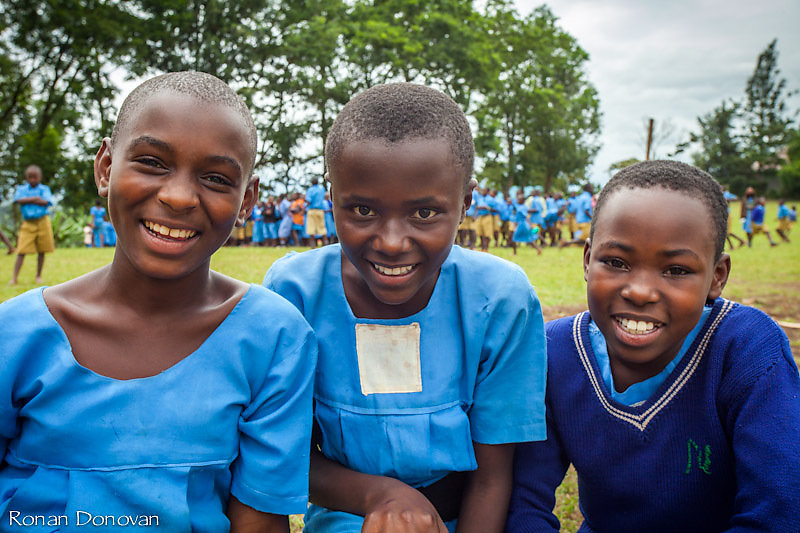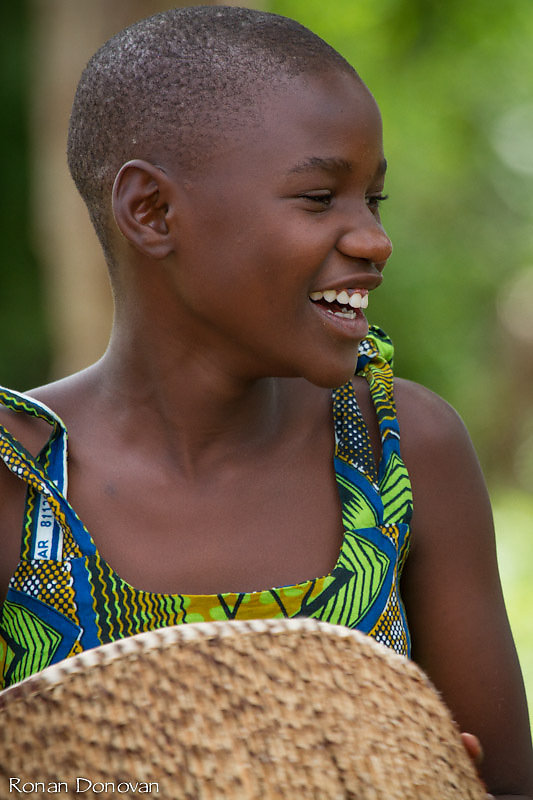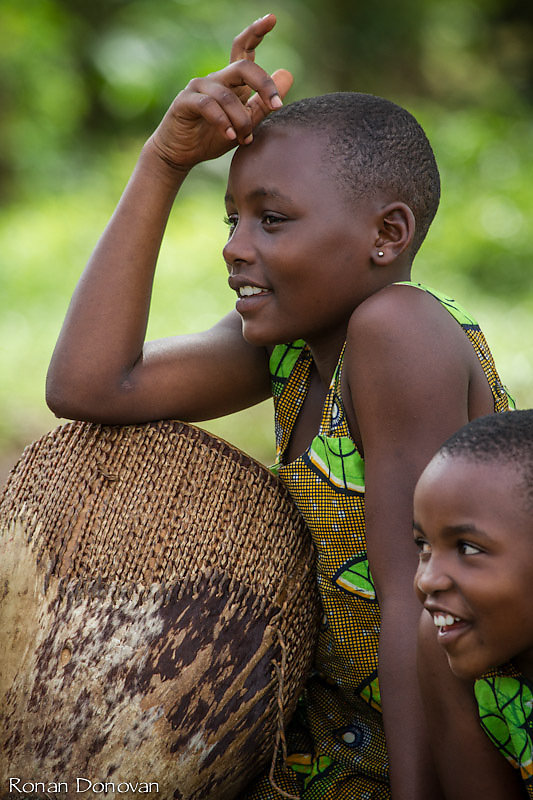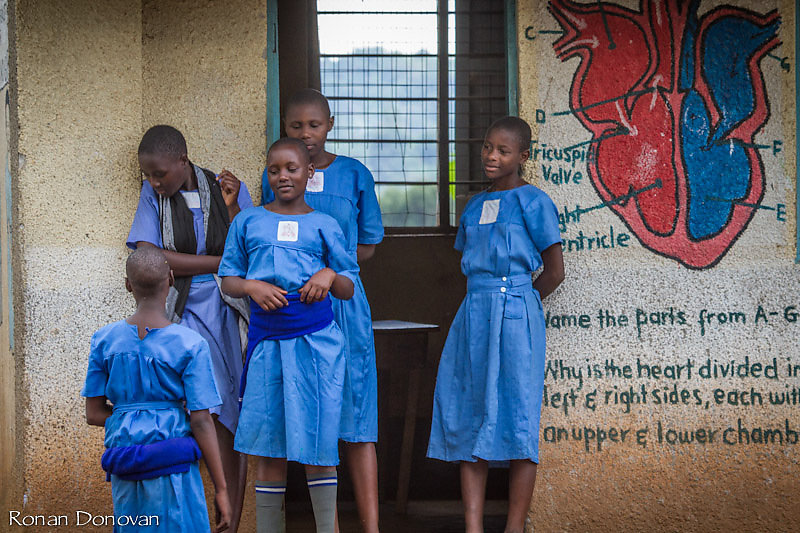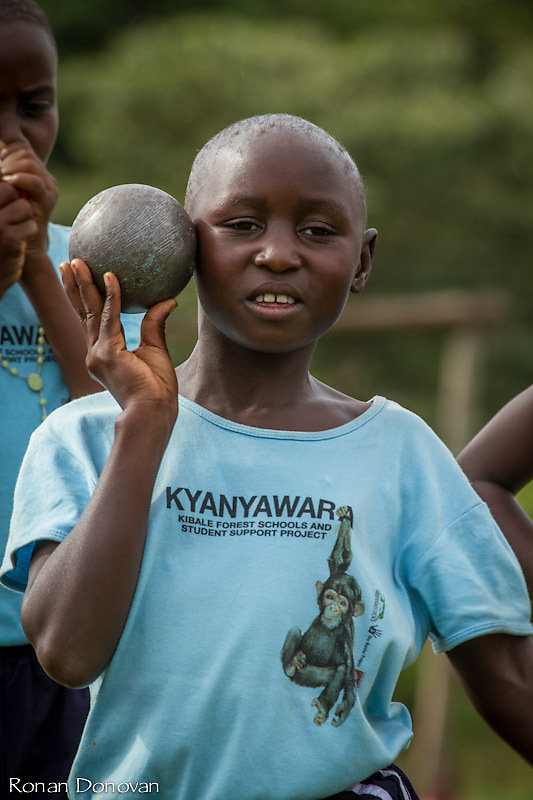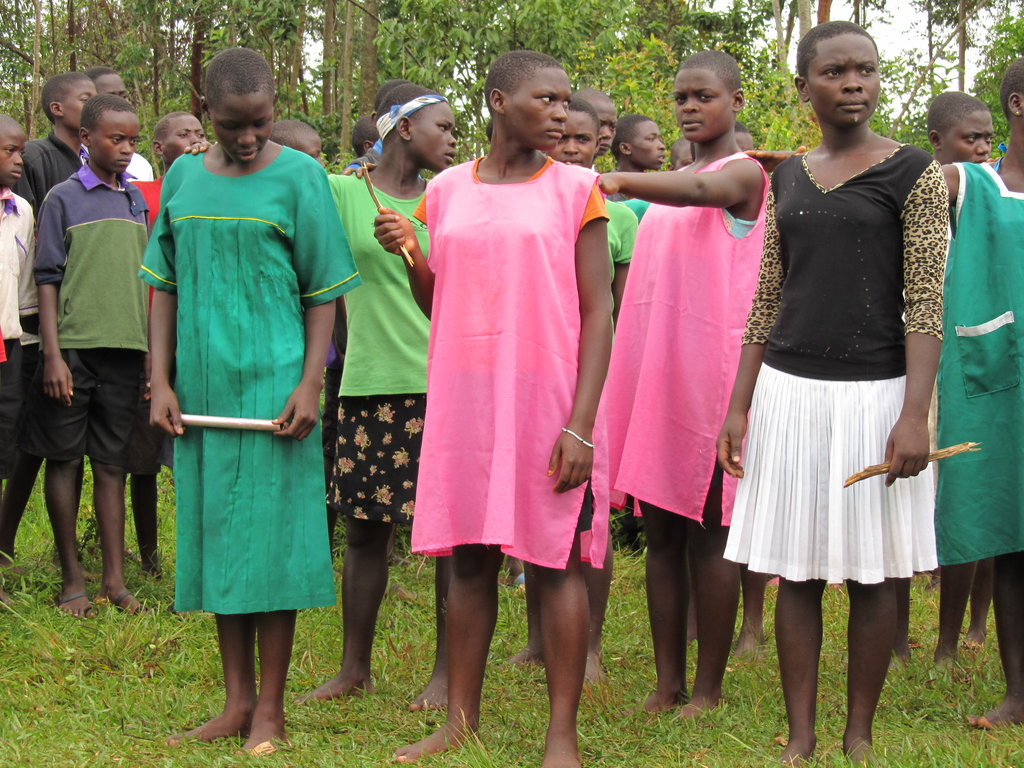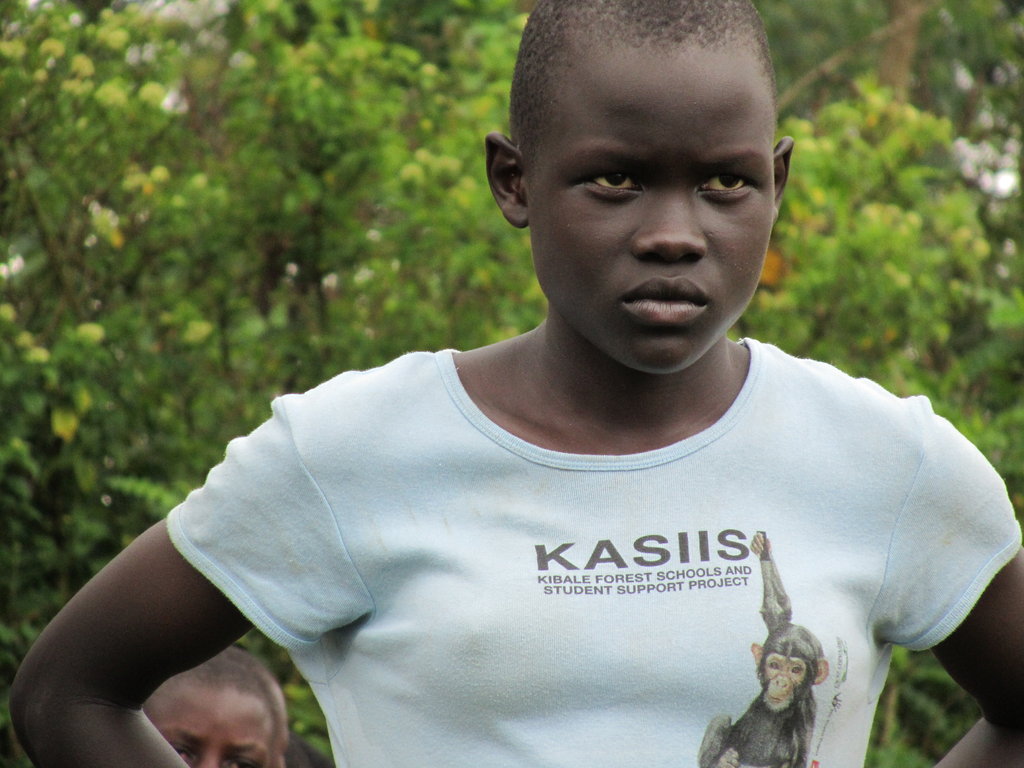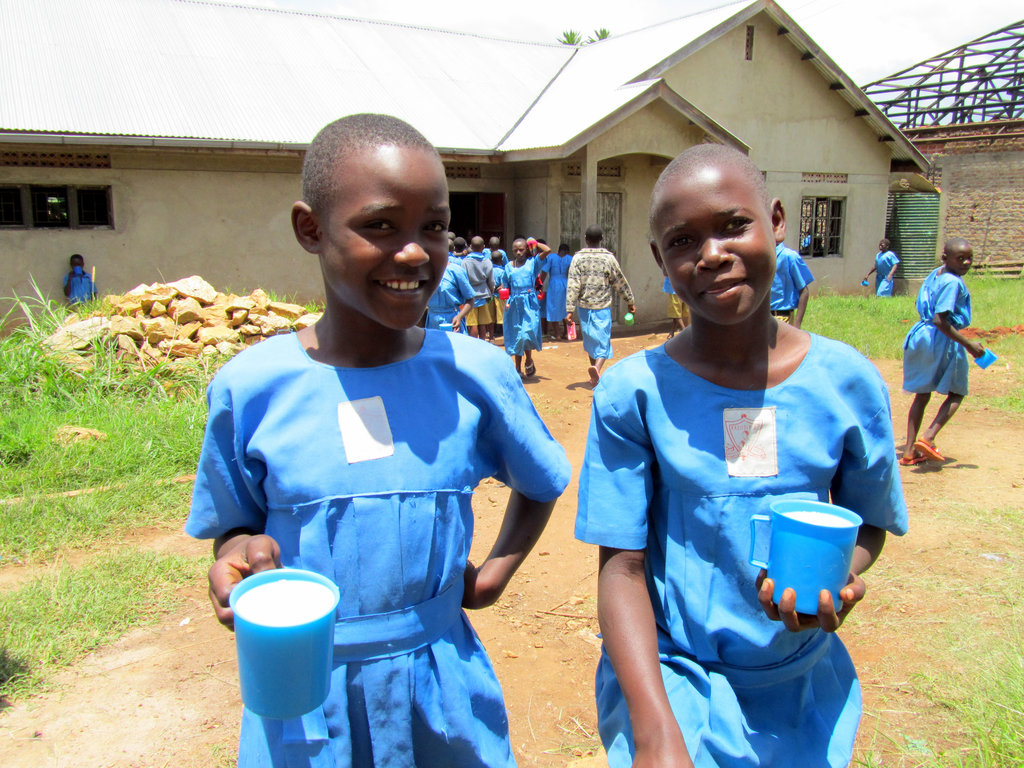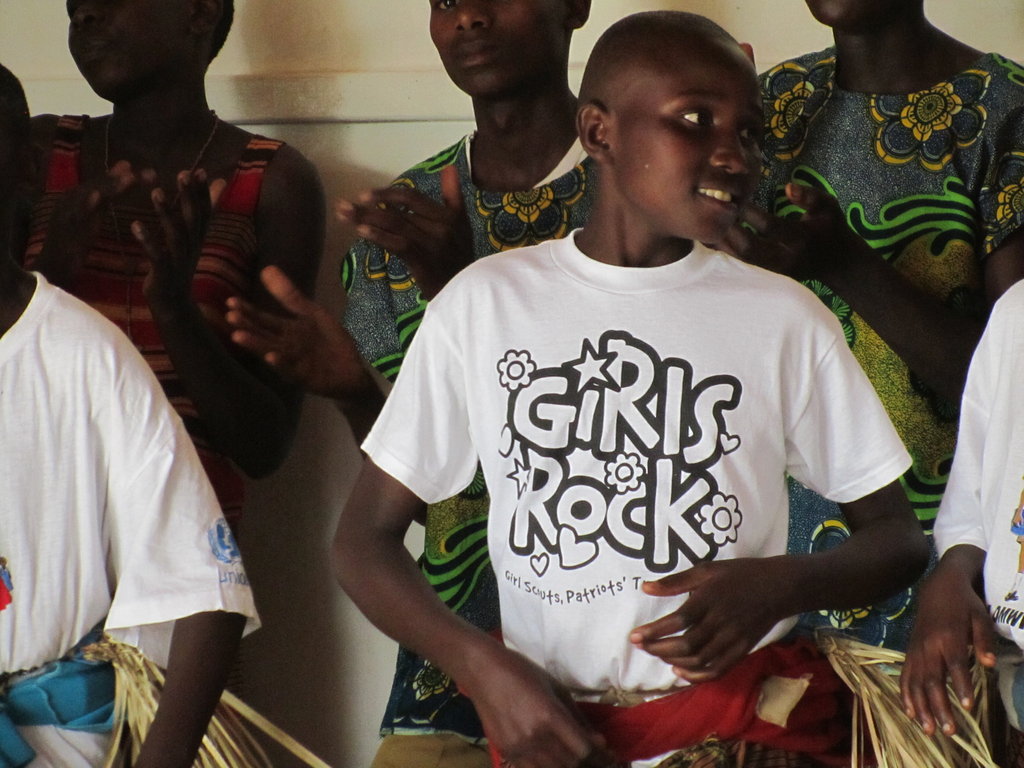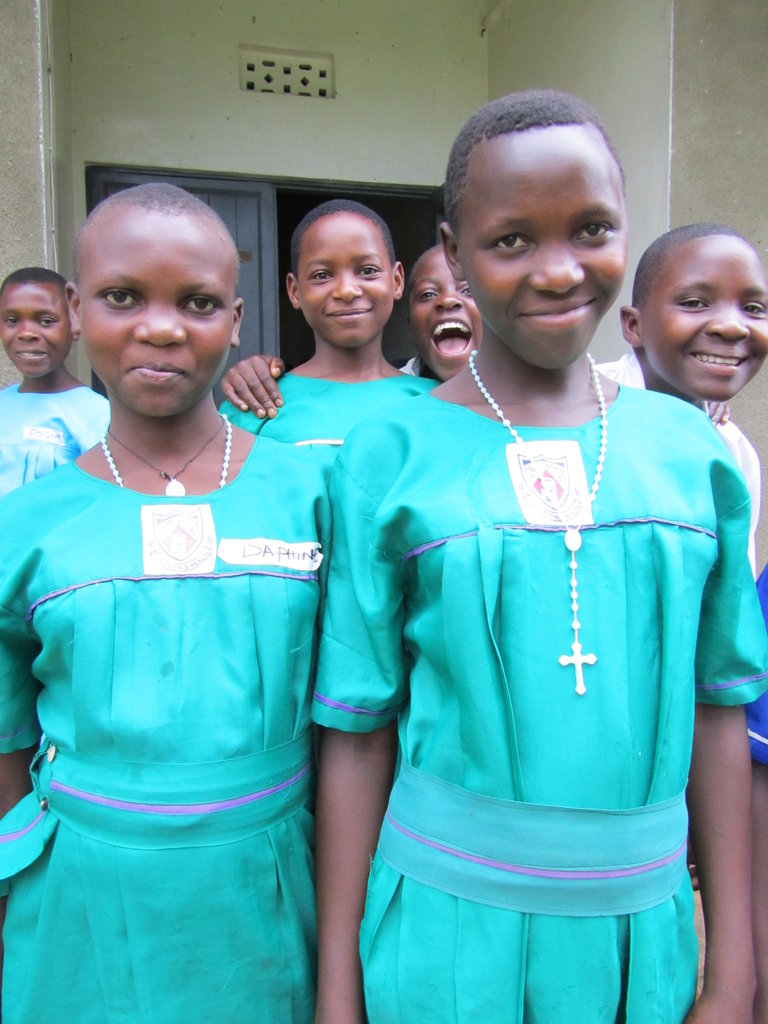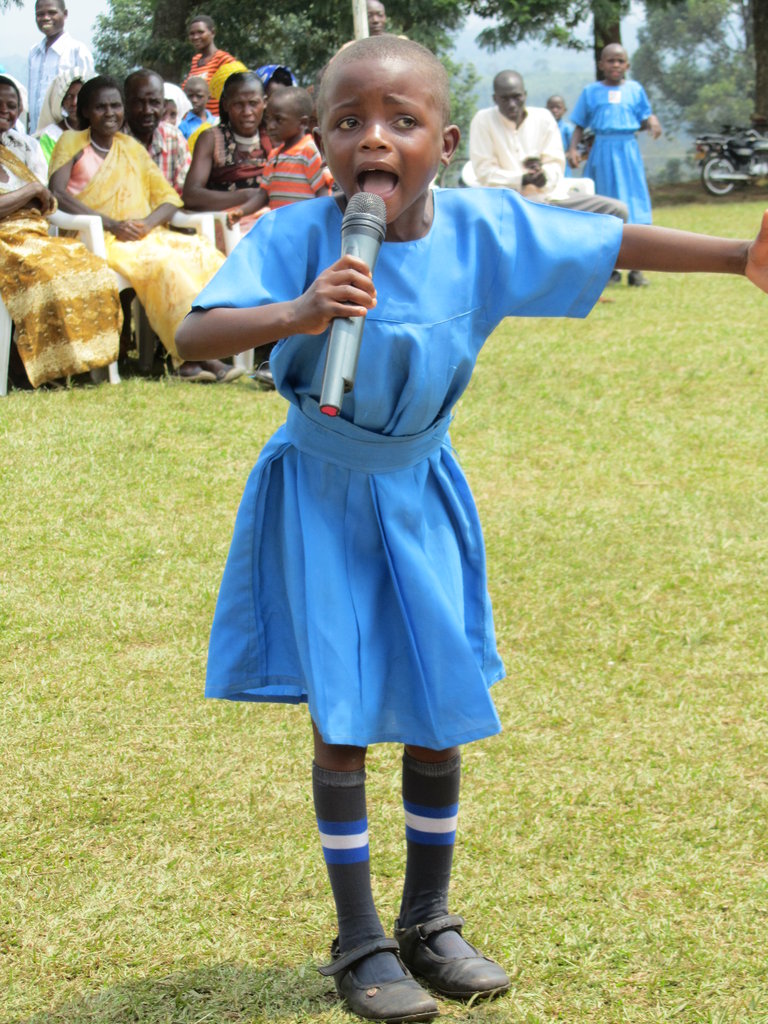
In rural Uganda, only about 50% of girls complete their primary education. This contributes to a range of serious challenges, including a high teen pregnancy rate of 25%, disproportionately high HIV infection rates among girls and women, and one of the highest maternal mortality rates in the world. However, educated girls are more likely to lead healthier lives, marry later, have fewer children, raise healthier families, earn higher incomes, and reinvest in their communities.
In Uganda, drop-out rates are high for rural girls. Up to 80% of girls entering primary school will never complete their primary education. Uganda has the highest teen pregnancy rate in sub-Saharan Africa with over 30% of Ugandan girls having their first baby by the time they are 18. HIV infection rates are 9 times higher in girls than boys the same age and Uganda has one of the highest maternal death rates in the world, 25% of which are from unsafe abortions.
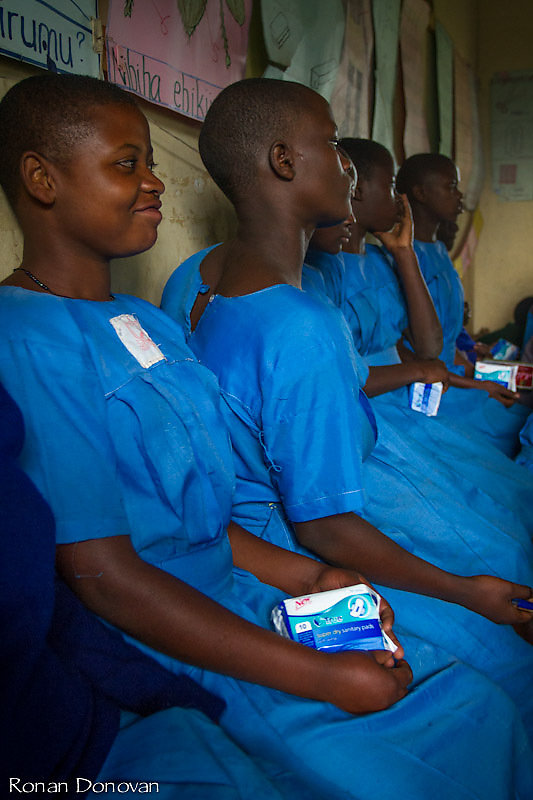
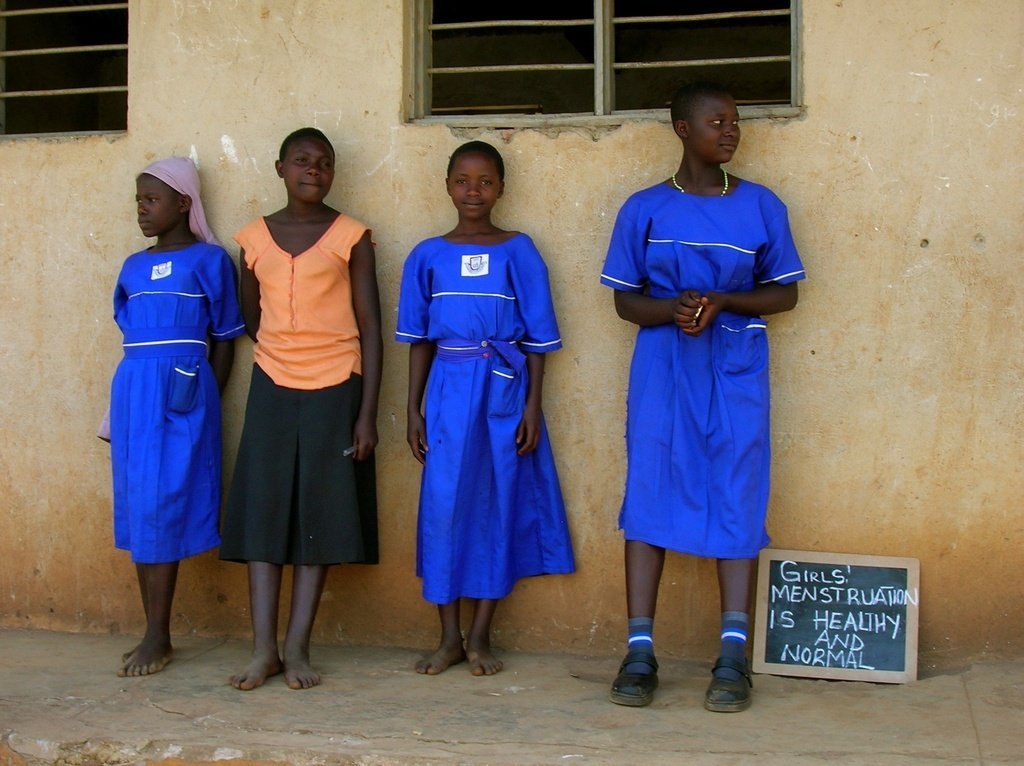
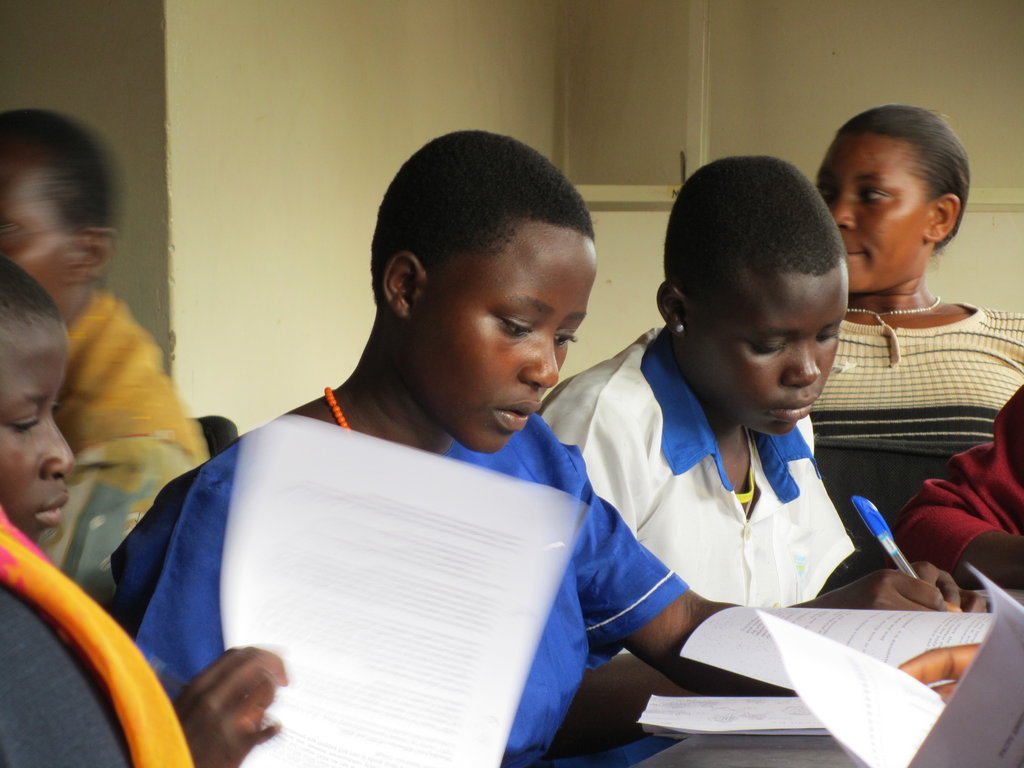
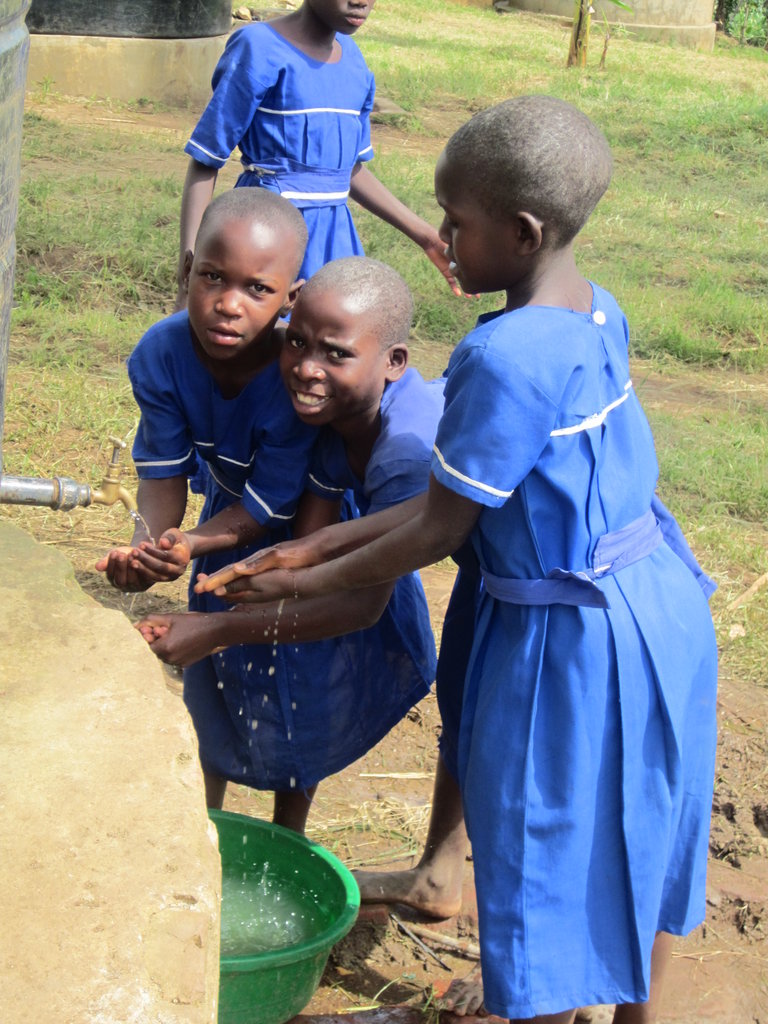
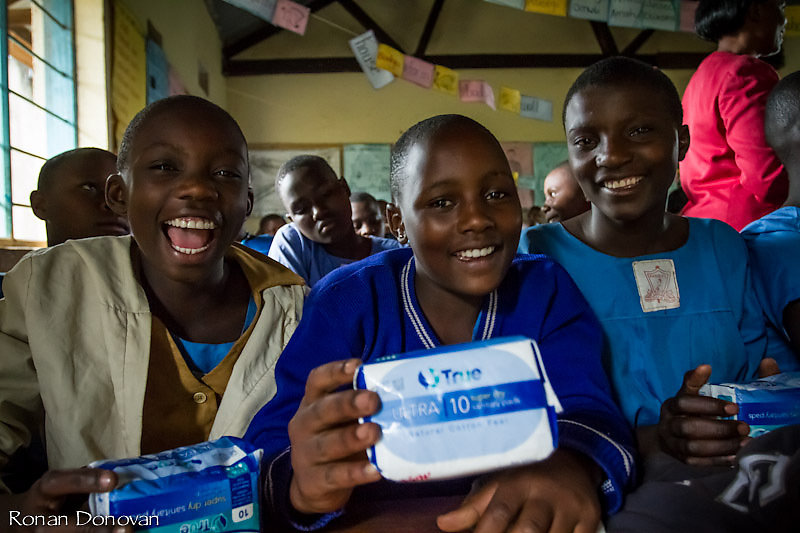
We will keep girls in school which in turn will affect the entire community through training students to act as peer leaders about reproductive health, distribution of sanitary pads to girls in school and construction of girls only private latrines at school. Early data show that the programs have had a remarkable impact.
Early data show that the program has had a remarkable impact. Girls in schools with peer-educators are better informed about reproductive health and more comfortable with discussing issues around menstruation, puberty and relationships with boys. We now have 14 trained women teachers supporting 42 trained student- educators in 14 schools serving 5000 girls. Additionally, data is showing a steady increase in girls attending school since we began distributing sanitary pads in 2006.



Support this important cause by creating a personalized fundraising page.
Start a Fundraiser