Project Report
| Nov 17, 2026
Educational Review Conferences: Designed by KIFA
By George Obua | Project Leader
Educational Review Conferences: Designed by KIFA
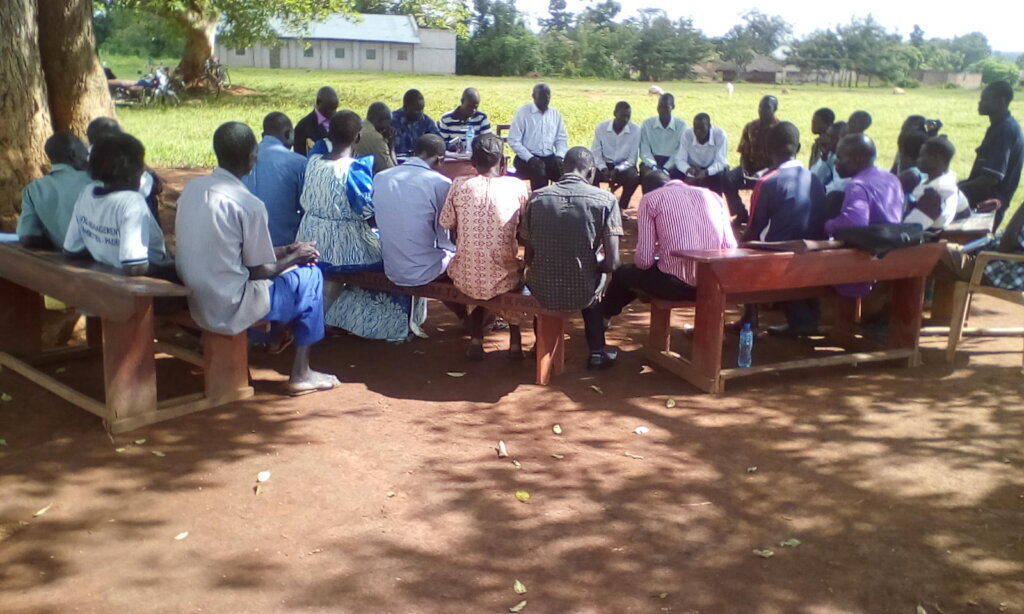
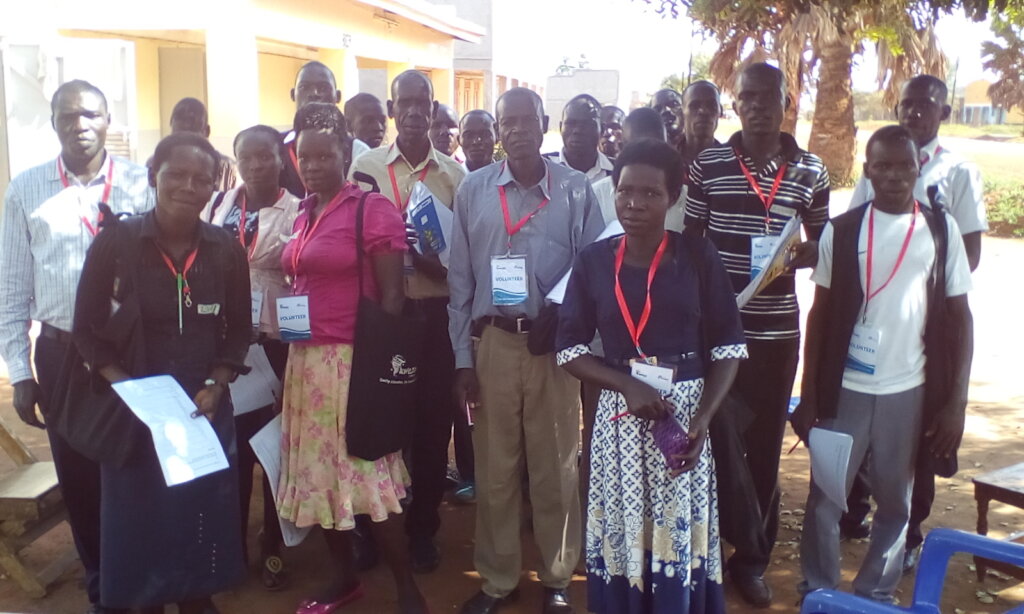
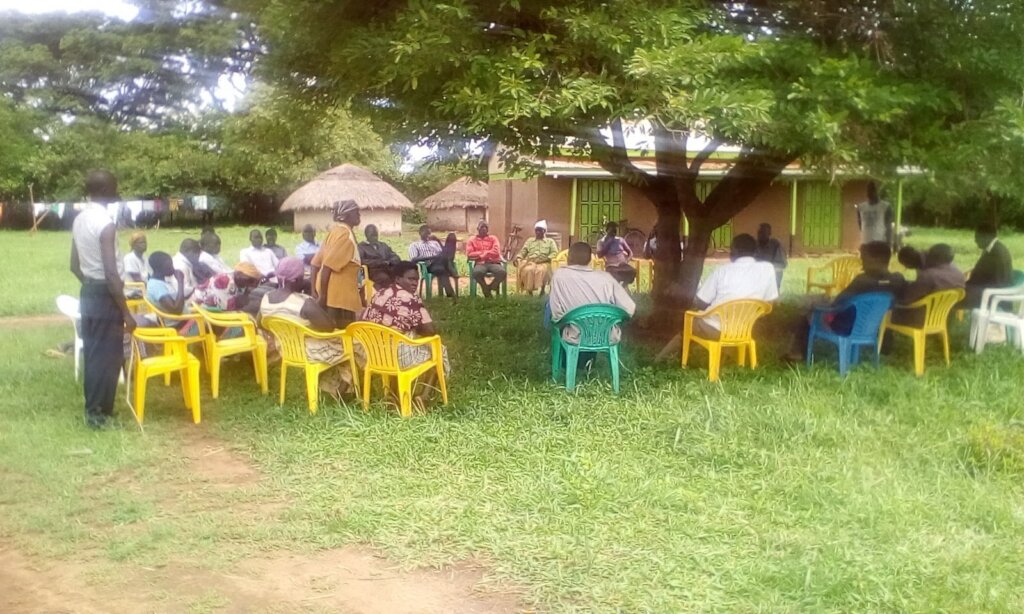
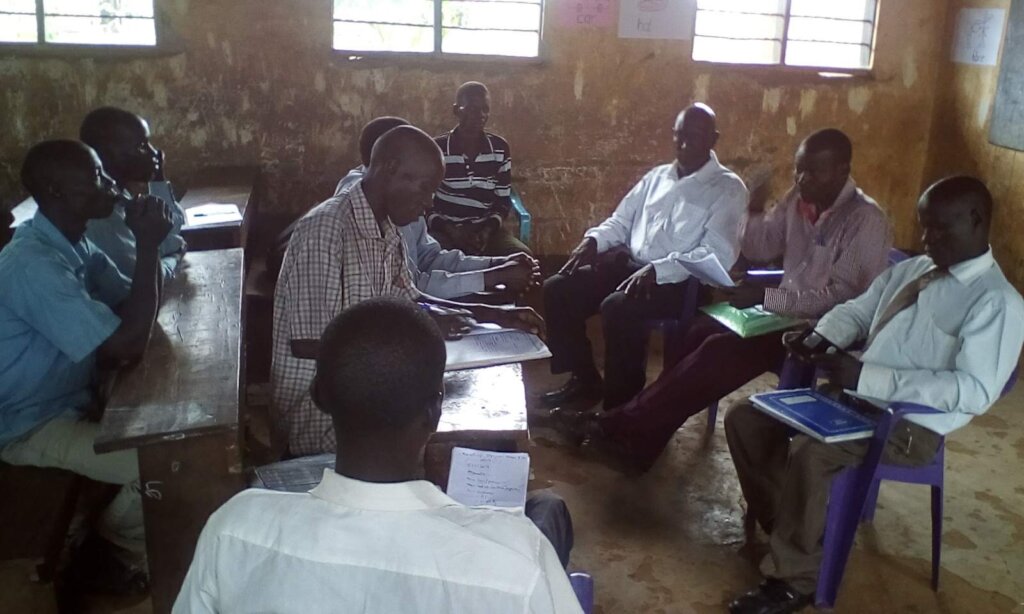
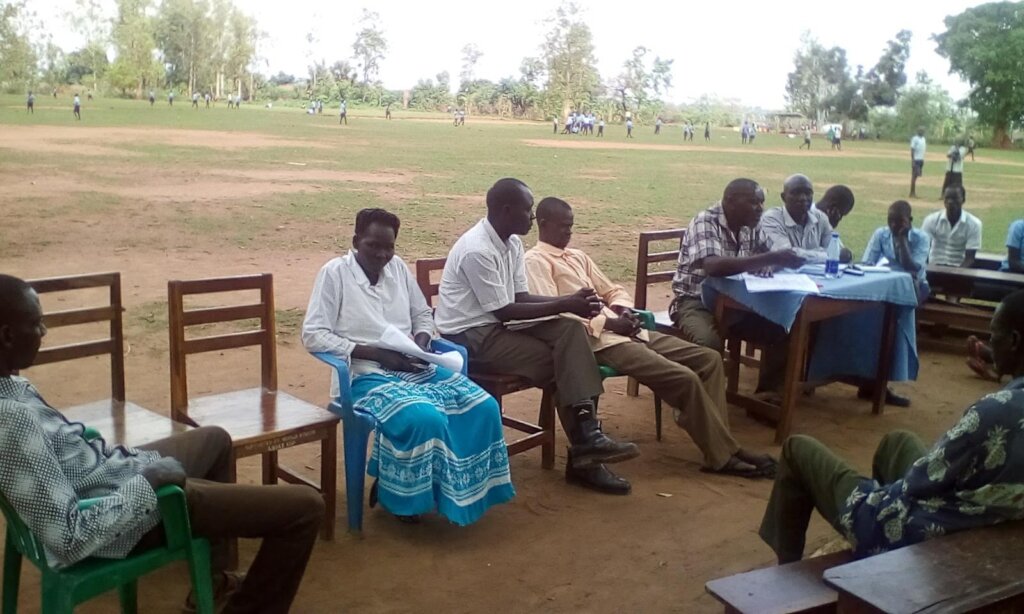
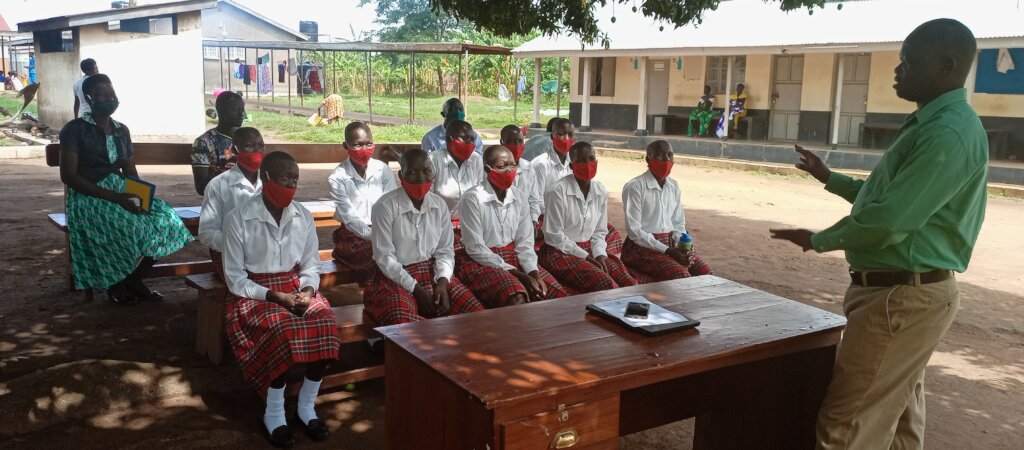
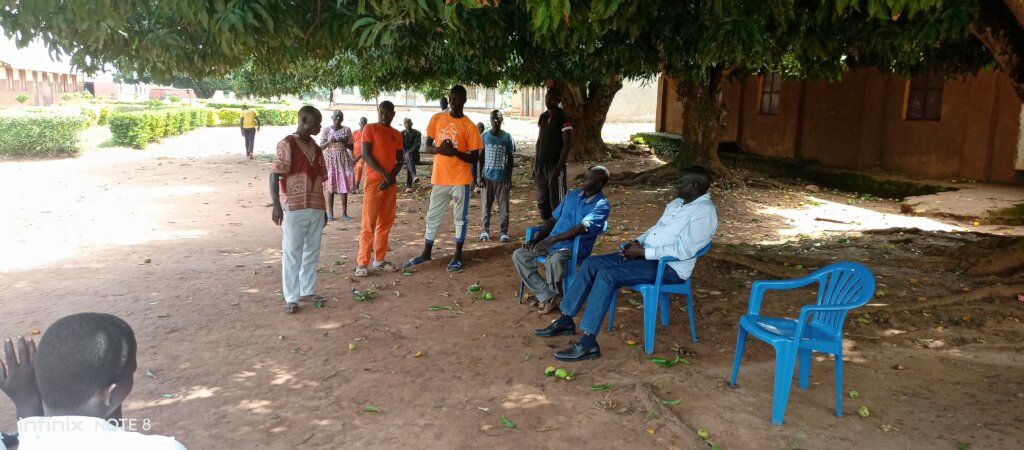
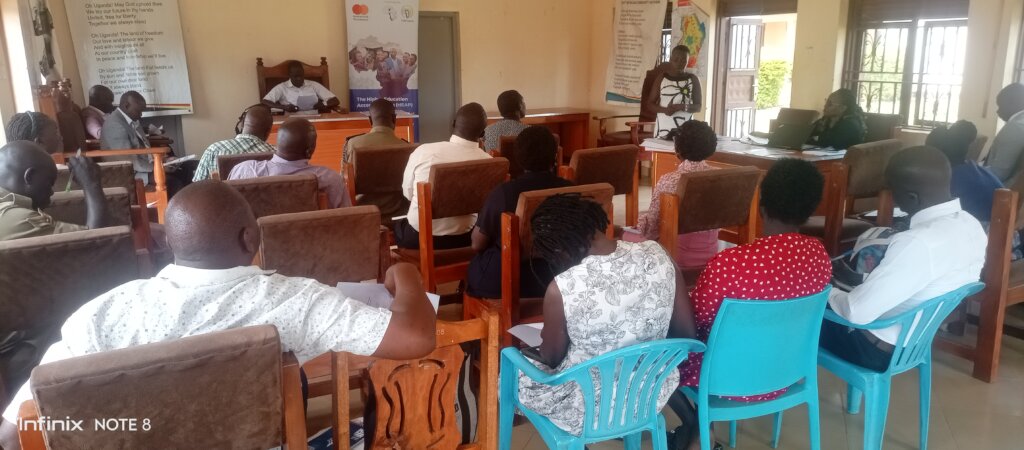
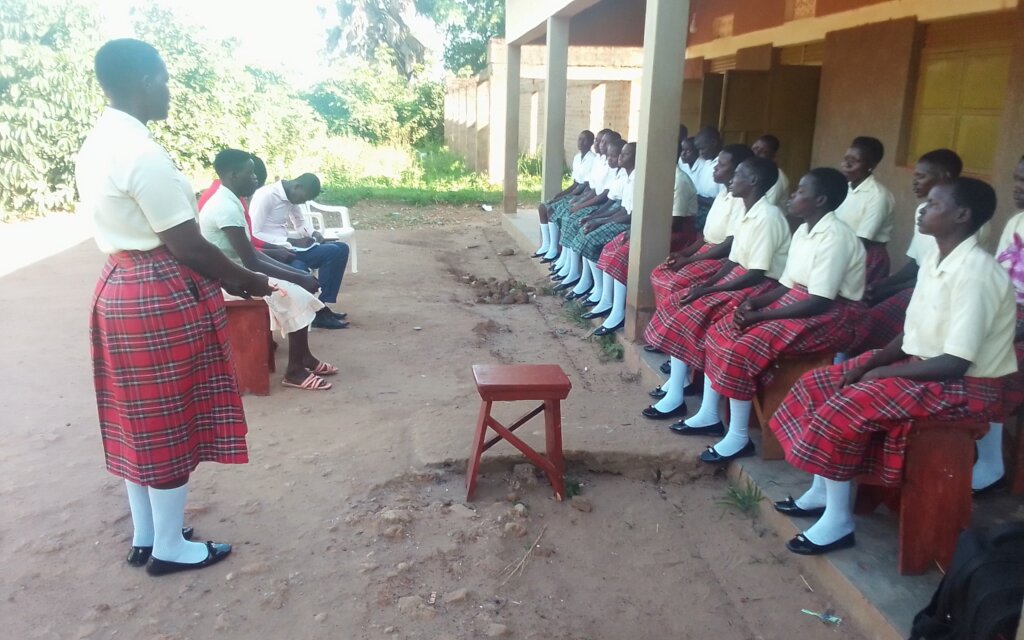
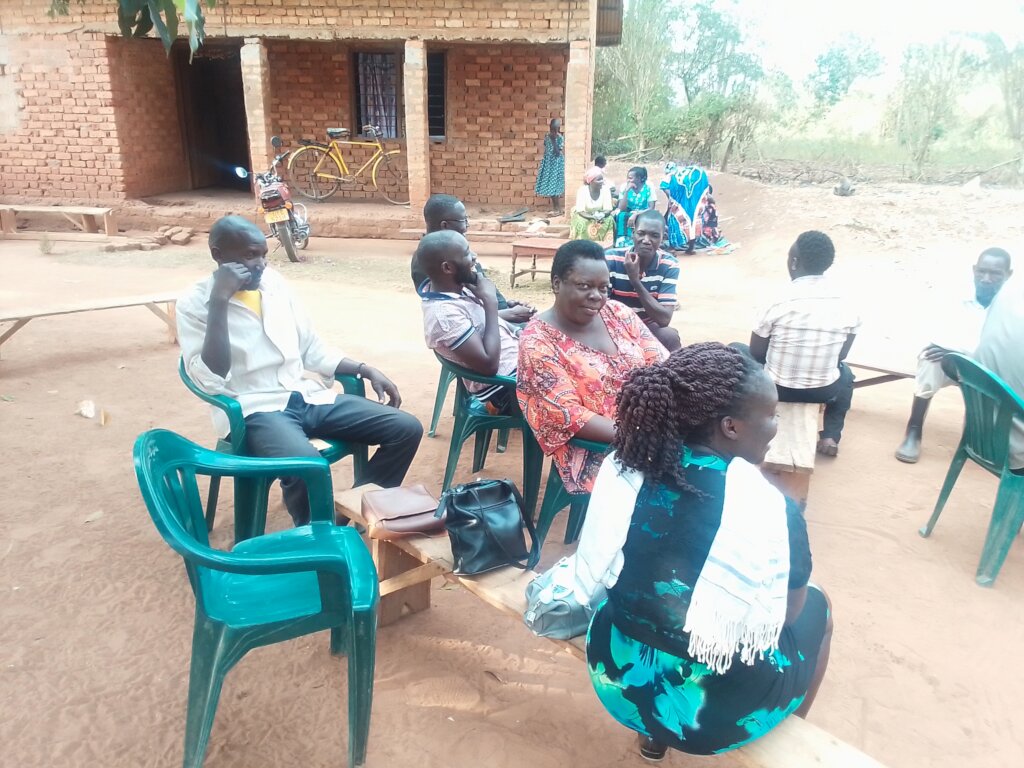
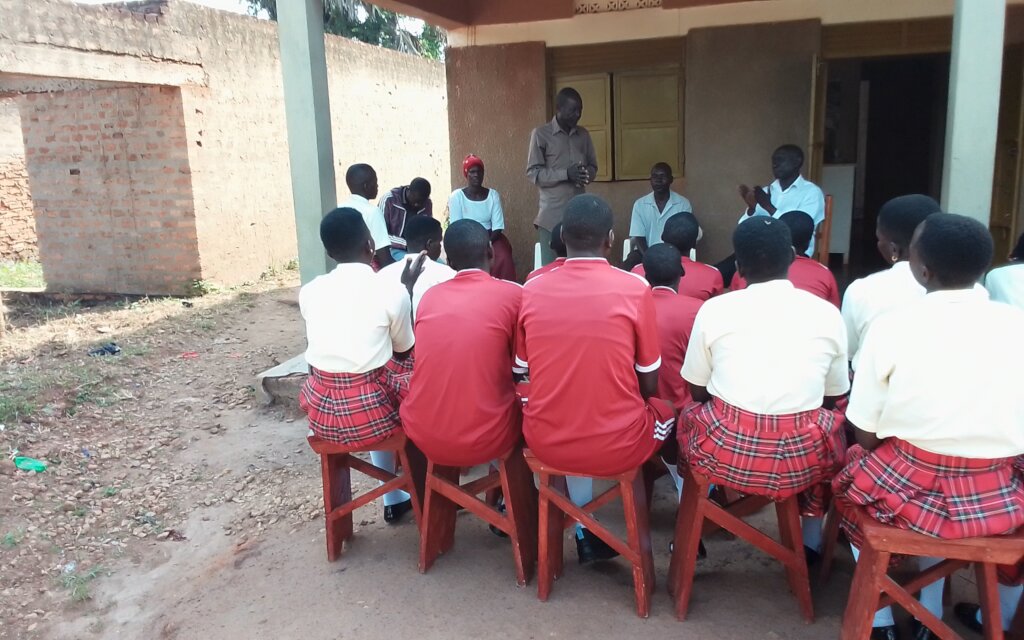
Kole Intellectual Forum, is such an NGO that is facilitating Kole District educational review conferences with the intention to drive policy influence, foster collaboration and networking, showcase innovative practices and program impacts; as well as providing a essential capacity building and professional development opportunities. Elaborately, the reasons for facilitating the educational review conferences are based on:
- Policy Influence and Advocacy: Conferences provide a crucial platform for NGOs to influence educational policy by bringing their grassroots experiences and data-driven research to the attention of policymakers, government representatives, and international bodies. This ensures that policies are grounded in real-world needs, especially for marginalized populations, and helps hold governments accountable for their commitments (e.g., Education for All goals).
- Networking and Partnerships: These events are key for cultivating relationships with a diverse range of stakeholders, including potential donors, corporate sponsors, academic institutions, and other non-profits. These connections often lead to invaluable collaborations, joint initiatives, and resource sharing that amplify an NGO's impact and reach.
- Showcasing Impact and Innovation: Conferences offer a venue for NGOs to present their work, share success stories, and highlight innovative teaching methods or program designs that can address specific educational challenges. This visibility not only raises awareness of their mission but also helps position them as thought leaders in their field, attracting further support and partnerships.
- Capacity Building and Professional Development: NGOs can organize and host workshops or seminars within the conference structure to enhance the skills and knowledge of their staff, teachers, and partners. These sessions cover essential topics like grant writing, program evaluation, or new pedagogical techniques, which directly improve program delivery and organizational effectiveness.
- Learning and Knowledge Exchange: Facilitating these gatherings allows for the exchange of ideas and best practices among peers. This inter-organizational learning helps NGOs stay updated on the latest trends and research in the education sector, adapt their strategies to evolving needs, and avoid duplicating efforts.
- Resource Mobilization: By offering visibility and networking opportunities with funding organizations, conferences can significantly enhance an NGO's fundraising efforts, helping them secure the necessary financial resources to drive their initiatives forward and achieve financial sustainability
![Share on Twitter]()
![Share on Facebook]()
Nov 15, 2026
Preparing an Inclusive Environment: Students
By George Obua | Project Leader
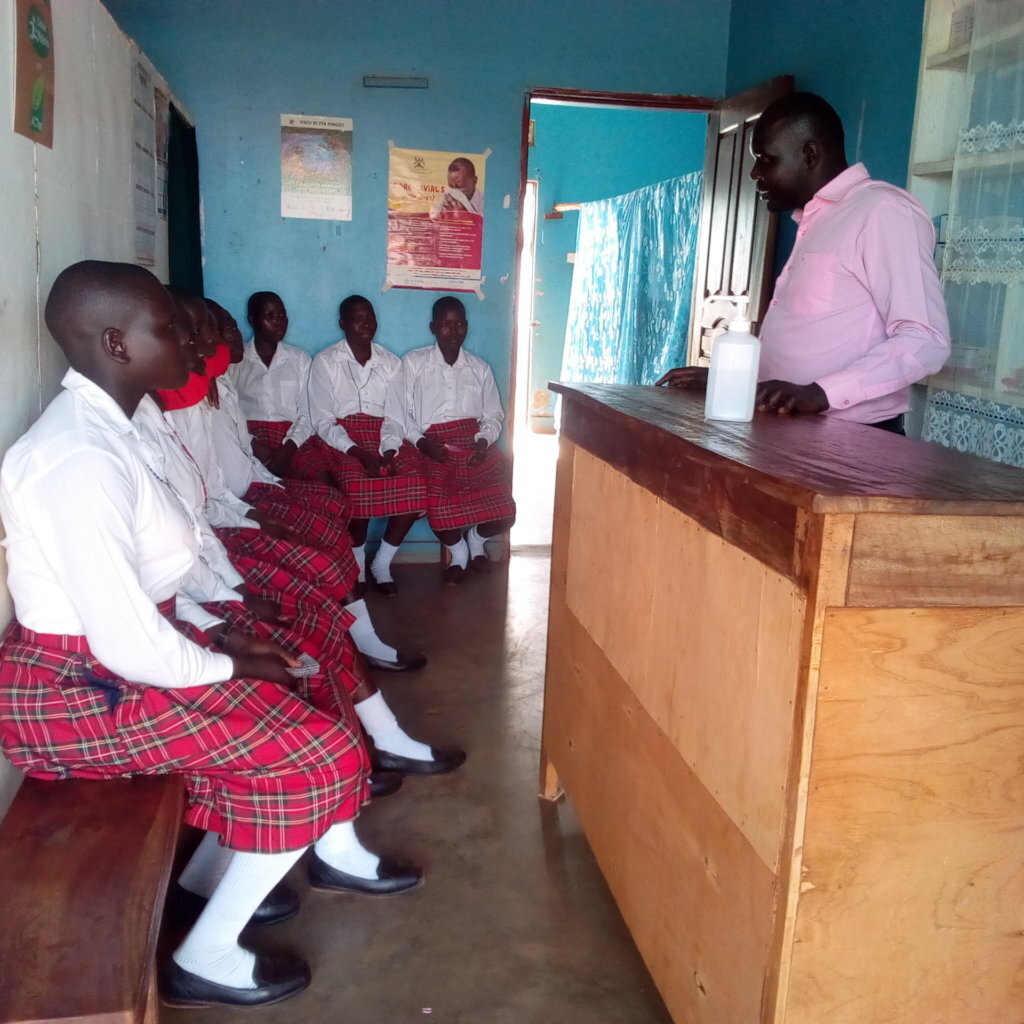
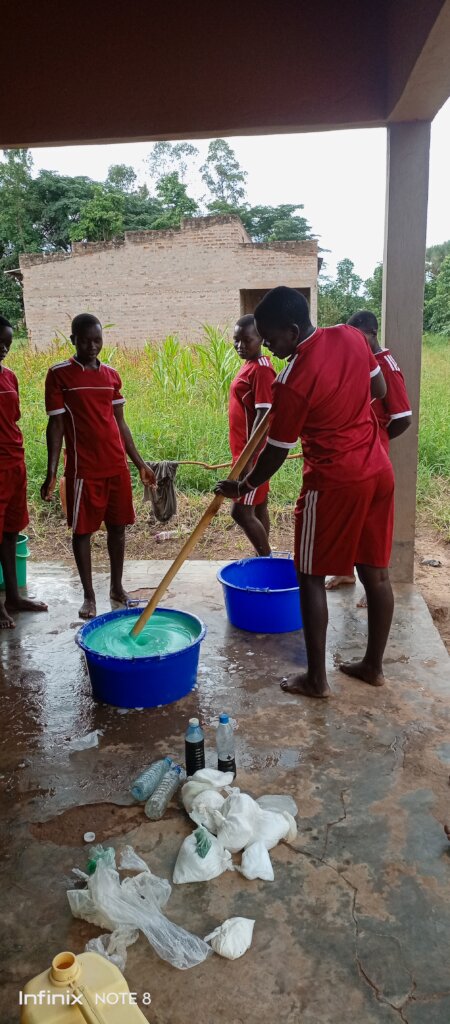
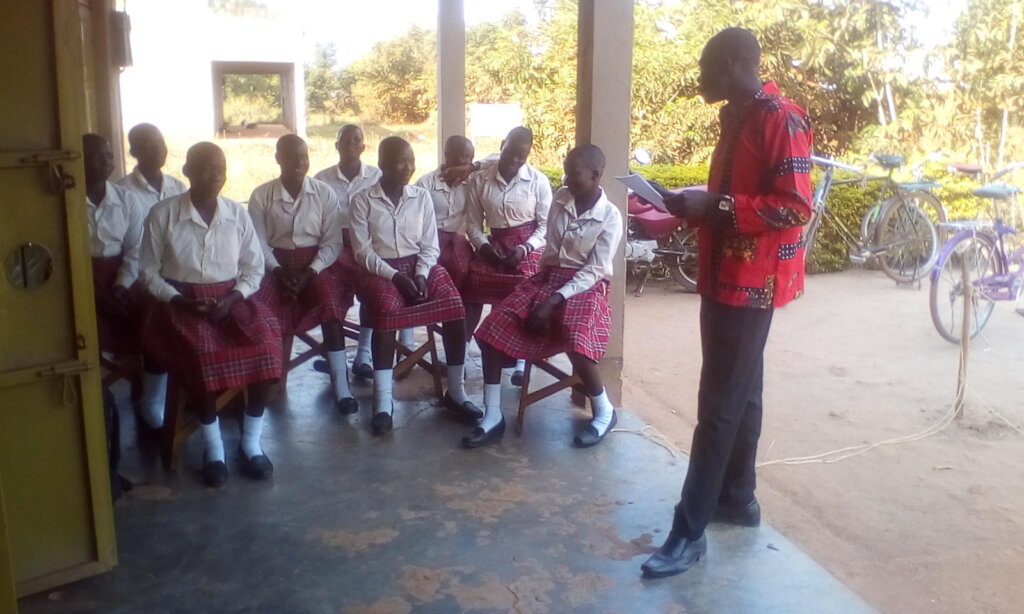
Kole Intellectual Forum has a number of ways of creating an inclusive environment to their students by developing an inclusion participation to students of different background, meeting in the new class for the first time. This time, the year 2026, new students are made to start a new class with a parade as an excellent, high-energy way to build community, establish rapport, and create immediate engagement; and this is building on their successful educational practices, combining creative, hands-on preparation with a symbolic march that fosters inclusion.
In the parade the students are participating at, it acts as a "show and tell" where students explain their "float" to their peers during the march and immediately and quickly generate the moral of building friendship among them.
On a scale of 0 to 10, how likely are you to recommend this project to a friend, family member, or colleague?
012345678910
Not at all likely
Extremely likely
![Share on Twitter]()
![Share on Facebook]()
Nov 12, 2026
Job market: students Exposed
By George Obua | Project Leader
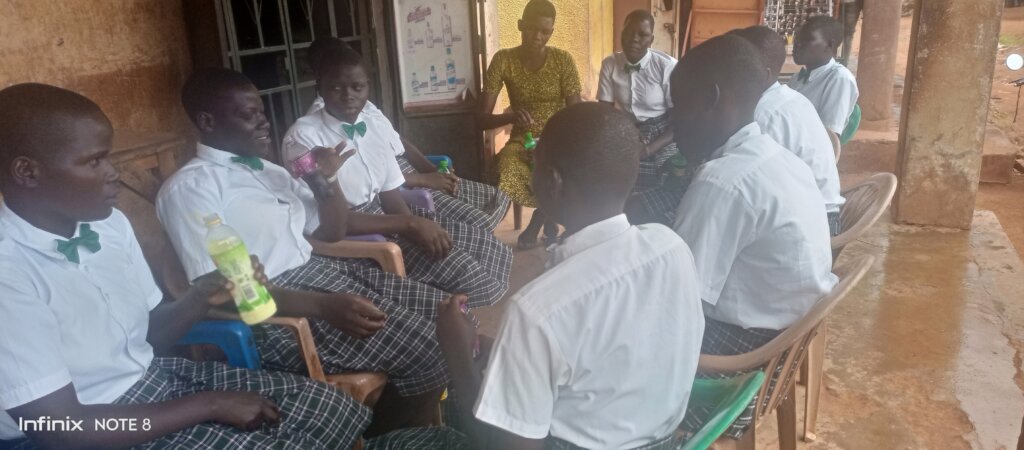
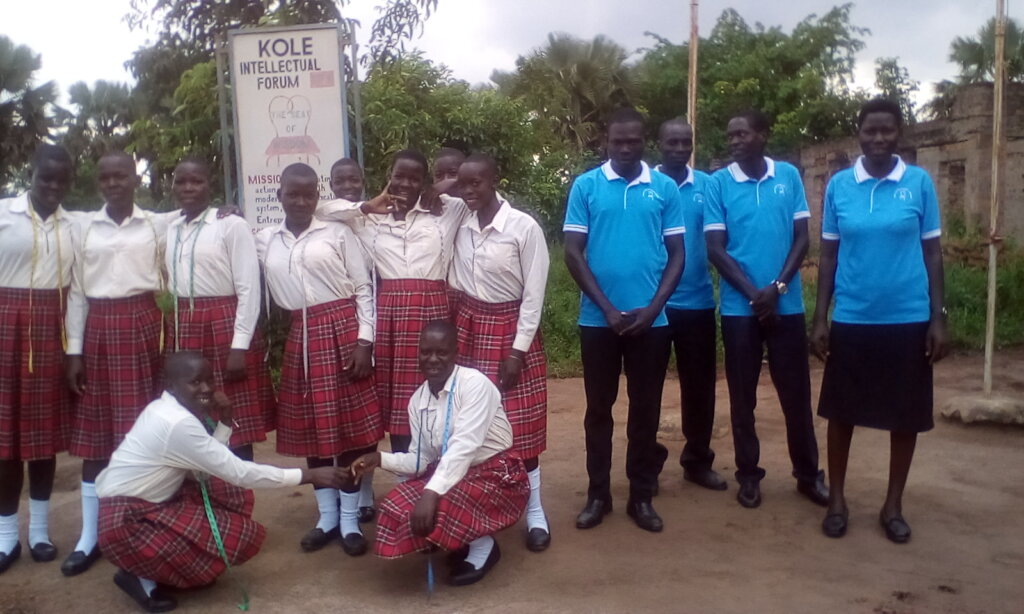
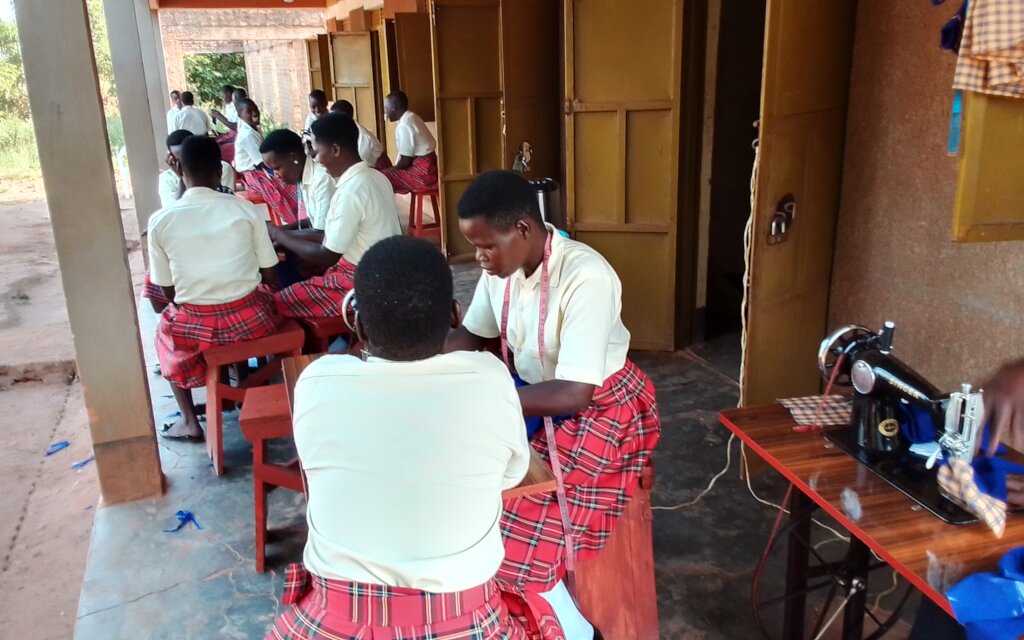
With intention of using a multi-faceted approach centered on bridging the gap between academic learning and industry needs, with also a strong emphasis on practical skills, real-world experience, and an entrepreneurial mindset; Kole Intellectual is trying their best expose their students to the job market for job creation; making them to call for a serious innovation in the their life cycles under the following strategies:
Kole Intellectual Forum is calling for an educational reforms and curriculum alignment
- Whereby they are called for to integrate practical, market-relevant skills: a Curriculum that should be updated regularly in collaboration with industries to ensure they meet evolving job market needs, including digital literacy, data analysis, and technical proficiencies.
- Emphasize soft skills: Training should cover essential soft skills like communication, teamwork, critical thinking, and problem-solving, which are highly valued by employers.
- Promote project-based and experiential learning: Incorporating hands-on activities, case studies, and group discussions helps students apply knowledge to real-world situations.
Among others are also practical experience and industry Connections
- Kole Intellectual forum wants to see that, there should be mandatory internships and apprenticeships: Integrating structured work experience programs into the curriculum allows students to gain valuable on-the-job experience and build professional networks.
- Industry-academia collaboration: Fostering strong partnerships with local businesses helps identify skill demands, facilitates the creation of internships, and allows for joint research projects.
- Industry visits and guest speakers: Organizing visits to companies and inviting successful professionals as role models exposes students to different work environments and career paths.
While on the other hand, also advocating for, fostering an entrepreneurial Mindset
- Entrepreneurship education: Offering courses on business planning, financial management, and marketing can equip students with the knowledge needed to start their own businesses and become job creators rather than job seekers.
- Access to funding and mentorship: Providing access to microloans, grants, business incubators, and mentorship programs from successful entrepreneurs can support student startups.
- Cultivate an "entrepreneurial" spirit: Encouraging students to see opportunities and develop innovative solutions within existing organizations, even if they choose not to start their own business immediately.
![Share on Twitter]()
![Share on Facebook]()