Project Report
| Nov 6, 2026
Community Mental health support for Rural communit
By Henry Okumu | Project Leader
Access to mental health services remains a major concern for many underserved communities in rural Tororo District. Families experiencing psychological and emotional challenges often struggle to find affordable, reliable, and accessible support.
Many people do not know where to seek assistance when experiencing prolonged sadness, anxiety, emotional distress, or trauma. Others may avoid seeking help because of stigma, fear of discrimination, or limited awareness about mental health conditions.
AlliedAid Uganda developed this project to address these challenges by establishing community-based mental health services that can provide education, early identification, counselling referrals, and connections to appropriate healthcare providers.
However, we are facing a significant financial challenge. Since launching our fundraising appeal, we have not yet received donations through GlobalGiving. Consequently, we have not been able to begin the planned implementation activities.
Although this situation is disappointing, we remain committed to advocating for better mental health services in rural communities. We recognise that meaningful progress requires financial resources, technical expertise, qualified personnel, and strong community partnerships.
Our appeal is therefore directed towards donors and well-wishers who understand the importance of mental health in building productive families and resilient communities.
With your assistance, we hope to begin the necessary preparations and gradually establish accessible support services for people who currently have limited options.
Help us turn this vision into reality. Your donation can be part of the beginning of a more supportive future for rural families in Tororo.
![Share on Twitter]()
![Share on Facebook]()
Jul 10, 2026
Community Mental health support for Rural communit
By Henry Okumu | Project Leader
Building Community Resilience and Reducing Mental Health Stigma
Reducing stigma remains one of the most important goals of our mental health program in Tororo District. Fear of discrimination often prevents people from discussing emotional challenges or seeking professional support, leaving many individuals to struggle alone.
Throughout this reporting period, our team engaged community leaders, youth groups, women's savings groups, and faith-based organizations in conversations about compassion, inclusion, and mental well-being. Testimonies from community members who had successfully managed mental health challenges inspired others to seek support without fear or shame.
Community dialogues emphasized that recovery is possible when individuals receive timely care, family support, and acceptance from their communities. Local leaders committed themselves to promoting respectful language and reducing discrimination against individuals living with mental health conditions.
These activities strengthened community solidarity and encouraged families to become active supporters of those experiencing emotional distress. Participants expressed greater confidence in discussing mental health openly and seeking assistance when needed.
With continued donor support, we aim to expand these anti-stigma campaigns, strengthen referral systems, and improve mental health outcomes for thousands of vulnerable people living in rural communities across Tororo District, Eastern Uganda.
ScienceDirect +1
![Share on Twitter]()
![Share on Facebook]()
Jul 9, 2026
Community Mental health support for Rural communit
By Henry Okumu | Project Leader
Strengthening Mental Health Through Primary Health Care
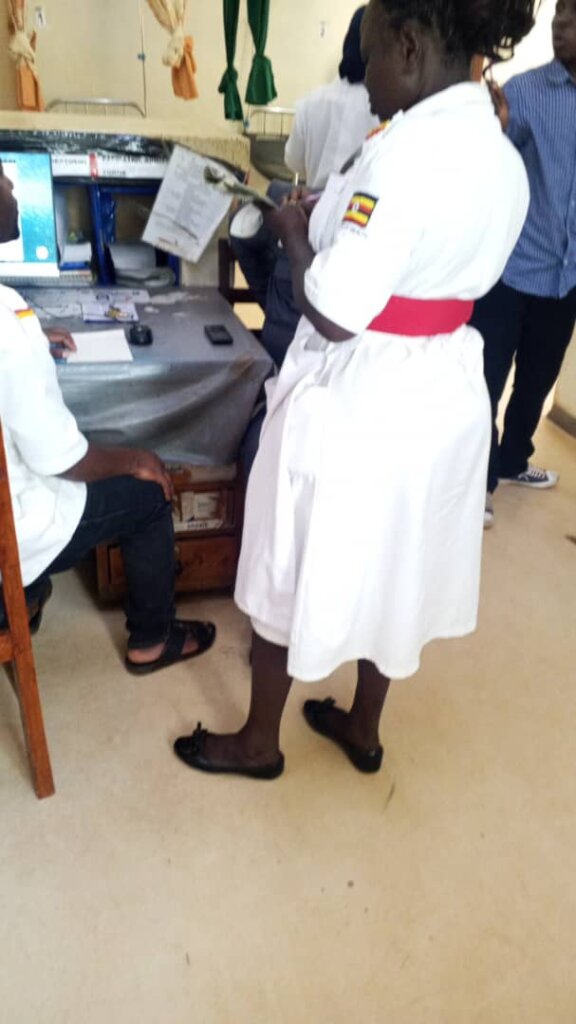
Access to quality mental health care remains a major challenge for rural families in Tororo District. During this reporting period, our initiative promoted stronger collaboration between community members and local health facilities to improve access to mental health services.
Community sensitization encouraged individuals experiencing prolonged sadness, anxiety, substance misuse, or emotional distress to seek medical care rather than suffer in silence. Village Health Teams assisted in identifying vulnerable individuals and referring them to nearby health centers for assessment and treatment.
Our project also supported discussions with local healthcare workers on the importance of integrating mental health into routine primary healthcare services. Community members were educated about the availability of treatment and the importance of adhering to prescribed care plans.
As a result, more residents became aware that mental health conditions are treatable and that seeking professional help is a sign of strength rather than weakness. Early referrals have the potential to reduce severe illness, improve recovery, and strengthen overall community well-being.
Ongoing collaboration with health facilities will continue improving access to essential mental health services for underserved rural populations.
![Share on Twitter]()
![Share on Facebook]()