By Karisa Arterbury | Director
Dear Ocean Blue Project Supporters,
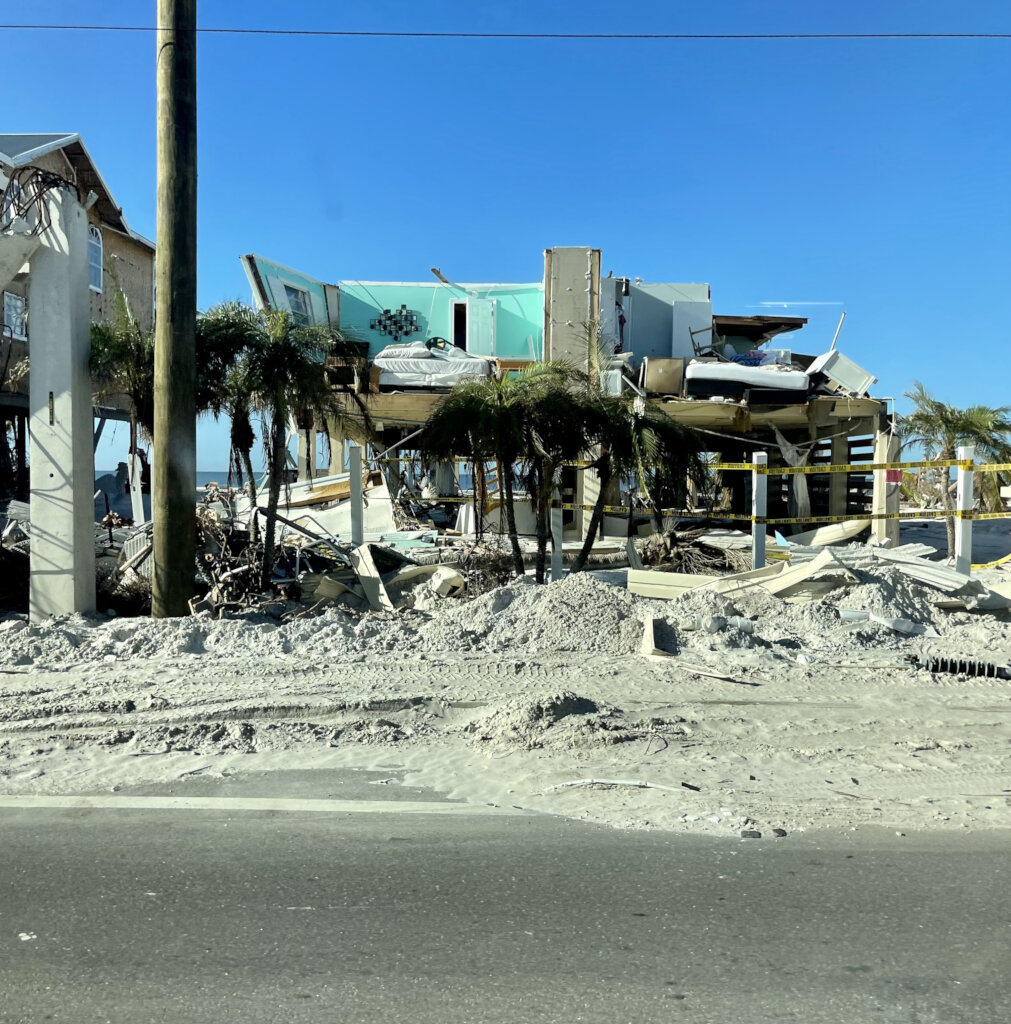
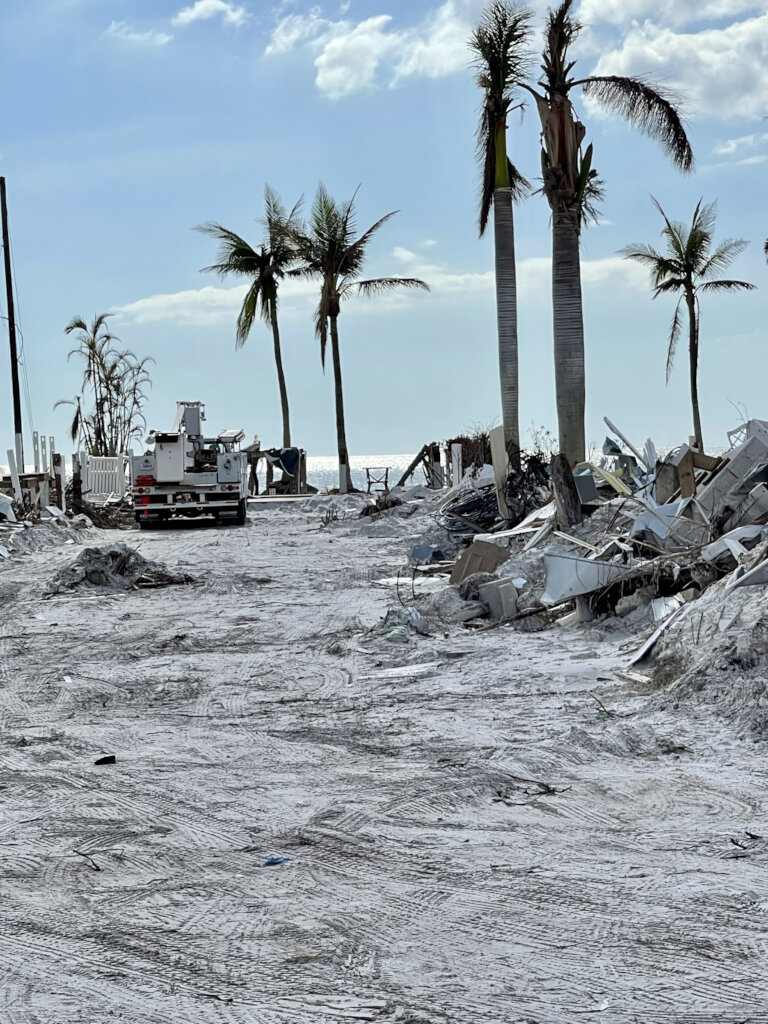
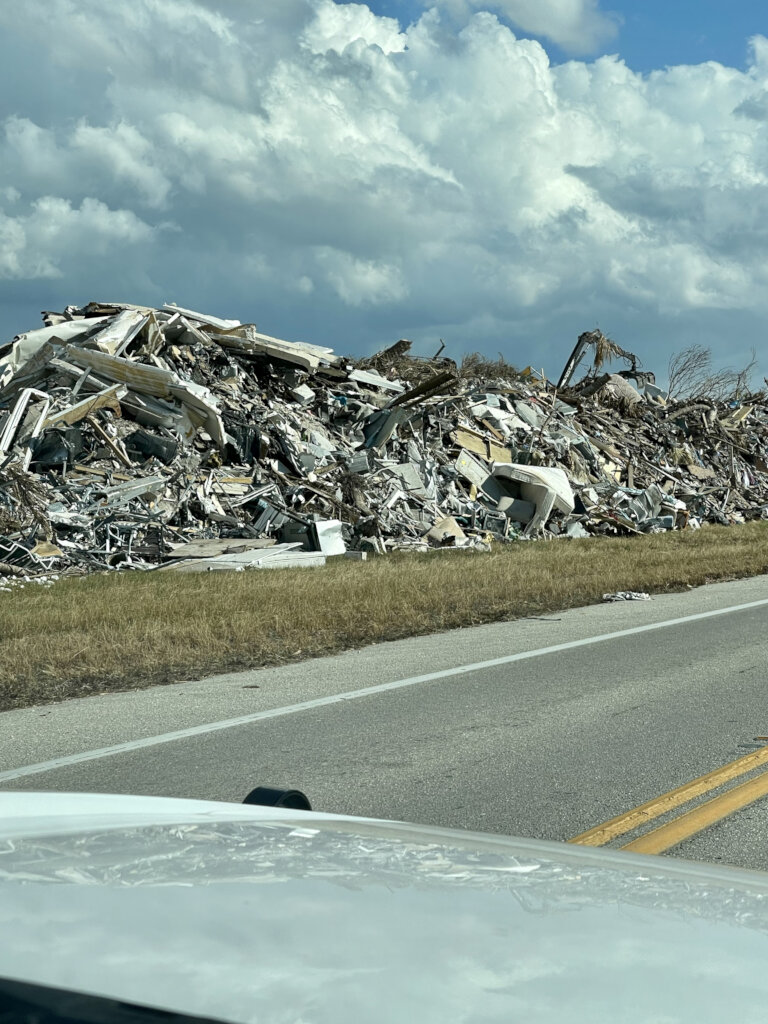
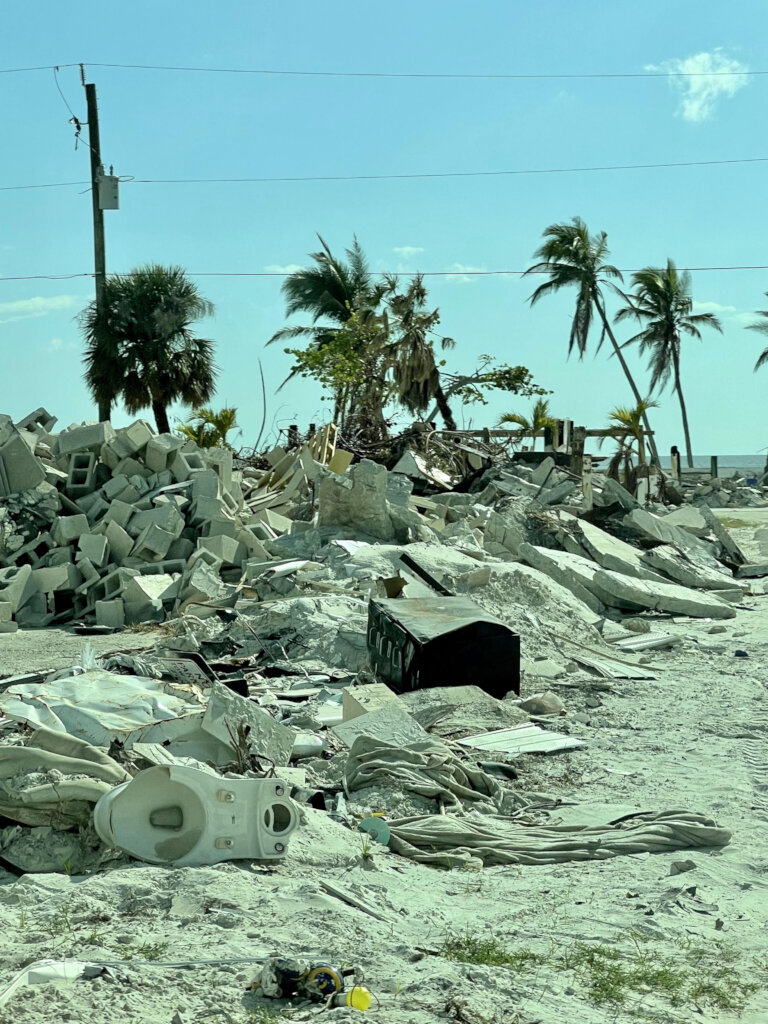
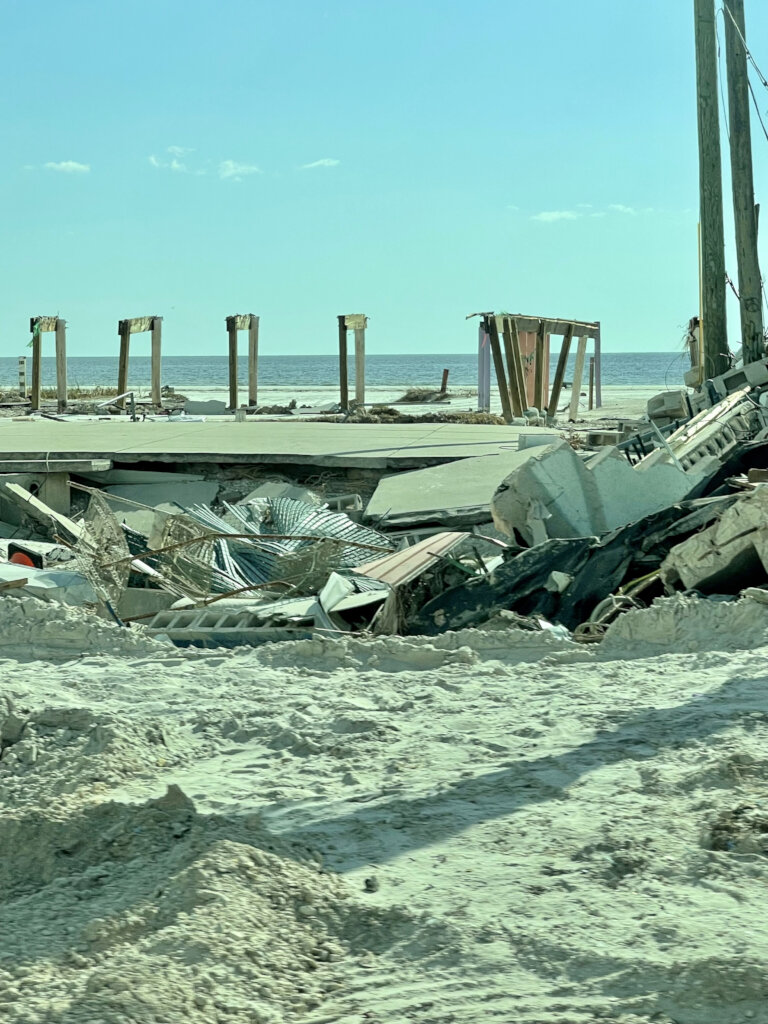
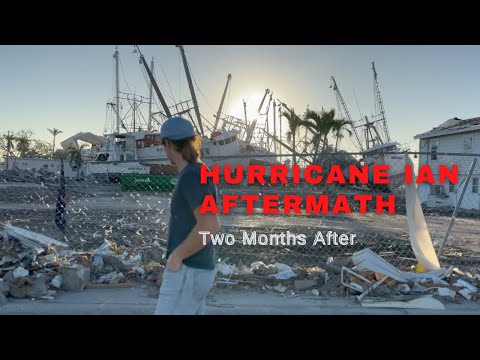
After a disaster, communities face overlapping challenges: debris that threatens waterways and ecosystems, disrupted access to safe drinking water, and growing volumes of single-use plastic waste.
As Ocean Blue Project prepares for 2027, we aim to strengthen our post-disaster relief and debris removal efforts while raising funds for dedicated drinking-water trucks. Our goal is to help communities recover while reducing the plastic waste generated during emergency response.
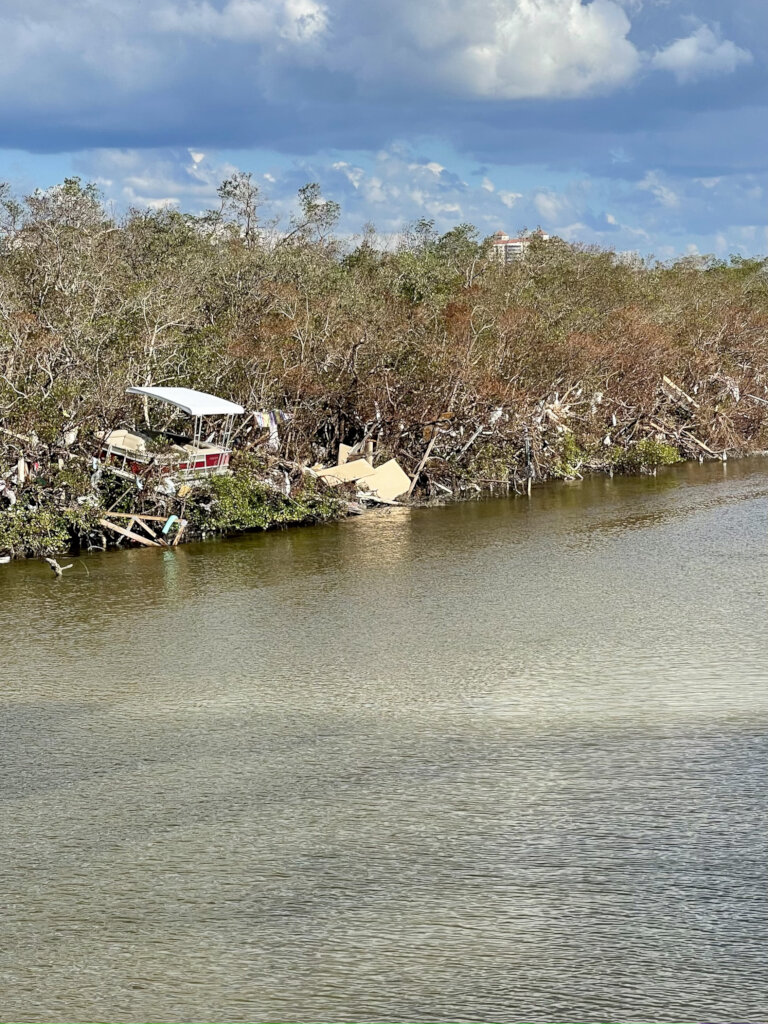
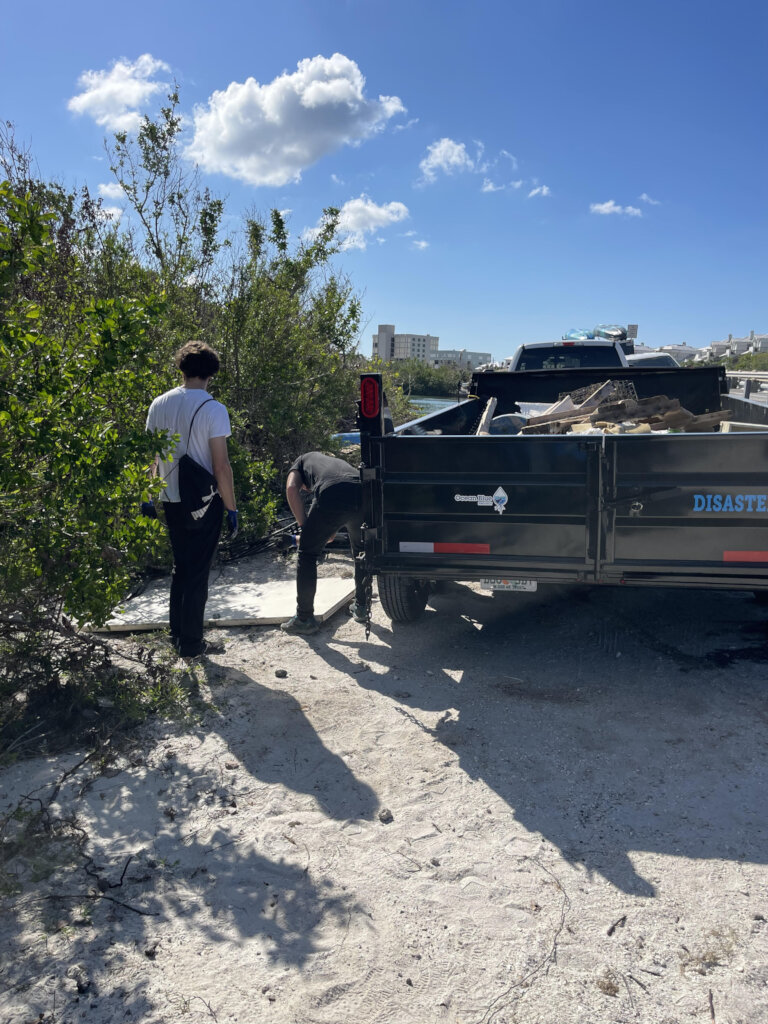
Removing Debris and Protecting Waterways
Removing debris is an important part of long-term recovery. Storms and flooding can carry discarded materials into rivers, wetlands, and coastal habitats, where they can continue causing harm long after the immediate emergency has passed.
Ocean Blue Project’s work builds on more than 3.5 million pounds of plastic and debris removed to date.
In Virginia’s Northern Neck, preliminary reports indicate that at least 250,000 additional pounds of debris have been removed from the region’s watershed. We are working to verify and consolidate these results for our next impact update.
For perspective, 250,000 pounds is approximately the weight of 63 passenger vehicles, assuming an average weight of 4,000 pounds per vehicle. These preliminary results reflect our broader cleanup work and are not presented as a verified total for a specific disaster response.
Funding Water Trucks to Reduce Reliance on Plastic Bottles
Bottled water can provide a critical lifeline when disasters interrupt drinking-water service. Alongside that immediate need comes another challenge: managing the plastic bottles left behind.
Building on our past support for a water truck serving Asheville, North Carolina, we aim to help more communities access safe drinking water after disasters.
We aim to raise funds for dedicated potable-water trucks that could support emergency drinking-water distribution and refill stations where conditions allow. Paired with reusable containers and appropriate public-health safeguards, these trucks could help reduce reliance on single-use bottled water.
One 2,000-gallon water-truck delivery would carry approximately the same volume of water as 15,140 single-use, 500-milliliter plastic bottles.
That means each full delivery could potentially replace thousands of disposable bottles when people use truck-delivered water instead of bottled water. This is a volume comparison—not a guarantee of bottles eliminated. Actual reductions would depend on truck capacity, delivery volume, safe distribution, and access to suitable refillable containers.
Our fundraising goal includes not just the trucks, but the equipment, maintenance, trained operators, and coordination needed to deliver drinking water safely.
Managing Recovered Materials Responsibly
We’re also grateful for the continued partnership of Wyld Works, which has pledged to donate a Mobile Recycling Unit to Ocean Blue Project.
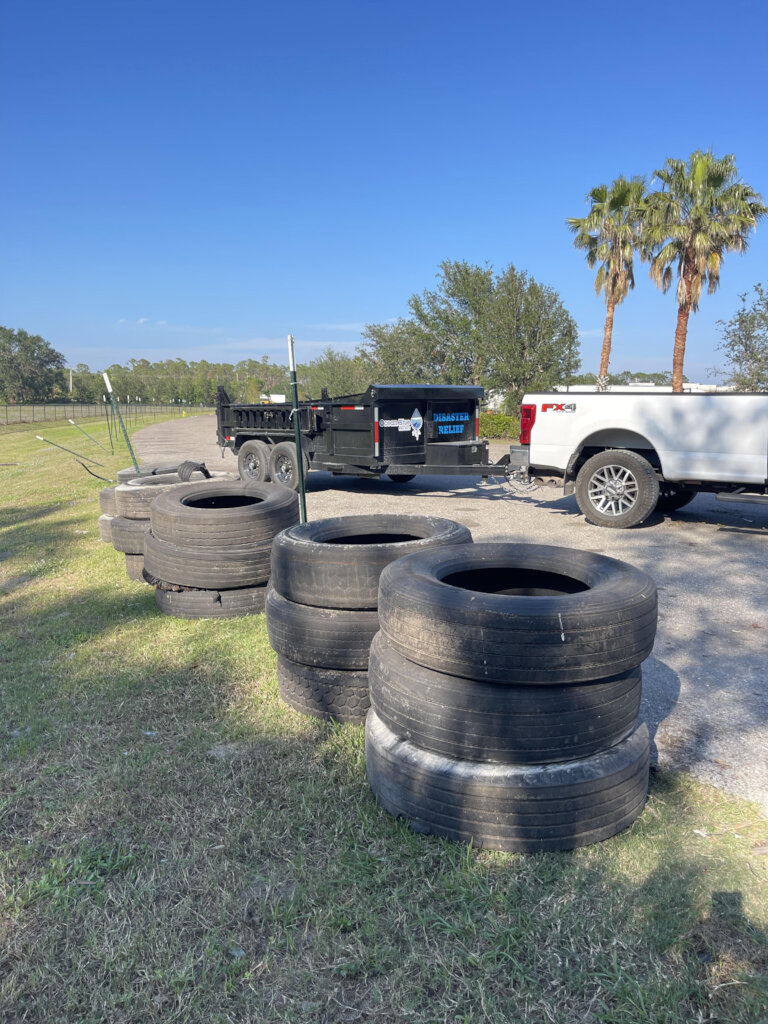
This equipment would help improve the consolidation and handling of recyclable materials recovered through our operations. Where materials are suitable and recycling services are available, we aim to keep more recovered waste out of disposal streams.
Post-disaster debris requires careful handling. Not every material can be recycled, and hazardous or contaminated debris must be managed through appropriate channels.
Looking Ahead to 2027
Our priorities are to strengthen debris removal capacity, build disaster-response partnerships, improve recovered-material handling, and secure funding for dedicated drinking-water trucks to activate nationwide after disasters.
We want to measure progress through clear outcomes: debris removed, water delivered, communities served, and—where it can be reliably documented—single-use bottles avoided.
Help Communities Recover Without Leaving More Plastic Behind
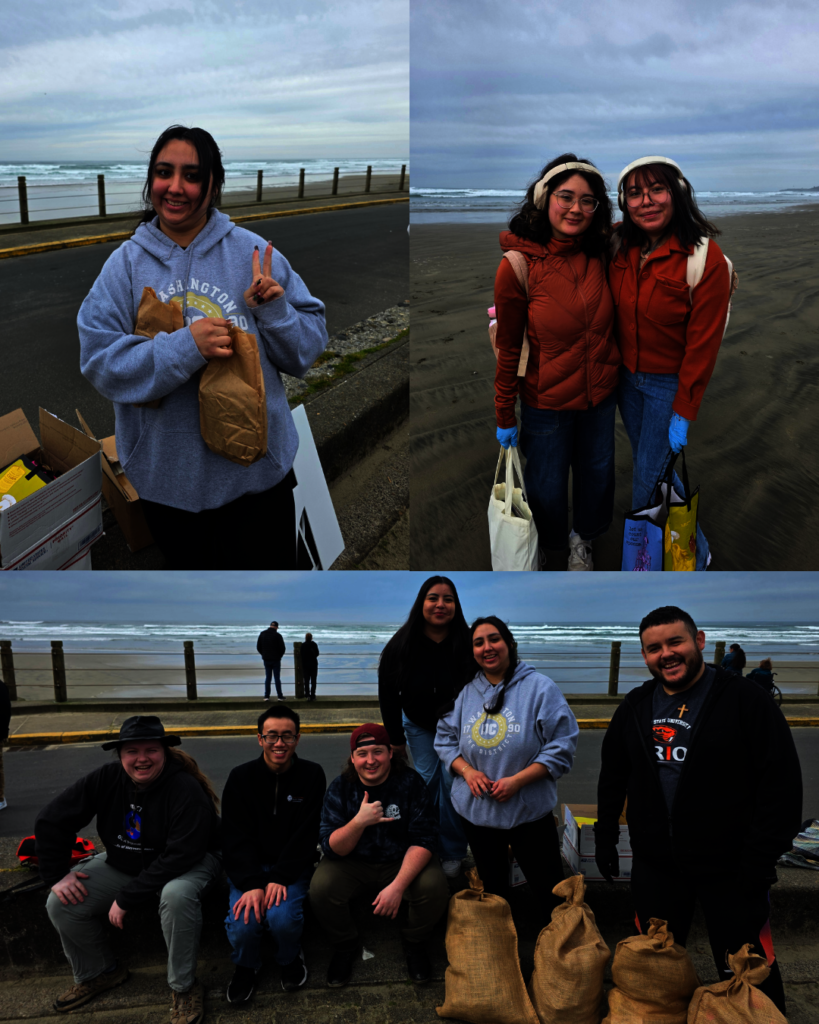
For over a decade, the Ocean Blue Project Team has worked diligently to expand our nationwide grassroots connections.
We truly love the local communities we serve:
Your support can help Ocean Blue Project connect immediate recovery needs with long-term environmental protection across the country during the urgent times ahead.
Together, we can work toward cleaner waterways, safer access to drinking water, and less plastic waste in the aftermath of disasters
.
With gratitude,
The Ocean Blue Project Team
Links:
By Karisa Arterbury | Director of Operations + Development (volunteer)
By Karisa Arterbury | Director of Operations + Development (volunteer)
Project reports on GlobalGiving are posted directly to globalgiving.org by Project Leaders as they are completed, generally every 3-4 months. To protect the integrity of these documents, GlobalGiving does not alter them; therefore you may find some language or formatting issues.
If you donate to this project or have donated to this project, you can receive an email when this project posts a report. You can also subscribe for reports without donating.



Support this important cause by creating a personalized fundraising page.
Start a Fundraiser