By Karisa Arterbury | Director
Dear Ocean Blue Project Supporters,
Some places remind us why the fight against ocean plastic pollution matters so deeply.
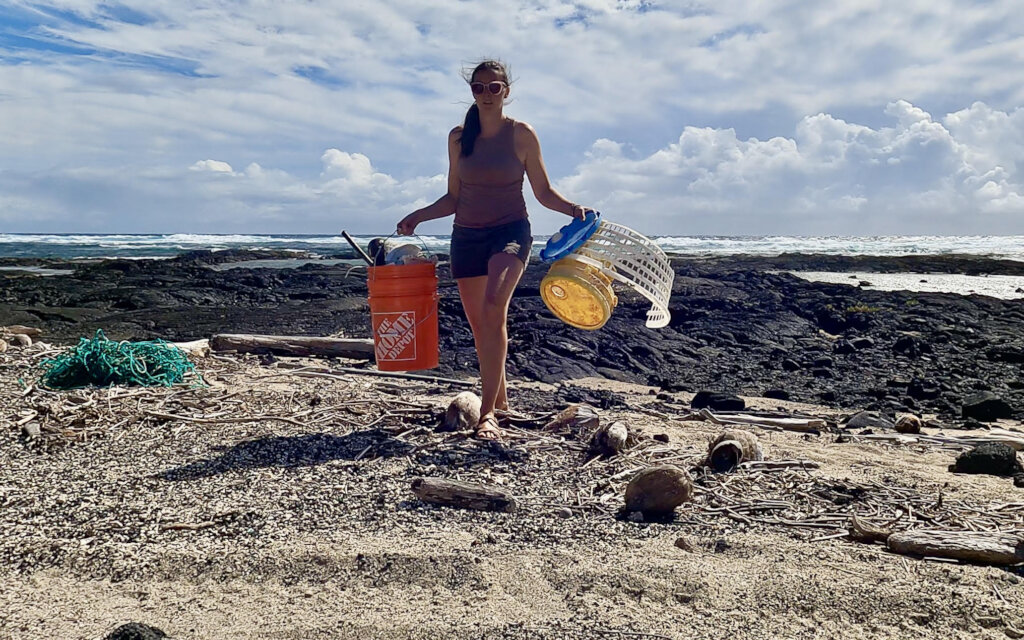
For Ocean Blue Project, one of those places is Kamilo Beach on Hawaii's Big Island, often called "Plastic Beach" because ocean currents carry an extraordinary accumulation of marine debris to its shores.
As 2026 draws to a close, we want to share an important message with our GlobalGiving community: Kamilo Beach remains part of Ocean Blue Project's long-term conservation vision.
Why Kamilo Beach Matters
Located along the southeastern coast of Hawaii Island, Kamilo Beach has become a powerful illustration of the global plastic pollution crisis.
Ocean currents carry discarded fishing gear, plastic fragments, and other marine debris across vast distances before depositing them along this remote shoreline.
The consequences extend beyond what we can see. Plastic pollution threatens wildlife, damages coastal habitats, and breaks down into smaller fragments that are increasingly difficult to recover.
Kamilo Beach reminds us that pollution generated far from a shoreline can still profoundly affect its environment.
Where Our Project Stands
We believe our supporters deserve transparency about both our accomplishments and the work that remains ahead.
While Ocean Blue Project has continued advancing marine conservation efforts in other parts of the United States, our planned Kamilo Beach cleanup initiative is awaiting dedicated funding before we can proceed with implementation.
Our current conservation activities are guided by available resources, donor-supported priorities, and the partnerships necessary to conduct effective projects.
This does not diminish our commitment to Hawaii.
Instead, it reinforces the importance of building the financial and operational foundation needed to approach this work responsibly.
Our Vision for Future Restoration
With sufficient support and appropriate local partnerships, we hope to help advance marine debris removal and coastal restoration activities in Hawaii.
Our future priorities include supporting responsible removal of accumulated marine debris, protecting sensitive coastal habitats, coordinating with local conservation partners, and documenting measurable environmental outcomes.
We recognize that effective restoration must respect local knowledge, ecological conditions, and the communities connected to these coastal environments.
You Can Help Move This Project Forward
Dedicated support for our Hawaii initiative can help us advance the planning, partnerships, logistics, and eventual cleanup activities necessary to make meaningful progress.
Every contribution brings this vision closer to becoming a funded conservation effort.
Until then, we will continue sharing transparent updates with the supporters who believe this remarkable coastline deserves a cleaner, healthier future.
Thank You for Keeping Hawaii in Your Hearts
Ocean conservation requires persistence, collaboration, and a willingness to invest in places where the challenges are significant.
We're grateful that you continue to believe in the importance of protecting Kamilo Beach and the marine life that depends on healthy coastal ecosystems.
Together, we can keep working toward a future where even the most heavily impacted shorelines have the opportunity to recover.
With gratitude,
The Ocean Blue Project Team
Links:
By Karisa Arterbury | Director of Operations + Development (volunteer)
By Karisa Arterbury | Director of Operations + Development (volunteer)
Project reports on GlobalGiving are posted directly to globalgiving.org by Project Leaders as they are completed, generally every 3-4 months. To protect the integrity of these documents, GlobalGiving does not alter them; therefore you may find some language or formatting issues.
If you donate to this project or have donated to this project, you can receive an email when this project posts a report. You can also subscribe for reports without donating.



Support this important cause by creating a personalized fundraising page.
Start a Fundraiser