By Moza Adilen | Communications and Fundraising Officer
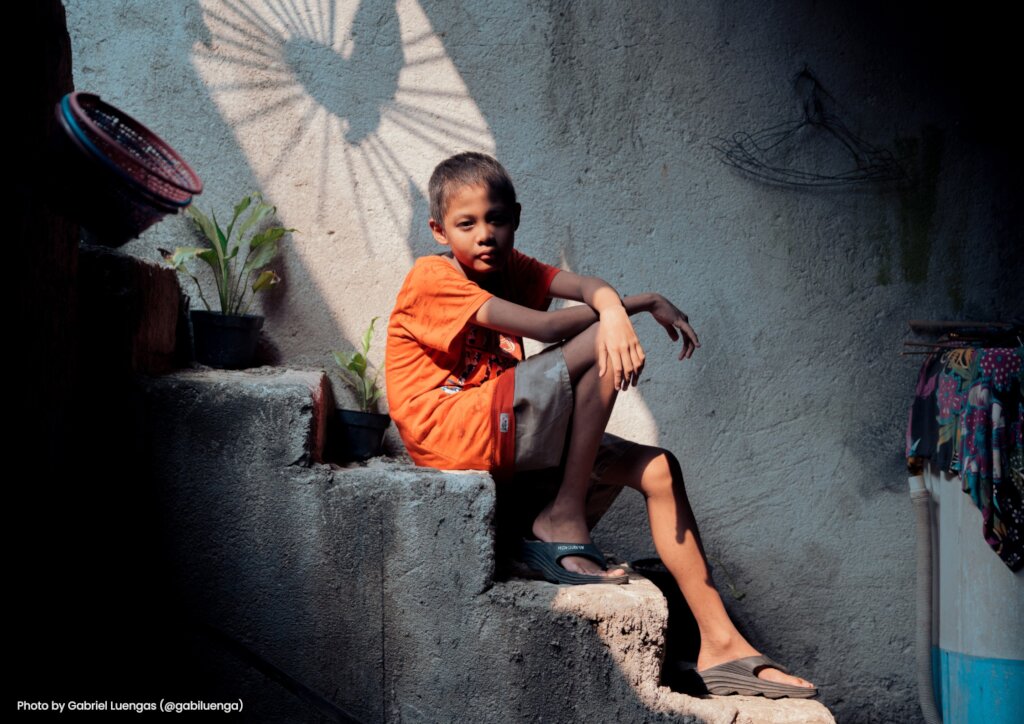
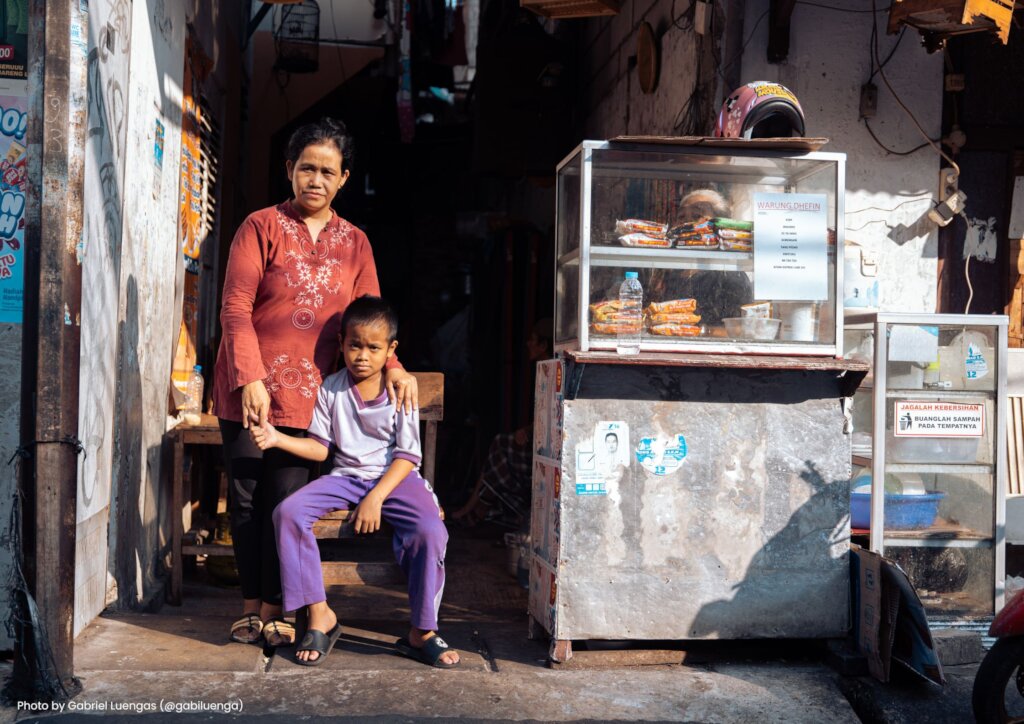
Gabriel’s journey began in early December 2024 back in Jayapura - Papua, when he first started experiencing persistent pain in his left knee. Within a month, a lump appeared and began spreading up to his thigh, causing him to walk with a limp. Seeking specialized care referred by his oncologist, he and his sister traveled to Jakarta, where he received his official diagnosis of osteosarcoma—a type of bone cancer—in March 2025.
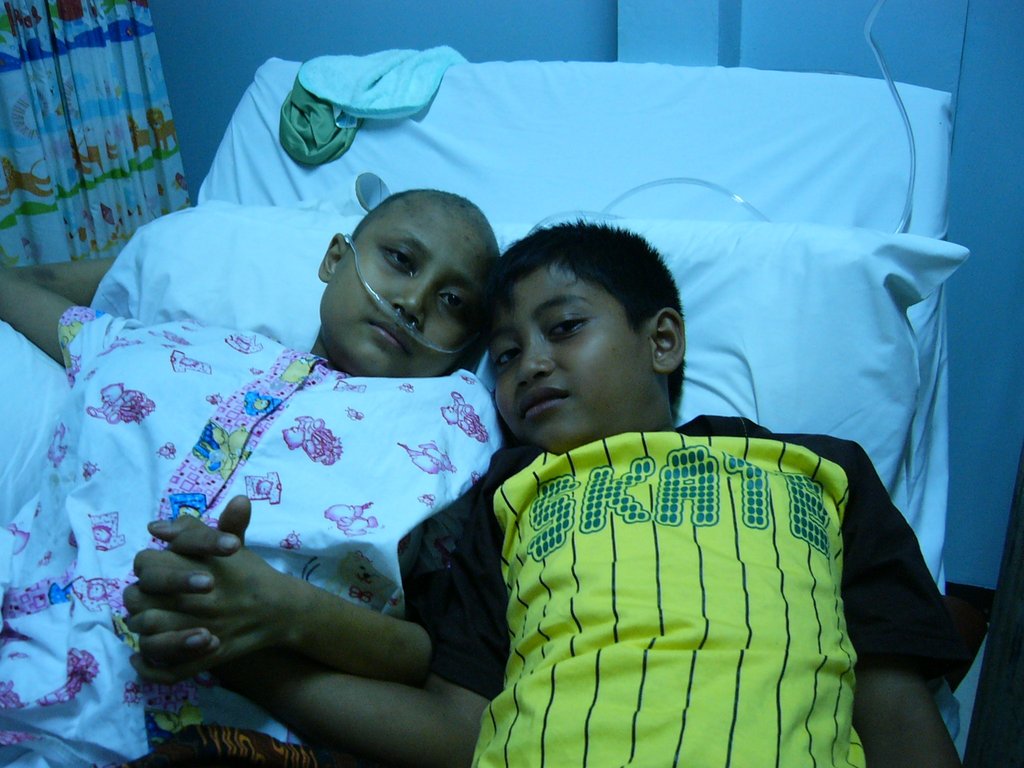
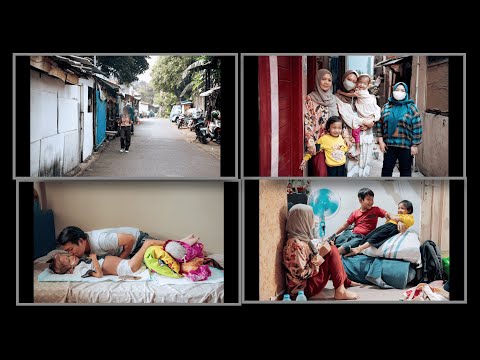
Now 16, Gabriel has undergone an amputation of his left leg, and much of his daily life revolves around chemotherapy, pain-management treatment and moving between the hospital and a rented space he called home. His sister has become his primary caregiver, accompanying him to appointments and helping him manage the demands of daily life. Their mother remains in Jayapura, working tirelessly as the family's sole breadwinner. While most of Gabriel's medical treatment is covered by Indonesia's universal health insurance program, the costs of accommodation, meals, and daily living in Jakarta are not. For the past 22 months, the siblings have been separated from their mother, who continues to support them from thousands of miles away.
For a family navigating cancer treatment far from home, the challenges go beyond the illness itself. There are appointments to coordinate, medical needs to manage, and unfamiliar systems to navigate. For Gabriel's sister, these responsibilities came alongside the experience of being a young caregiver, learning to support her brother through circumstances neither of them could have anticipated.
But caring for Gabriel has never been the responsibility of his sister alone.
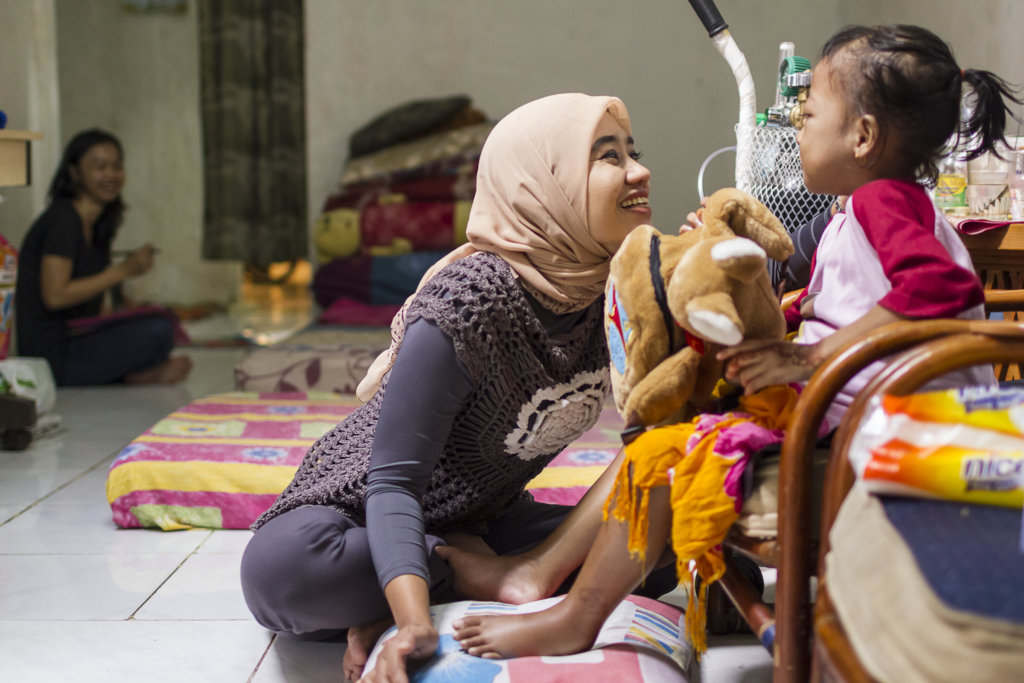
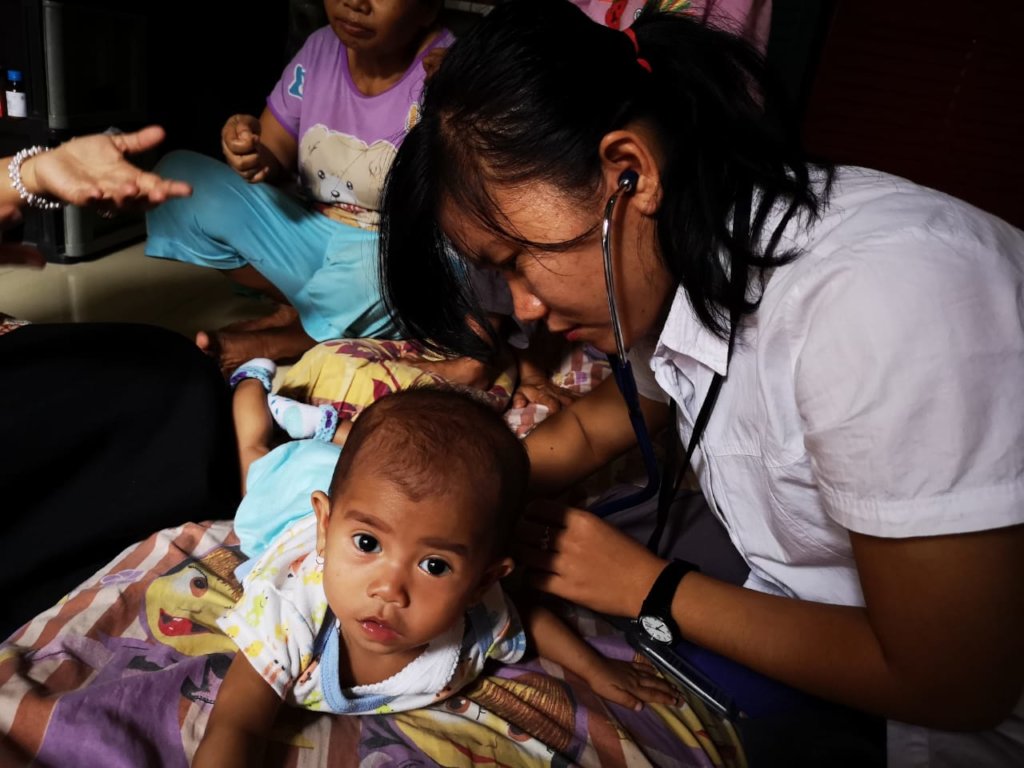
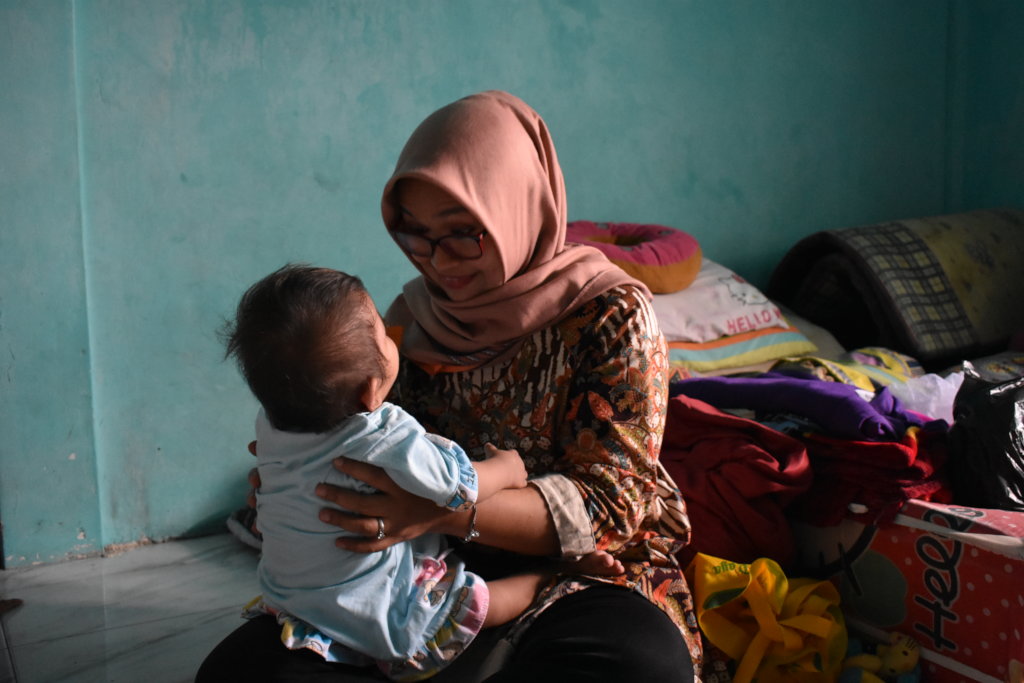
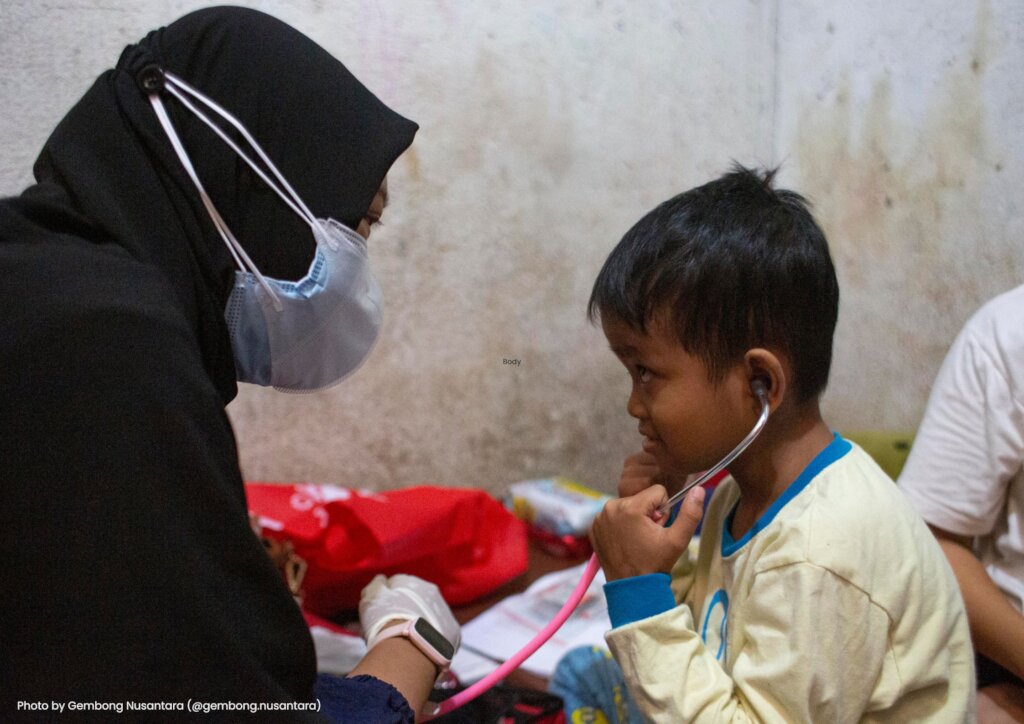
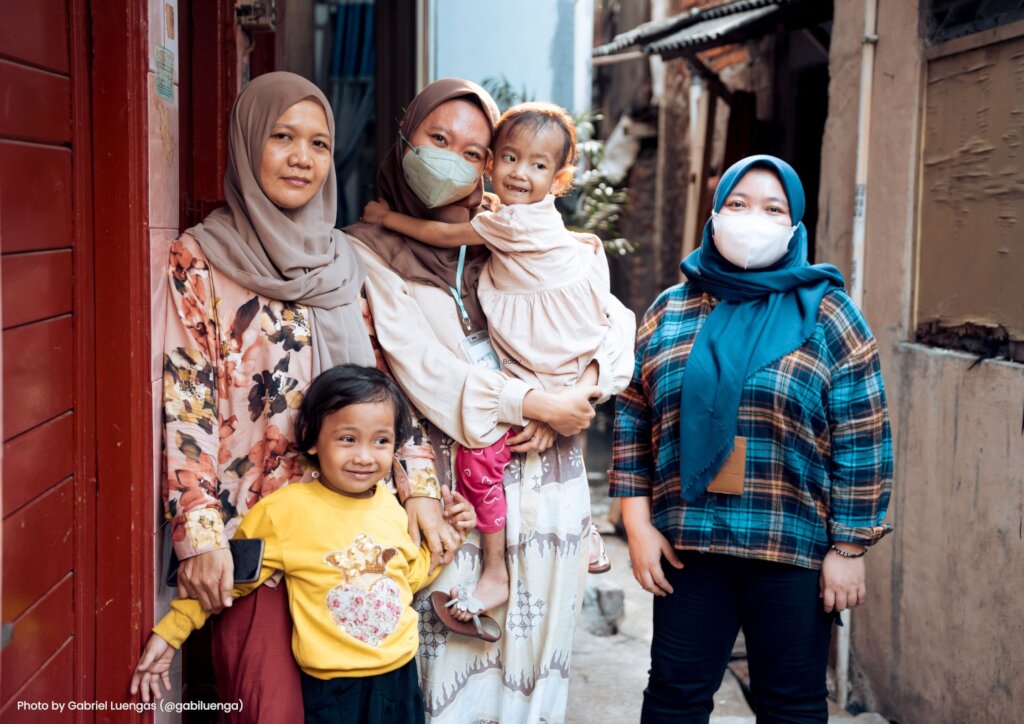
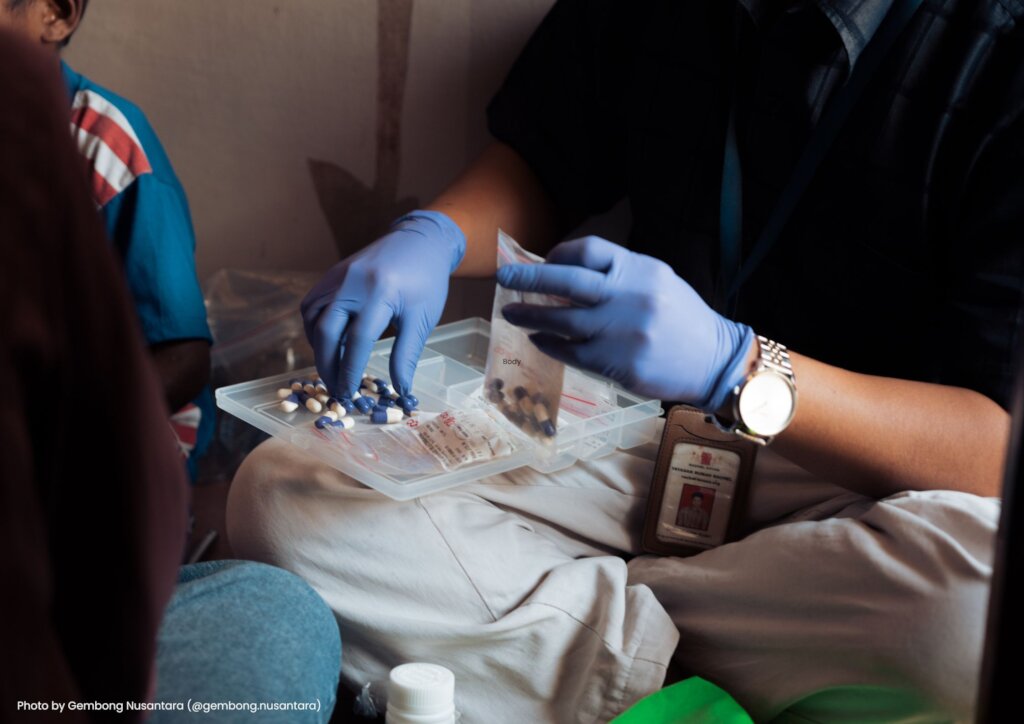
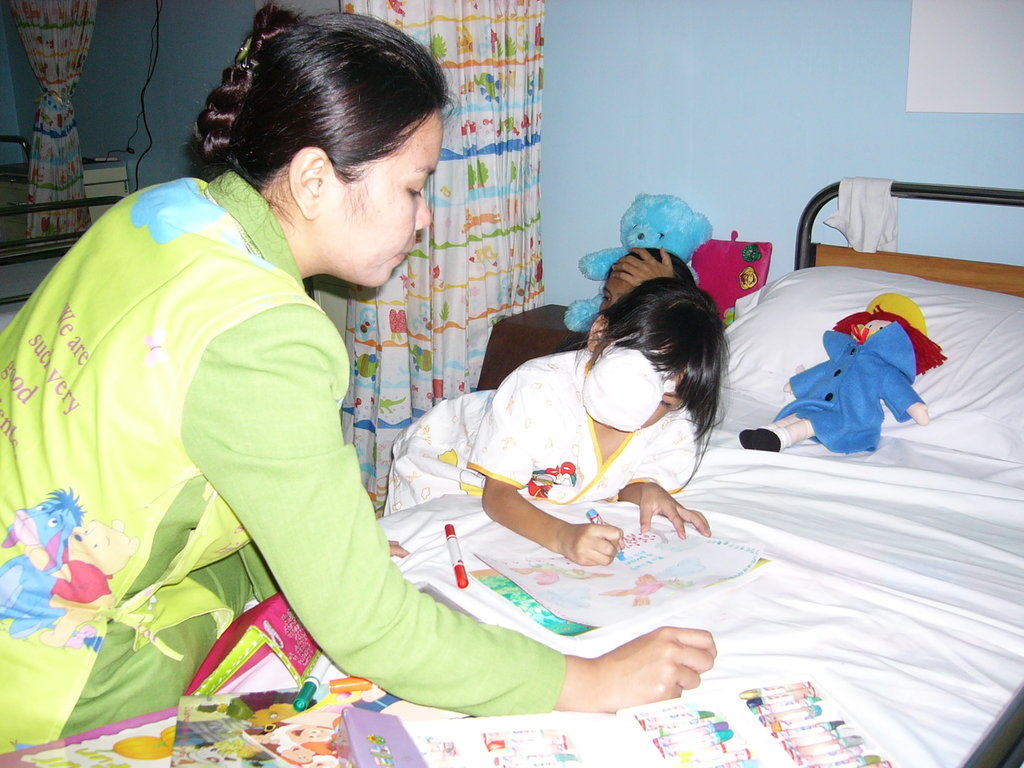
Standing alongside them are, Rachel House's nurses and community health workers, forming the web of support they need through its free home-based paediatric palliative care service. Rachel House’s involvement recognises that a child's needs do not begin and end at the hospital. Care continues at home, between appointments, and in the many practical details that make treatment possible.
The Extra Mile
Caring for a child with a serious illness requires going the extra mile in ways that others might never see.
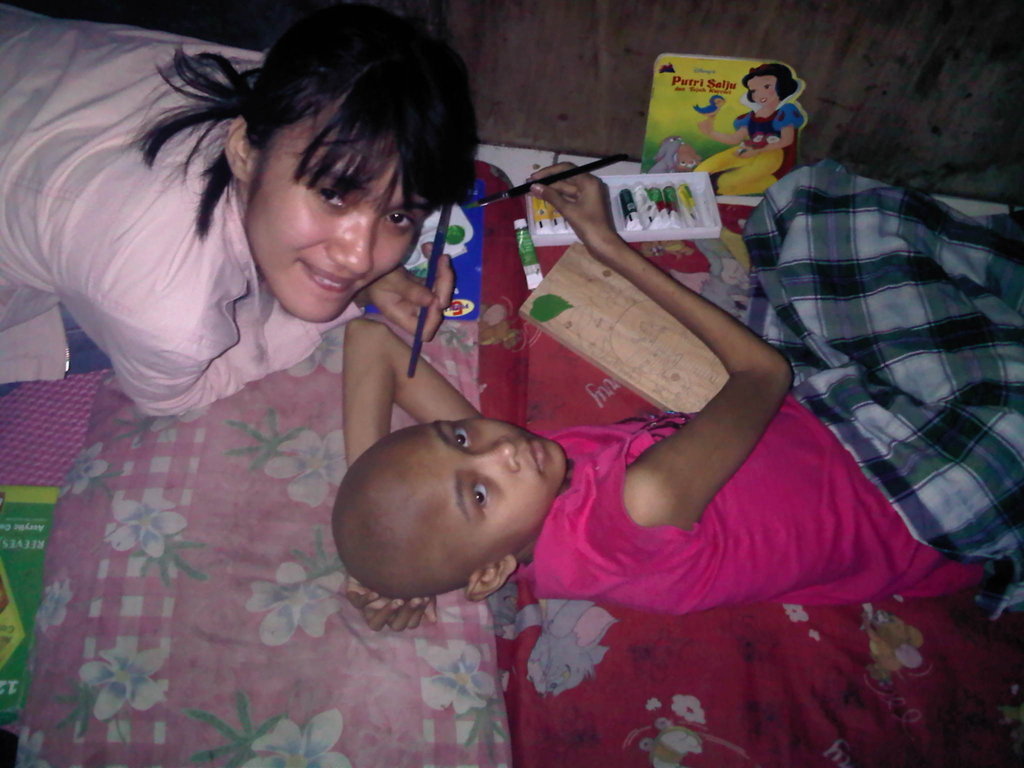
In early 2026, immediately after the amputation of his left leg when navigating the simplest task in life became a challenge, Rachel House stepped in to ease Gabriel into this next phase of his journey. Several of Rachel House’s male nurses took turns visiting him daily to bathe him, helping him maintain his dignity, while he and his sister transition into their new reality.
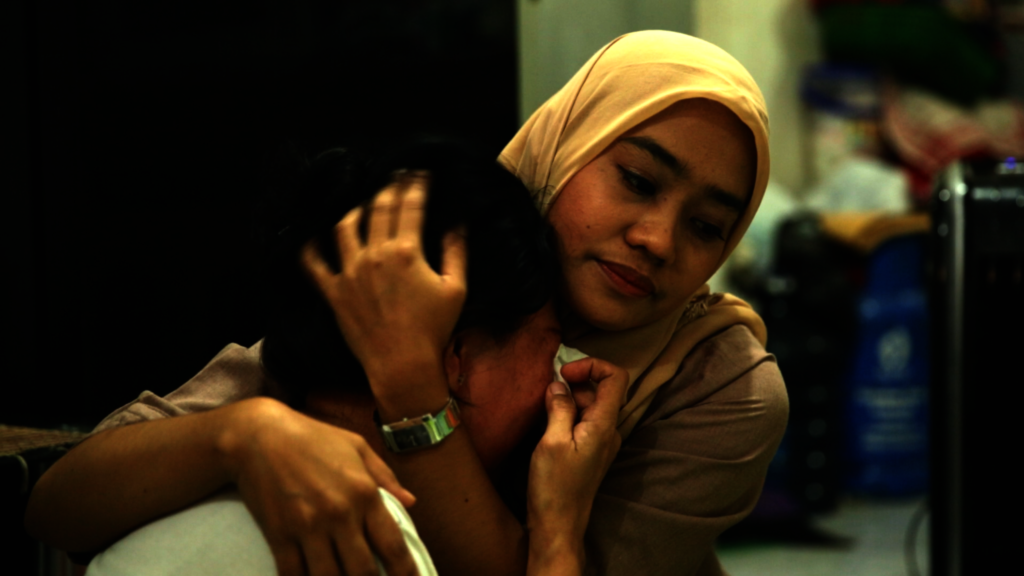
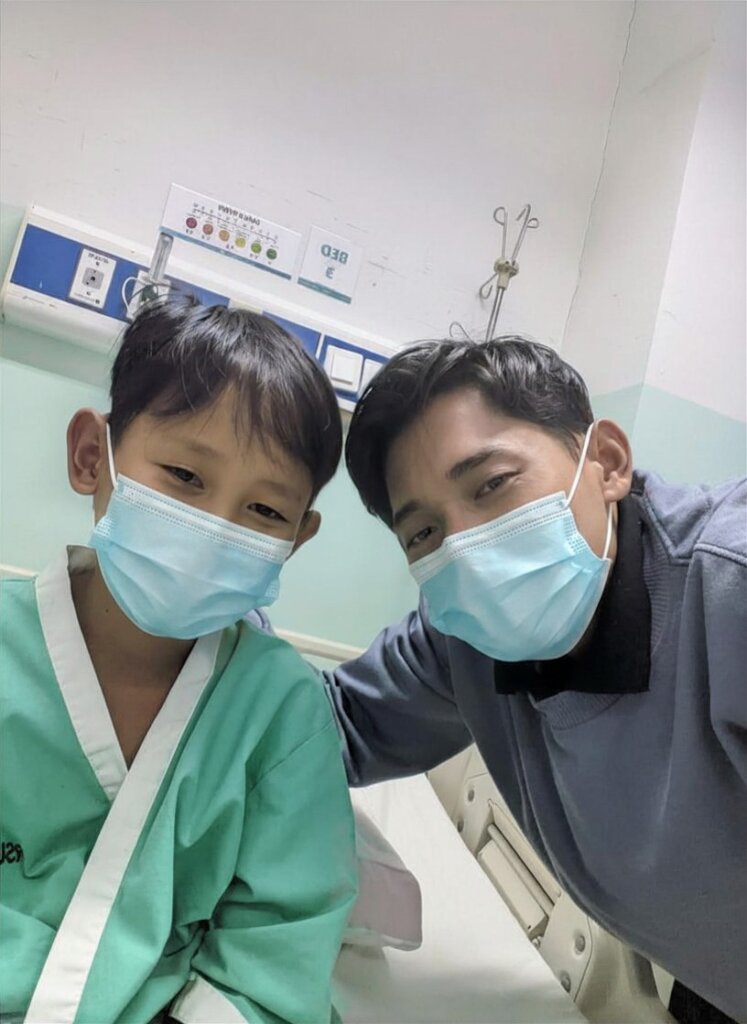
This total and comprehensive support proved vital just last month when Gabriel was hospitalised. He had developed a severe bout of diarrhea from the rigorous chemotherapy treatment and needed a change of clothes. His sister was unable to leave him, due to the hospital policy that requires a family member being present at all times. This time, Rachel House's community health worker, Hilda, stepped in promptly to help. She picked up the keys to their rented room and went to collect Gabriel’s change of clothes, sent the soiled clothes for cleaning, bought diapers, and delivered them all to the hospital. Hilda was also the person they turned to when they needed to deliver Gabriel’s blood sample from Cipto to the laboratory at Dharmais Cancer Hospital.
“I have learned to cool my body temperature to preserve the blood sample's integrity," Hilda said matter-of-factly. "I am glad I was there to help them, as I am familiar with the administrative processes in both hospitals.” she said with a smile of a doting mother - that she has become to both Gabriel and his sister.
It Takes a Village
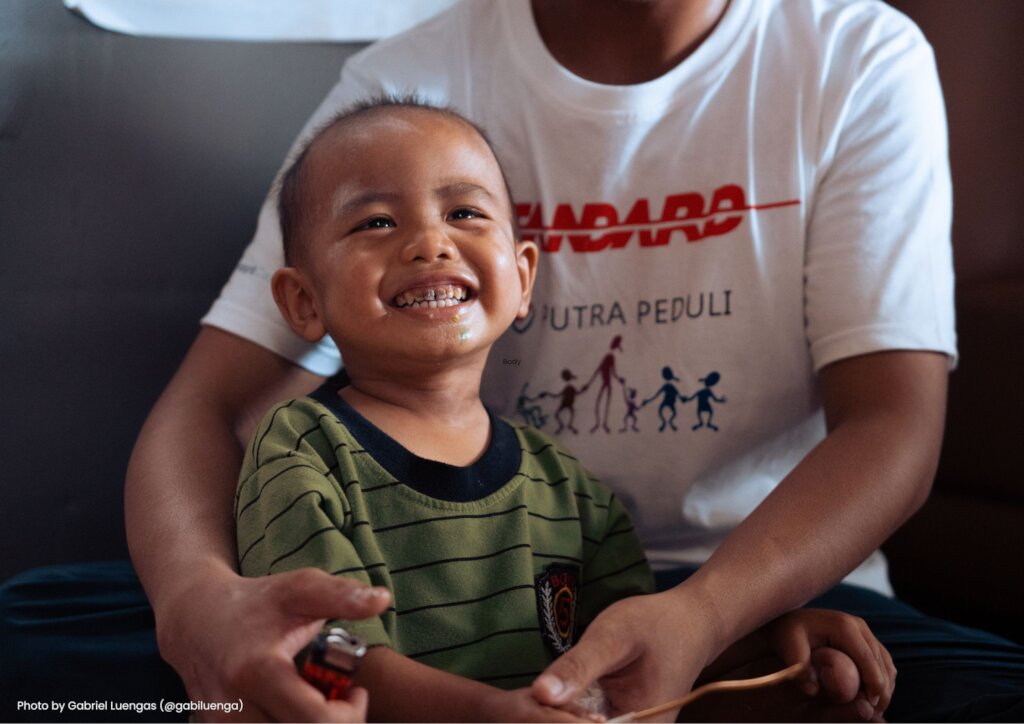
Gabriel’s experience reminds us that caring for a sick child is rarely the work of one person alone. It takes shape through the many people who show up in different ways, often beyond what their roles require. It is a hospital doctor caring about what happens when a patient goes home and referring them to homecare teams, a nurse helping bathe a child at home, a community health worker stepping in with critical logistical support, and a sister stopping her life to stay by her brother's side to help him navigate the unfamiliar and complex world of medical treatment. Each has a different role, but their efforts come together around one child.
For Gabriel, this network of care matters even more as his medical journey becomes increasingly uncertain. The latest medical assessment a month ago revealed a fast growing solid mass on his breastbone, a metastasis that sadly means that the cancer has not responded well to the chemotherapy treatment. Despite this difficult news, Gabriel wishes to battle on and complete the remaining 12 cycles of chemotherapy.
No one person can remove all the difficulties Gabriel and his family face. His sister cannot be expected to know or manage everything on her own. His mother cannot be physically present while working to support the family from Jayapura. And medical treatment alone cannot address every challenge that comes with living with a serious illness far from home.
This is why having people who care around Gabriel now matters.
Through Rachel House's free home-based paediatric palliative care service, his care is shared among people who work alongside his family and the hospital team. Their support does not take away the uncertainty of his illness, but it helps ensure that the responsibility of navigating this journey does not rest on Gabriel and his family alone.
It takes a village to care for a child with a serious illness. Not because any one person is unable to do enough, but because no family should have to carry everything by themselves.
For Gabriel, that village is made up of the people who continue to show up, each in their own way, to help care for him and support his family through the journey ahead.
By Muhammad Berlian | Communications and Fundraising Officer
By Moza Adilen | Communications and Fundraising Officer
Project reports on GlobalGiving are posted directly to globalgiving.org by Project Leaders as they are completed, generally every 3-4 months. To protect the integrity of these documents, GlobalGiving does not alter them; therefore you may find some language or formatting issues.
If you donate to this project or have donated to this project, you can receive an email when this project posts a report. You can also subscribe for reports without donating.



Support this important cause by creating a personalized fundraising page.
Start a Fundraiser