By Yvonne Capehart Weah | Project Leader, Co-Director WE-CARE Foundation
Family Literacy Initiative (FLI) / HIPPY Program
GlobalGiving Progress Report
Reporting Period: July – October 2026
Program Implementation
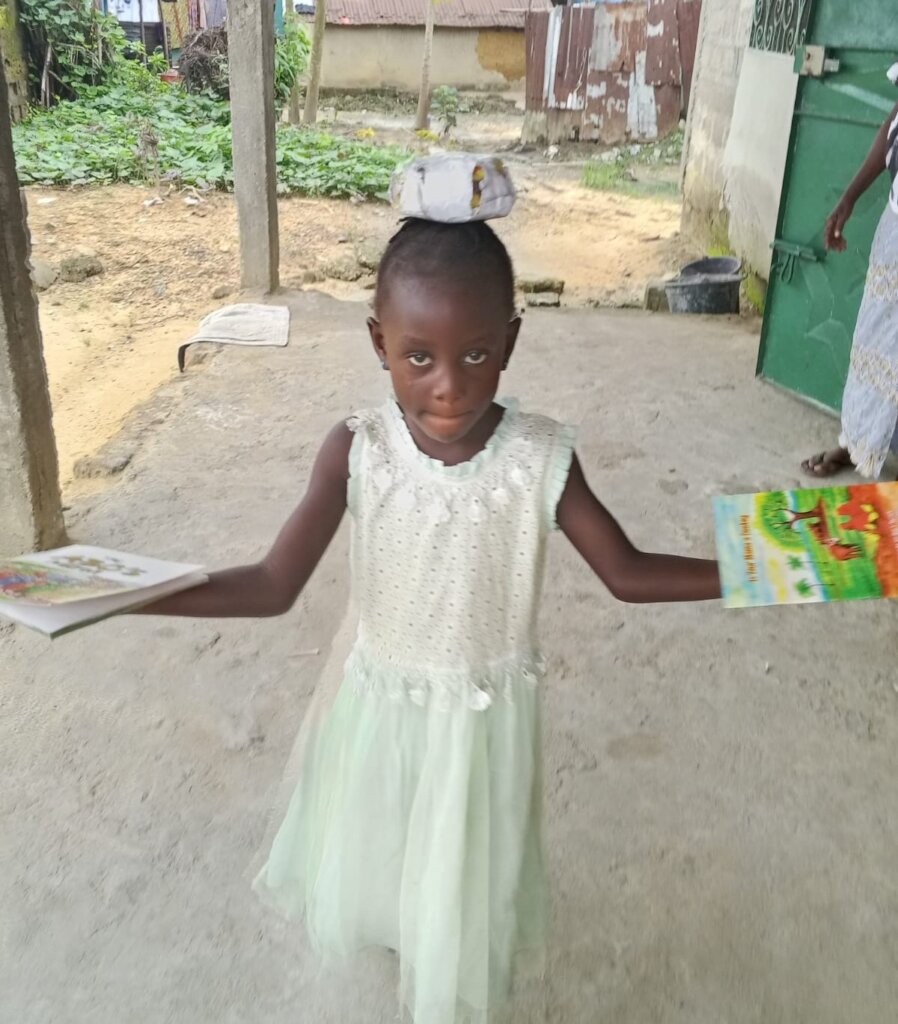
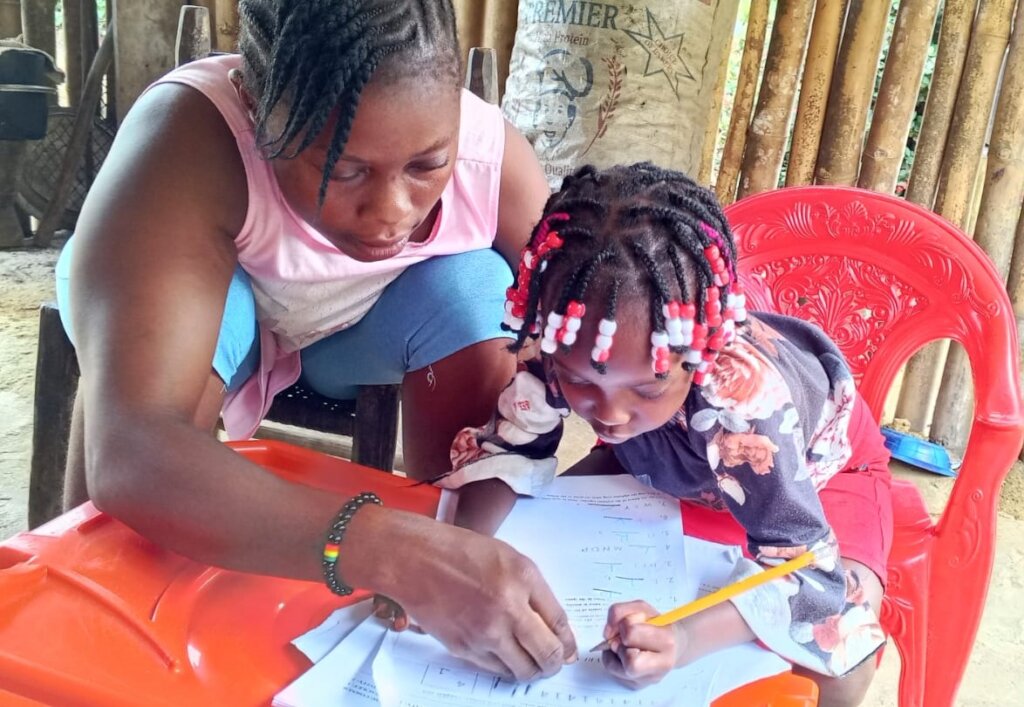
The Family Literacy Initiative (FLI) is a home-based early childhood education program dedicated to strengthening early childhood development, improving literacy and learning outcomes, and ensuring children enroll in formal school at the appropriate age.
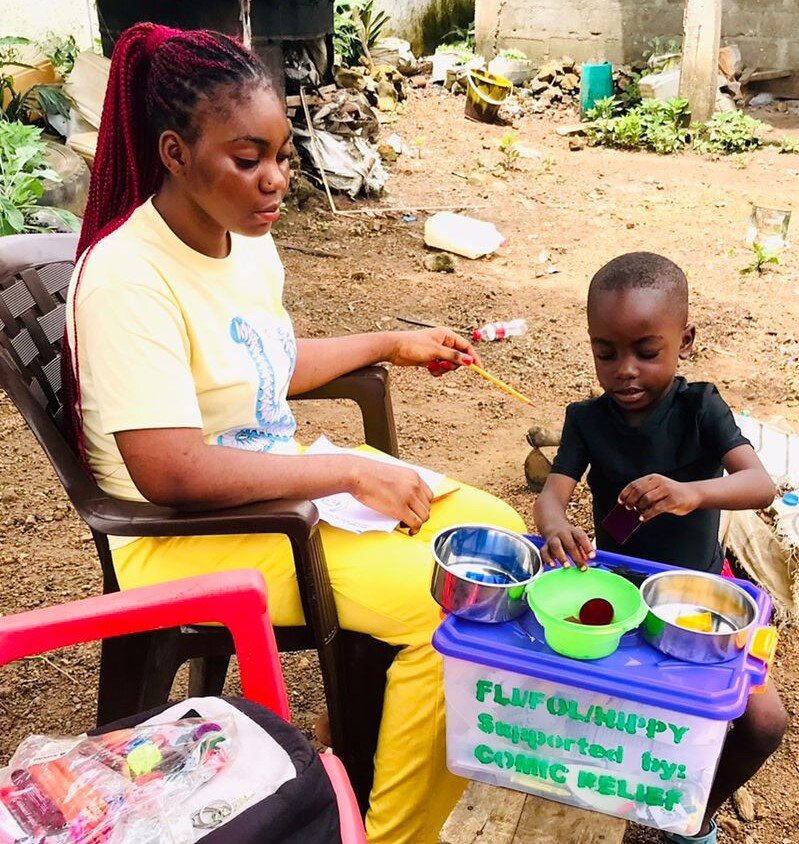
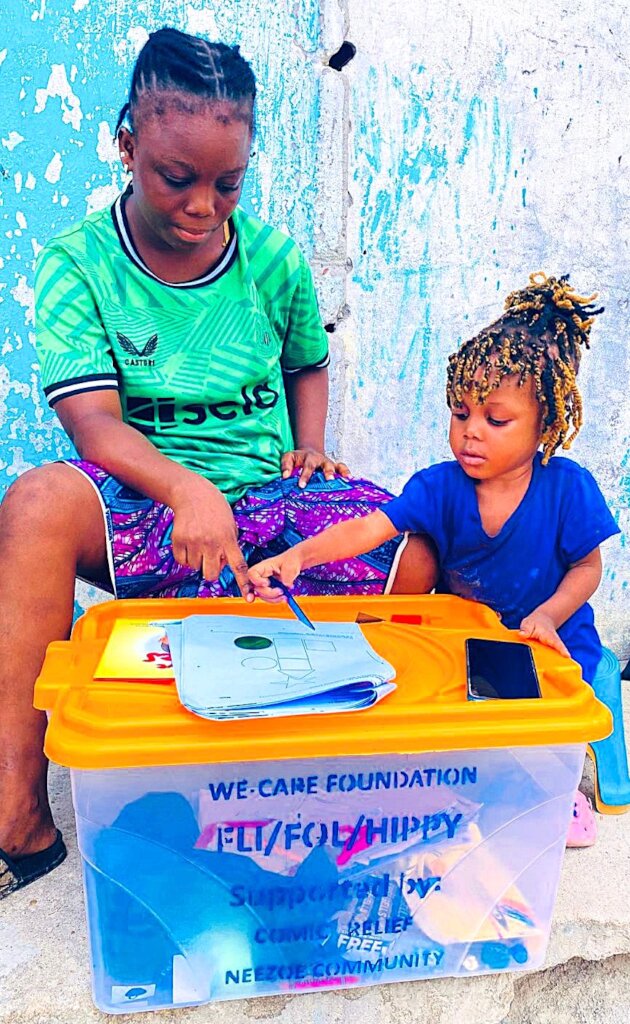
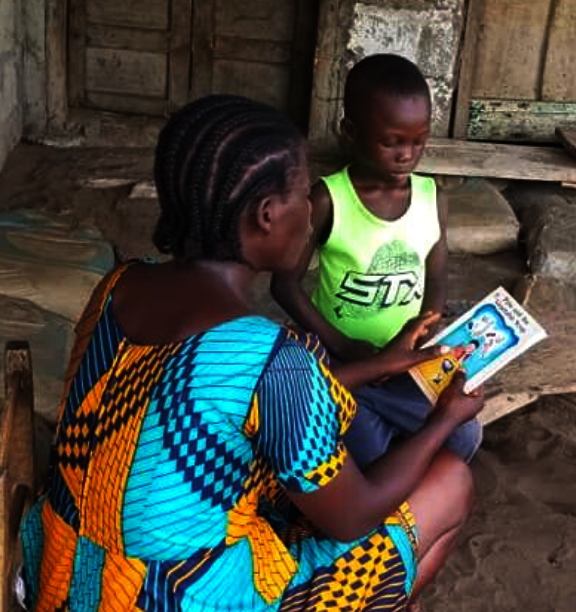
During this reporting period, 355 parents successfully developed the foundational skills needed to teach their children at home, actively preparing them for academic success. Additionally, an additional 129 children living within these participating households benefited indirectly from the program. Through structured home visits and lesson roleplaying facilitated by 25 trained Home Visitors, families completed curriculum requirements across five core learning domains: Motor Skills, Literacy and Language, Science, Mathematics, and Socio-Emotional Development. These lessons targeted essential foundational skills and concept development for children aged 3 to 5.
Child Assessment and Learning Outcomes
To track academic progress, FLI conducted learning assessments at Week 10 and Week 20. A total of 224 participating children were evaluated, providing critical data to identify areas needing reinforcement.
Year 1 Assessments (106 Children Assessed):
The Year 1 curriculum focuses on shape and color recognition, personal hygiene, counting, fine motor control, body part recognition, and introductory writing (the first four letters of the alphabet and the first letter of their name).
Years 2 and 3 Assessments (118 Children Assessed):
Advanced assessments focused on book knowledge, shape and color recognition, independent writing, and phonics.
The upcoming Week 30 assessments will provide further comprehensive data on cumulative child progression.
Monitoring and School Enrollment
FLI Coordinators and Supervisors maintained consistent field monitoring across all target communities to ensure high-fidelity lesson delivery and active parental engagement. Field observations confirmed encouraging development across both parent and child cohorts. During these monitoring visits, supervisors verified that 170 program children are currently enrolled in formal schools, while 129 additional siblings are capitalizing on the program materials and trained environments at home.
Adult Literacy Program (ALP)
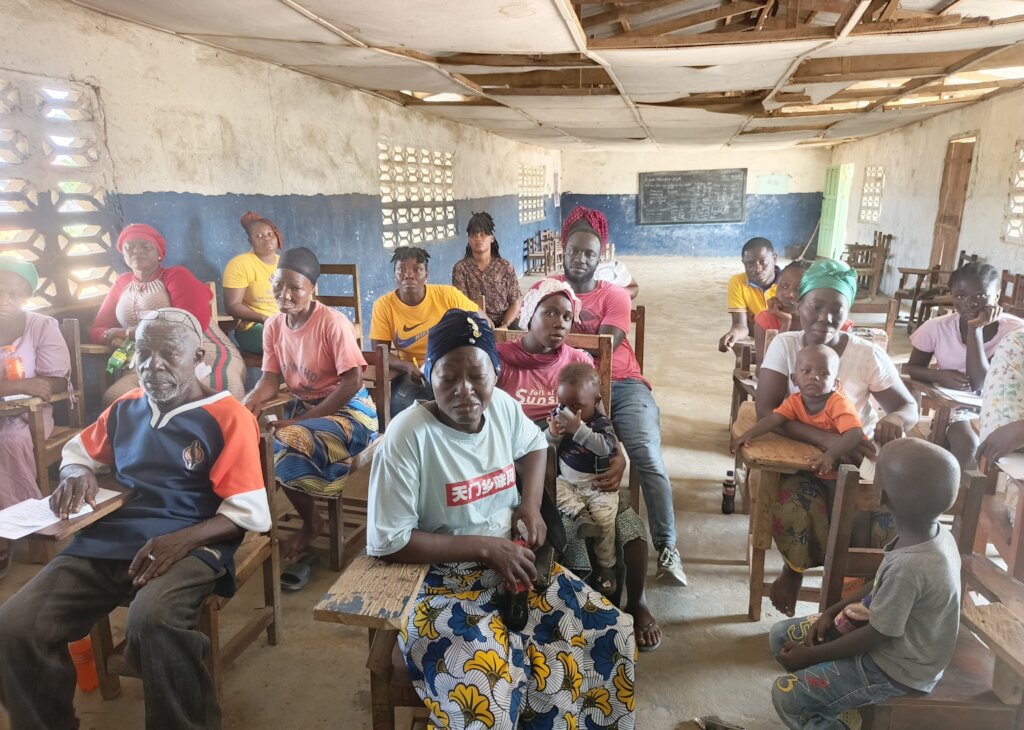
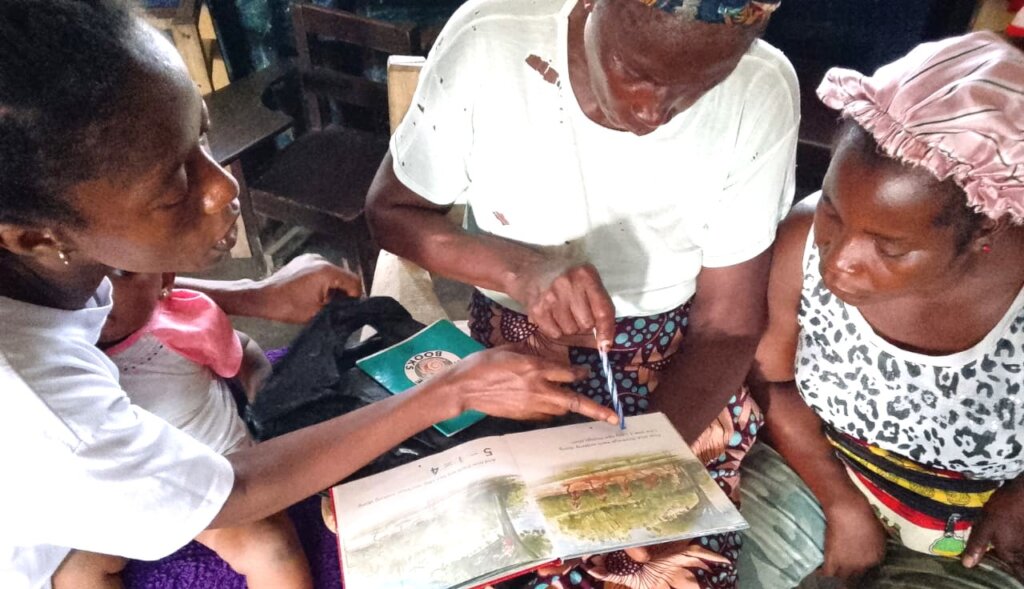
To support illiterate or low-literacy caregivers, FLI continued delivering weekly adult literacy classes across four target communities. To cultivate sustainable reading habits and boost learner confidence, FLI launched a targeted Reading Campaign and Competition. This initiative successfully fostered peer-to-peer learning and enhanced writing proficiency.
In the Careysburg and Caldwell communities, 48 adult learners maintained good attendance and participation rates. These learners have progressed to a Grade 2 reading level and can now write text responses to SMS digital messages. Celebrating International Literacy Day, several adult learners publicly demonstrated their newly acquired reading and writing skills before a live audience, showcasing immense personal and community pride.
Women’s Economic Empowerment (FLIWEE)
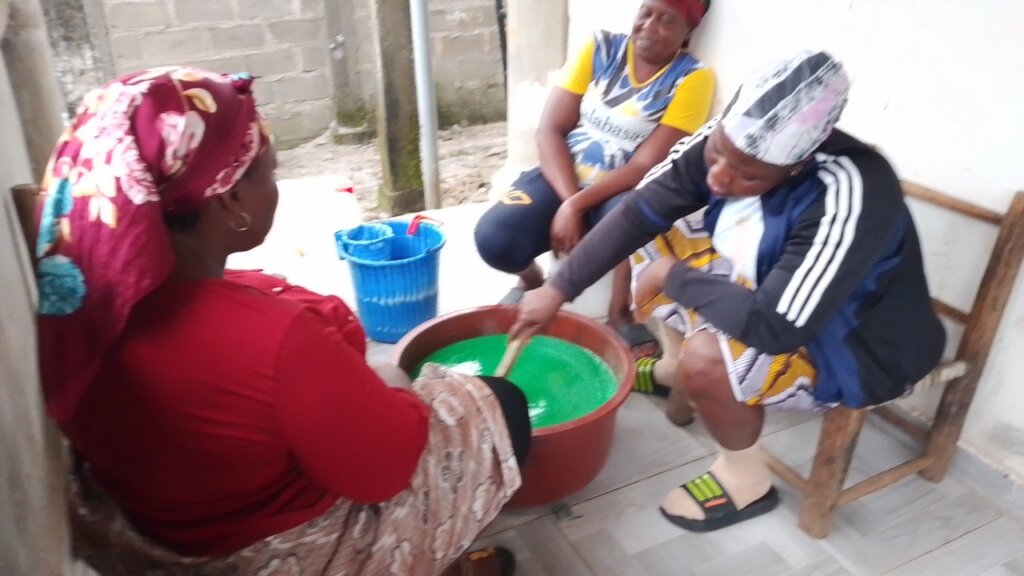
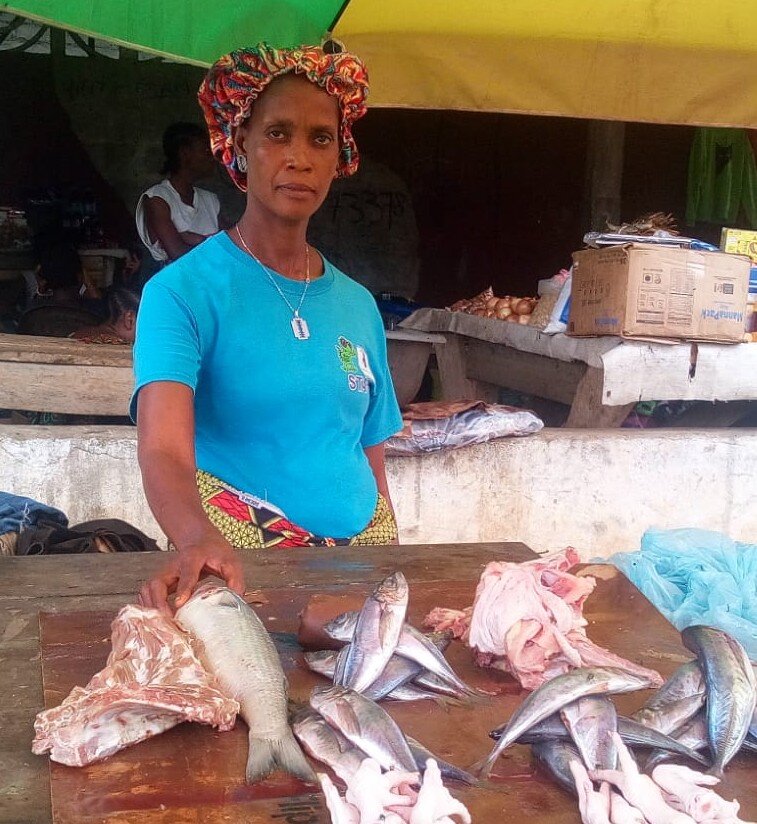
The FLI-Women Economic Empowerment (FLIWEE) initiative continues to drive financial independence for mothers through specialized skills training:
To amplify this impact, Growth Lab Liberia facilitated an intensive five-day financial literacy training for FLI's adult literacy teachers. This specialized curriculum focused on sustainable behavior changes tailored to low-literacy demographics, including:
This training successfully built the capacity and instructional confidence of ALP teachers, empowering them to effectively pass these critical financial management skills on to their adult learners.
Conclusion
This reporting period highlights the multi-generational impact of the FLI and HIPPY frameworks, demonstrating that empowering caregivers is the most sustainable pathway to community development. By intertwining early childhood education with adult literacy and targeted economic support for women, the initiative creates a resilient ecosystem where both parents and children thrive. The steady progress in child assessment scores, formal school enrolments, and adult literacy milestones underscores the success of these programs. As FLI moves toward the Week 30 milestones, we extend our deepest gratitude to our GlobalGiving donors, whose continued investments drive sustainable, life-changing transformations for families across Liberia. We will lose grant funding from Comic Relief US in 2027 and anticipate having to cut back programming. We ask you to consider increasing your support to help us overcome income shortfalls in 2027.
Links:
By Yvonne Capehart Weah | Project Leader, Co-Director WE-CARE Foundation
By Dr. Yvonne Capehart Weah | Project Leader
Project reports on GlobalGiving are posted directly to globalgiving.org by Project Leaders as they are completed, generally every 3-4 months. To protect the integrity of these documents, GlobalGiving does not alter them; therefore you may find some language or formatting issues.
If you donate to this project or have donated to this project, you can receive an email when this project posts a report. You can also subscribe for reports without donating.



Support this important cause by creating a personalized fundraising page.
Start a Fundraiser