By So Yeong Bae | fundraising manager
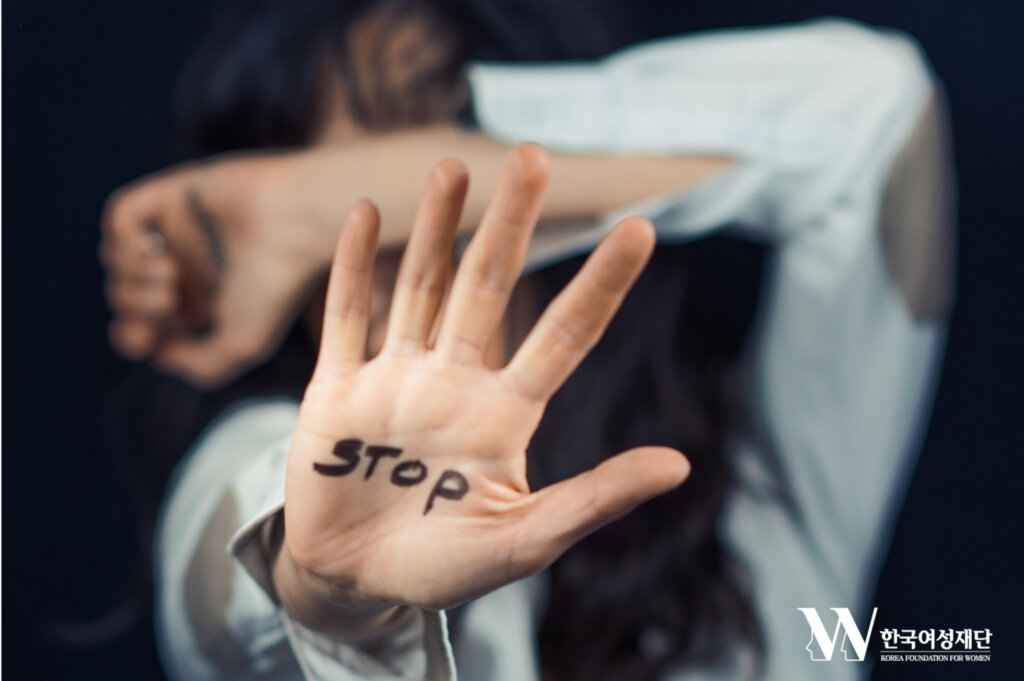
Violence does not always look the same. Some forms are visible and physical, while others can be harder to recognize—hidden behind the language of love and care, embedded in online spaces, or reinforced by the cultures and systems around us.
In 2026, the Korea Foundation for Women’s S.O.S Fund supported work that went beyond helping survivors recover after violence. Our partners also focused on recognizing warning signs earlier, preventing harm, and creating safer relationships and environments.
Rethinking the Line Between Love and Violence
Jinju Womenlink examined violence in intimate relationships among university students in the Gyeongsangnam-do region using both quantitative and qualitative research. The team reviewed existing survey findings from university human rights centers to better understand patterns and perceptions of gender-based violence. They also conducted focus group discussions and individual interviews to hear about experiences that surveys alone could not fully capture.
Students joined the project planning team, helped develop interview questions, and took part in the research itself. The study included the perspectives of both female and male students, bringing a wider range of experiences and views into the conversation.
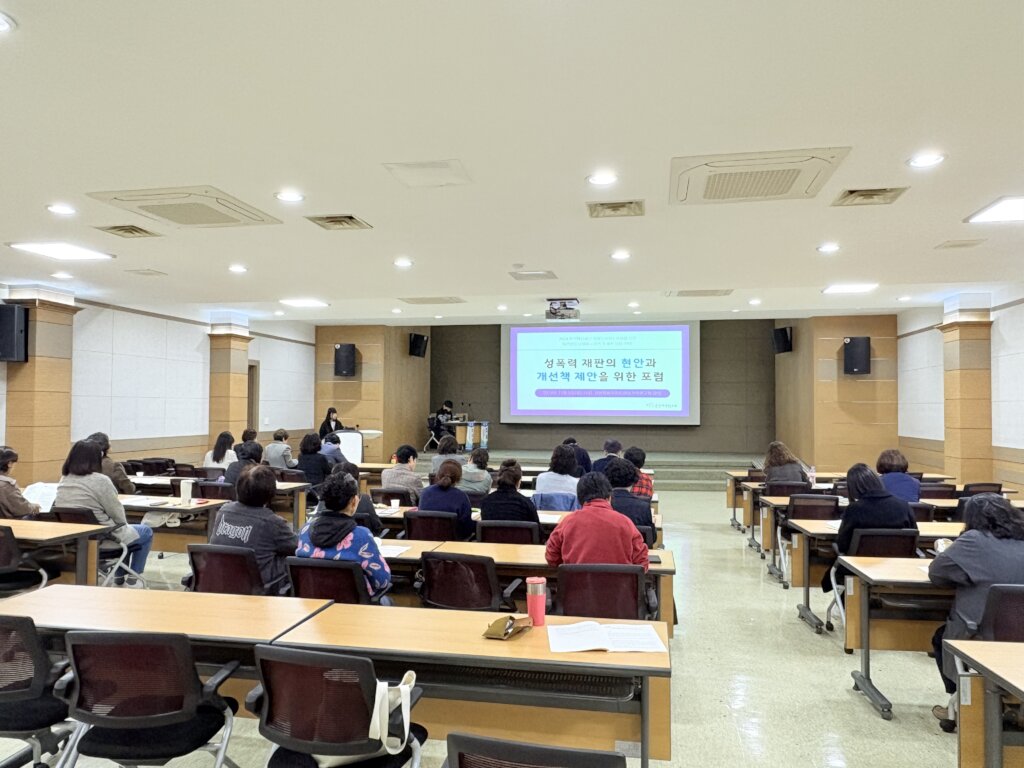
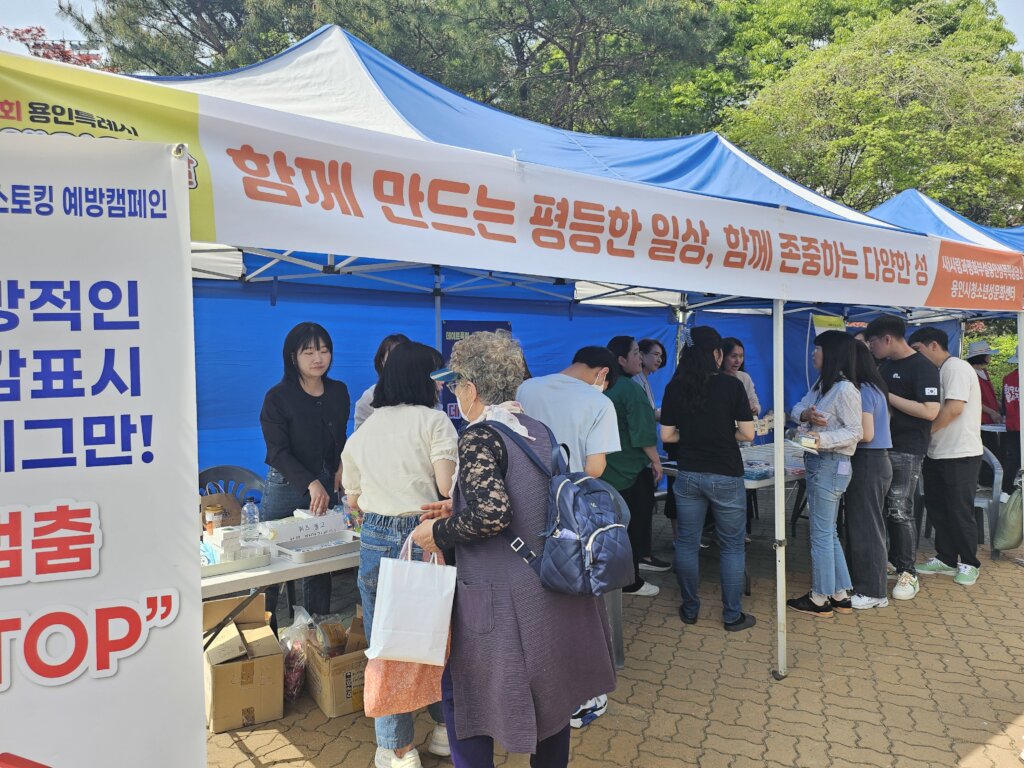
The organization also held three lectures and awareness campaigns on intimate partner violence at universities. Drawing on the research findings, it later brought experts together to discuss how local communities could strengthen prevention efforts and better support survivors.
By involving students throughout the research process and combining existing data with first-hand accounts, the project moved beyond simply documenting the issue. It also created a foundation for discussing practical responses within universities and the wider community.
Helping Young People Recognize Harm in Digital Spaces
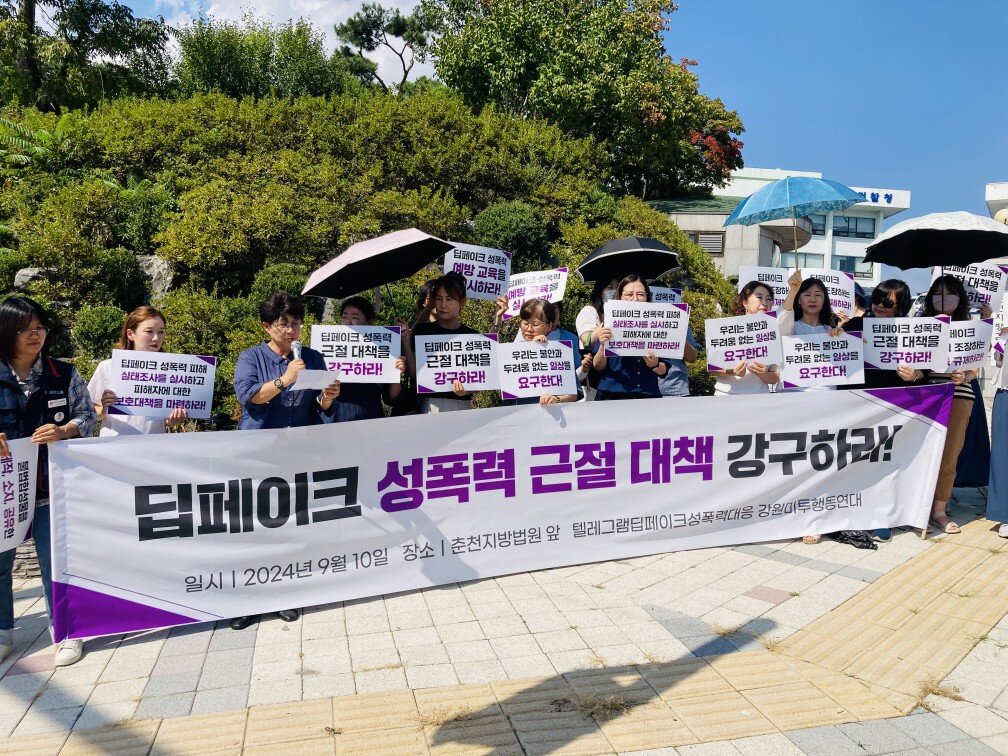
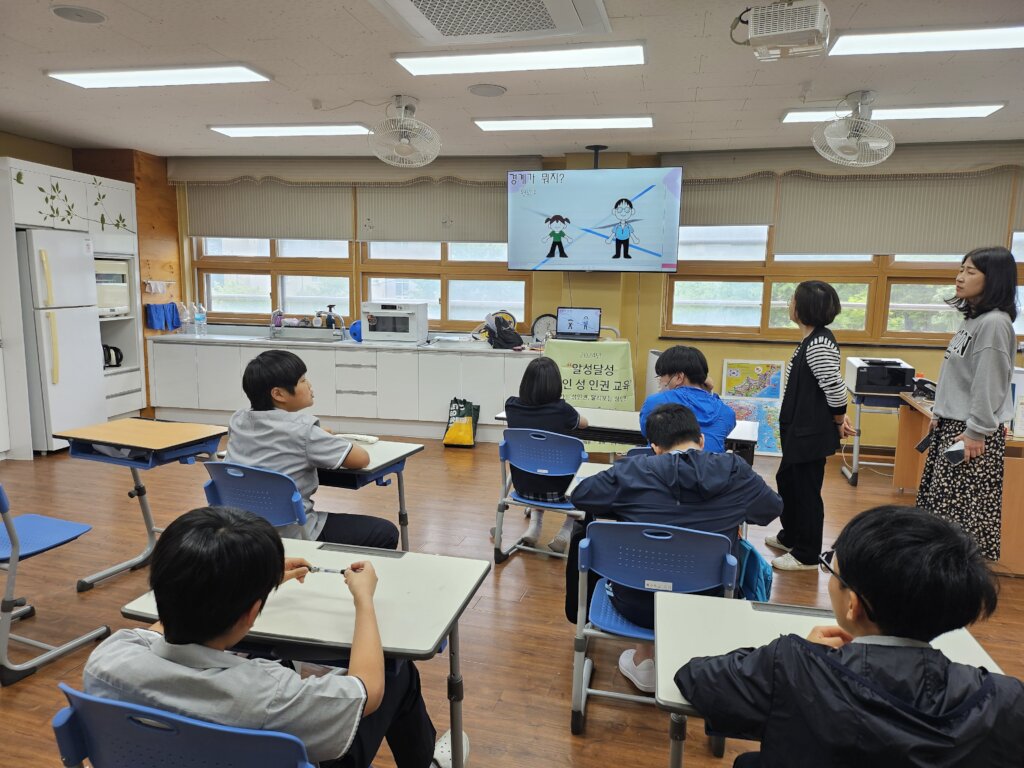
Dongbuk Womenlink provided education for young people on digital sexual violence, including online grooming, sextortion, and deepfake abuse. Participants learned how these forms of harm occur, what to do when someone is targeted, and how they can contribute to safer online spaces.
The organization also worked with parents and caregivers, offering sessions on young people’s online culture, hate and violence in digital spaces, and ways adults can respond and intervene.
This approach treated digital safety as a shared responsibility rather than something children and teenagers must manage on their own. Parents, caregivers, and the wider community were invited to play an active role in preventing harm.
Changing How Communities and Institutions Respond
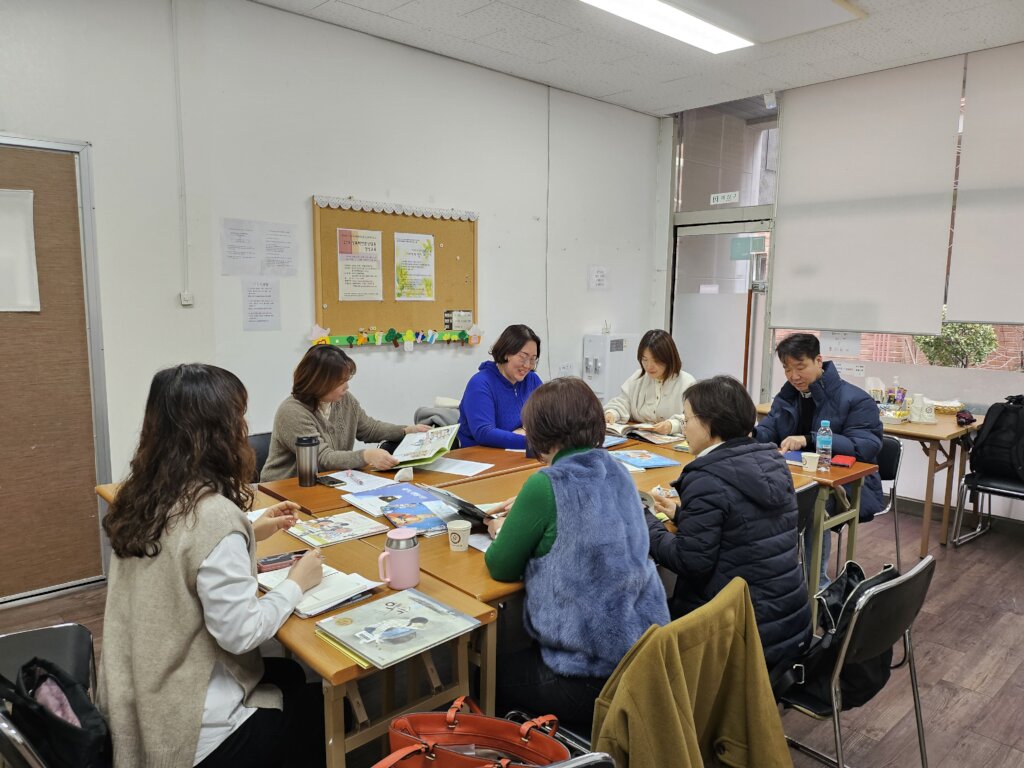
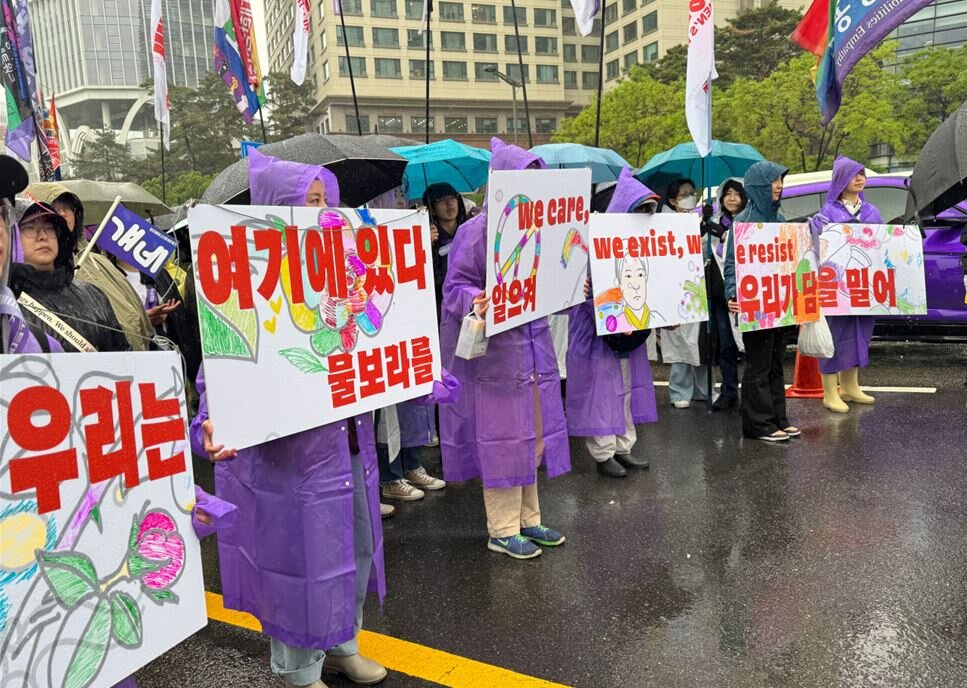
The Christian Anti-Sexual Violence Center held public discussions with church members and used their experiences and feedback to develop Pyeongan, a practical workbook on preventing and responding to gender-based violence. Through real-life scenarios, the workbook encourages conversations about power and hierarchy, consent and boundaries, and how a community can respond when violence occurs.
The Women Migrants Human Rights Center of Korea documented the discrimination that migrant women who have experienced violence can face when navigating police investigations, courts, immigration procedures, and other public systems. The project later moved into video production, creating another way to make these often overlooked barriers visible to a broader audience.
Meanwhile, the Gyeongnam Women’s Human Rights Support Center worked to preserve the history of a former red-light district and the experiences of women whose lives were shaped by it. Through guided walks, oral histories, and archival work, the organization created opportunities for community members to reflect on the structural conditions behind sexual exploitation, even after the physical district had disappeared.
These five projects took place in very different settings, but they were connected by the same purpose: helping people recognize violence earlier and building environments where it can be prevented and addressed more safely.
Thank you to everyone who has supported this work and helped make relationships, communities, and systems safer and more equitable.
Project reports on GlobalGiving are posted directly to globalgiving.org by Project Leaders as they are completed, generally every 3-4 months. To protect the integrity of these documents, GlobalGiving does not alter them; therefore you may find some language or formatting issues.
If you donate to this project or have donated to this project, you can receive an email when this project posts a report. You can also subscribe for reports without donating.



Support this important cause by creating a personalized fundraising page.
Start a Fundraiser