By Cheyenne Samson | Project leader
Greetings, GlobalGiving friends!
It’s been a while, but boy, have we been busy!
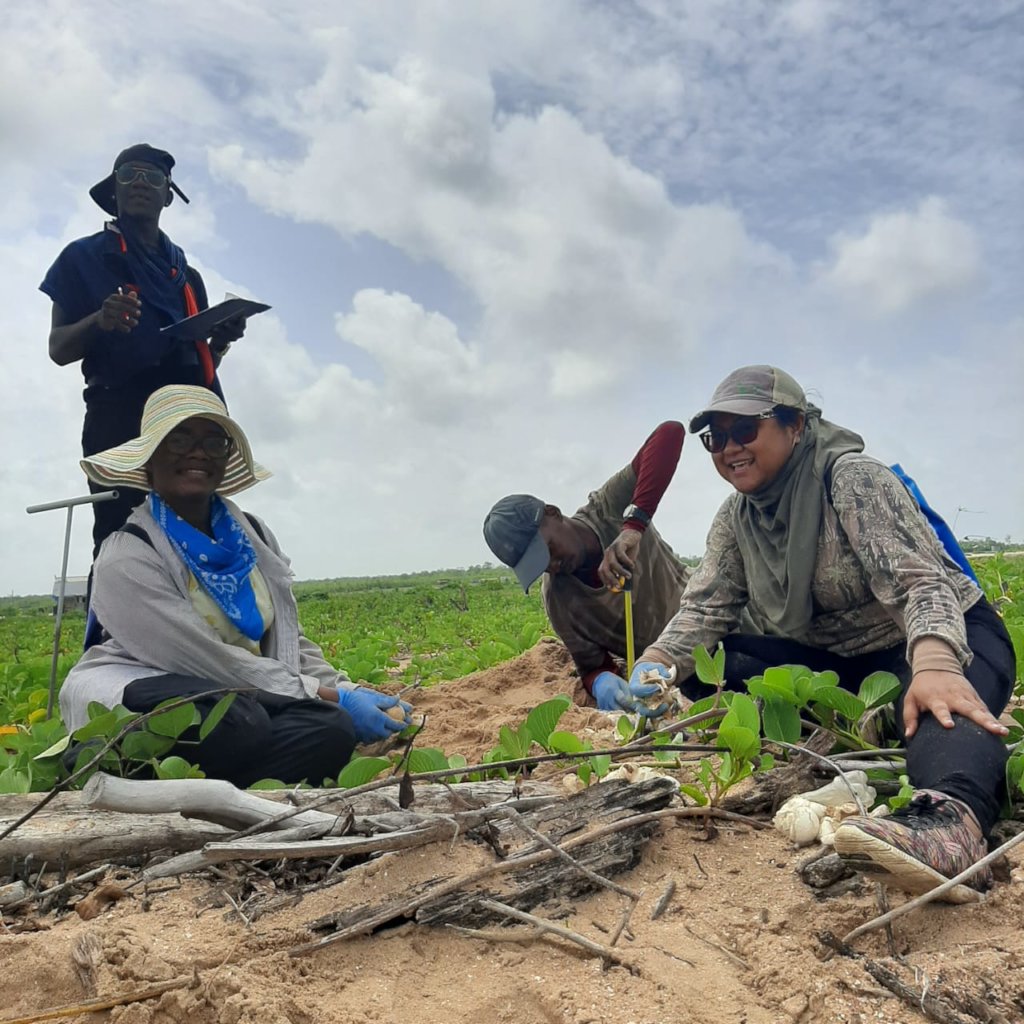
For World Cleanup Day, our team headed to Galibi, one of Suriname’s important sea turtle nesting areas, and managed to remove over 418 kg of waste from the nesting beaches!
A large part of the waste consisted of discarded fishing nets. These are particularly problematic, not only because they are made of plastic and can trap other pieces of waste, creating even bigger accumulations of debris, but also because they pose a direct threat to sea turtles.
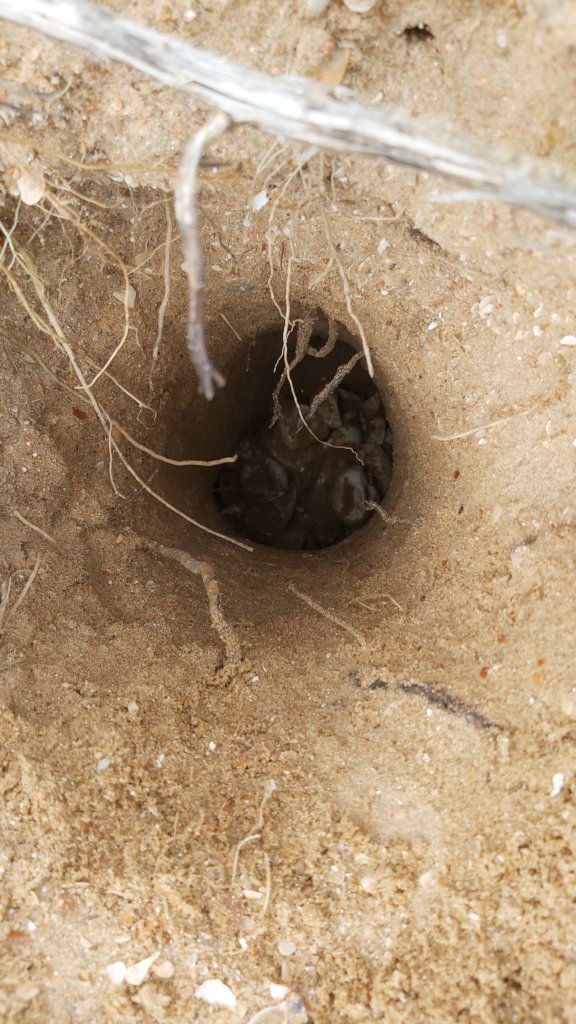
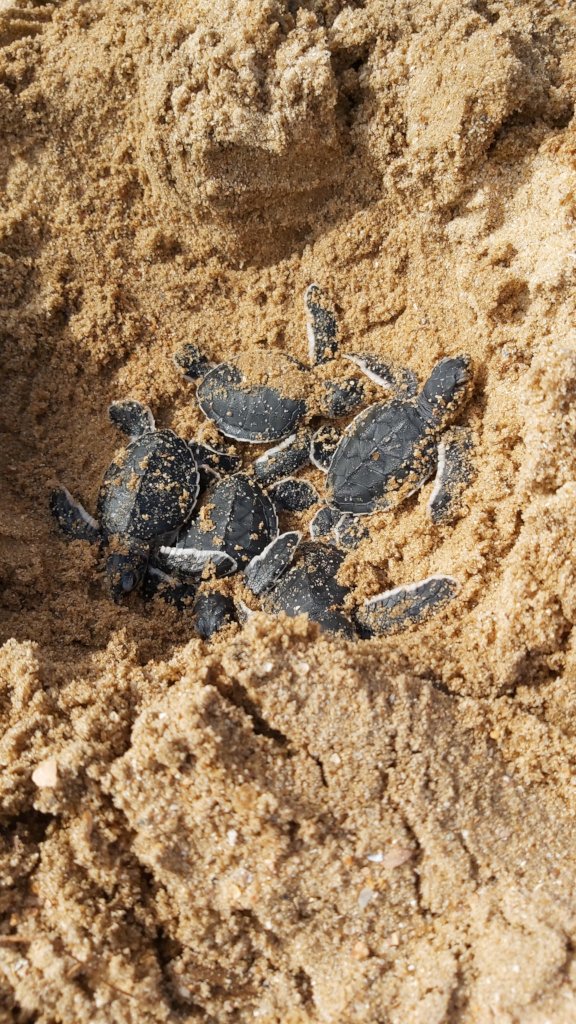
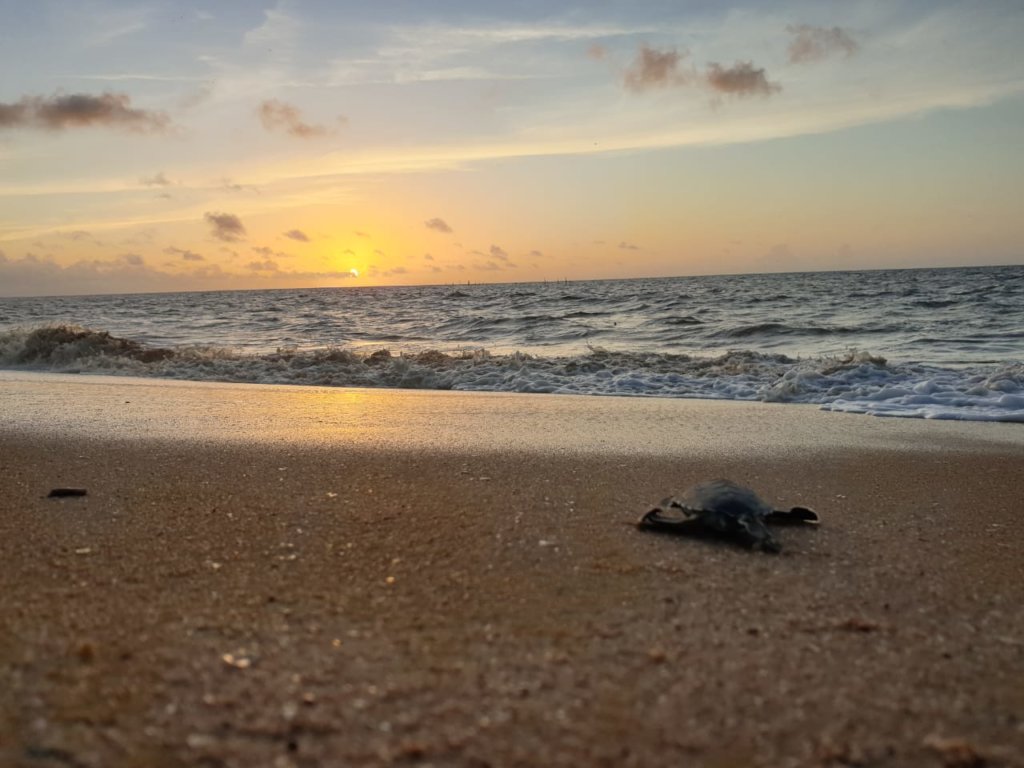
Imagine being a tiny sea turtle hatchling, making your way out of the nest and towards the ocean, only to get caught in a discarded fishing net. Adult sea turtles face challenges too. When females come ashore to lay their eggs, they need to dig a deep enough nest in the sand. Now imagine finding what seems to be the perfect nesting spot, starting to dig, only to encounter a thick fishing net that you simply cannot get past. You have no choice but to abandon the spot and start all over again!
Removing these nets is no easy task either. They are large, heavy, covered in sand and often tangled with other debris washed ashore. It takes quite a bit of effort to get them off the beach, but our team was determined, and we got the job done!
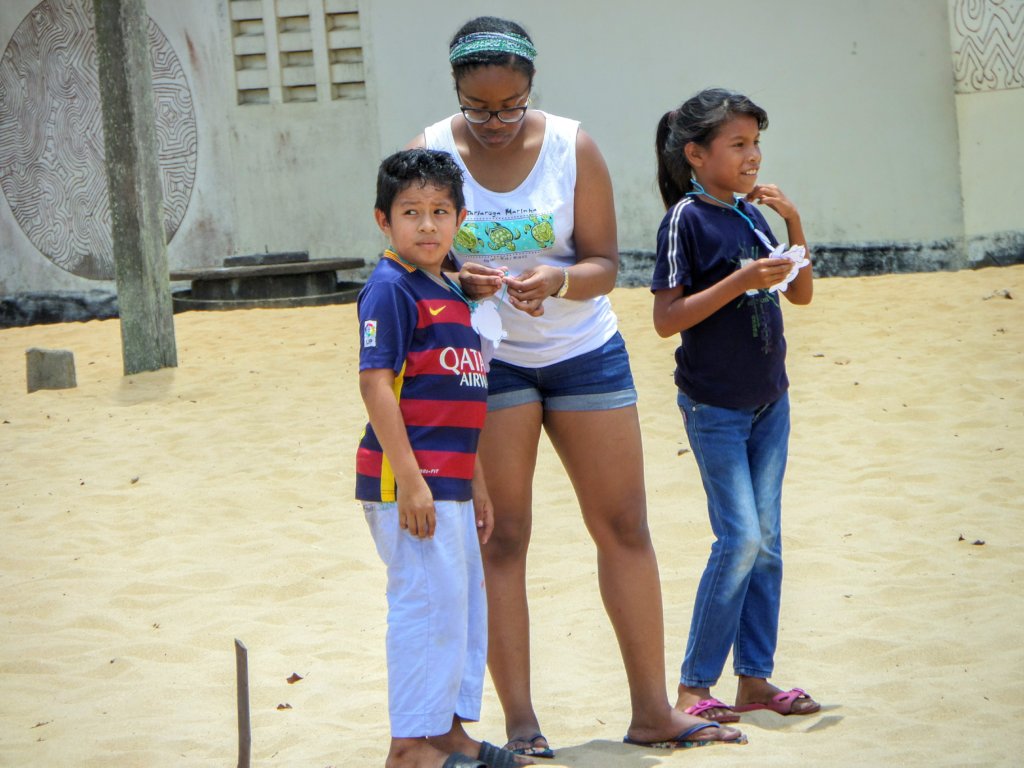
The cleanup didn't stop at the nesting beaches. In the village, the children joined us in collecting waste along the beach, and together we managed to fill 70 bags of trash! It was wonderful to see the children actively participating and taking responsibility for keeping their environment clean.
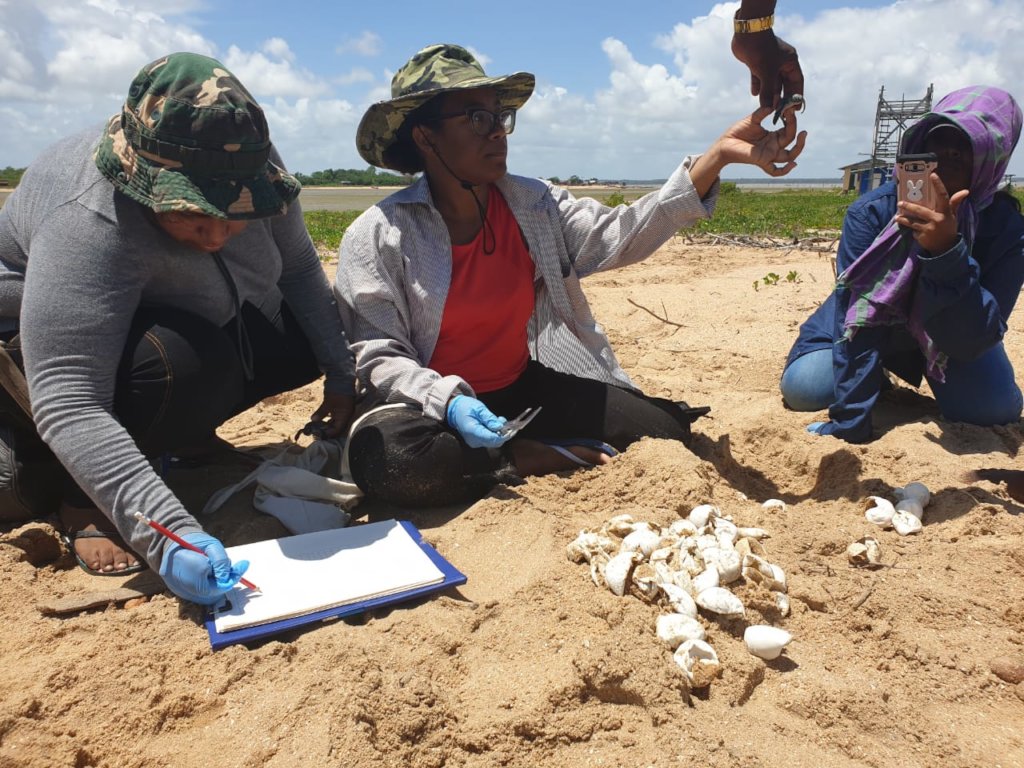
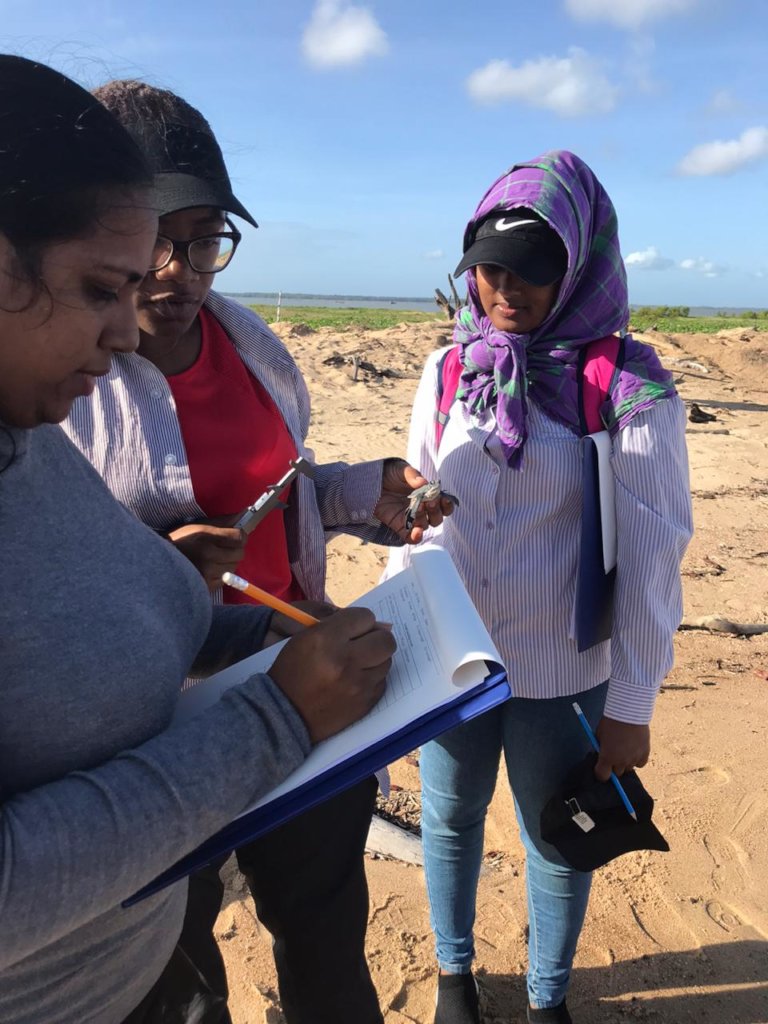
This year, however, we decided to take things a step further. Instead of simply collecting and removing waste, we also wanted to learn more about what was ending up on the beaches. For the first time during our Galibi cleanup, we used a Standard Operating Procedure (SOP) to collect data and characterize the waste we found.
This SOP was developed through the PROMAR project in Suriname. Its purpose is to encourage organizations and individuals who organize cleanups to go beyond simply counting bags and collecting waste. By documenting and analyzing the types of waste collected, we can better understand where pollution comes from and identify the items that contribute most to the problem.
Following the SOP, our team randomly selected 20 bags for waste characterization, of which 10 were selected for a more detailed analysis.
The information collected will be added to the national waste database established through the PROMAR project. This database can help policymakers identify pollution trends, understand the types of waste affecting specific areas and develop more targeted solutions. In other words, the trash we collected can tell us a lot about the pollution problem, and the data we gather today can help create cleaner nesting beaches for sea turtles tomorrow!
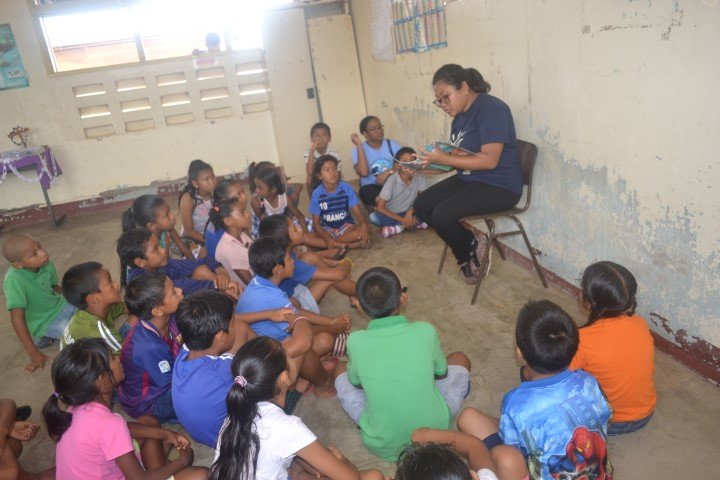
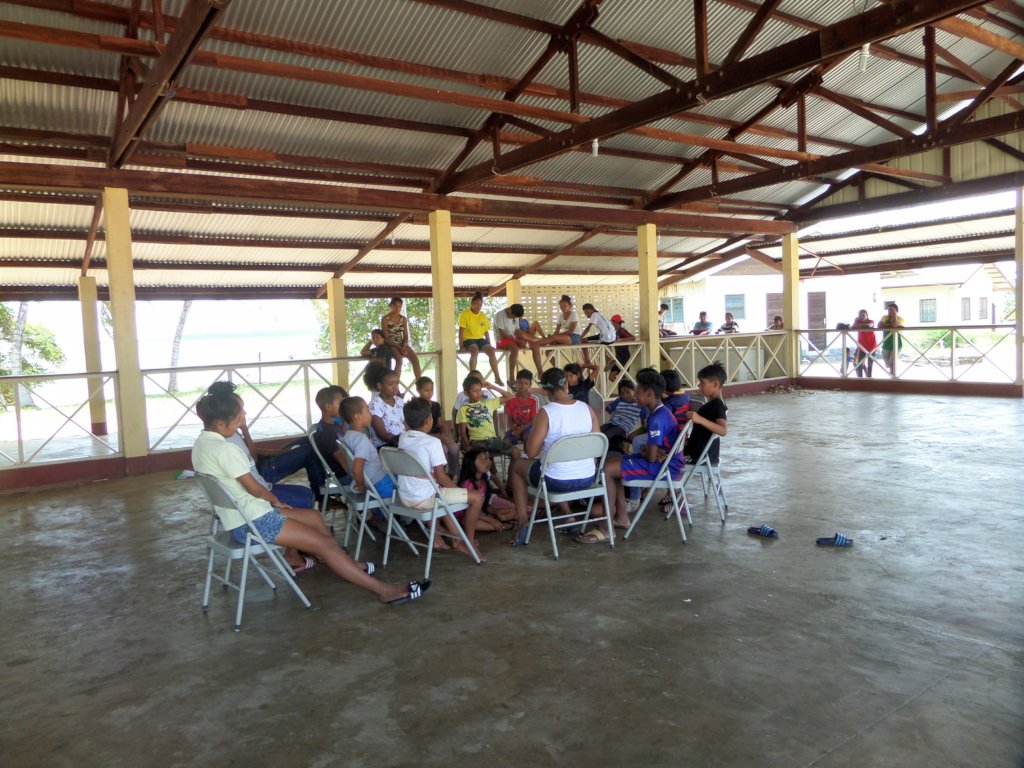
Of course, no trip to Galibi would be complete without our educational activities with the children!
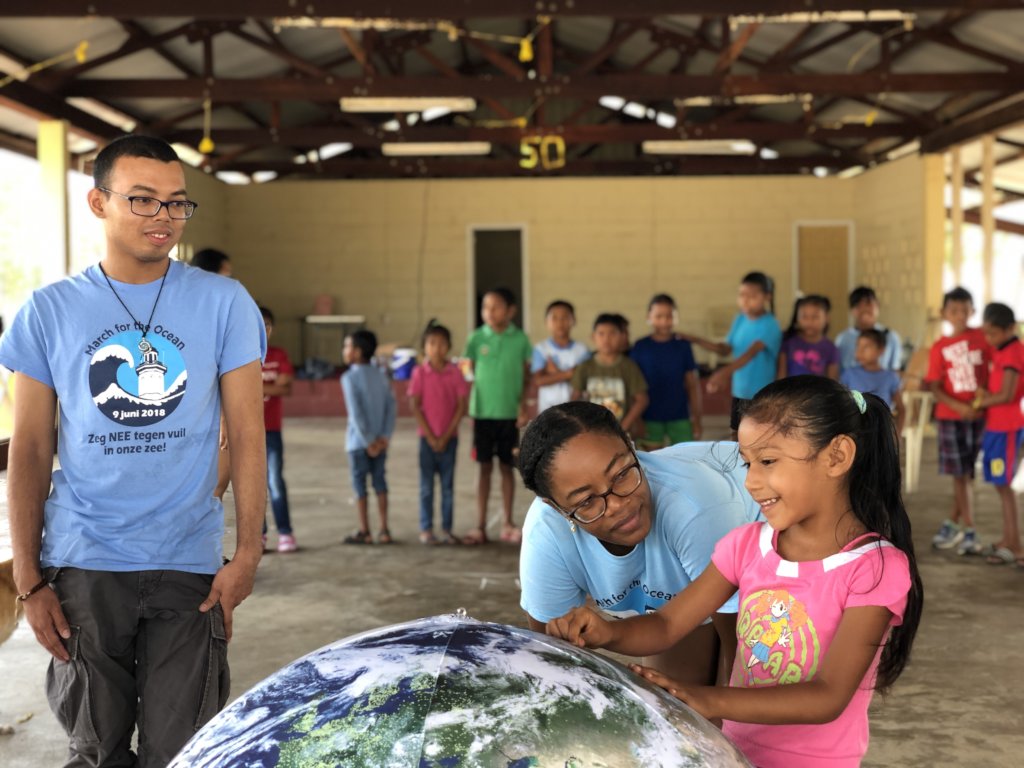
On the second day of our visit, we organized the activities that the children in the village always look forward to. This year, we teamed up with Villa Zapakara, a local children's museum, to introduce the children to the concept of upcycling. They learned about the importance of giving materials a second life and even got to make their very own flashlights using plastic bottles!
It was a fun and creative way to show them that waste doesn't always have to end up in the environment and that some materials can be turned into something useful.
All in all, it was a wonderful and educational weekend filled with teamwork, community involvement, learning and, of course, plenty of hard work! From removing hundreds of kilograms of waste to collecting valuable data and inspiring the next generation of sea turtle heroes, every activity brought us one step closer to our goal of protecting these incredible animals and their nesting habitats.
And none of this would be possible without the continued support of our GlobalGiving friends. Thank you for being part of this journey and helping us make these activities happen!
Until our next adventure, keep being sea turtle heroes!
Project reports on GlobalGiving are posted directly to globalgiving.org by Project Leaders as they are completed, generally every 3-4 months. To protect the integrity of these documents, GlobalGiving does not alter them; therefore you may find some language or formatting issues.
If you donate to this project or have donated to this project, you can receive an email when this project posts a report. You can also subscribe for reports without donating.



Support this important cause by creating a personalized fundraising page.
Start a Fundraiser