By Beka Pollard | Fundraising Officer
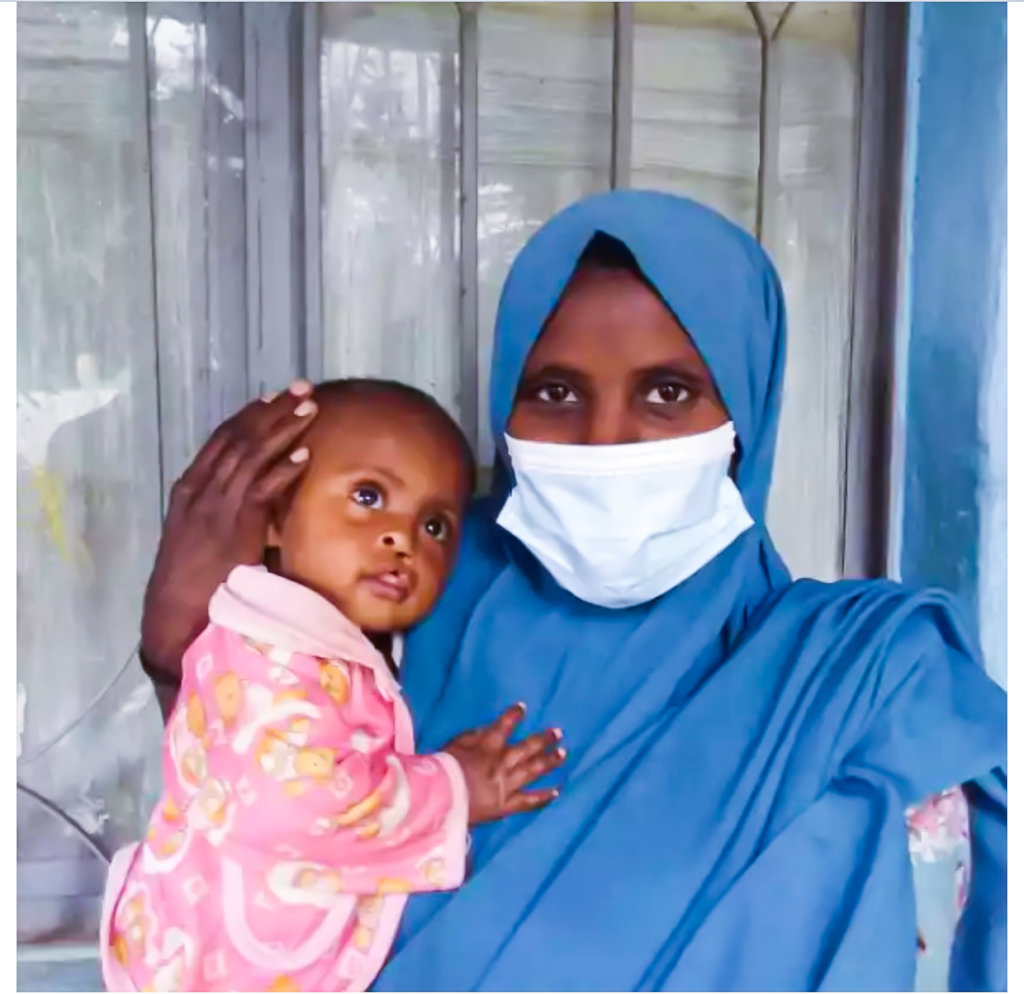
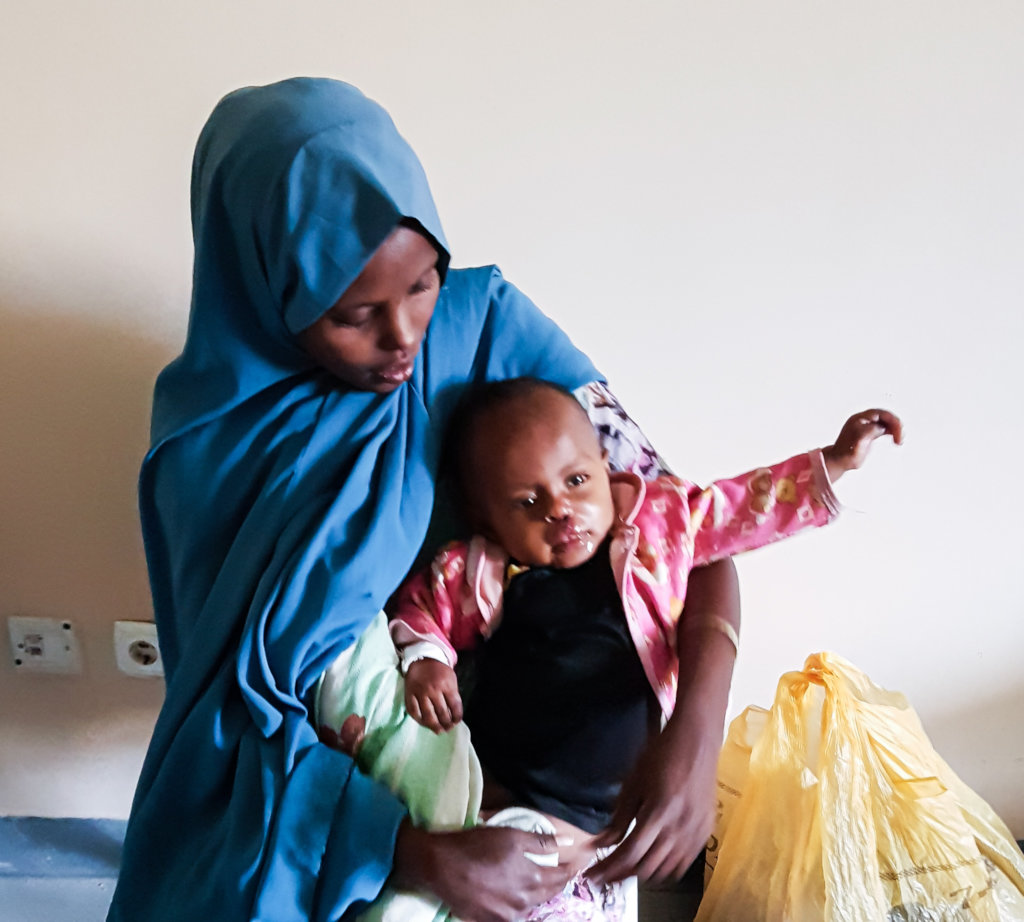
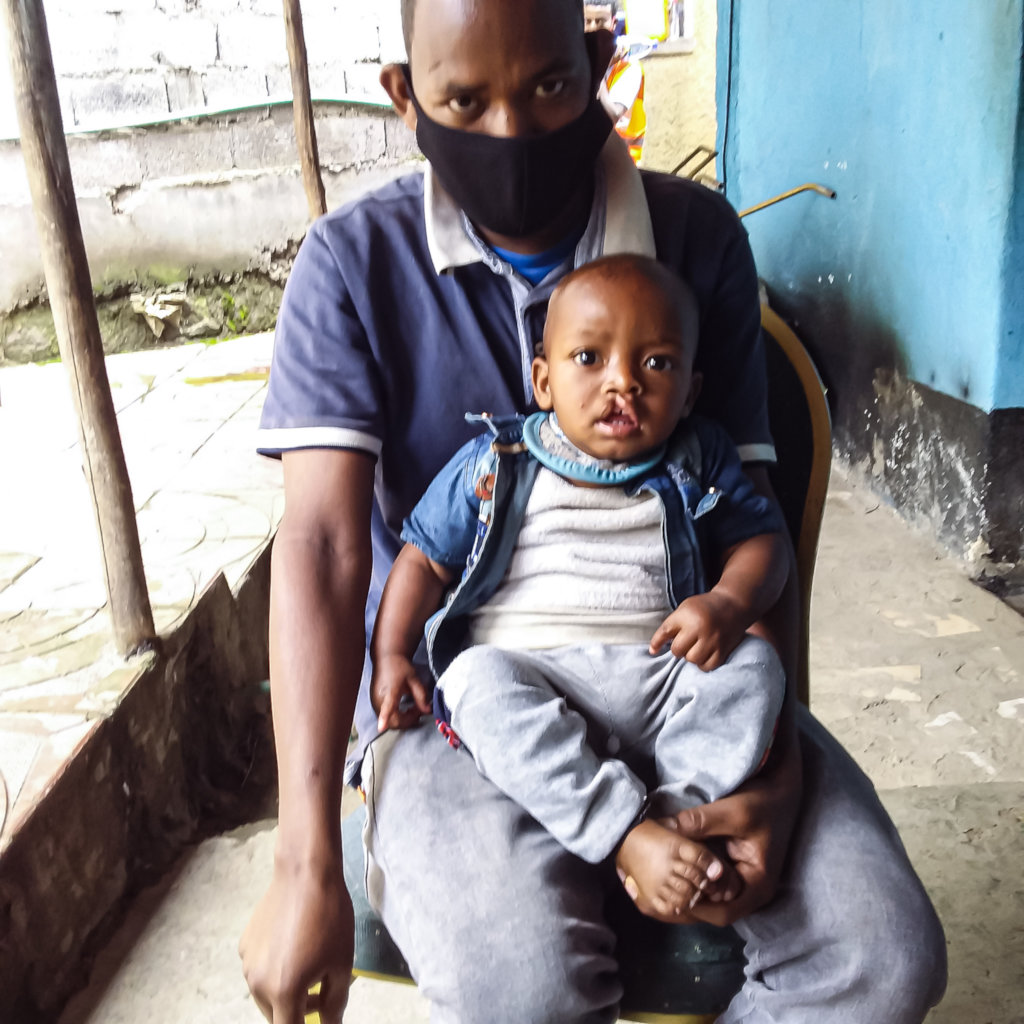
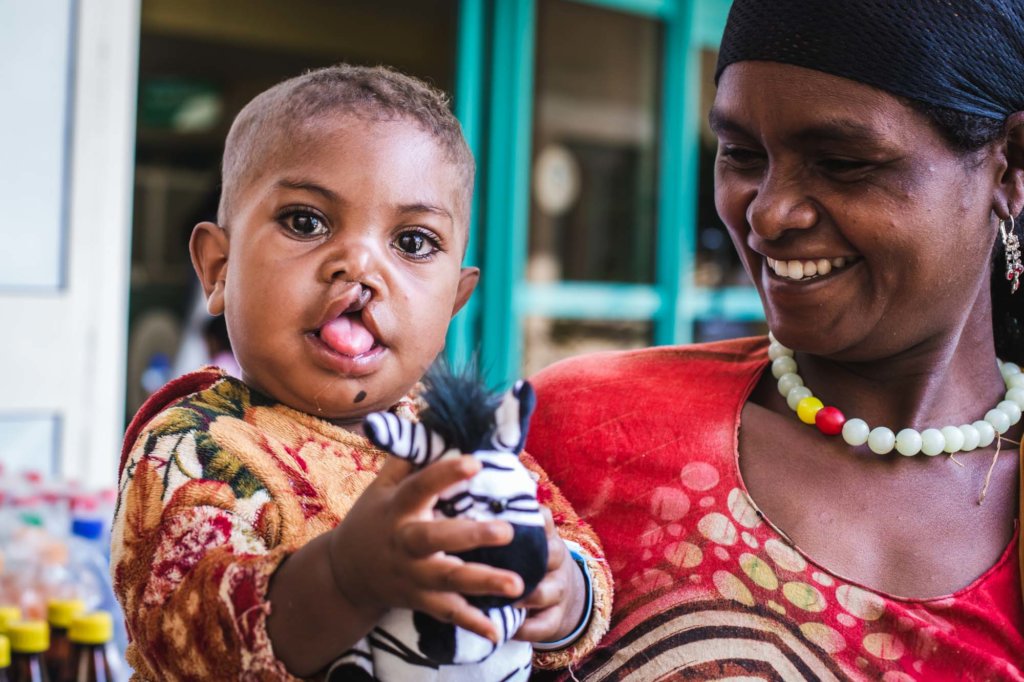
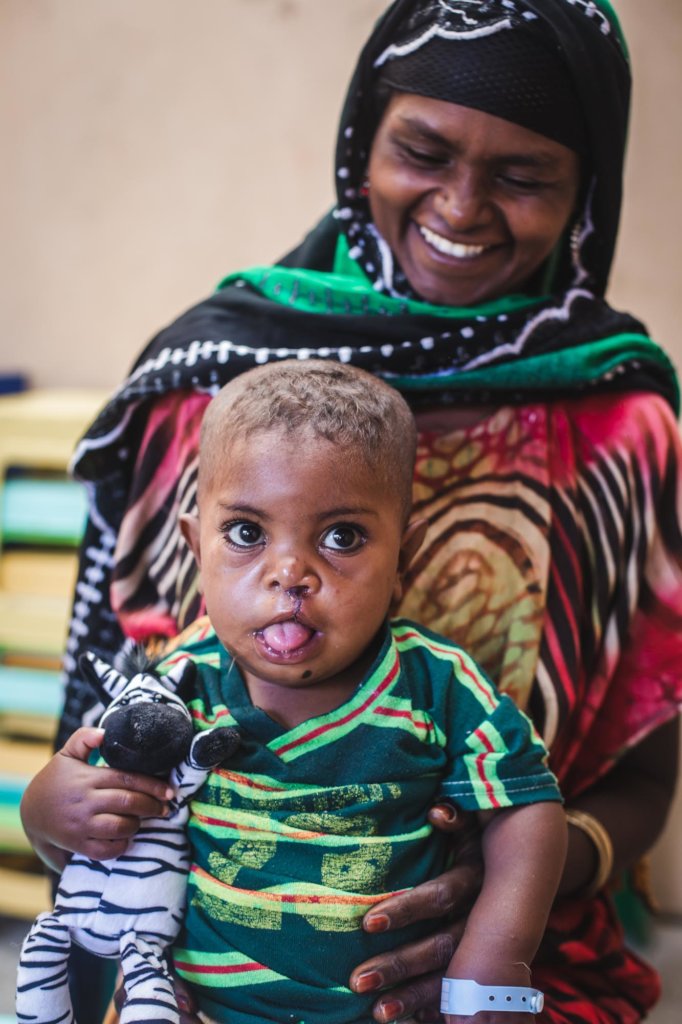
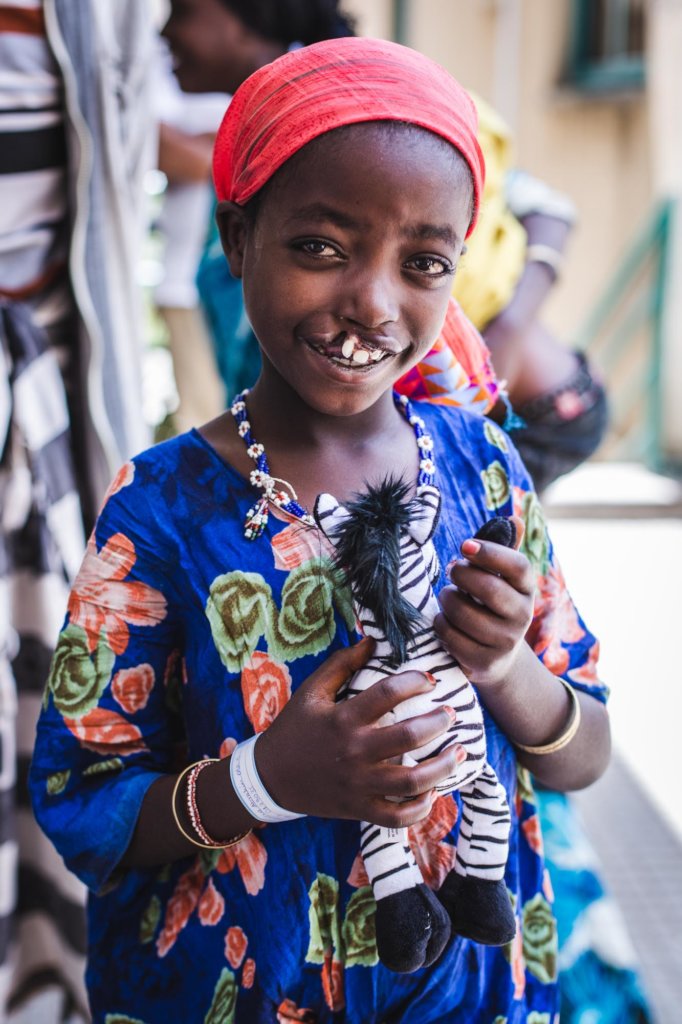
Sitrallah was born with both a cleft lip and palate after a long gap following her two older siblings. Her arrival came after an extremely difficult pregnancy.
During her pregnancy, Sitrallah’s mother worked as a labourer at a private construction company, carrying out physically demanding work that included lifting, carrying and cleaning. She continued until she was around 7 months pregnant, when she was told that she could not continue working.With no alternative source of employment, she returned home.Her husband was also unwell and unable to work as he normally would, leaving the family under considerable financial pressure.
When Sitrallah was born, feeding was immediately difficult. Her mother did not know how to provide the nutrition her daughter needed. Sitrallah spent time in a neonatal intensive care unit, where health workers explained to her mother that her daughter’s cleft condition could be treated and encouraged her to seek further care. However, after months of physically demanding work during pregnancy, and the demands of caring for a baby who could not feed normally, Sitrallah’s mother gelt exhausted and overwhelmed. At that point, she did not feel able to travel elsewhere in search of treatment, so she returned home with her daughter.
The family received some financial help from relatives and used it to buy cow’s milk for Sitrallah. Despite their efforts however, she struggled to grow. At around three months old she weighed less than when she was born - only 2.8kg. She became seriously malnourished and was admitted to hospital where she received nutritional support before returning home.
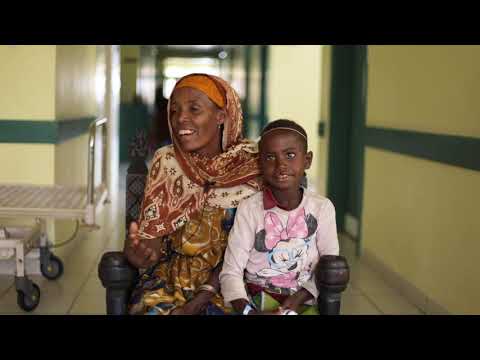
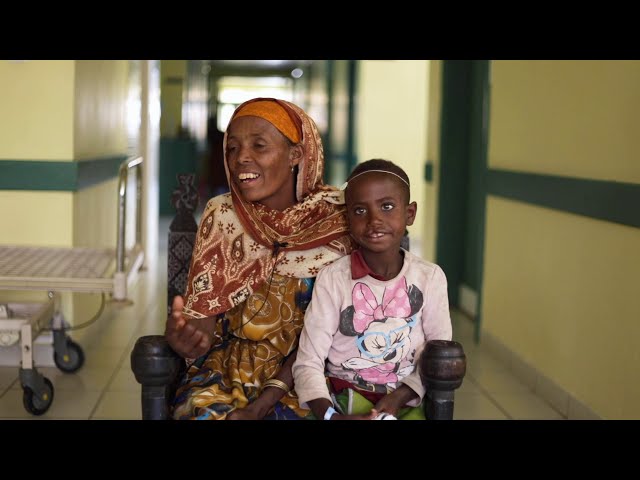
Sitrallah’s mother became increasingly afraid of how other people would react to her daughter. For around 6 months, she rarely left the house with Sitrallah, and avoided the market, community gatherings, weddings and funerals. She remembers the fear she felt whenever someone came to the door:"When someone knocked on the door, my older children and I would run and hide the baby before opening the door."
Eventually, a local health worker connected the family with Project Harar and explained that support was available to help children with cleft conditions access specialist treatment. The family was advised to bring Sitrallah to Selam hospital in Dessie when the next cleft surgical programme was taking place.
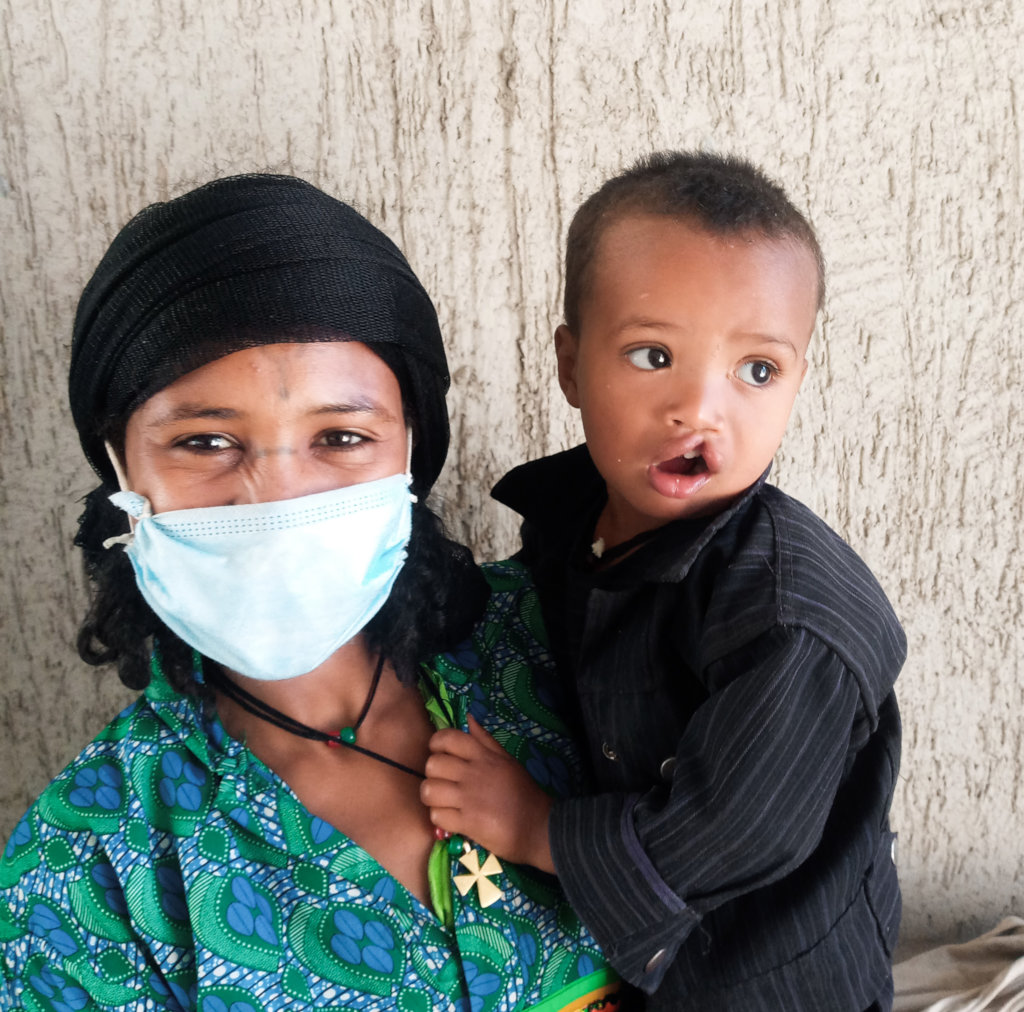
For Sitrallah’s mother, this was an important turning point. The family travelled for around five hours to reach Selam Hospital. When they arrived, her mother saw many other children with cleft conditions recieving care and many families experiencing challenges similar to her own. For the first time, she realised that her daughter was not alone, and that treatment was possible.
However, when Sitrallah was initially assessed in March 2024, she was underweight and not yet ready for surgery. She was supported with nutritional care and the family returned home determined to help Sitrallah gain the strength needed for surgery.
Later in July, Sitrallah had gained the strength she needed. However when she arrived at our programme, the surgery was, again, postponed. because she had a cold. Finally in November, Sitrallah had the surgery she so needed. Her mother was so happy to see this change in her daughter; “I cannot explain my happiness when I saw my daughter after the surgery.”
Three months later, Sitrallah returned to the hospital to receive surgery to repair her cleft palate. After months of feeding difficulties, malnutrition, isolation, financial pressure and repeated journeys, Sitrallah had finally received the treatment her family had been hoping for.
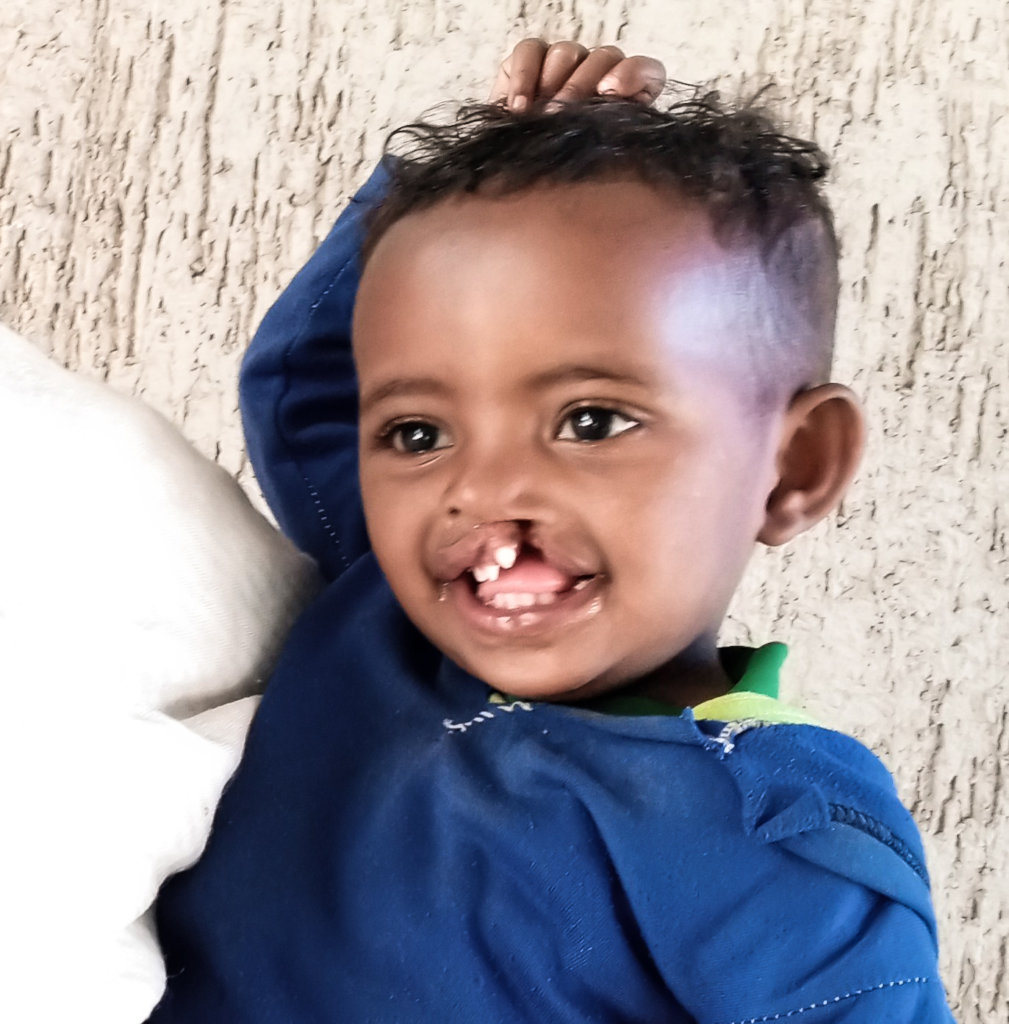
When Project Harar followed up with the family in September 2025, Sitrallah was described as a happy and active child. She runs and plays with her siblings, relatives and other children. Her mother has also been able to return to working and contribute to the family’s livelihood.
Sitrallah’s family had to overcome many challenges in seeking treatment for their daughter. With the support of Project Harar, they were equipped to navigate the journey to specialist care, access nutritional support, manage the costs associated with repeated travel and eventually reach the point where Sitrallah could safely undergo surgery.
Project reports on GlobalGiving are posted directly to globalgiving.org by Project Leaders as they are completed, generally every 3-4 months. To protect the integrity of these documents, GlobalGiving does not alter them; therefore you may find some language or formatting issues.
If you donate to this project or have donated to this project, you can receive an email when this project posts a report. You can also subscribe for reports without donating.



Support this important cause by creating a personalized fundraising page.
Start a Fundraiser