Project Report
| Nov 5, 2026
Looking Ahead: Strengthening Community Protection
By JACKSON AMEH | Project Leader
![]()
Looking Ahead: Strengthening Community Protection
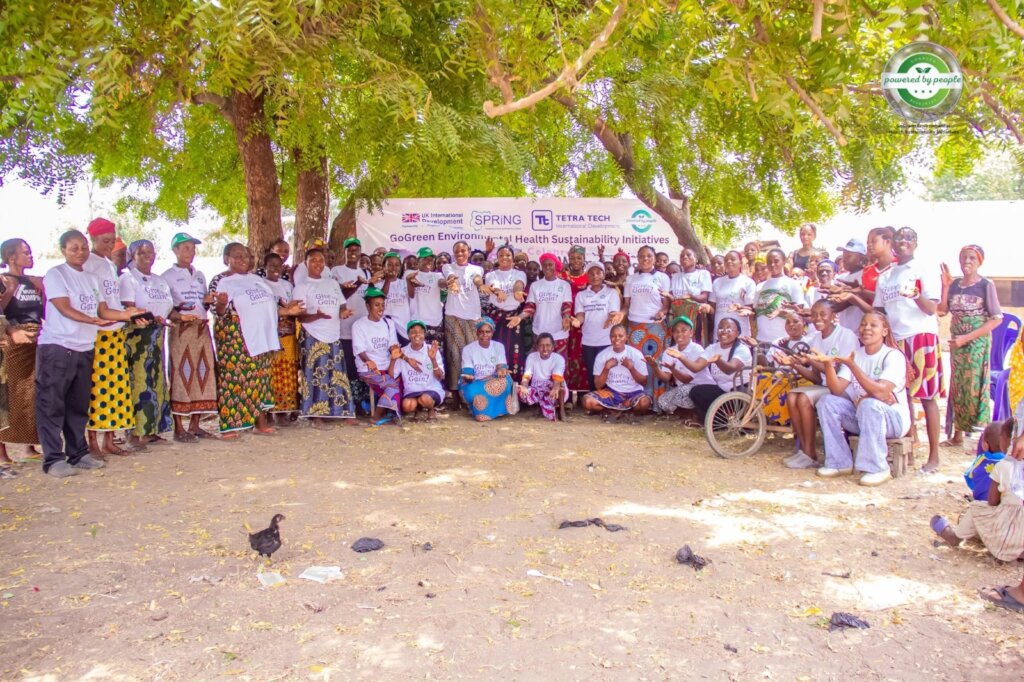
The engagement in Abinsi marks a significant step in GoGreen’s ongoing commitment to fostering safer, more inclusive communities for women and girls with disabilities. This initiative serves not only as a milestone but also as a foundation for future actions aimed at sustaining and scaling up community protection efforts.
Moving forward, GoGreen is focused on:
- Strengthening community-based awareness of gender-based violence (GBV)
- Enhancing knowledge about available referral and support services
- Encouraging meaningful participation of women and girls with disabilities in community life
- Deepening collaboration with key stakeholders, including protection and social welfare organizations
Recognizing the scale of the challenges across Benue State, GoGreen acknowledges that additional resources and partnerships will be crucial for expanding these sensitization and support activities to other conflict-affected and underserved communities.
GoGreen’s long-term vision is clear and ambitious: to help build an environment where women and girls with disabilities can fully exercise their rights, access the support they need, contribute meaningfully to community life, and pursue their aspirations without fear of violence or discrimination. Through sustained engagement and collective action, GoGreen aims to lay the groundwork for truly inclusive, safe, and empowered communities.
![Share on Twitter]()
![Share on Facebook]()
Nov 5, 2026
Why Women Rights and Engagement Matters
By JACKSON AMEH | Project Leader
![]()
Why This Engagement Matters
For vulnerable women and girls, especially those affected by conflict and disability, access to accurate information represents a critical first step toward effective protection. Understanding what constitutes abuse, recognizing that violence is never justified, and being informed about where and how to seek confidential assistance are essential elements in overcoming barriers that often keep survivors from accessing the support they need.
However, increasing awareness—while vital—is not sufficient on its own. Protection can only be realized when women and girls have access to safe, responsive, and disability-inclusive services that address their unique circumstances without exposing them to further risk or marginalization.
Through this intervention in Abinsi, GoGreen Environmental Health Sustainability Initiatives aims to:
- Strengthen the connection between community awareness, individual rights, and access to protection services.
- Ensure community members are supported not only with information but also with clear, safe avenues for seeking help.
This sensitization activity also directly supports GoGreen’s broader humanitarian efforts, such as the ongoing Feed Displaced Families in Benue, Nigeria project. The approach acknowledges the interconnected nature of food insecurity, displacement, economic hardships, and protection risks. When basic needs are unmet, vulnerabilities to various forms of gender-based violence often increase.
By addressing immediate humanitarian needs side by side with GBV prevention and a strong focus on disability inclusion, GoGreen is committed to fostering a comprehensive, coordinated, and dignified response to the complex challenges faced by conflict-affected populations. This holistic strategy helps build safer, more resilient communities where all individuals—regardless of their circumstances—can exercise their rights and live with dignity.
![Share on Twitter]()
![Share on Facebook]()
Nov 5, 2026
Understanding Rights and Accessing Referral Pathways
By JACKSON AMEH | Project Leader
![]()
Understanding Rights and Accessing Referral Pathways
A core aspect of the session centered on empowering community members with the understanding that experiencing violence should never lead to suffering in silence. Participants were guided to recognize that every individual has inherent rights, and that seeking assistance is both valid and vital. The session encouraged everyone to support others who have faced abuse, fostering a culture of non-discrimination and zero tolerance for victim-blaming.
A key discussion point involved introducing the concept of GBV referral pathways—the structured processes through which survivors and persons at risk can access timely, appropriate support. Participants learned about:
- Healthcare providers for medical care and treatment
- Social welfare and protection actors who can provide safety and legal support
- Psychosocial support services to address emotional and mental well-being
- Other competent institutions that offer specialized assistance
Emphasis was placed on the principles of effective referral, highlighting that all support and referrals must be guided by the survivor’s safety, dignity, privacy, informed consent, and a thorough respect for their individual needs and choices.
The session further reinforced the active role of community members in creating safer environments. This includes:
- Challenging harmful norms, stereotypes, and attitudes
- Ensuring women and girls with disabilities are not excluded from protection conversations and decision-making processes
- Supporting open dialogue to break cycles of silence and stigma
By the end of the session, participants were not only more informed about their rights and avenues for support but also empowered to contribute positively to a culture that protects, uplifts, and includes every member—especially those most vulnerable to violence.
![Share on Twitter]()
![Share on Facebook]()