By JACKSON AMEH | Project Leader
The impact of violent conflict reaches far beyond the immediate threat to safety. For women, the loss of a livelihood can mean the loss of the financial independence that once enabled them to meet their needs on their own terms. This is particularly stark for women and girls with disabilities, who experience even greater obstacles after being displaced.
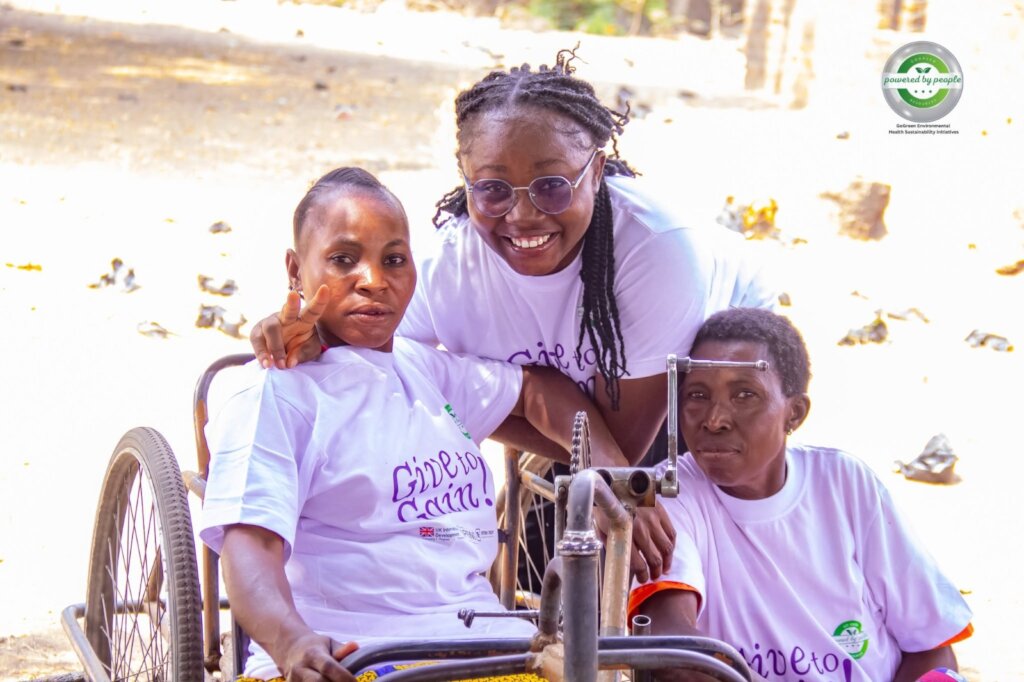
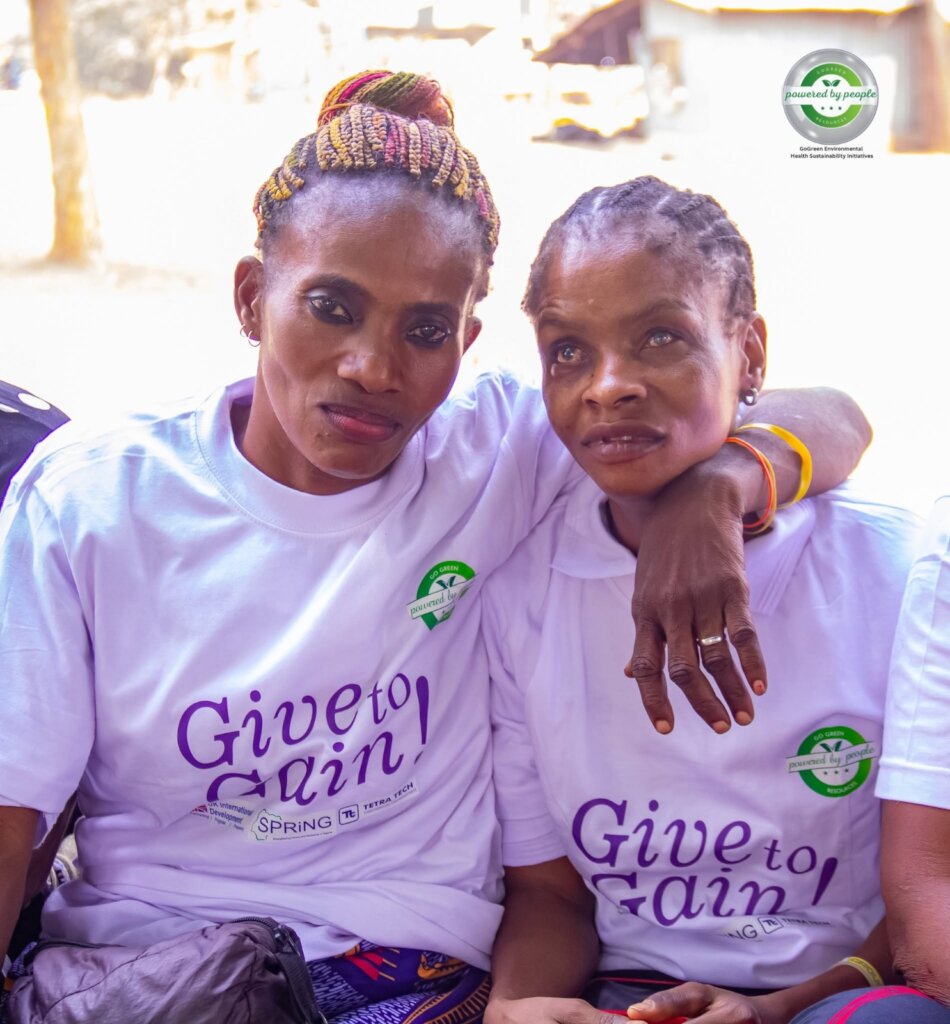
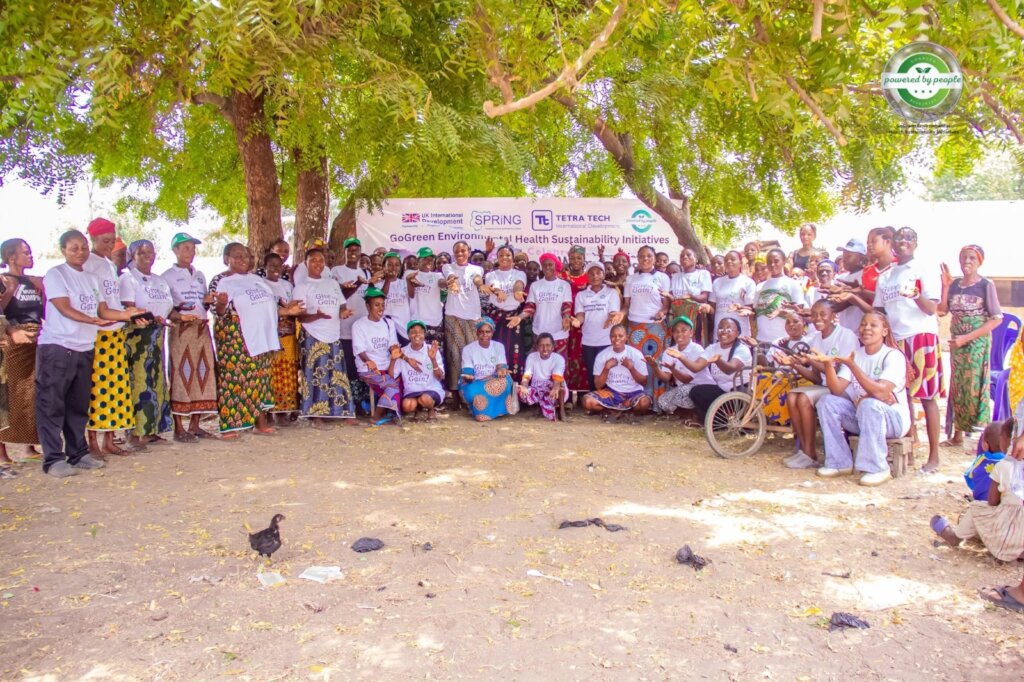
Displacement not only limits access to secure employment but also makes it harder to receive vital humanitarian assistance, find accessible shelter, and obtain essential protection services. During our recent visit to Daudu Community in Benue State, GoGreen met with 64 persons with disabilities who had been forced from their homes by conflict. Their stories reinforced an urgent truth: effective humanitarian response must address both immediate survival and the ongoing risks that threaten vulnerable groups—especially women and girls.
Food insecurity and economic dependence are not just hardships on their own—they can create dangerous conditions. When safe, reliable aid is scarce, and social protections weaken, women facing hunger may become targets for exploitation, abuse, and gender-based violence (GBV). These risks are only heightened for those who also confront barriers due to disability.
A woman should never be forced to endure exploitation or abuse simply because she needs food, shelter, or other basic necessities. No one should face an impossible choice between staying safe and finding enough to eat.
This is why GoGreen has integrated its Feed Displaced Families in Benue, Nigeria initiative with the Protect Disabled Women from Gender-Based Violence project. Our approach is grounded in the belief that humanitarian aid must go hand-in-hand with protection strategies. We are committed not only to providing immediate food and basic relief to the most vulnerable households, but also to improving safer access to assistance, raising GBV awareness, preserving dignity, and supporting opportunities for economic independence.
With sufficient resources, we can expand community engagement, provide accessible information about rights and services, and build stronger referral pathways to protection and support systems. Our vision is for aid that safeguards both the physical survival and the fundamental rights of all women—especially those with disabilities.
Your support makes these efforts possible. Together, we can address hunger without ever overlooking safety.
Help us feed families, protect dignity, and support a safer, more empowered future.
Project reports on GlobalGiving are posted directly to globalgiving.org by Project Leaders as they are completed, generally every 3-4 months. To protect the integrity of these documents, GlobalGiving does not alter them; therefore you may find some language or formatting issues.
If you donate to this project or have donated to this project, you can receive an email when this project posts a report. You can also subscribe for reports without donating.



Support this important cause by creating a personalized fundraising page.
Start a Fundraiser