By Thelma Phiri | Project Leader
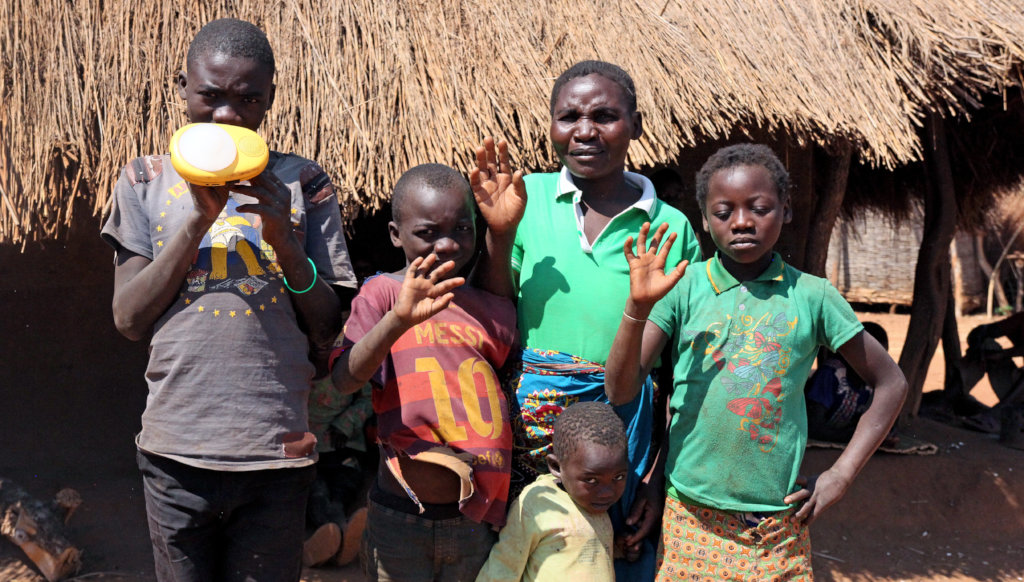
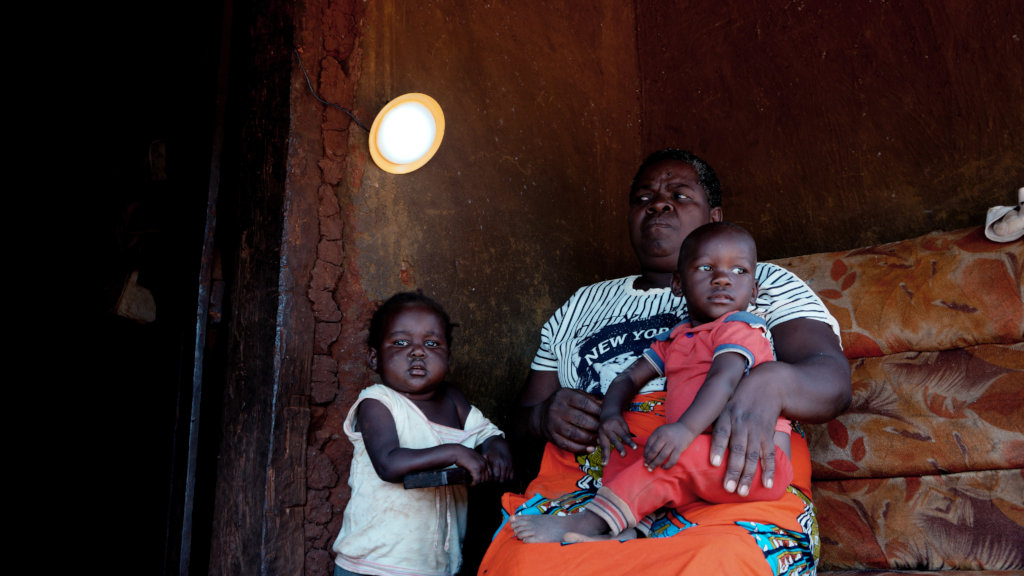
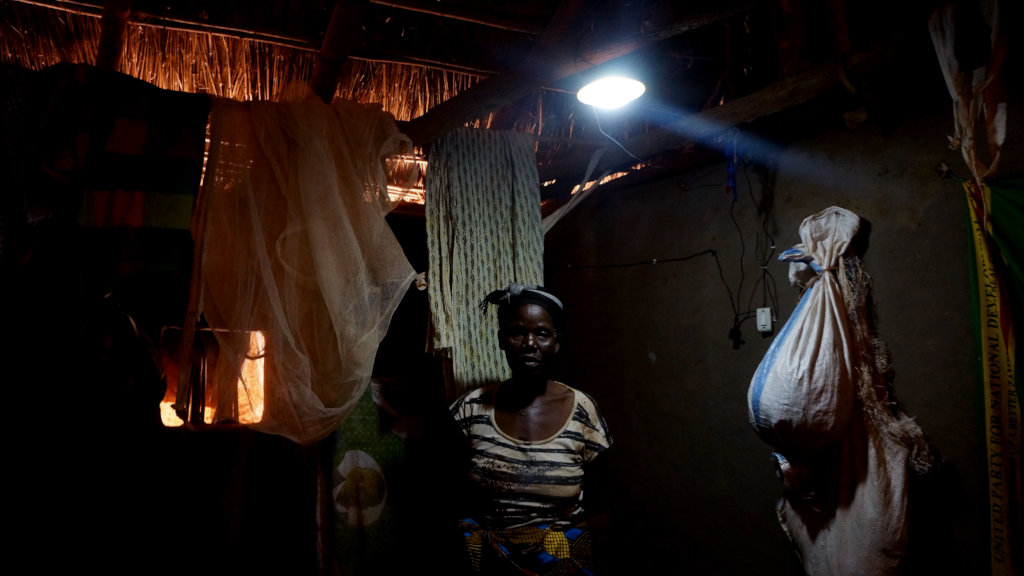
In a small village outside Lundazi, in Eastern Province, night used to come early for Mary and her two children, Chisomo, 9, and Dalitso, 7.
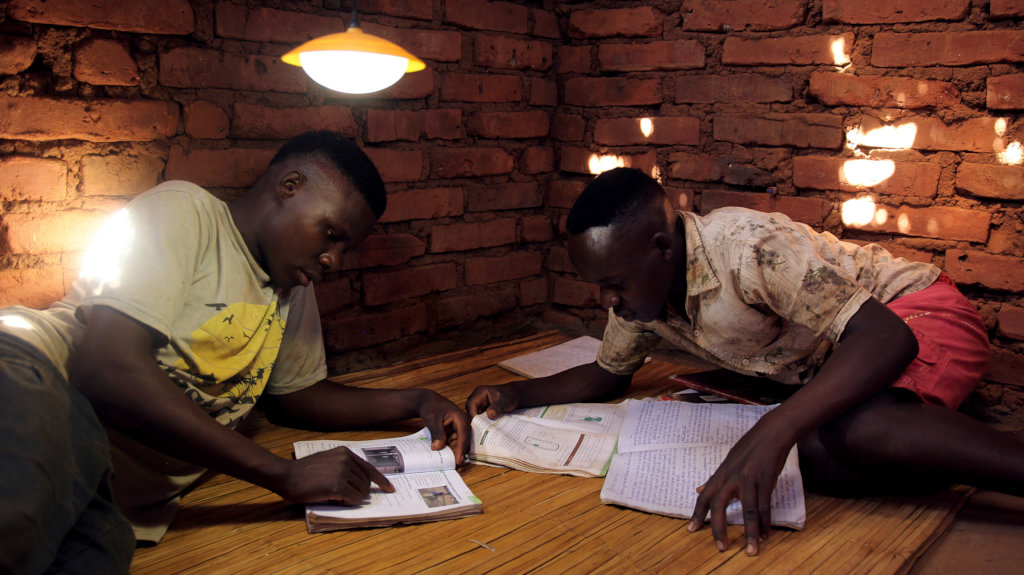
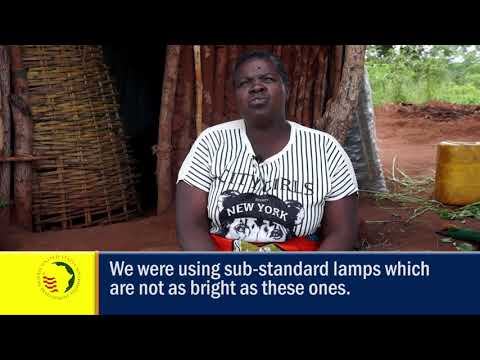
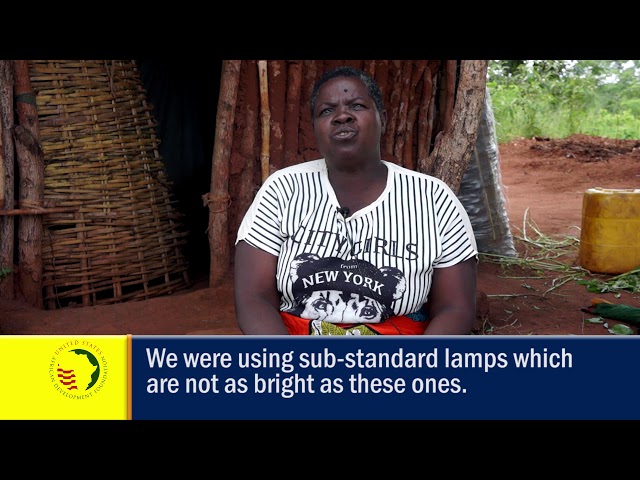
When the sun set, the house went dark. Homework stopped. Mary cooked by the smoky light of a kerosene lamp, coughing as the fumes filled the small room. The children strained their eyes, and many nights they simply gave up and went to sleep hungry for learning.
Kerosene was expensive too — almost K30 a week. Money Mary needed for mealie meal, soap, and school books.
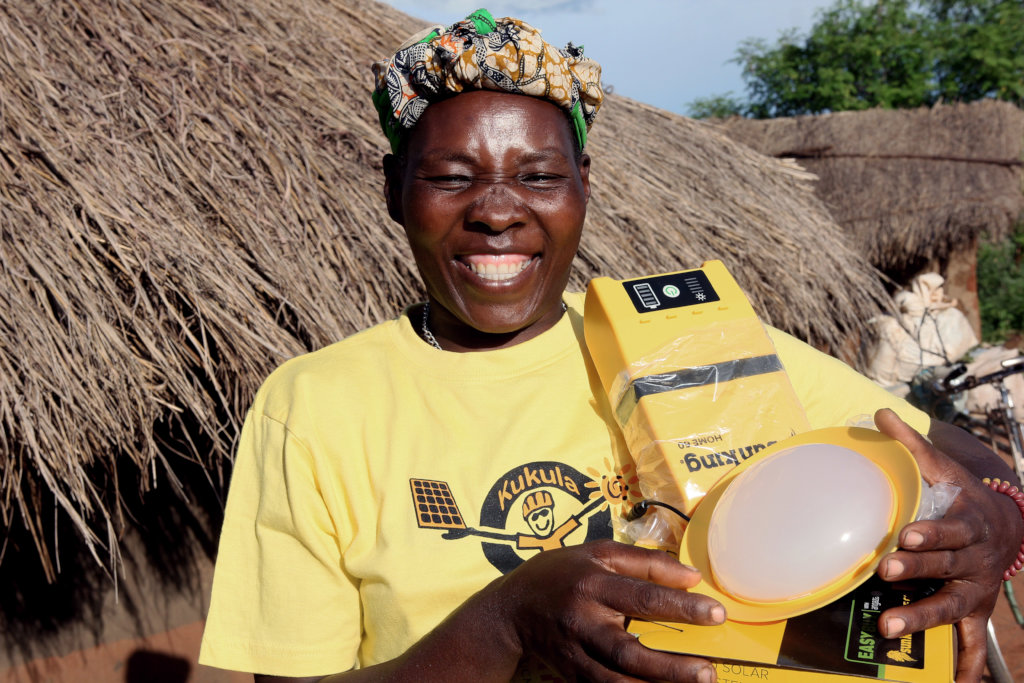
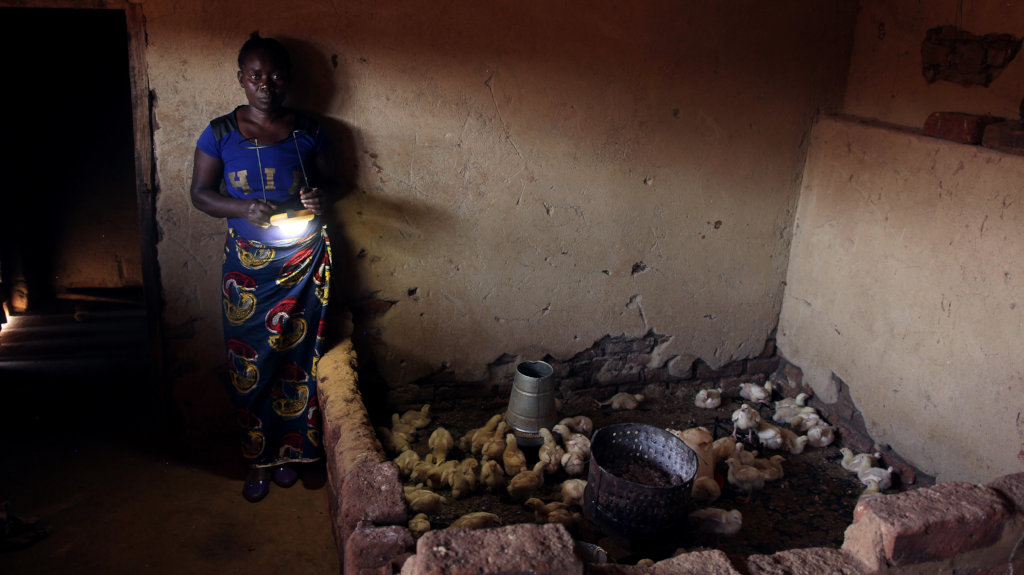
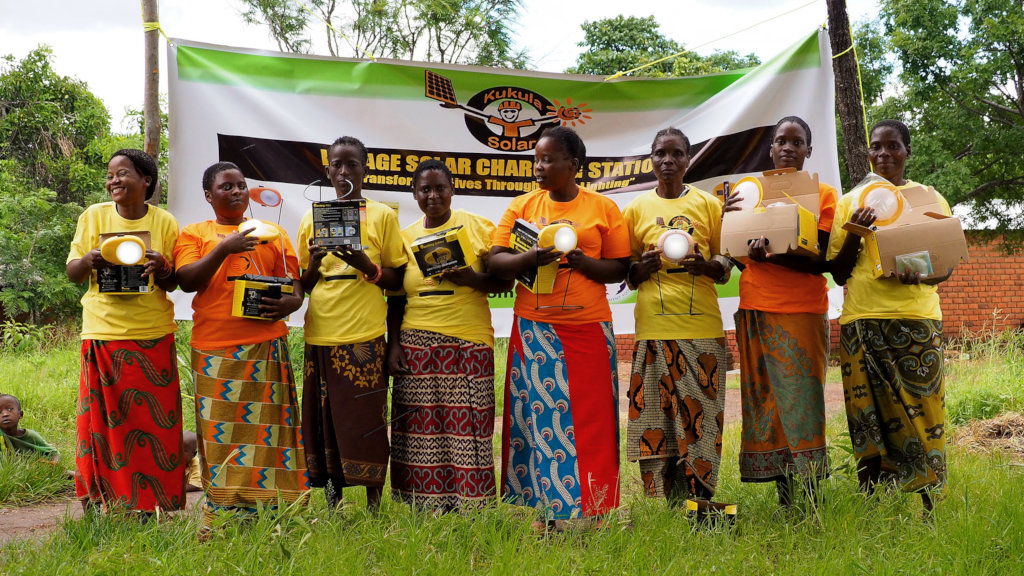
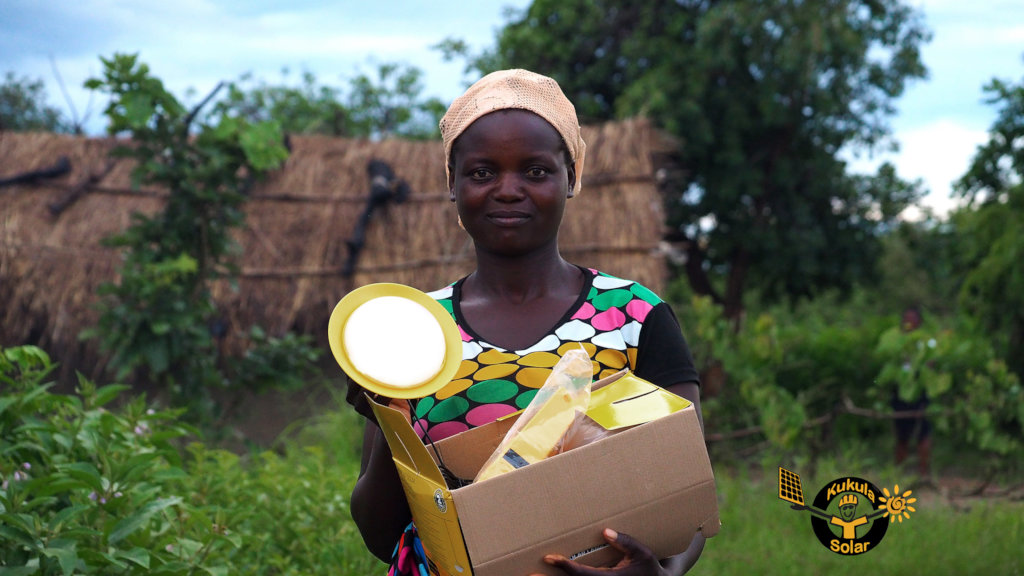
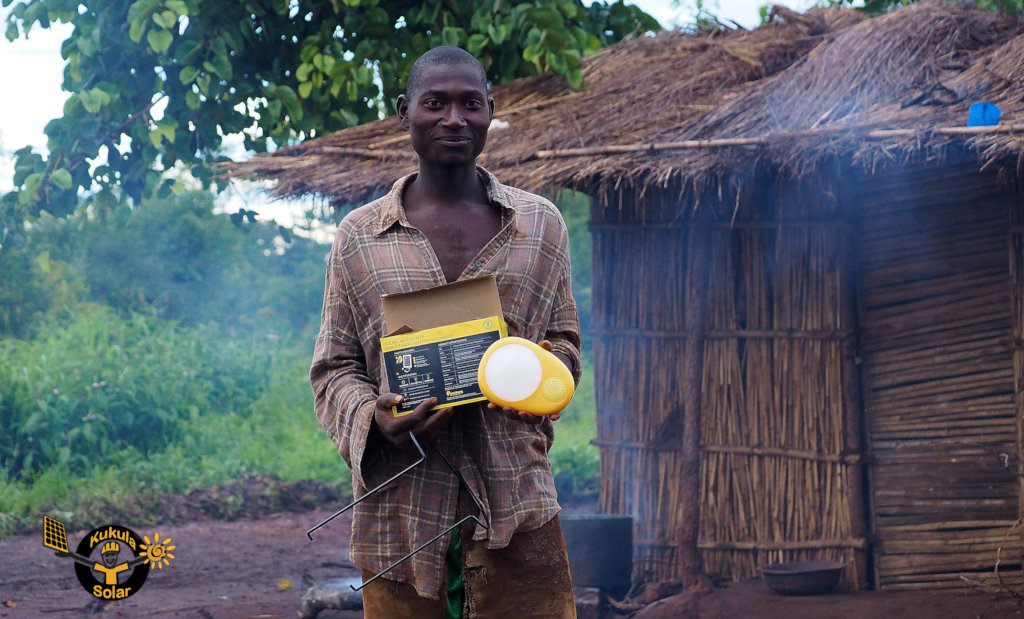
Then Mary received a small solar lamp.
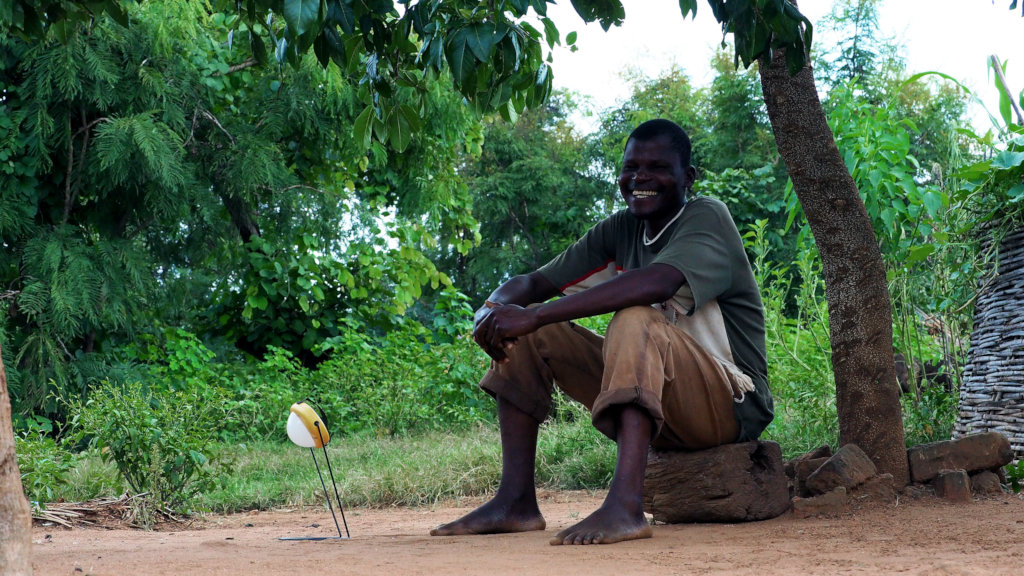
It looked simple. A little lamp she placed on the roof in the morning to charge in the sun. But that evening, everything changed.
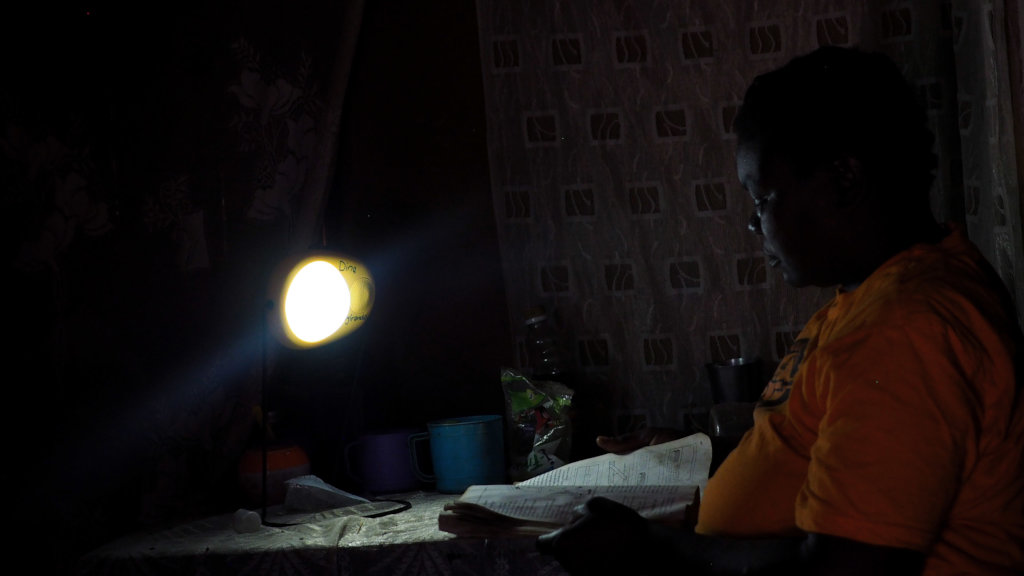
For the first time, Chisomo and Dalitso could sit together at the table after supper and finish their homework. Chisomo, who had been falling behind in English, started reading aloud. Dalitso practiced his maths — 7 + 5 = 12, again and again, until he got it right.
Mary could see clearly to cook, to mend clothes, and to charge her neighbour’s phone for a small fee — money she now saves for the children’s school fees.
“Before, darkness decided for us when to stop,” Mary says, smiling as her children read. “Now, we decide. My children can dream after dark.”
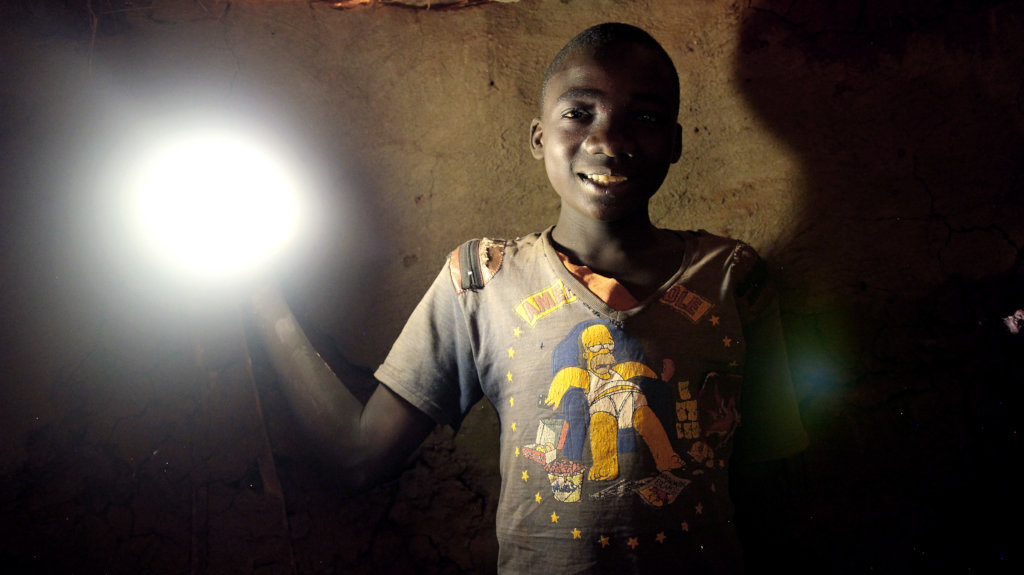
The smoke is gone. The coughing is gone. The fear of fire at night is gone. In its place is light, learning, and hope.
One solar lamp. One mother. Two children. A whole future made brighter in Lundazi.
Project reports on GlobalGiving are posted directly to globalgiving.org by Project Leaders as they are completed, generally every 3-4 months. To protect the integrity of these documents, GlobalGiving does not alter them; therefore you may find some language or formatting issues.
If you donate to this project or have donated to this project, you can receive an email when this project posts a report. You can also subscribe for reports without donating.



Support this important cause by creating a personalized fundraising page.
Start a Fundraiser