By JACKSON AMEH | Project Leader
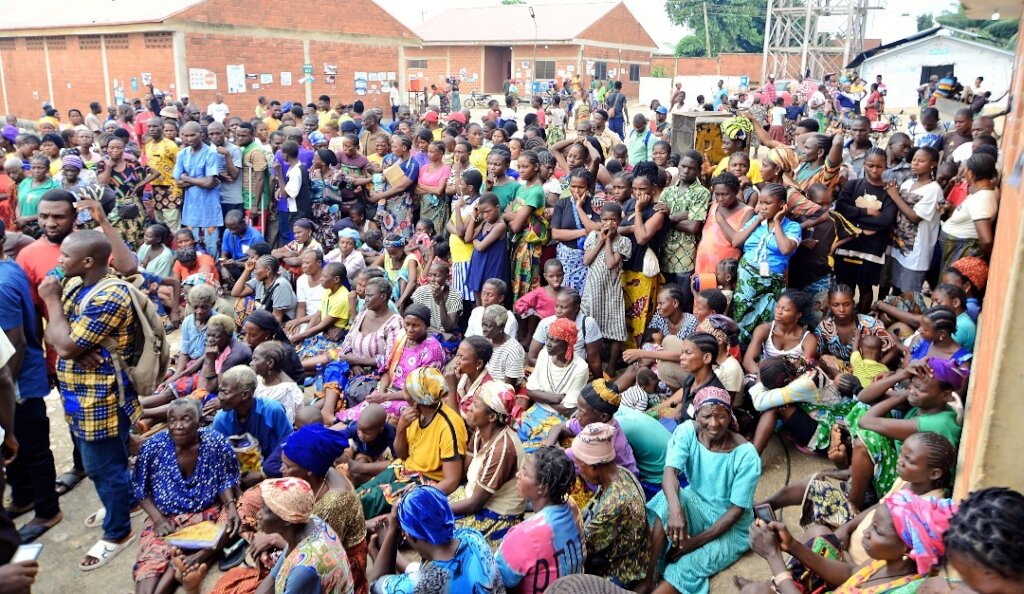
For households navigating the aftermath of conflict and displacement, every financial decision is crucial. When resources are scarce, the cost of cooking fuel doesn’t just stand alone; it often competes directly with other essential expenses such as food, health care, hygiene supplies, and children’s education. Forced to make tough choices, families may be pushed to the brink, sacrificing one need in order to meet another.
This reality is why GoGreen’s focus on promoting appropriate, locally sourced cooking alternatives is so significant. By introducing affordable, safe, and sustainable methods for meal preparation—like energy-efficient stoves or the use of agricultural residues—families can begin to reduce recurring costs and stretch their limited incomes further. These solutions can free up precious income for other urgent priorities and lessen the economic stress that often follows conflict and displacement.
But the impact reaches beyond simple household savings. Practical skills development opens new doors for community recovery and resilience. When community members—especially women, youth, and vulnerable groups—learn to construct, maintain, or even produce alternative cooking solutions, they gain not just a one-time benefit, but an asset they can apply repeatedly. Skills like these can pave the way for small-scale enterprise, community-based production, or service provision, seeds for broader livelihood opportunities that contribute to renewed economic independence.
For displaced women and young people, these opportunities are particularly meaningful. With every new skill acquired, they move a step closer to greater economic participation and autonomy, building confidence and self-reliance in the process. Instead of remaining passive recipients of aid, families and individuals become active architects of their own recovery.
This approach—combining emergency humanitarian assistance with capacity-building for long-term resilience—is at the heart of GoGreen’s mission. We recognize that a family equipped with practical, marketable knowledge is far better positioned to weather ongoing challenges, adapt to uncertainty, and pursue a brighter, more dignified future.
With sustained support and investment in these areas, we can offer displaced families not just temporary relief, but the enduring tools and opportunities they need to move forward—from crisis survival to rebuilding sustainable livelihoods and hope.
Project reports on GlobalGiving are posted directly to globalgiving.org by Project Leaders as they are completed, generally every 3-4 months. To protect the integrity of these documents, GlobalGiving does not alter them; therefore you may find some language or formatting issues.
If you donate to this project or have donated to this project, you can receive an email when this project posts a report. You can also subscribe for reports without donating.



Support this important cause by creating a personalized fundraising page.
Start a Fundraiser