Dear Donors
1. Introduction
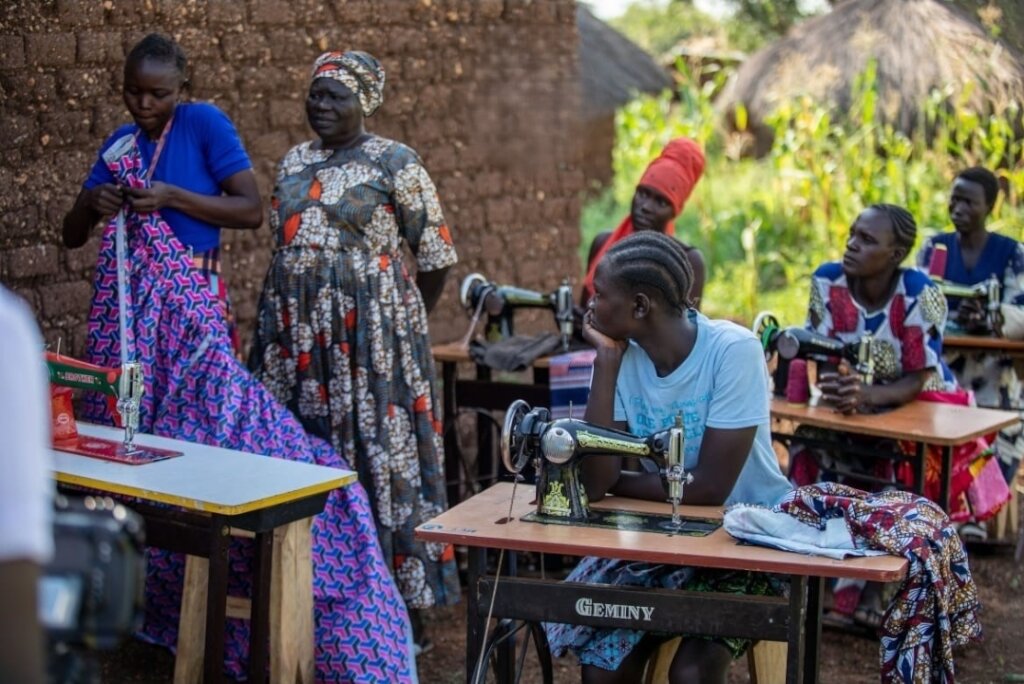
Karitas Relief Mission is implementing the Empowering Girls with Sewing Machines project to help vulnerable girls and young women acquire practical vocational skills that can enable them to earn an income and become self-reliant. The initiative focuses on girls who face financial hardship, limited employment opportunities, and difficulties accessing vocational education.
Many girls, including young single mothers, are determined to improve their lives but lack the financial resources to pay for training and access sewing machines. Through this initiative, we aim to provide opportunities for them to learn tailoring, develop their talents, and prepare for a more independent future.
2. Project Objectives
The project aims to:
- Provide vocational sewing and tailoring training to 156 girls.
- Equip participants with practical skills that can lead to employment or self-employment.
- Support vulnerable girls and young single mothers to develop sustainable livelihoods.
- Reduce economic dependency by helping participants establish small tailoring businesses.
- Promote confidence, dignity, creativity, and financial independence among the girls.
3. Activities and Progress
As part of the implementation process, the project team has been meeting with girls who have expressed interest in joining the initiative. These meetings provide an opportunity to understand their needs, assess their commitment, and explain the opportunities that vocational training can offer.
The girls have demonstrated strong determination to learn sewing and tailoring. Some participants are experiencing significant financial challenges, particularly those who are single mothers and must provide for their children while trying to build a better future.
During discussions, the girls expressed their desire to acquire practical skills that will help them earn a living rather than remain dependent on others. Their enthusiasm demonstrates the importance of providing accessible vocational training and the equipment necessary for them to learn effectively.
Following consultations with the girls, the project team has planned for the selected participants to begin vocational training in January 2027, during the first term of the year. This preparation period will allow the organization to coordinate the training arrangements, identify the necessary equipment, and mobilize resources to support the girls.
4. Expected Results
The project aims to reach 156 girls through vocational training and related support. Expected results include:
- Improved sewing and tailoring skills among participants.
- Increased opportunities for employment and self-employment.
- Greater ability to generate income and support household needs.
- Improved confidence and independence among vulnerable girls.
- Opportunities for graduates to establish small tailoring businesses and serve their communities.
These are intended results; actual achievements will be documented as training progresses.
5. Challenges
The major challenge is insufficient funding to provide all the necessary sewing machines, training materials, and other resources required for the program. Some girls also face serious financial difficulties that make it hard for them to access vocational education without assistance.
The organization is therefore seeking support from donors and well-wishers to help make the program accessible to vulnerable participants.
6. Next Steps
Karitas Relief Mission plans to prepare the girls for the January 2027 training intake, mobilize additional resources, obtain the necessary sewing machines and materials, and coordinate suitable training arrangements. The organization will monitor attendance, practical skills development, and progress toward income-generating activities.
7. Conclusion
The Empowering Girls with Sewing Machines project represents an investment in the abilities, dignity, and future of vulnerable girls and young women. By helping 156 girls access vocational training, Karitas Relief Mission hopes to create opportunities for them to become skilled, productive, and economically independent.
With continued donor support, these girls can gain the practical skills needed to build livelihoods, support their families, and contribute positively to their communities. Every contribution toward sewing machines, training materials, and vocational education will help bring this goal closer to reality.
Prepared by
Kajubi Jimmy
![Share on Twitter]()
![Share on Facebook]()