By Kajubi Jimmy | Project Leader
Dear Donors
Karitas Relief Mission is implementing the "Empowering Girls with Sewing Machines" initiative to equip vulnerable girls and young mothers with practical vocational skills that will enable them to become economically independent. The initiative seeks to provide opportunities for girls who face financial hardship and have limited access to education, vocational training, and employment.
Many of the girls interested in this program are determined to improve their lives despite the challenges they face. Some are single mothers who struggle to provide for their children while trying to find a sustainable way to earn an income. Through this initiative, we want to give them hope, practical skills, and an opportunity to build a better future for themselves and their families.
2. Meetings with the Girls and Assessment of Their Needs
We have been meeting with girls who have expressed interest in joining the sewing and vocational training program. During these meetings, we listened to their experiences, discussed their expectations, and learned more about the difficulties they encounter in their daily lives.
The girls demonstrated great enthusiasm and determination to learn. Several explained that acquiring sewing skills would help them establish small businesses, earn their own income, support their children, and reduce their dependence on relatives and other people.
We have also met with another group of girls who expressed interest in joining the initiative. These meetings have helped us understand the growing demand for vocational training and the need to expand the program as resources become available.
3. Our Plan for the Program
Following our meetings and discussions with the girls, we have developed a plan to guide the next stages of the initiative.
Phase 1: Mobilization and registration of beneficiaries
We will continue identifying, meeting, and registering interested girls, with a target of reaching 156 girls. We will assess their needs and prioritize those who are most vulnerable, including girls from disadvantaged families and young single mothers who lack opportunities to acquire employable skills.
Phase 2: Commencement of training in January 2027
Our current plan is for the selected girls to begin vocational training in the first school term of January 2027. Before the training begins, we will organize the beneficiaries into suitable groups and coordinate with the training providers to prepare them for the program.
We will communicate the training arrangements to the girls and their families so that the participants understand the expectations and can prepare to attend consistently.
Phase 3: Acquisition of sewing machines and training materials
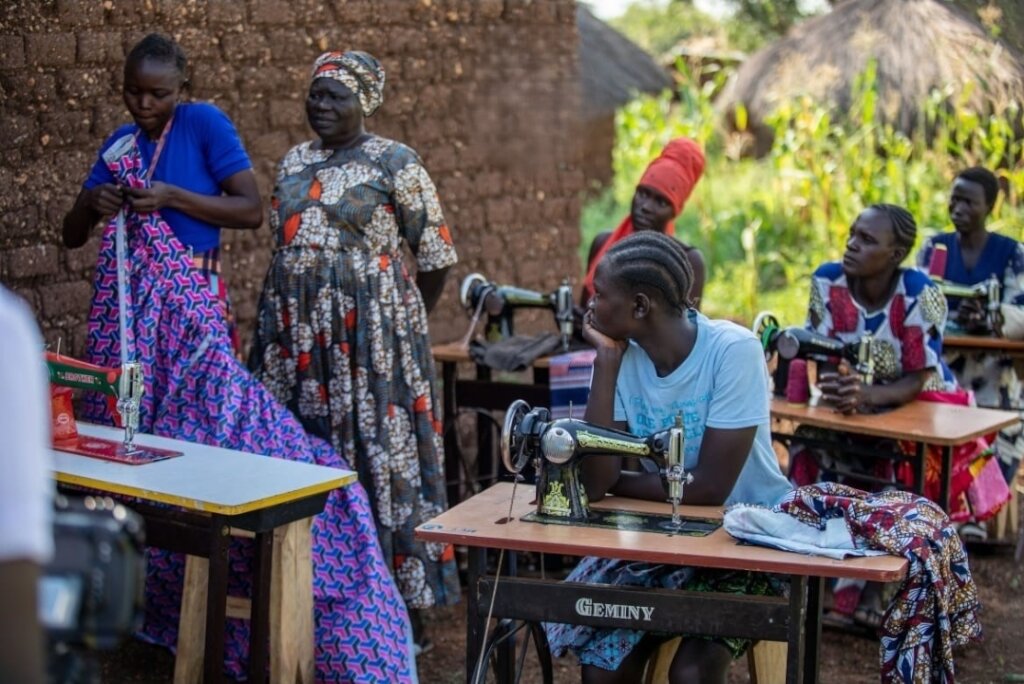
We currently have 10 sewing machines, supported through previous contributions, but additional machines and training resources are needed to serve the growing number of interested girls effectively.
We plan to mobilize additional resources to purchase more sewing machines, fabric, thread, needles, scissors, measuring tapes, and other essential materials. The number of machines to be purchased will depend on the available funding and the training needs of the beneficiaries.
Phase 4: Practical sewing and vocational training
The girls will receive practical instruction in sewing, garment construction, taking measurements, cutting fabric, operating sewing machines, repairing clothes, and producing different garments.
The training will also introduce appropriate business skills, including customer care, pricing, record-keeping, saving, and managing small businesses. Our aim is to prepare the girls not only to sew but also to use their skills to earn a living.
Phase 5: Mentorship and regular monitoring
We will continue meeting the girls to assess their attendance, progress, challenges, and motivation. Trainers and project coordinators will monitor the development of their practical skills and identify participants who need additional support.
We will encourage the girls to support one another, remain committed to their training, and develop confidence in their abilities.
Phase 6: Graduation and transition to income-generating activities
After completing their training, the girls will be encouraged to use their acquired skills to establish small tailoring businesses, work with existing tailors, seek employment, or provide sewing services within their communities.
Where resources permit, we hope to support graduates with access to sewing machines, start-up materials, business mentorship, and opportunities to work together in small tailoring groups.
Phase 7: Establishment of sustainable livelihoods
Our long-term plan is to help the girls move from dependence and hardship toward economic independence. We want them to earn an income, support their children, meet basic household needs, and contribute positively to their communities.
We also hope that successful graduates will eventually mentor other vulnerable girls and encourage them to pursue vocational education.
4. Expected Results
Through this initiative, we expect to achieve the following results:
- Reach and support 156 girls through the program.
- Increase access to practical vocational training for vulnerable girls and young mothers.
- Improve participants' sewing, garment-making, and entrepreneurial skills.
- Help graduates access employment or establish small income-generating activities.
- Strengthen the ability of young mothers to provide for their children and families.
- Increase the number of girls who can earn their own income and make independent decisions about their futures.
- Develop a sustainable model that can be expanded to reach more girls as additional funding becomes available.
These are our intended results, and we will document actual achievements as the program progresses.
5. Challenges and Resource Needs
Despite the enthusiasm of the girls, the initiative faces significant financial challenges. The number of girls interested in participating continues to grow, while the available sewing machines and training resources remain limited.
Many of the girls come from financially disadvantaged backgrounds and cannot afford vocational training fees, materials, or the cost of starting small businesses after graduation. Young single mothers face additional responsibilities because they must balance their training with caring for their children.
To implement our plans successfully, we need support for additional sewing machines, training fees, learning materials, trainers, and where possible, start-up assistance for graduates.
6. Sustainability Plan
We want this program to create lasting benefits beyond the training period. Our sustainability plan includes promoting savings among participants, providing basic entrepreneurship education, encouraging graduates to work together, and linking them with potential customers and existing tailoring businesses.
As the girls begin earning income, we will encourage them to reinvest part of their earnings in their businesses and maintain their equipment. We will also document success stories and lessons learned to help attract further support and expand the initiative.
7. Conclusion and Appeal for Support
The "Empowering Girls with Sewing Machines" initiative is more than a vocational training project. It is an investment in the dignity, confidence, and future of vulnerable girls and young mothers.
Our meetings have shown us that these girls have the determination to learn and transform their lives. What they need now is an opportunity, appropriate training, and the resources to turn their determination into practical results.
Our immediate plan is to continue mobilizing and registering beneficiaries, prepare the selected girls for training beginning in January 2027, mobilize additional sewing machines and materials, and establish a pathway from vocational training to income generation.
We therefore appeal to our donors, partners, and well-wishers to support this initiative so that more girls can access vocational skills and build independent, sustainable livelihoods.
With your support, we believe these girls can move from hardship to hope, from dependence to self-reliance, and from uncertainty to a future filled with opportunity.
Prepared by:
Karitas Relief Mission
Uganda
Project reports on GlobalGiving are posted directly to globalgiving.org by Project Leaders as they are completed, generally every 3-4 months. To protect the integrity of these documents, GlobalGiving does not alter them; therefore you may find some language or formatting issues.
If you donate to this project or have donated to this project, you can receive an email when this project posts a report. You can also subscribe for reports without donating.



Support this important cause by creating a personalized fundraising page.
Start a Fundraiser