Dear Donors
1. Introduction
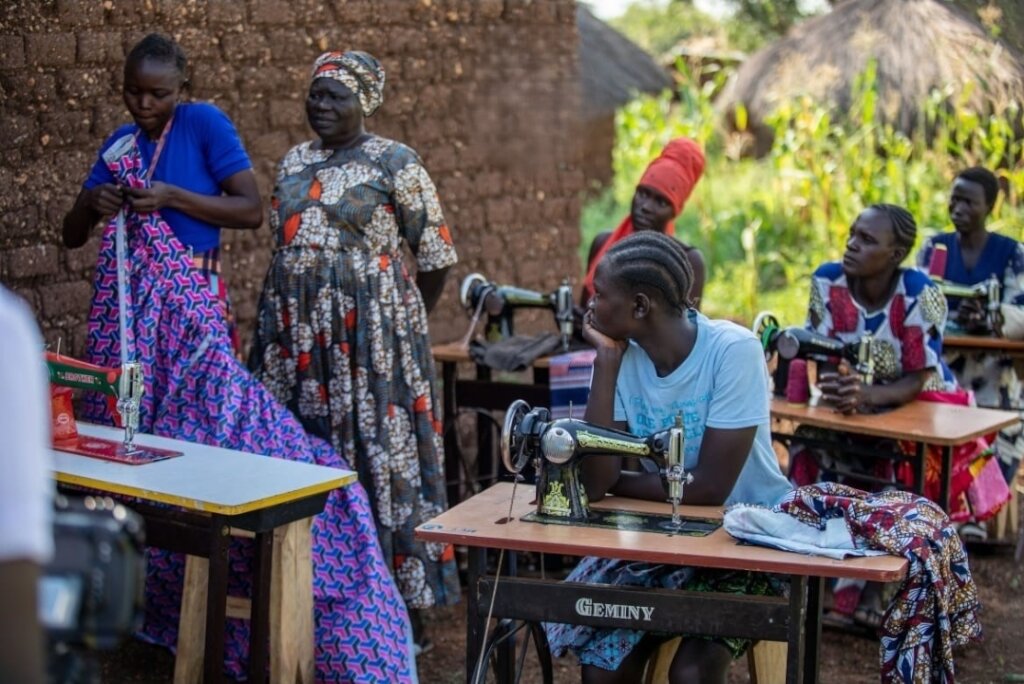
Karitas Relief Mission held a meeting with girls participating in the Empowering Girls with Sewing Machines initiative to discuss their interest in vocational training, the challenges they face, and the plans for beginning their studies. The meeting provided an opportunity for the girls to share their experiences, express their expectations, and discuss how sewing skills can help them build independent and sustainable livelihoods.
2. Discussions During the Meeting
During the meeting, the girls expressed great interest and determination to learn tailoring and garment-making skills. Many of them explained that they face difficult economic circumstances and struggle to provide for themselves and their children. Some are single mothers who carry the responsibility of caring for their families without a reliable source of income.
The girls shared their hope that vocational training would give them practical skills to start small tailoring businesses, make clothes for their communities, and eventually earn an income to meet their basic needs. They emphasized that they are ready to work hard and remain committed to the training despite the difficulties they experience in their daily lives.
The meeting also highlighted the importance of providing opportunities for girls and young women who cannot easily access formal education or other employment opportunities. The initiative aims to equip them with practical skills that can help them overcome poverty, gain confidence, and become financially independent.
3. Training Plans and Way Forward
Following discussions with the girls, the organization developed a plan for the next phase of the initiative. The girls are expected to begin their vocational training in January 2027, during the first school term.
The program will focus on practical sewing and tailoring skills, including the use of sewing machines, measuring, cutting fabric, stitching, garment-making, and basic business skills. The intention is to help the girls acquire skills that they can use to establish small businesses and generate income after completing their training.
The organization will continue mobilizing resources and preparing for the training so that the girls can have a meaningful opportunity to learn. The initiative aims to reach 156 girls, while ensuring that the available resources are used effectively to support their learning and development.
4. Challenges Identified
The meeting highlighted several challenges affecting the girls, including:
- Limited financial resources to support their education and vocational training.
- The burden of caring for children and other family responsibilities, particularly among single mothers.
- Limited employment opportunities and difficulties in earning a stable income.
- The need for adequate sewing machines, materials, and other training resources.
- The risk of continued poverty if the girls do not receive opportunities to acquire practical skills.
Despite these challenges, the girls demonstrated courage, enthusiasm, and a strong desire to transform their lives through vocational education.
5. Expected Outcomes
Through this initiative, the organization expects the girls to acquire practical tailoring skills, improve their confidence, and gain opportunities for self-employment. In the longer term, the program aims to help them establish small tailoring businesses, support their children, contribute to their households, and become more economically independent.
The initiative also seeks to encourage the girls to use their skills to support other women in their communities and inspire those facing similar hardships.
6. Conclusion
The meeting was encouraging because it demonstrated that the girls are eager to learn and determined to improve their lives. Their experiences reminded the organization of the importance of providing practical skills and opportunities to vulnerable girls and single mothers who are striving for a better future.
Karitas Relief Mission remains committed to supporting the girls through the Empowering Girls with Sewing Machines initiative. As preparations continue for the January 2027 training period, the organization appeals to well-wishers and partners to support this effort by contributing sewing machines, training materials, and other essential resources.
By investing in these girls, we are investing in their dignity, independence, and the future of their families and communities.
Prepared by
Kajubi Jimmy
Project Leader
![Share on Twitter]()
![Share on Facebook]()