By Kajubi Jimmy | Project Leader
Dear Donors
Karitas Relief Mission is implementing the Empowering Girls with Sewing Machines project to equip vulnerable girls with practical tailoring and sewing skills that can help them become self-reliant, financially independent, and able to build a better future for themselves and their families.
The project focuses on girls facing economic hardship, including young women who are single mothers and must balance caring for their children with pursuing vocational education. Despite their difficult circumstances, these girls have demonstrated remarkable determination, commitment, and enthusiasm to learn sewing. They understand that acquiring practical skills is an important step toward overcoming poverty and creating sustainable livelihoods.
The project aims to reach 156 girls with sewing and tailoring skills. However, the availability of sewing machines and financial resources remains a significant challenge. Continued support from donors is essential to ensure that the girls receive adequate practical training and have opportunities to use their skills after completing their vocational studies.
2. Background and Need
Many vulnerable girls in our community face serious obstacles to education, vocational training, and employment. Poverty, limited access to training equipment, unemployment, and family responsibilities make it difficult for them to achieve financial independence.
For girls who are single mothers, these challenges are even greater. Some must care for their children while trying to attend training, often without sufficient financial support for transport, food, childcare, and other basic needs.
Without employable skills, these young women risk remaining trapped in poverty and dependence. Sewing and tailoring offer a practical opportunity to earn an income, start small businesses, repair and make clothes for customers, and gradually improve their living conditions.
Recognizing these needs, Karitas Relief Mission is committed to supporting the girls through vocational training and improved access to sewing machines.
3. Project Objectives
The project seeks to:
1. Equip 156 girls with practical sewing and tailoring skills.
2. Provide access to sewing machines and essential training materials.
3. Support vulnerable girls, particularly single mothers, to gain skills for self-employment.
4. Promote economic independence and reduce long-term dependence on external assistance.
5. Encourage entrepreneurship and small-business development among young women.
6. Help girls build confidence, dignity, and hope for a better future.
4. Project Activities and Progress
The project has focused on promoting vocational learning and encouraging girls to develop practical skills that can be used to earn a living.
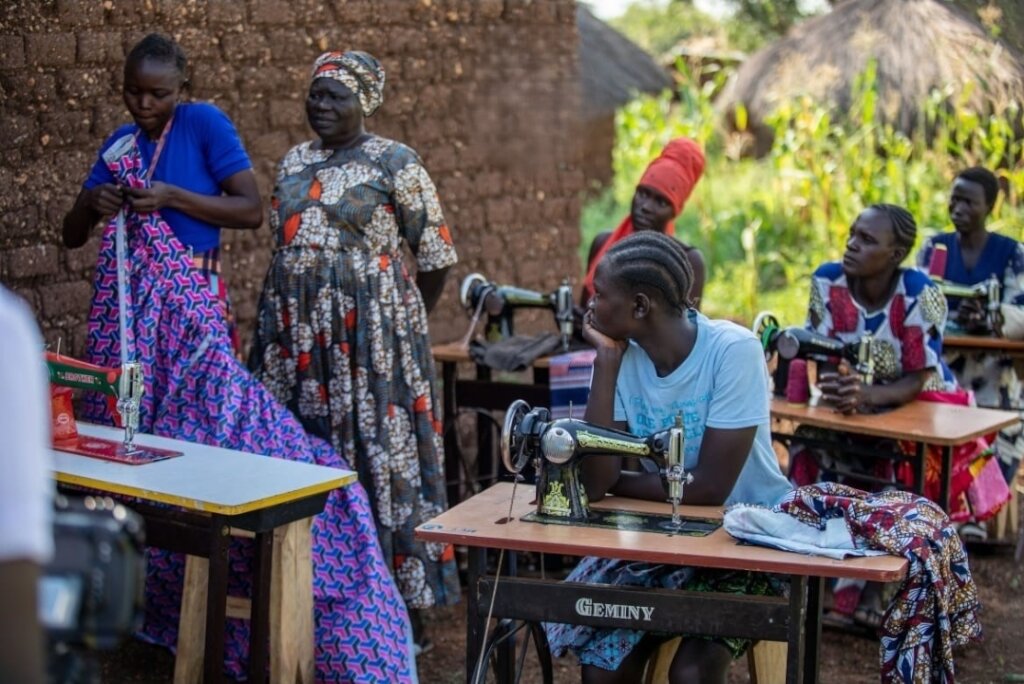
Vocational sewing training: The girls are being supported to learn the importance of sewing and tailoring as a means of livelihood. Practical training is central to helping them progress from learning basic techniques to producing garments and other useful items.
Encouraging participation: The girls have shown a strong desire to learn despite the hardships they face. Their determination demonstrates the importance of making vocational training accessible to vulnerable young women.
Promoting self-reliance: The project encourages participants to look beyond completing their training and prepare for the next stage of their lives. The long-term goal is for them to use their skills to obtain employment, serve customers, or establish small tailoring businesses.
Mobilizing resources: Karitas Relief Mission continues to seek support for sewing machines and other essential resources so that the girls can receive adequate hands-on training.
The project has previously received support for 10 sewing machines. Additional machines are needed to strengthen practical training and help the project serve the intended group of 156 girls. The exact number of additional machines required will depend on the available equipment and training arrangements.
5. Challenges Faced by the Girls
Despite their enthusiasm, the girls continue to experience several challenges.
Economic hardship: Many come from families with limited financial resources. Meeting their daily needs while pursuing vocational education is a constant struggle.
Responsibilities of single motherhood: Some participants are single mothers who must care for their children while attending training. They face the emotional, physical, and financial pressure of raising children while trying to secure a better future.
Limited training equipment: The number of available sewing machines is insufficient to provide all the girls with convenient access to practical learning. This can limit the time each participant spends practising.
Uncertain employment opportunities: Even after completing their vocational studies, the girls may struggle to find employment or establish their own businesses without sewing machines, start-up capital, and access to customers.
Nevertheless, the girls remain determined. They continue to pursue their training because they believe that acquiring a skill will help them overcome their present difficulties and provide a more secure future for themselves and their children.
6. Results and Emerging Outcomes
The project is working toward meaningful social and economic change for vulnerable girls.
- Target population: 156 girls identified as the intended beneficiaries.
- Equipment received: 10 sewing machines previously supported for the programme.
- Training commitment: The girls have demonstrated strong motivation and willingness to acquire sewing skills.
- Economic empowerment: The project is building a pathway toward self-employment, income generation, and financial independence.
- Hope and confidence: The opportunity to learn a practical skill gives the girls hope that their present circumstances do not have to determine their future.
The target of 156 girls represents the intended reach of the project, not necessarily the number who have completed training. Further attendance records, training assessments, and follow-up information will help document the number of girls actively participating and the skills they have acquired.
7. Human Impact: A Path Toward a New Life
For these girls, sewing is more than learning how to operate a machine. It represents an opportunity to rebuild their lives, regain confidence, and become economically independent.
For a young mother struggling to provide for her child, learning to make clothes can become the beginning of a new livelihood. With the right skills and access to a sewing machine, she may eventually serve customers from home, establish a small tailoring business, and earn money to meet her family's needs.
The girls are not asking for assistance simply to remain dependent on donors. They are seeking an opportunity to learn, work, and support themselves through their own efforts.
Their determination deserves encouragement. By investing in their vocational education today, donors can help create opportunities that may benefit the girls, their children, and their wider communities for years to come.
8. Lessons Learned
The project highlights several important lessons:
1. Practical vocational training can open new opportunities for vulnerable girls.
2. Single mothers need understanding and support because childcare and financial pressures can affect their participation.
3. Training equipment is essential; access to sewing machines allows girls to practise and develop confidence in their skills.
4. Skills training is most effective when connected to employment, entrepreneurship, and access to start-up resources.
5. The motivation demonstrated by the girls shows the importance of investing in their potential rather than defining them by their current circumstances.
9. Next Steps
Karitas Relief Mission plans to continue strengthening the project through the following actions:
- Mobilize additional sewing machines to improve access to practical training.
- Support the girls in developing their sewing, garment-making, and tailoring abilities.
- Monitor attendance and assess progress in practical skills.
- Provide basic entrepreneurship guidance, including customer care, pricing, saving, and business management.
- Explore opportunities for graduates to access sewing machines and start small businesses.
- Seek partnerships and donor support to help vulnerable girls complete their training and transition into productive livelihoods.
10. Conclusion and Appeal to Donors
The Empowering Girls with Sewing Machines project is an investment in the dignity, potential, and future of vulnerable young women.
Although the girls face poverty, single motherhood, and limited resources, they have not abandoned their dreams. They remain eager to learn and determined to acquire skills that can help them earn a living and care for their children.
Karitas Relief Mission appeals to compassionate donors and partners to continue supporting this initiative. Contributions toward sewing machines, training materials, and livelihood development will help create opportunities for the girls to turn their determination into practical skills and, ultimately, sustainable sources of income.
Together, we can help transform hardship into opportunity, dependence into self-reliance, and hope into a more secure future for 156 girls.
Thank you to every donor and partner who believes in the power of education, vocational skills, and the determination of young women to change their lives.
Prepared by: Karitas Relief Mission
Project: Empowering Girls with Sewing Machines
Location: Mukono District, Uganda
Project reports on GlobalGiving are posted directly to globalgiving.org by Project Leaders as they are completed, generally every 3-4 months. To protect the integrity of these documents, GlobalGiving does not alter them; therefore you may find some language or formatting issues.
If you donate to this project or have donated to this project, you can receive an email when this project posts a report. You can also subscribe for reports without donating.



Support this important cause by creating a personalized fundraising page.
Start a Fundraiser