Dear Donors
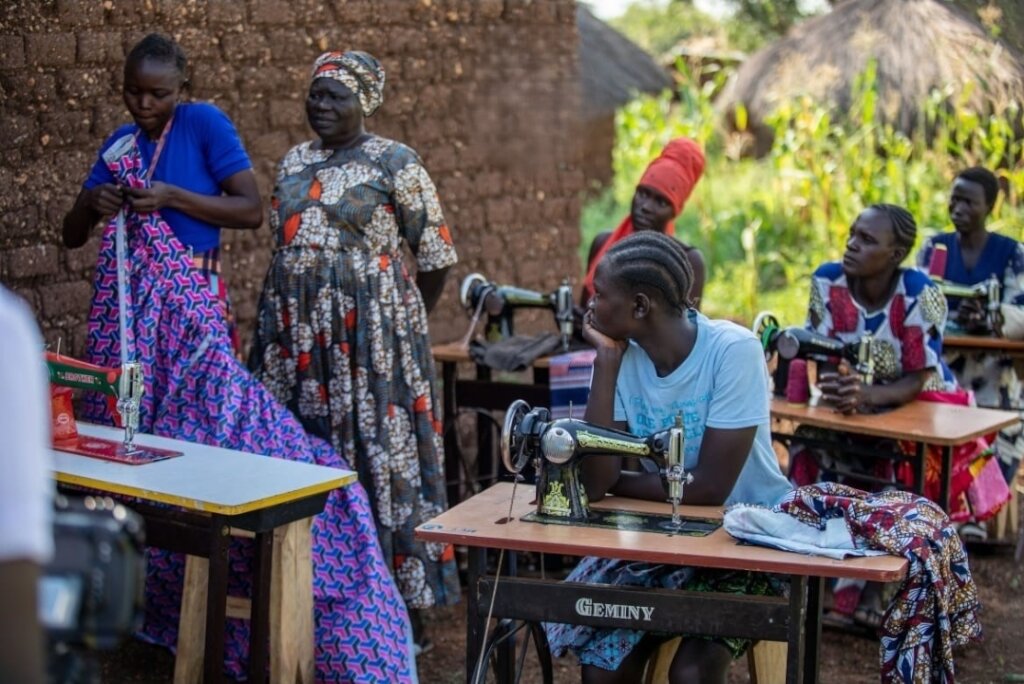
The Empowering Girls with Sewing Machines project continues to focus on creating opportunities for girls to acquire practical skills that can help them shape a more secure and independent future. Through this initiative, Karitas Relief Mission seeks to make vocational training more accessible to 156 girls by equipping them with sewing and tailoring skills that can open doors to employment, entrepreneurship, and self-reliance.
As the project moves forward, attention is being directed toward turning the girls’ willingness to learn into a structured and productive training experience. The goal is not simply to teach them how to sew, but to help them develop skills that can eventually become a source of livelihood.
2. Current Project Update
One important aspect of the project is preparing for a meaningful transition from interest and readiness to practical learning. The girls have already demonstrated enthusiasm for the opportunity to acquire tailoring skills, and discussions have taken place with the relevant staff and project leadership concerning the way forward.
The project currently has 10 sewing machines available. However, reaching the intended group of 156 girls will require additional equipment and appropriate training materials. This remains an important consideration as the project prepares for its next stage.
Rather than focusing only on the number of machines available, the project is also considering how the training can be organized so that the girls have opportunities to participate, practise regularly, and develop confidence in their abilities.
3. A New Focus: Preparing Girls for Practical Independence
This week, the project will place greater emphasis on the practical steps needed to connect vocational learning with future opportunities. The focus will be on identifying what the girls need to begin learning effectively and how their progress can be followed throughout the training process.
The project will also continue to encourage a learning environment where the girls can develop patience, creativity, discipline, and confidence. These qualities are important for anyone who hopes to use tailoring skills to earn an income or establish a small business in the future.
4. Brief Programme for This Week
Monday – Training Readiness and Coordination
Review the preparations required for the next stage of the project, identify outstanding training needs, and coordinate with the responsible staff on practical arrangements.
Tuesday – Assessment of Learning Needs
Identify the essential sewing materials and equipment required for introductory training, including fabric, thread, needles, measuring tapes, scissors, and other basic supplies.
Wednesday – Skills Development Planning
Prepare a simple sequence of learning activities, beginning with familiarization with sewing tools, taking measurements, understanding patterns, and progressing toward basic stitching exercises.
Thursday – Participation and Progress Monitoring
Plan how the participation and learning progress of the girls will be documented. This will help the project identify training gaps and understand what additional support may be needed.
Friday – Review and Next-Step Planning
Review the week's preparations, identify outstanding priorities, and establish practical actions for moving the project closer to the commencement and effective delivery of training.
This is the planned programme for the week; the activities will be reported as completed only after they have taken place.
5. Expected Outcomes for the Week
By the end of the week, the project aims to have:
- A clearer outline of the materials and equipment needed to support practical training.
- A more organized plan for introducing the girls to sewing and tailoring.
- Improved coordination regarding the next steps toward training commencement.
- A simple approach for recording participation, skills development, and progress.
- A clearer understanding of the resources required to serve the intended 156 girls.
6. Looking Beyond the Sewing Machine
The long-term value of this project lies in what the girls will eventually be able to do with the skills they acquire. Tailoring can provide opportunities to make and repair clothing, serve customers, develop small businesses, and contribute to household income.
For vulnerable girls, access to vocational skills can also strengthen confidence and provide an alternative pathway toward economic independence. The project therefore seeks to connect practical training with the wider goal of helping girls become active contributors to their families and communities.
7. Conclusion
The Empowering Girls with Sewing Machines project is working toward a future in which 156 girls can access practical vocational training and gain skills that may support them throughout their lives.
This week's programme will concentrate on preparation, coordination, training needs, and a clearer framework for monitoring progress. These steps are intended to lay a stronger foundation for effective training and meaningful outcomes.
Karitas Relief Mission remains committed to advancing this initiative so that the girls' enthusiasm can be translated into practical skills, greater confidence, and improved opportunities for self-reliance. Continued cooperation and support will be important in helping the project move toward its intended goal.
![Share on Twitter]()
![Share on Facebook]()