By Gio Cannegieter | COO
Dan's students are building real games
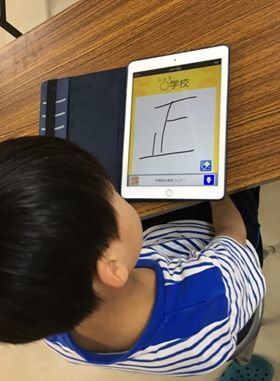
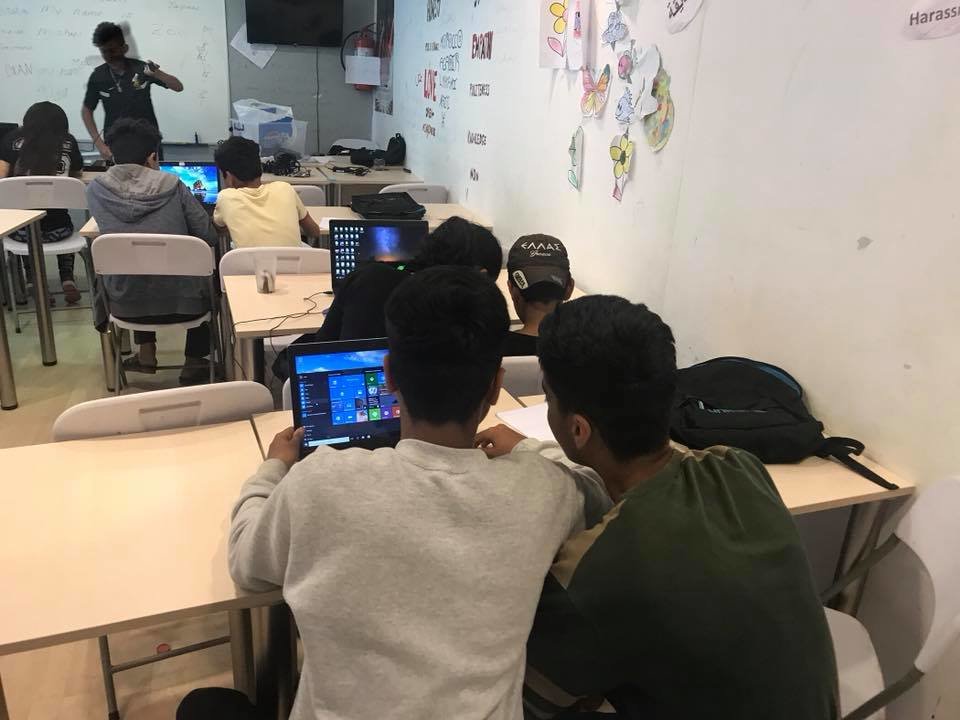
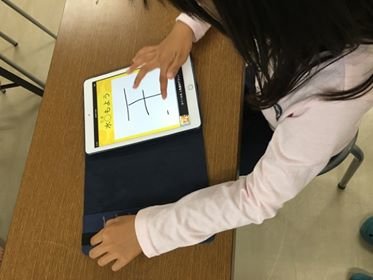
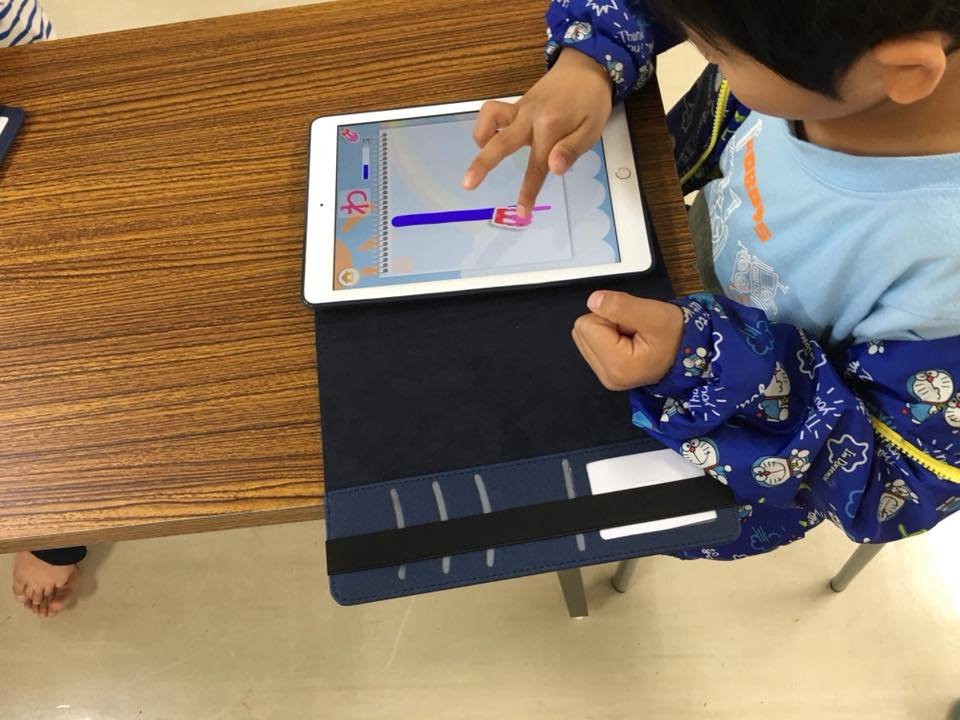
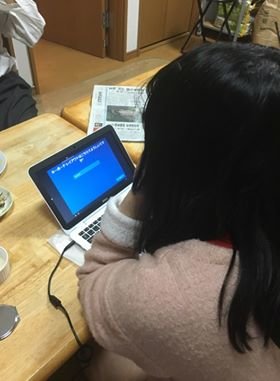
Dan continues to teach children to code online, and this period brought one of the proudest moments of his program so far. One of his students finished building a complete puzzle game from scratch: players draw a line through three matching fruits to clear them, and the game ends when the screen fills up. The game was turned into a real app and installed on a phone, with setup instructions Dan wrote in both English and Japanese so staff at the home could install it themselves.
As Dan put it, this was a wonderful achievement not only for the student but for everyone involved in the lessons. Children aged 8 to 14 in his classes have built games of their own too, and Dan is keen to bring projects like this to more kids. At one partner home in Nagoya, lessons are paused for now while the home sorts out computer access and scheduling. We have offered to help with new computers so the class can start again, and Dan is looking forward to getting back to it.
Digital Learning in Japan at St. Francis
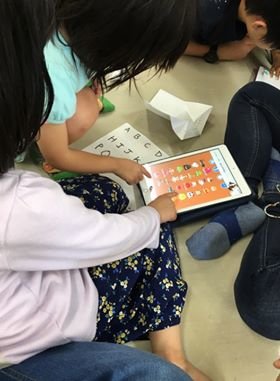
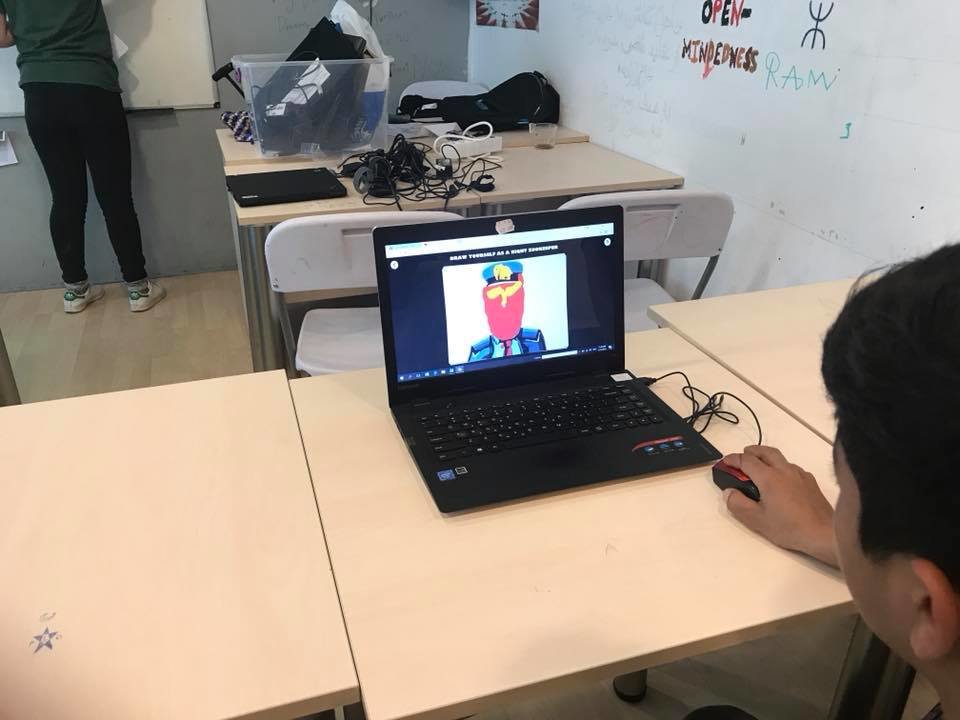
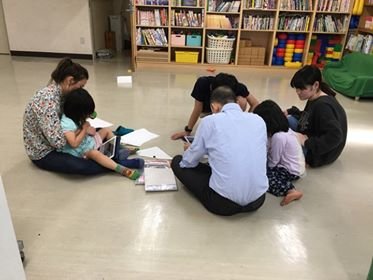
In August, the children at St. Francis Home took on a very current topic: AI images and deepfakes. They studied a series of pictures and guessed which were real and which were made by AI. Then they learned how anyone can now create a convincing fake just by typing a request into a tool like ChatGPT or Gemini, and why that matters for what they see and share online.
From late August into September, St. Francis hosted a five-week program run with our partners at LEAD, focused on spotting problems and coming up with ideas to solve them. Instead of abstract case studies, the children started with problems from their own everyday lives, like dealing with bossy siblings. Slido polls and word clouds let every child share ideas anonymously, Kahoot quizzes turned review into a game, and smaller table groups helped everyone stay focused. Lessons about money sparked especially strong interest, and later sessions had the children create their own commercials, building toward short presentations and a certificate for each participant.
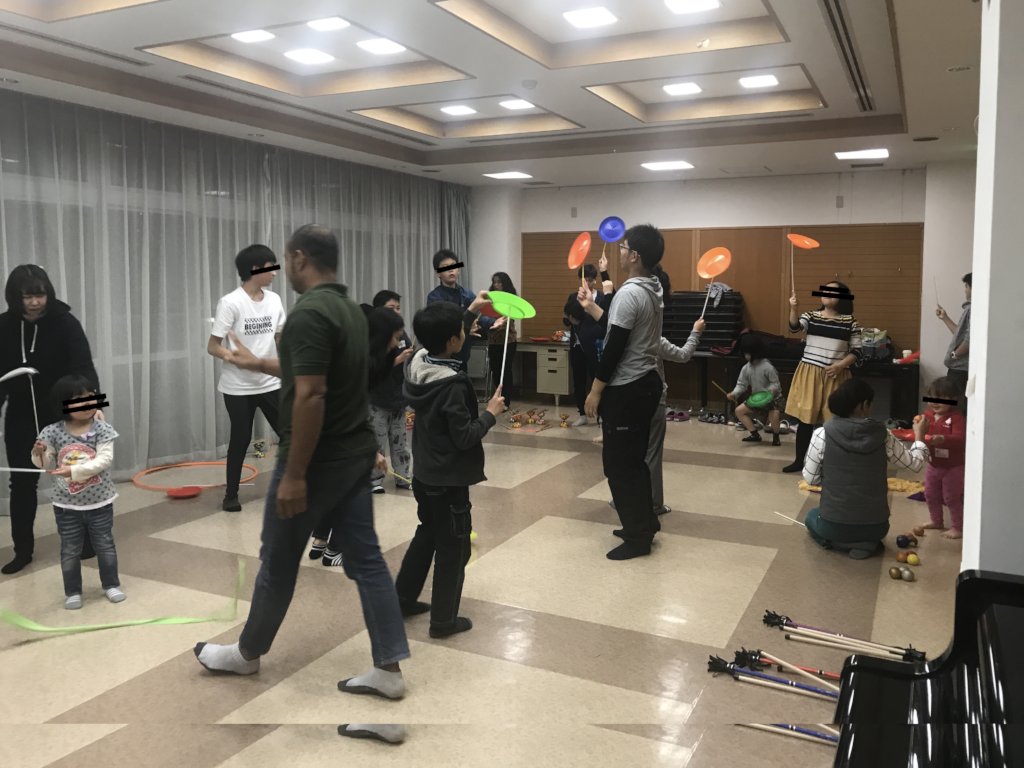
Most recently, in late October, volunteers from Capgemini joined us at St. Francis for a hands-on programming workshop. The children learned what programming really is: giving a computer clear, step-by-step instructions it can follow. They also discovered how different languages such as JavaScript, Python, Java, and C# are each used for different things, from websites to games. We are now planning a follow-up digital literacy evening with Capgemini for December.
None of this happens without you. Your generosity is what puts teachers in front of these children, a laptop in a child's hands, and turns curiosity into capability. We are deeply grateful for your continued belief in these young people, and we hope we can count on your support to keep this work going. Every contribution, at every level, makes a direct difference in their lives. If you have any questions or would like to learn more about how your donation is being used, we would love to hear from you.
Project reports on GlobalGiving are posted directly to globalgiving.org by Project Leaders as they are completed, generally every 3-4 months. To protect the integrity of these documents, GlobalGiving does not alter them; therefore you may find some language or formatting issues.
If you donate to this project or have donated to this project, you can receive an email when this project posts a report. You can also subscribe for reports without donating.



Support this important cause by creating a personalized fundraising page.
Start a Fundraiser