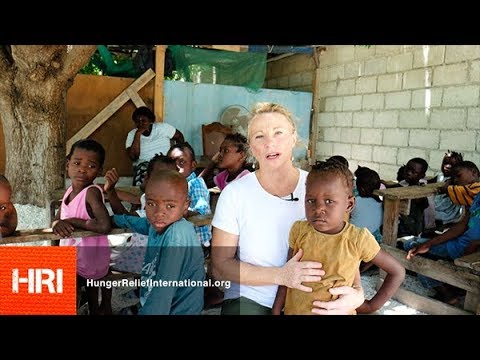
By Jennifer Jones | CEO
Children First: Building Stronger Families, Protecting Vulnerable Children
2025 Program Impact Update | Haiti & Guatemala
Every child deserves to grow up in a safe, loving environment where they are protected, nourished, educated, and given the opportunity to thrive. Yet for thousands of children in Haiti and Guatemala, extreme poverty, hunger, violence, and instability threaten that fundamental right.
Through Hunger Relief International's (HRI) Children First Program, we are working to break the cycle of poverty and vulnerability by strengthening families, supporting caregivers, and addressing the underlying conditions that place children at risk of abandonment, abuse, trafficking, exploitation, and institutionalization.
Our approach recognizes that protecting children requires more than meeting their immediate needs. It means helping families become stronger, healthier, more resilient, and increasingly self-sufficient.
Protecting Children in Haiti
Throughout 2025, Haiti continued to face extraordinary challenges as gang violence, displacement, and widespread food insecurity threatened the safety and well-being of vulnerable children and families.
Despite these conditions, HRI continued providing essential support to children living in orphanages and families struggling to meet their basic needs.
Among our many 2025 accomplishments, here are a few:
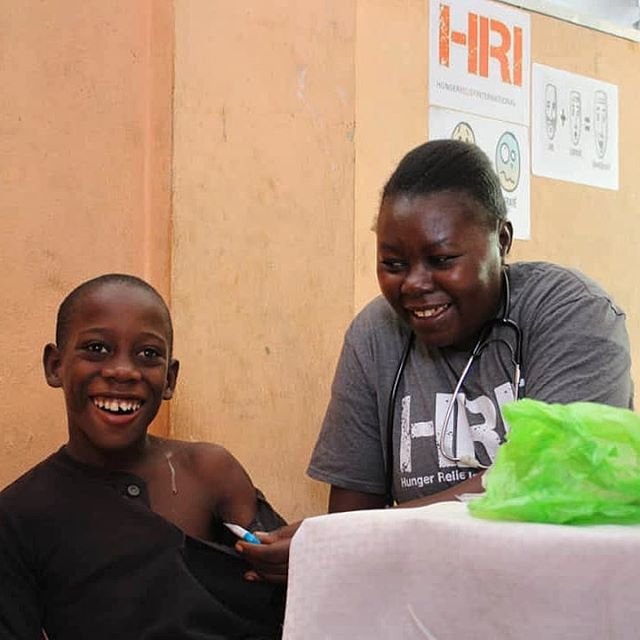
379 children and 72 caregivers received support through 12 partner orphanages.
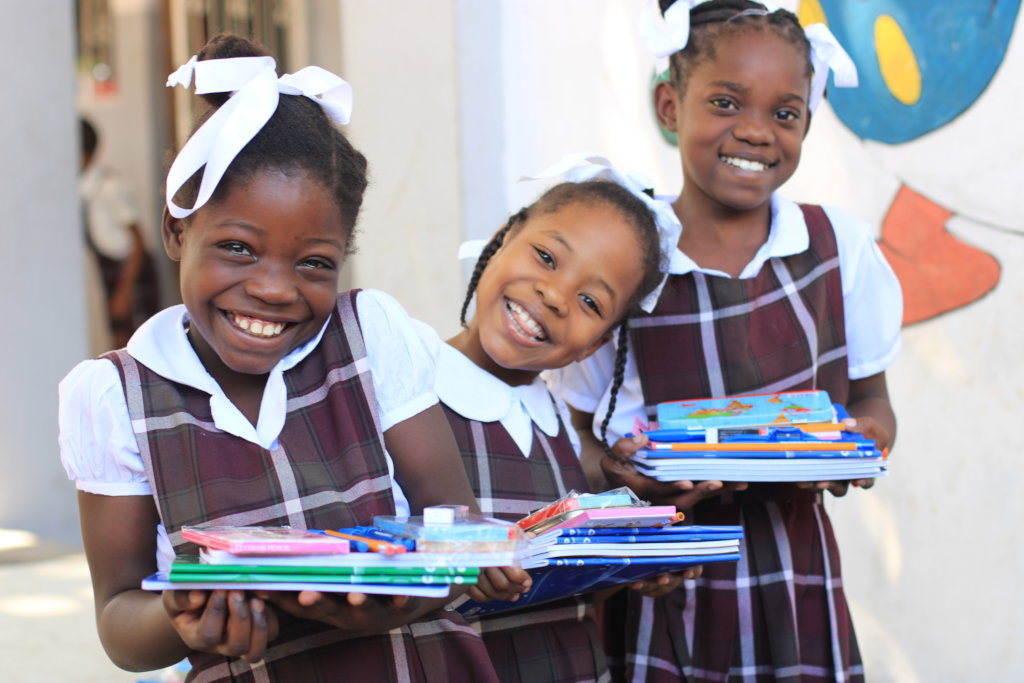
Children received nutritious meals, educational assistance, school and vocational training support, and essential supplies.
1,466 gallons of propane were provided to orphanages, helping caregivers safely prepare meals.
Children displaced by gang violence continued receiving food, clean water, clothing, shoes, hygiene supplies, and other necessities.
View our full 2025 Annual Report here.
For children already living in residential care, these services provide greater stability and help improve their health, safety, and quality of life.
At the same time, our broader Children First strategy emphasizes strengthening families so that poverty alone does not force parents to surrender their children to institutional care.
Strengthening Families Through Nutrition and Education
Food insecurity is one of the greatest challenges facing vulnerable families in both Haiti and Guatemala. When parents cannot consistently provide nutritious meals, children face increased risks of malnutrition, interrupted education, and separation from their families.
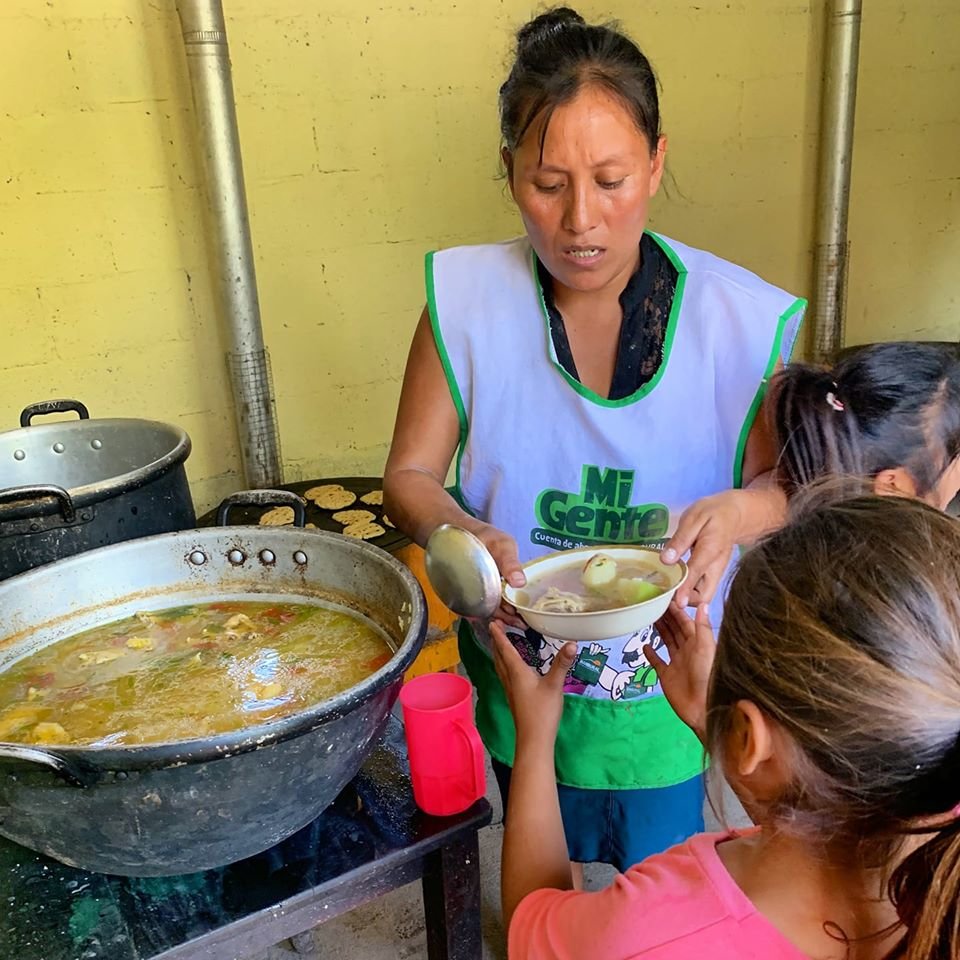
In 2025, HRI continued addressing these challenges through school feeding programs, household food assistance, and nutrition education.
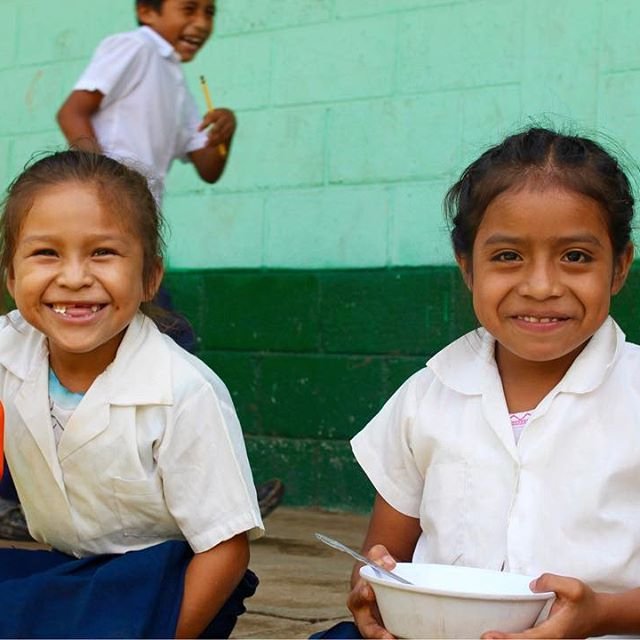
In Guatemala, our school feeding and family support initiatives helped children receive nutritious meals while reducing the financial pressures on struggling households.
By helping children arrive at school nourished and ready to learn, these programs support educational achievement while encouraging families to prioritize their children's long-term development.
In Haiti, HRI's partnership with the World Food Programme helped provide food assistance and nutrition support to 196,405 vulnerable individuals during 2025.
These efforts are part of HRI's broader food security work and complement Children First's goals of reducing household vulnerability and protecting children from the consequences of extreme poverty.
Building Healthier, More Resilient Homes
A child's safety and well-being are closely connected to the health and stability of their household.
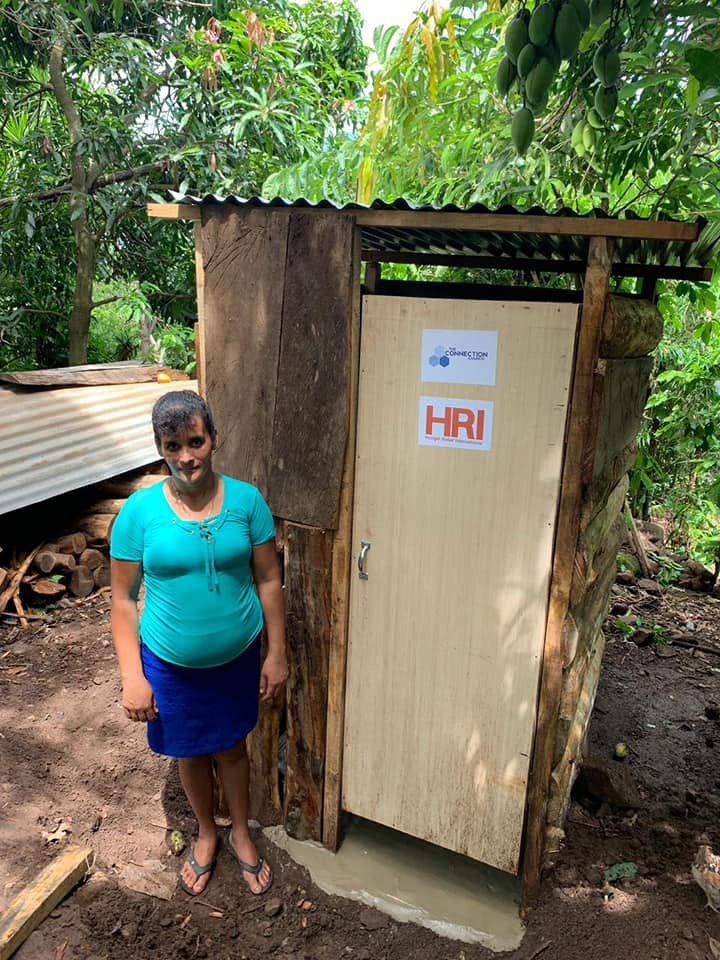
Throughout 2025, HRI continued improving access to clean water, safe sanitation, and healthier living conditions for vulnerable families.
In Guatemala, our safe cookstove initiative reached 288 households cumulatively by the end of 2025, helping families reduce exposure to harmful cooking smoke and create safer home environments.
Water filtration, sanitation improvements, and hygiene education also helped address preventable health risks that disproportionately affect children.
These practical interventions reduce household hardship, improve living conditions, and strengthen families' ability to care for their children.
Empowering Families for a Stronger Future
Children First is built on the belief that strong families are the foundation of strong communities.
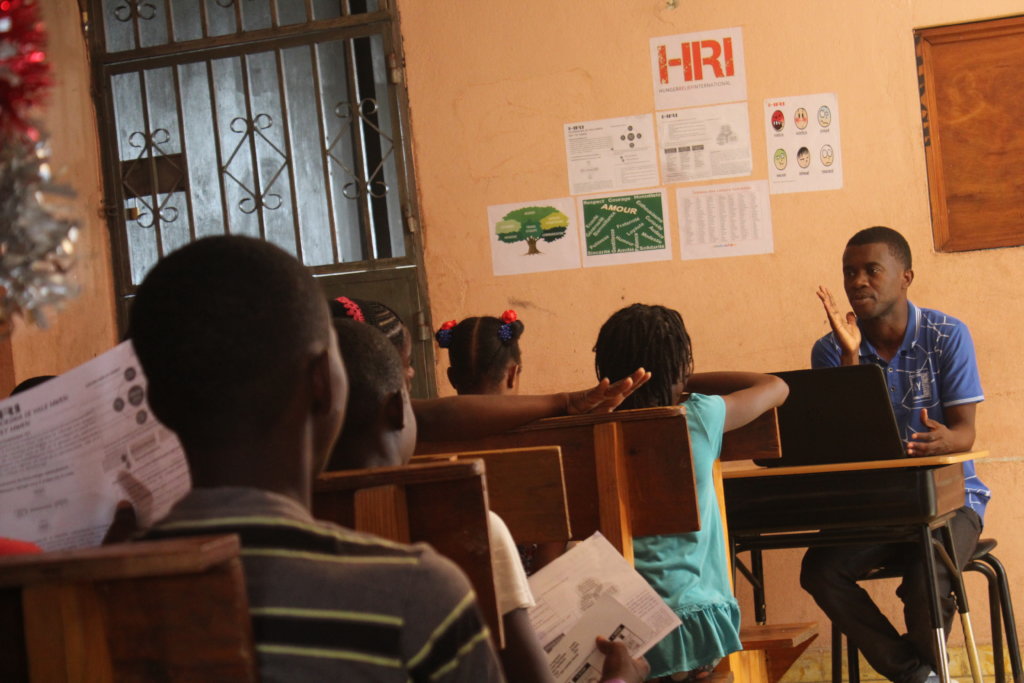
Through caregiver education, family-strengthening interventions, educational assistance, and initiatives designed to improve household self-sufficiency, HRI works to address the root causes of child vulnerability.
Women's empowerment remains an important part of this strategy. Helping mothers and female caregivers develop knowledge, skills, and greater economic stability strengthens their ability to provide for their children and reduces the pressures that can lead to family separation.
Our long-term goal is not simply to help families survive difficult circumstances, but to equip them with the resources and opportunities to build safer, more stable futures.
Looking Ahead
As we continue this important work, our priorities remain clear: prevent unnecessary family separation, protect vulnerable children, strengthen caregivers, improve household resilience, and create opportunities for greater self-sufficiency.
In Haiti, ongoing violence and displacement make this work especially urgent. In Guatemala, persistent poverty and food insecurity continue to threaten children's health, education, and long-term opportunities.
While the challenges are significant, we remain committed to ensuring that children are not defined by the circumstances into which they were born.
Because of compassionate partners like you, we can continue putting children first—protecting their futures by strengthening the families and communities around them.
Thank you for standing with Hunger Relief International and helping create a world where more children can grow up safe, healthy, loved, and full of hope.
Links:
Project reports on GlobalGiving are posted directly to globalgiving.org by Project Leaders as they are completed, generally every 3-4 months. To protect the integrity of these documents, GlobalGiving does not alter them; therefore you may find some language or formatting issues.
If you donate to this project or have donated to this project, you can receive an email when this project posts a report. You can also subscribe for reports without donating.