By Lory Rivera | Program Weaver & Facilitator
On the morning of August 26, a massive landslide caused a flash flood that tore through the China-Nepal border, killing nearly 1,500 people and leaving over 5,000 people still to be found. This flood wasn’t an isolated incident, as Nepal is disproportionately impacted by climate change, along with other over exploited countries whose people struggle with the most poverty and the least access to resources.
The concept of collective trauma isn’t new. Historically, many countries have faced extreme hardship and environmental calamities. The impact of these disasters has the potential to shape entire societies and shift the way entire cultures move and relate to each other and the ecosystems they inhabit.
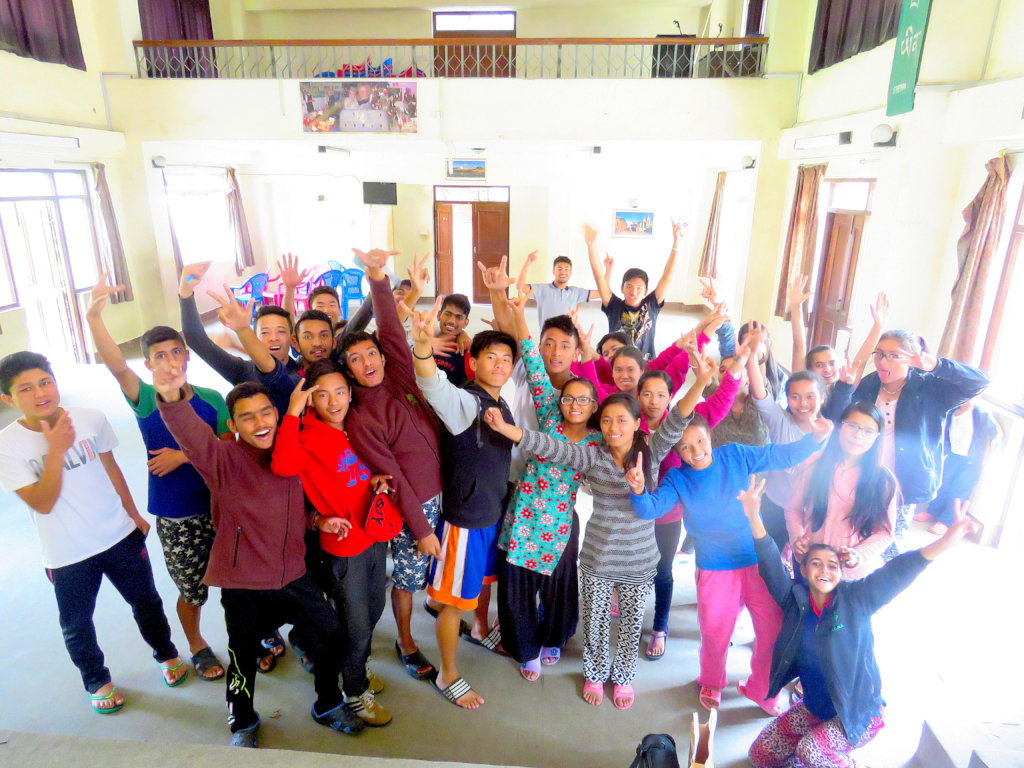
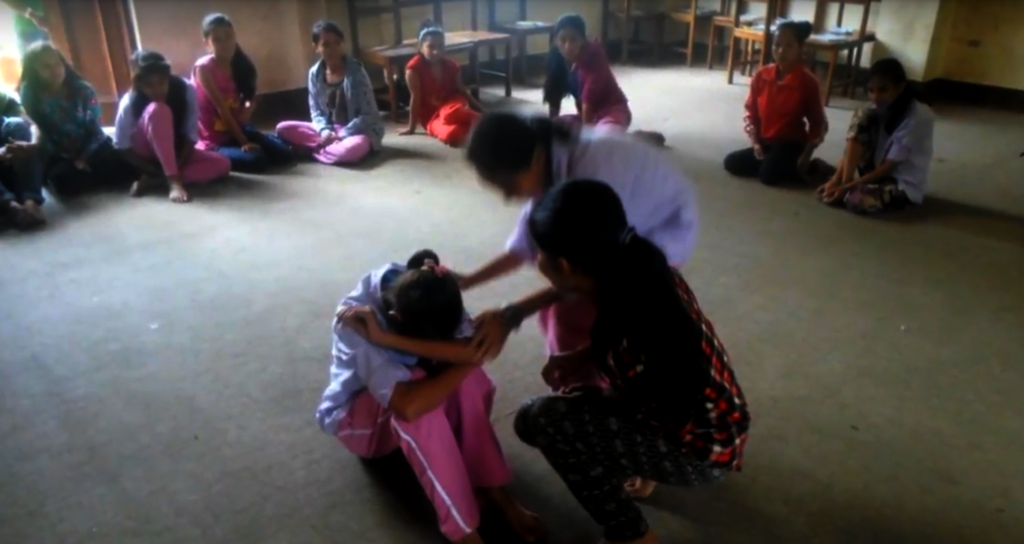
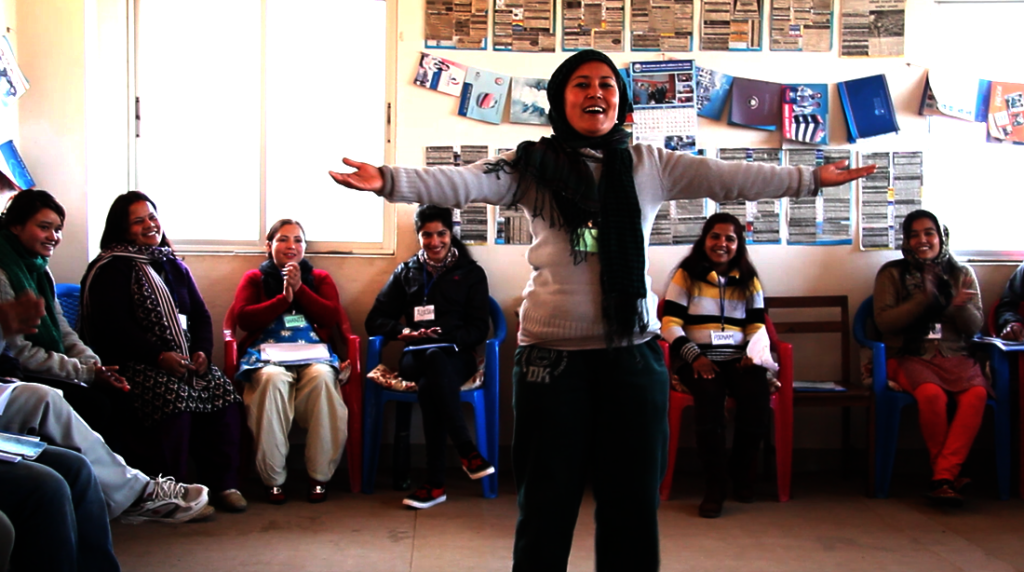
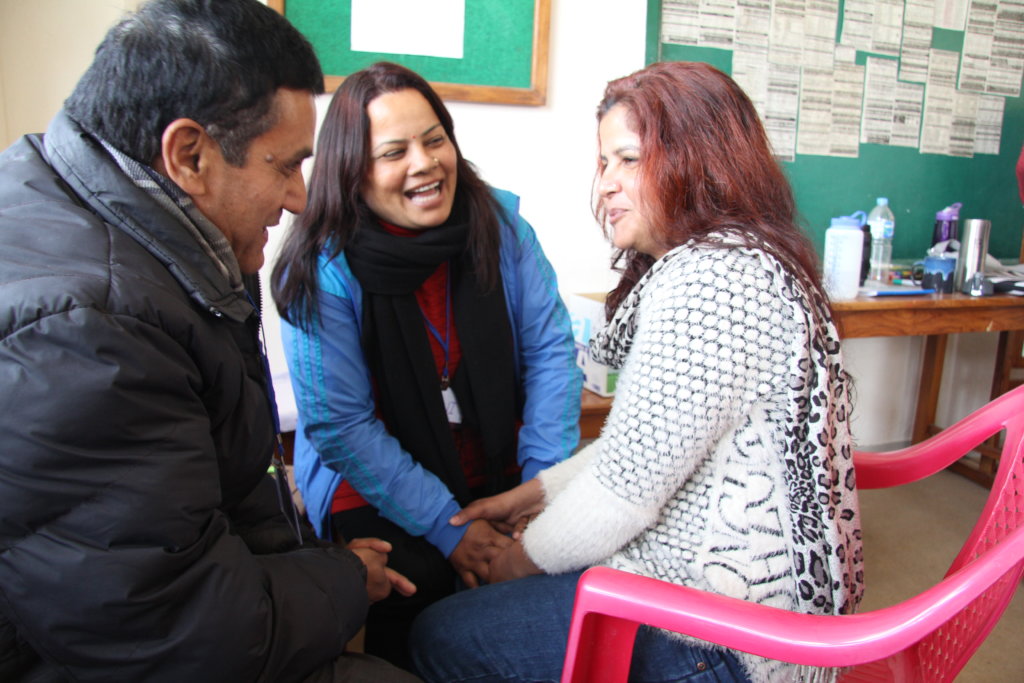
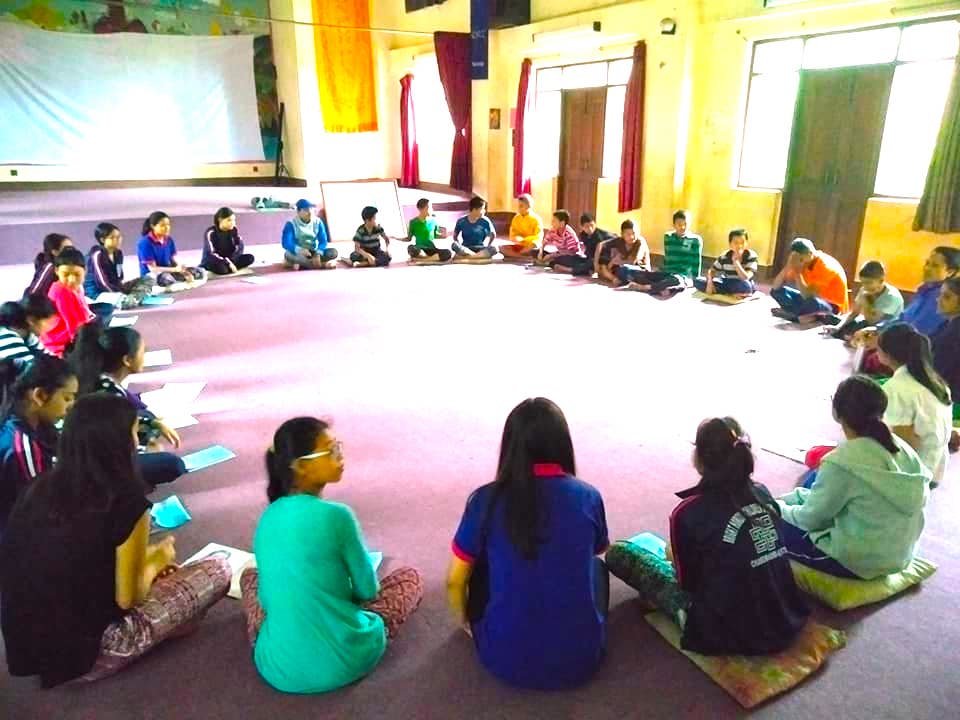
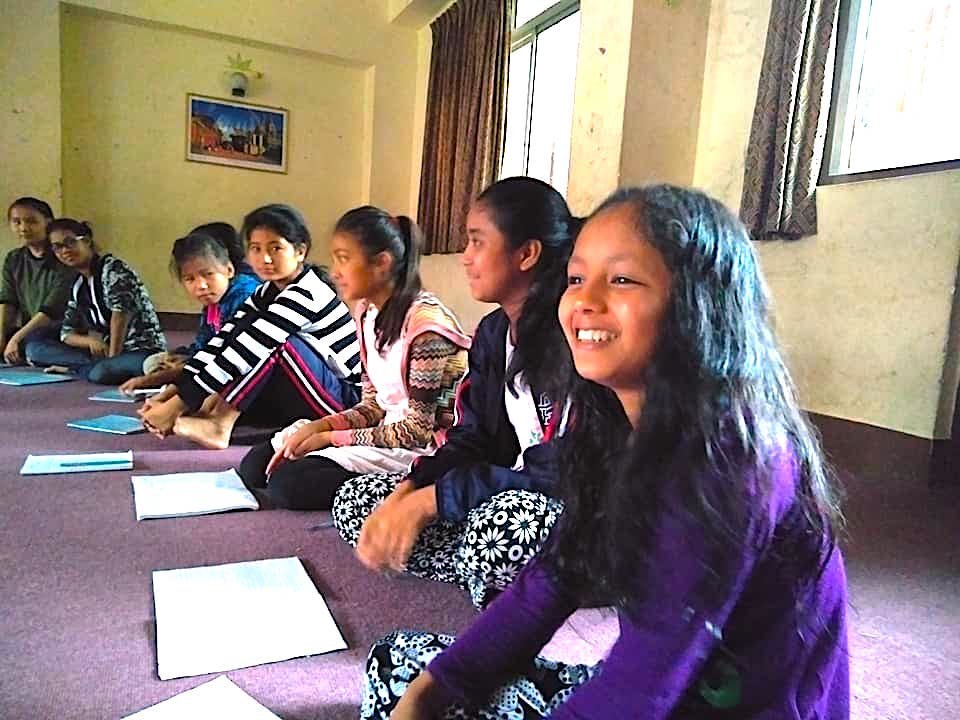
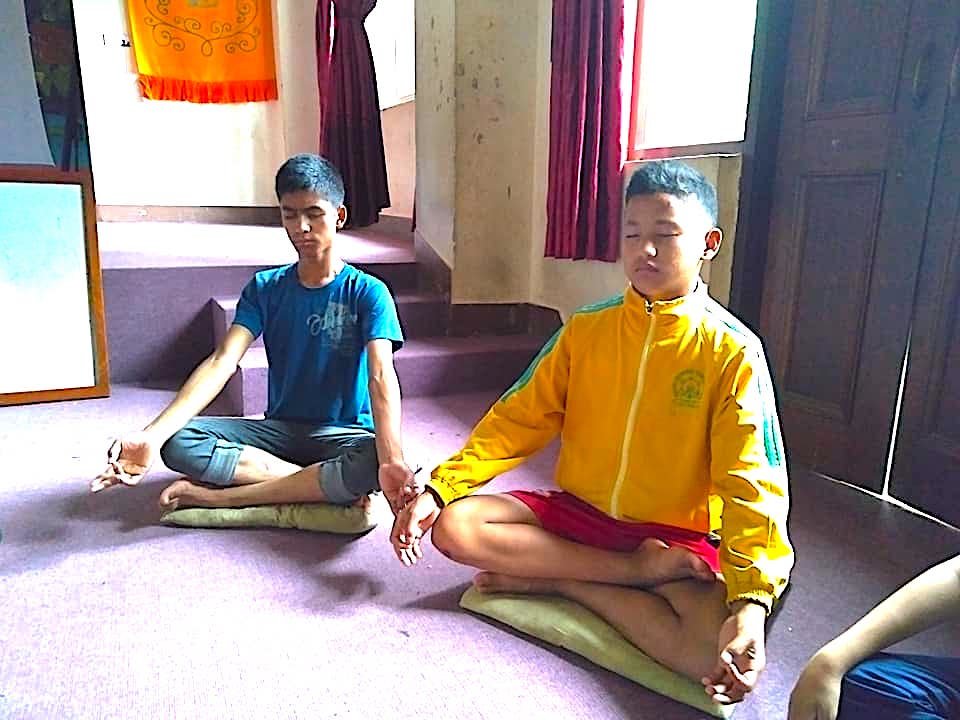
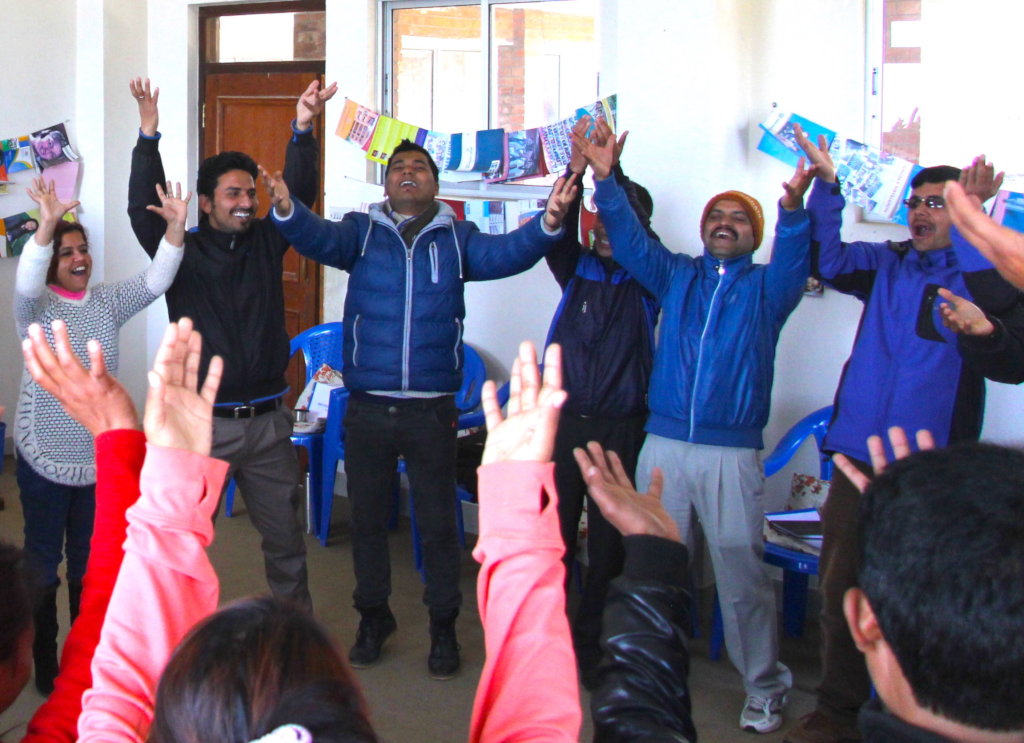
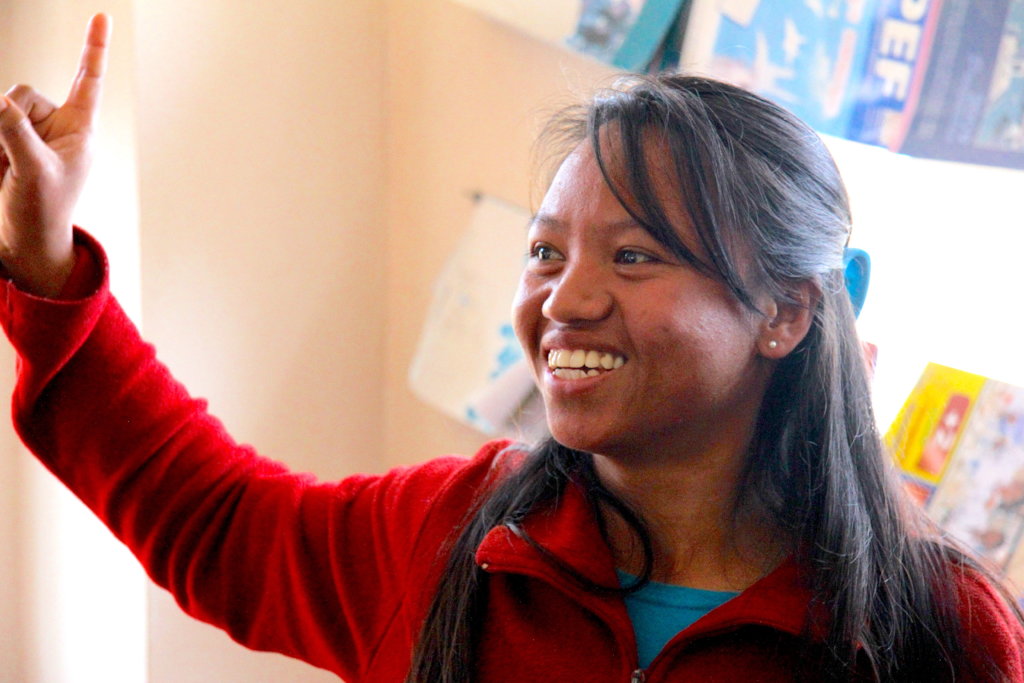
This is why our team in Nepal got right to work supporting those most affected with trauma-informed spaces to process what they experienced and to collectively hold the grief of the massive loss. They offered workshops to community health workers and folks that have been on the ground supporting survivors of the flood.
Among them were the women of Sankheshwori Nari Chetana, Shankhu–Dhulikhel, a group under the alliance of Nari Chetana Kendra Nepal - WACN that has been offering hands-on support to flood survivors. These skills will support these community health workers to approach the community they serve with compassion and understanding of the impact that this traumatic experience is having on their mental health. Among laughter and tears, during the training, there was the courage to share, listen, and learn together.
We continue to train teachers, nurses, health workers, and Female Community Health Volunteers (FCHVs) in flash-flood affected areas to provide safe, compassionate, andtrauma-informed mental health support in homes, schools, health centers, and community spaces. Your support provides us with the resources we need to continue the work of meeting the needs of the moment and offering opportunities for healing to those who have been most directly affected.
Project reports on GlobalGiving are posted directly to globalgiving.org by Project Leaders as they are completed, generally every 3-4 months. To protect the integrity of these documents, GlobalGiving does not alter them; therefore you may find some language or formatting issues.
If you donate to this project or have donated to this project, you can receive an email when this project posts a report. You can also subscribe for reports without donating.



Support this important cause by creating a personalized fundraising page.
Start a Fundraiser