Project Report
| Nov 7, 2012
Adopt a Wildlife Acre Project Report
By Kim Mathison | Project Leader
November 2012
The National Wildlife Federation continues to actively seek out opportunities for resolving conflicts between livestock and wildlife both in the area around Yellowstone National Park and within the Charles M. Russell National Wildlife Refuge (CMR) in northeastern Montana.
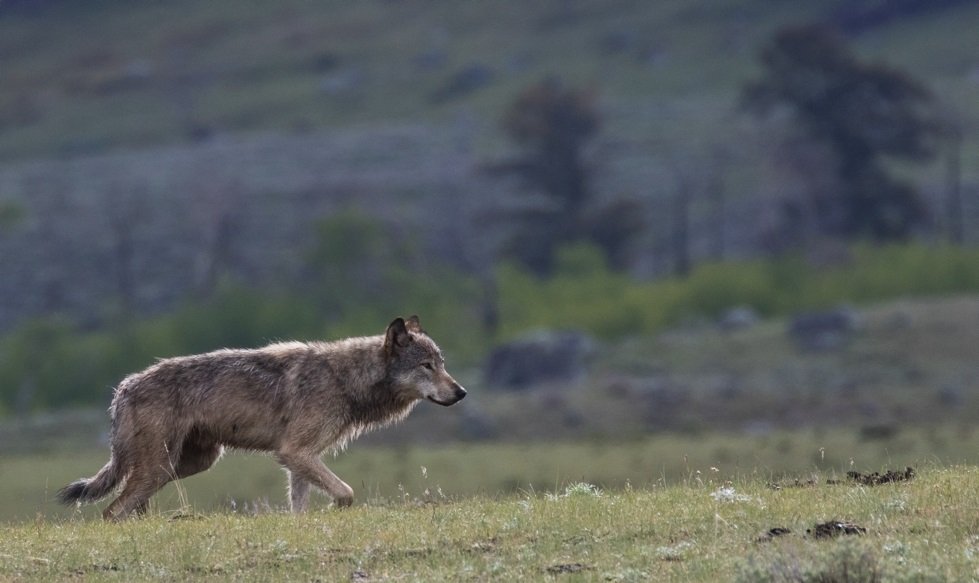
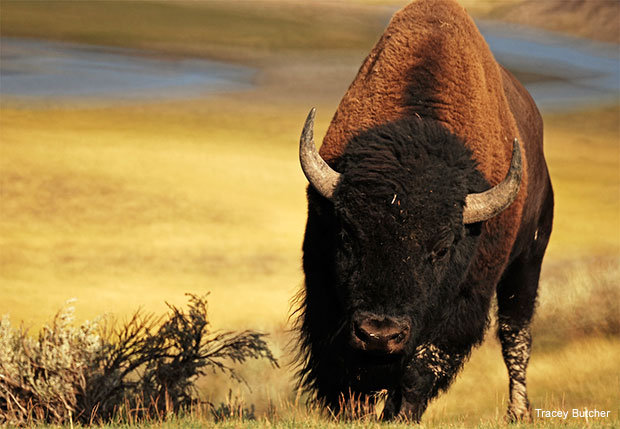
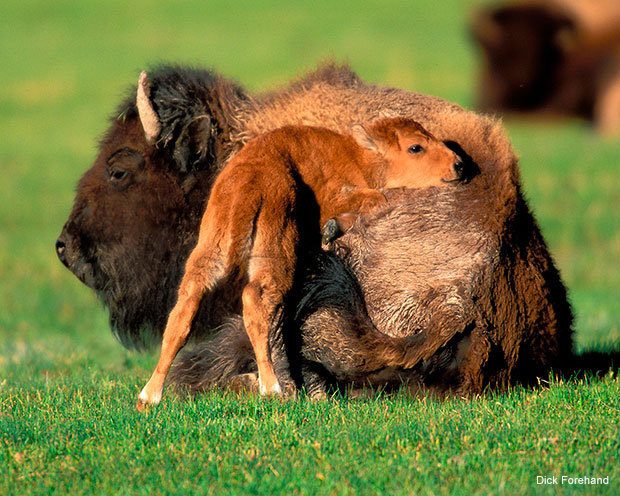
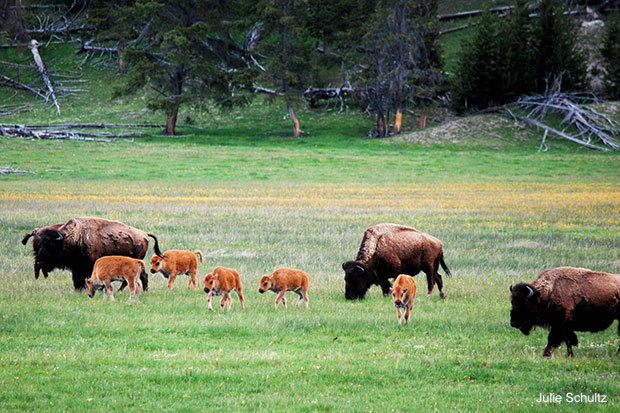
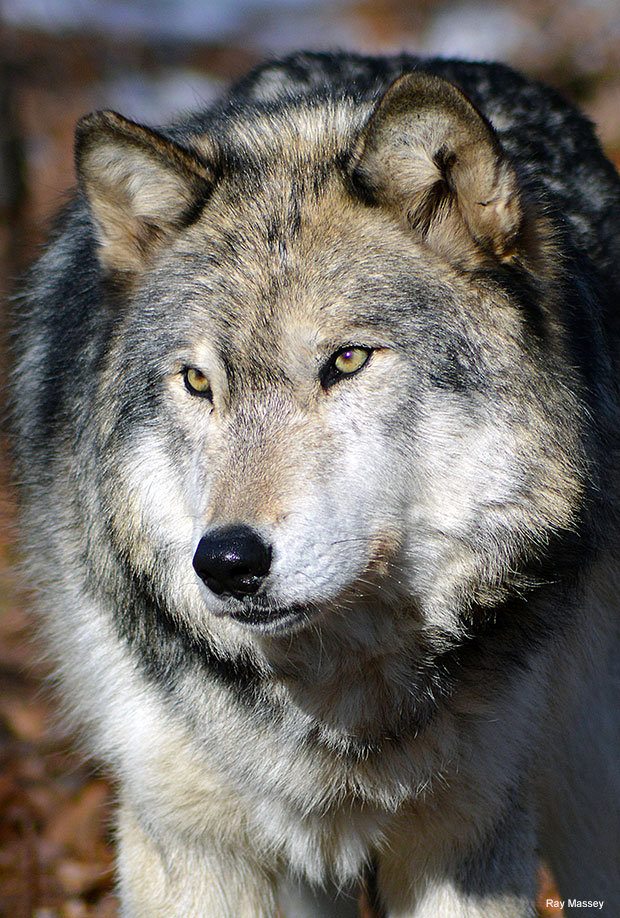
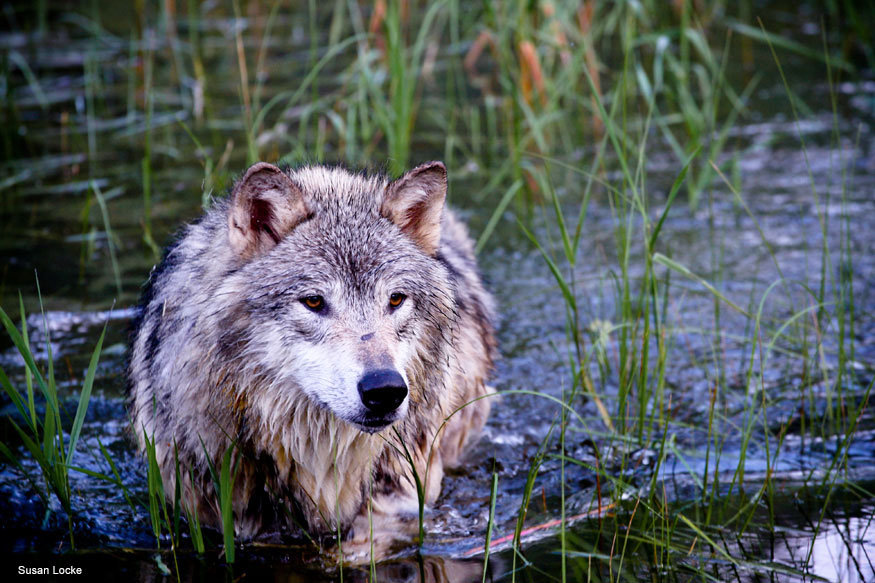
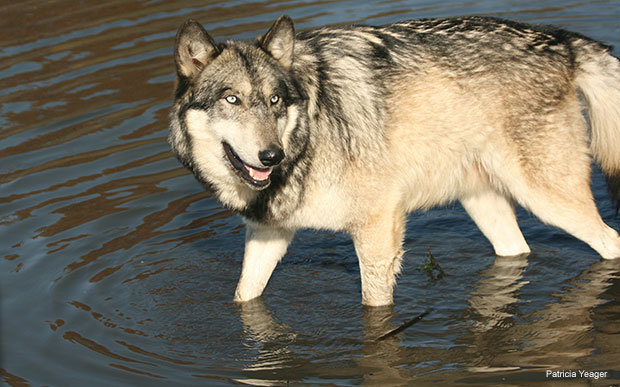
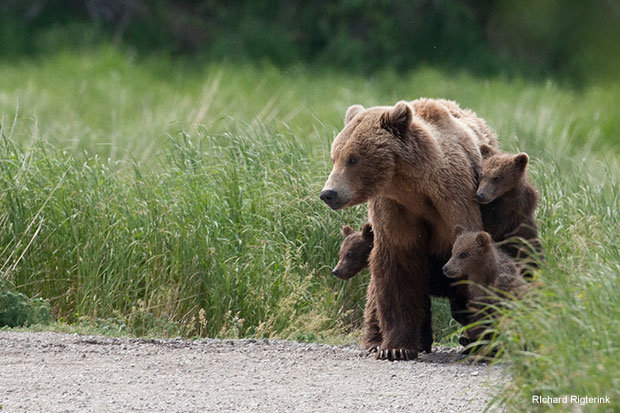
We have negotiated grazing retirements on more than 600,000 acres around Yellowstone Park, and have developed agreements with ranchers on more than 55,000 acres within the CMR. In the Yellowstone Park area, these retirements have been pivotal in resolving conflicts between large predators and cattle. Previously these problems were addressed by killing or relocating wolves and grizzly bears. Our Yellowstone retirements also provide bison with crucial winter range outside of the park, eliminating the perceived need for government agents to kill bison when they go beyond park boundaries.
Our CMR grazing retirements are setting the stage for bison restoration to this 1.1 million-acre refuge, which contains some of the best remaining prairie habitat in the United States. In the meanwhile, they benefit other prairie species such as sage grouse, pronghorn antelope and mule deer.
![Share on Twitter]()
![Share on Facebook]()
Aug 10, 2012
Adopt a Wildlife Acre Report
By Kim Mathison | Account Manager
The National Wildlife Federation (NWF) believes the 1.1 million-acre Charles M. Russell National Wildlife Refuge (CMR) in north-central Montana contains not only the best potential bison habitat in Montana, but anywhere in the United States. NWF's efforts to develop agreements with ranchers to refrain from grazing cattle on the refuge are a key piece of creating the available habitat for this wild-ranging species.
In June, 2012, Montana's Department of Fish, Wildlife and Parks began a process to evaluate the prospect of restoring a wild bison population to their native prairie habitat. Public response was unprecedented. Read more about this recent story here. During the 60-day comment period the state received nearly 23,000 comments. This is higher response than for recent proposals regarding wolves and grizzly bears (no small feat!).
In addition to Yellowstone National Park, your gifts to our Adopt-A-Wildlife Acre program enable us to pursue historically significant conservation projects at incomparable wild places like CMR; a landscape and ecosystem that when fully restored has the potential of becoming the “American Serengeti.”
![Share on Twitter]()
![Share on Facebook]()
May 18, 2012
Adopt A Wildlife Acre Update Report
By Evelyn Furia | National Wildlife Federation
The National Wildlife Federation’s Adopt-An-Acre Project reached an important milestone this past year when we passed the 600,000 mark for the number of “conflict” acres retired. That’s an area more than twice the size of Grand Teton National Park!
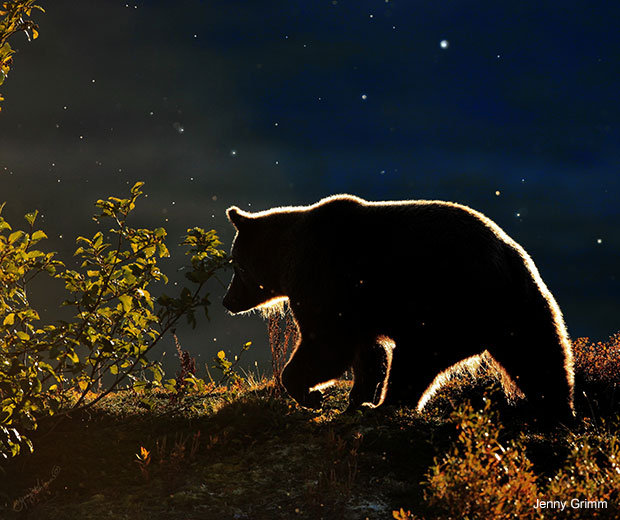
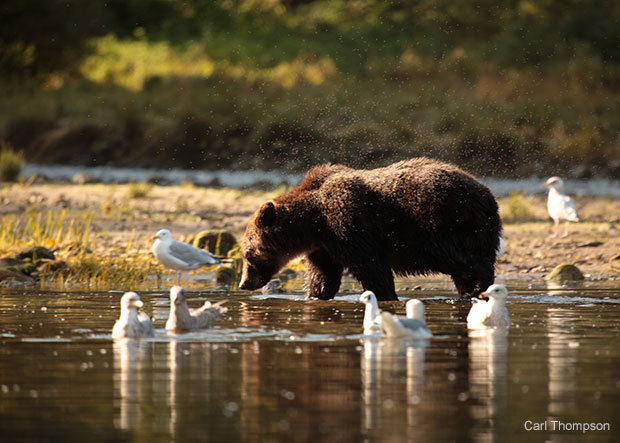
This project started in 2002 and has grown steadily since. An early project objective was grizzly bear conservation, as grizzly bear/livestock conflicts on public land grazing allotments adjacent to Yellowstone National Park were causing the killing or relocation of significant numbers of bears. One of the worst problem areas was the west side of the Teton Range, where grizzlies were constantly in conflict with domestic sheep. NWF has successfully retired all of the sheep allotments in this area, providing bears with tens of thousands of acres of secure habitat.
Another focal point of Adopt-A-Wildlife-Acre has been providing winter range for bison that leave Yellowstone Park in harsh winters. Because of fears about disease transmittal, bison were killed by the hundreds when they left the park. But key NWF retirements of livestock allotments near Gardiner and West Yellowstone (Montana) have created room for bison to roam.
![Share on Twitter]()
![Share on Facebook]()