Donations to this project
are eligible for a 100% match
as part of
the
Safer World Fund 2026 campaign!
(while funds remain)
By Asghari | HF Coordinator
In the last quarter of 2025, Afghanistan’s health sector has faced one of its most difficult periods in recent years. Funding cuts, political instability, and restrictive policies have drastically reduced access to essential medical care. The suspension of aid in January forced over 200 health facilities to close in Afghanistan, leaving 1.84 million people—mostly women and children—without critical services. Outbreaks of acute respiratory infections and measles have surged, and maternal health has been severely affected by restrictions on women’s medical training and treatment access.
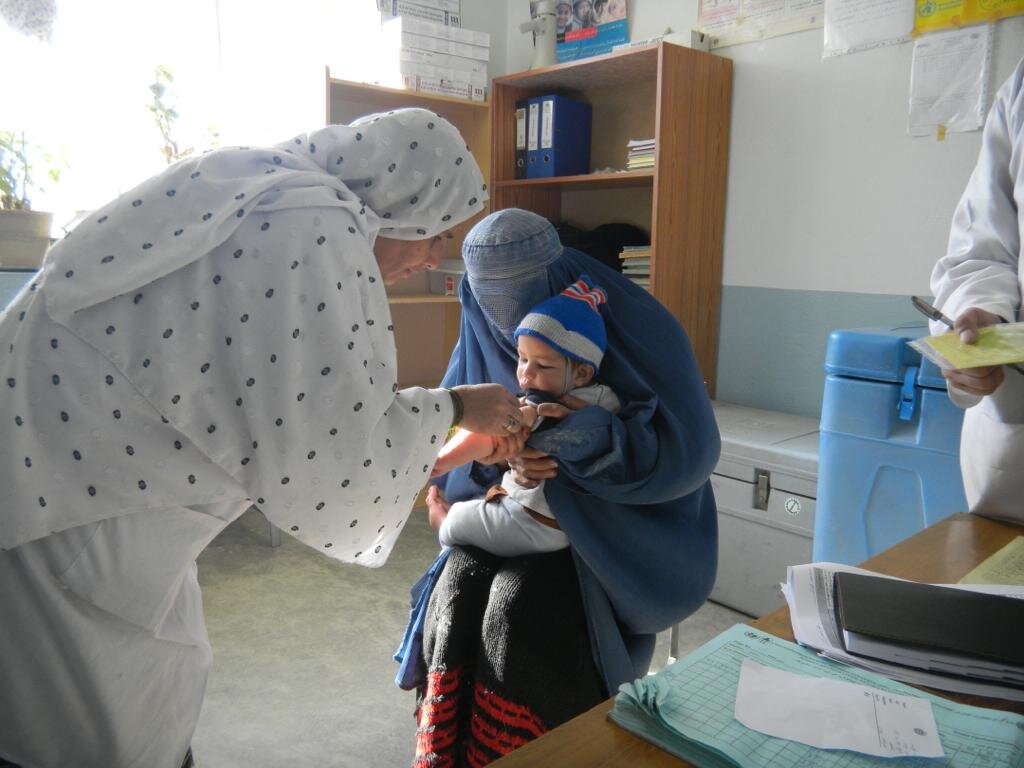
Against this backdrop, the Comprehensive Health Center (CHC) in Kabul has remained a lifeline for vulnerable communities. From during the last quarter, the CHC delivered 13,250 health services under the Basic Package of Health Services, including:
The CHC operates under intense pressure. Restrictions on female health workers limit services for women, and the closure of other facilities has increased our patient load. Despite these challenges, our dedicated team continues to deliver life-saving care, with special focus on children, pregnant women, and malnourished families.
Our vaccination program remains vital in preventing outbreaks of preventable diseases. However, the need is growing, and resources are stretched thin.
Your continued support makes this work possible. Every donation helps us provide medicine, vaccines, maternal care, and nutrition support to Afghanistan’s most vulnerable. Together, we can keep this critical health facility open and save lives in the months ahead.
By Anne Holiday | Health Program Officer
By Cate Borrelli | Communications Officer
Project reports on GlobalGiving are posted directly to globalgiving.org by Project Leaders as they are completed, generally every 3-4 months. To protect the integrity of these documents, GlobalGiving does not alter them; therefore you may find some language or formatting issues.
If you donate to this project or have donated to this project, you can receive an email when this project posts a report. You can also subscribe for reports without donating.



Support this important cause by creating a personalized fundraising page.
Start a Fundraiser